The 2028 Summer Olympics, officially known as the Games of the XXXIV Olympiad (LA28), are scheduled to take place from July 14 to July 30, 2028, in Los Angeles, California. This guide provides the preliminary event schedule, venue clusters, and the framework for tracking live results as the games approach.
The Road to LA28: Key Dates and Framework
As we move through 2026, the organizational framework for the Los Angeles 2028 Summer Olympics has transitioned from conceptual planning to operational readiness. The LA28 Organizing Committee has solidified the primary dates for the competition, establishing a 17-day window that will capture the world’s attention. The Opening Ceremony is set for Friday, July 14, 2028, while the Closing Ceremony will conclude the festivities on Sunday, July 30, 2028.
The 2028 Games are historic for several reasons, primarily because Los Angeles will become the third city in the world—following London and Paris—to host the Summer Olympics three times (1932, 1984, and 2028). A defining feature of this edition is the "No-Build" policy. Unlike previous hosts that constructed massive new stadiums, LA28 is utilizing existing world-class infrastructure, which has significantly altered the traditional event schedule to accommodate venue sharing and logistical efficiency.
For sports fans and stakeholders, understanding the 2028 timeline requires recognizing the "Games Plan." The preliminary schedule has been released in phases, with the most recent updates in 2026 detailing the specific days for high-profile events like swimming, gymnastics, and track and field. While the minute-by-minute start times will not be finalized until 2027, the day-by-day sport allocation is now established, allowing for travel and accommodation planning.
The Master Schedule: A Paradigm Shift in Athletics and Swimming
One of the most significant updates for the 2028 Summer Olympics is the departure from traditional scheduling. Historically, swimming events take place during the first week of the Games, followed by athletics (track and field) in the second week. For LA28, this order has been reversed.
Athletics in Week One
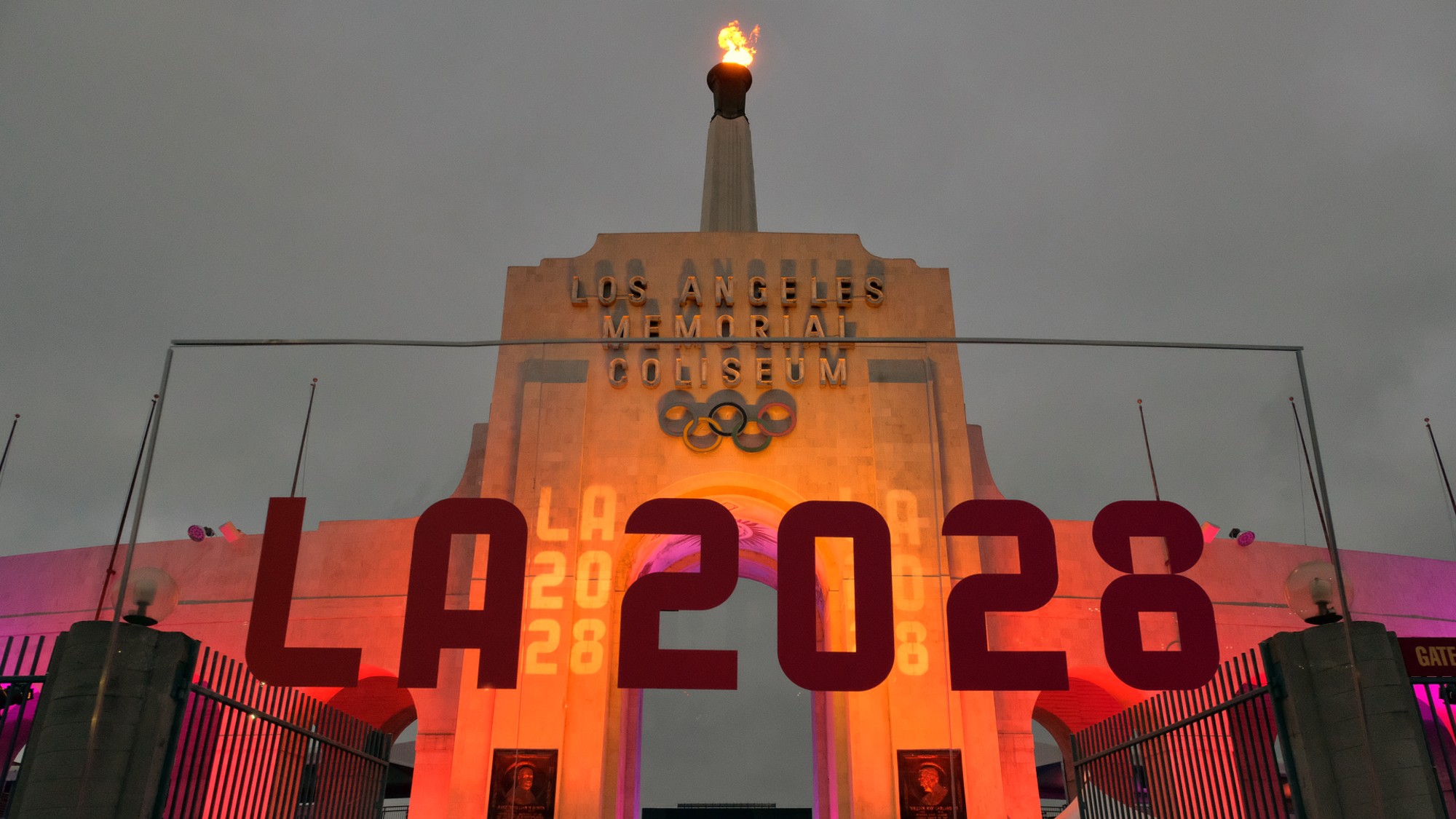
In a bold move to maximize the use of the Los Angeles Memorial Coliseum—an iconic venue that has hosted the Olympics twice before—Athletics will be held during the first week of competition. This shift allows the Coliseum to be the centerpiece of the Games immediately following the Opening Ceremony. From July 15 to July 21, the world’s fastest sprinters and elite field athletes will compete for gold. This early placement of track and field is expected to set a high-energy tone for the entire Olympic period.
Swimming in Week Two
Swimming, which usually serves as the opening week's headline event, will move to the second week of the Games, specifically from July 23 to July 30. This change was necessitated by the venue choice. Swimming will take place at SoFi Stadium in Inglewood. By moving swimming to the second week, the stadium—which will also host portions of the Opening Ceremony—can be converted into the world's largest indoor swimming venue, with a seating capacity of approximately 38,000. This conversion process is a technical marvel of modern engineering, requiring a temporary pool to be constructed over the existing football field.
Middle-Period Crossovers
The middle of the Games (July 20–24) will see a massive influx of medal events across multiple disciplines. Gymnastics, which remains one of the most-watched Olympic events, is scheduled for the first half of the Games at the Downtown Los Angeles cluster. Meanwhile, team sports like basketball and soccer will span the entire duration, with group stages beginning even before the Opening Ceremony to accommodate the mandatory rest periods for athletes.
New Sports and Discipline Debuts for 2028
The International Olympic Committee (IOC) has approved five additional sports for the Los Angeles 2028 program. These additions are designed to reflect the culture of the host city and the evolving interests of a global audience. The inclusion of these sports affects the overall event count and the distribution of medals throughout the schedule.
- Cricket (T20): Making its first Olympic appearance since 1900, Cricket returns in the Twenty20 format. This inclusion is a strategic move to engage the massive South Asian audience and the growing American cricket community.
- Flag Football: This non-contact version of American football will make its Olympic debut. As a sport deeply rooted in Southern California culture, it is expected to be a major draw for domestic audiences.
- Lacrosse (Sixes): Lacrosse returns to the Olympic stage in the "Sixes" format, a faster, more compact version of the game. This sport holds deep historical significance in North America.
- Squash: After years of campaigning, Squash has finally been included in the Olympic program. The high-intensity racquet sport will likely be held in a glass-court arena within one of the major urban clusters.
- Baseball/Softball: These sports return to the program after being left out of the Paris 2024 Games. Given the popularity of the MLB and the success of the US national softball team, these events are anticipated to be sell-outs.
The scheduling for these new sports is being finalized in 2026. Softball, notably, will be held in Oklahoma City rather than Los Angeles to utilize the existing world-class facilities at Devon Park, showcasing the first major "satellite" venue arrangement in Summer Olympic history.
Regional Clusters and Iconic Venues
The 2028 Olympics are organized into several "clusters" across Southern California to minimize travel for athletes and maximize the use of existing facilities. Understanding these clusters is essential for following the schedule and eventually accessing results by venue.
The Downtown Cluster
This is the heart of the Games. The Los Angeles Memorial Coliseum will host Athletics, while Crypto.com Arena (formerly Staples Center) will be the home for Gymnastics. The Galen Center at USC is designated for Badminton, and the Los Angeles Convention Center will host several sports, including Fencing, Table Tennis, and Taekwondo. Results from this cluster will likely dominate the early medal counts.
The South Bay Cluster
Located in Carson and Inglewood, this cluster focuses on high-capacity venues. SoFi Stadium will host the Swimming events and the Opening Ceremony. The Dignity Health Sports Park will be a hub for Rugby Sevens, Modern Pentathlon, and Tennis. The newly constructed Intuit Dome is the designated venue for Basketball, providing a state-of-the-art environment for both the men’s and women’s tournaments.
The Valley Cluster
The San Fernando Valley will host several outdoor disciplines. The Sepulveda Basin Recreation Area is slated for Equestrian events, Shooting, and the debut of Flag Football. This cluster utilizes expansive green spaces, providing a different atmosphere from the urban stadium environments.
The Long Beach Cluster
Coastal events will find their home in Long Beach. This includes Sailing, Marathon Swimming, and Triathlon. The Long Beach Convention & Entertainment Center will also host Water Polo, utilizing temporary pools in a similar fashion to the swimming venue at SoFi.
Tracking Results and the Medal Tally Structure
While the Games have not yet commenced as of 2026, the systems for tracking results are already in development. The official LA28 website and the IOC’s Olympic portal will serve as the primary sources for real-time data.
Live Results Infrastructure
During the 17 days of competition, results will be updated every second via the Olympic Data Feed (ODF). This system transmits scores, timing, and officiating decisions to global broadcasters and digital platforms simultaneously. For individual sports like Swimming and Athletics, fans will have access to "heat sheets" and "live splits," allowing for a deep dive into athlete performance.
The Medal Table Hierarchy
The official Olympic Medal Table ranks National Olympic Committees (NOCs) primarily by the number of Gold medals won. If Gold counts are tied, Silver medals are the tie-breaker, followed by Bronze. In 2028, the United States, China, and Great Britain are expected to be the top contenders, but the inclusion of Cricket and Squash may significantly boost the standings of nations like India and Egypt.
Verification of Results
It is important to note that results are considered "provisional" immediately following an event. They only become "official" after the completion of post-event drug testing and the resolution of any potential appeals through the Court of Arbitration for Sport (CAS). In 2028, digital "flash results" will be available within seconds of a finish, but the formal medal ceremony results are the definitive records.
Logistics for Spectators: Transportation and Tickets
Planning for the 2028 schedule involves more than just knowing when events occur; it requires understanding the logistics of a "car-free" Games. Los Angeles is undergoing a massive public transit expansion (the "Twenty-eight by '28" initiative) to ensure fans can reach venues without relying on the city's notorious freeway system.
Ticketing Phases
As of 2026, the general public ticketing portal has not yet opened. The expected rollout for tickets is as follows:
- Late 2026: Launch of the official supporter registration program.
- 2027: First phase of the global ticket lottery (multi-sport packages).
- Early 2028: Single-session tickets and remaining inventory release.
Transportation and Accessibility
The LA28 committee has emphasized that there will be no spectator parking at most Olympic venues. Instead, a dedicated "Olympic Bus Network" will supplement the existing Metro rail lines. Schedule results for individual sessions will be synced with transit apps, providing fans with real-time updates on the best routes to reach their events based on current competition status.
| Sport Category | Proposed Dates | Primary Venue | Expected Capacity |
|---|---|---|---|
| Athletics | July 15 – July 21 | LA Memorial Coliseum | 77,500 |
| Swimming | July 23 – July 30 | SoFi Stadium | 38,000 |
| Gymnastics | July 15 – July 23 | Crypto.com Arena | 18,000 |
| Basketball | July 15 – July 30 | Intuit Dome | 18,000 |
| Cricket (T20) | July 16 – July 28 | Sepulveda Basin | 15,000 (temp) |
| Soccer (Finals) | July 28 – July 30 | Rose Bowl Stadium | 92,000 |
| Beach Volleyball | July 15 – July 30 | Santa Monica Beach | 12,000 (temp) |
Current Progress: Where LA28 Stands in 2026
With two years remaining until the Opening Ceremony, the "Complete Schedule" is largely solidified in terms of dates and sports, but the specific athlete qualification periods are currently the focus of the sporting world. International Federations (IFs) are in the process of defining the entry standards for 2028.
As of early 2026, the venue plan for Oklahoma City has been fully integrated into the master schedule. The decision to move Softball and Canoe Slalom to Oklahoma was a pragmatic response to the high cost of building temporary venues in Los Angeles that would have no long-term use. This move highlights the sustainability focus of the 2028 Games.
Construction updates for 2026 indicate that no major stadiums are being built specifically for the Games, but significant renovations are underway at the Coliseum and the various Long Beach piers to accommodate Olympic standards. The results of these renovations will be tested in late 2027 during "Test Events," which serve as a dress rehearsal for the actual Olympic competition.
FAQ: Common Questions About the 2028 Summer Olympics
When will the final day-by-day competition schedule be released?
The high-level sport schedule (which sports happen on which days) is available now in 2026. However, the specific "session schedule"—listing exactly what time each heat, semi-final, and final occurs—is scheduled for release in the second half of 2027. This follows the finalization of broadcasting agreements and qualification numbers.
Are the 2028 Olympics really "car-free"?
Yes, the organizing committee has committed to a "car-free" Games for spectators. This means that for almost all venues, there will be no public parking available. Spectators will be required to use the LA Metro, the dedicated Olympic Bus Network, or active transportation like cycling and walking to reach the events.
How many sports will be featured in the 2028 Summer Olympics?
There are currently 35 sports confirmed for the 2028 program. This includes the 28 "core" Olympic sports, the return of Baseball/Softball, and the five newly added sports (Cricket, Flag Football, Lacrosse, Squash). This makes LA28 one of the most diverse Olympic programs in history.
Where can I find the most up-to-date results once the Games begin?
The most reliable source for results will be the official LA28 mobile app and the Olympics.com website. These platforms provide official timing data directly from the field of play. Major sports news outlets will also carry live medal tables, but for the fastest "heat" results and official brackets, the primary Olympic platforms are recommended.
Why are some events being held in Oklahoma City?
Softball and Canoe Slalom are being held in Oklahoma City to utilize existing, world-class facilities that meet international competition standards. Los Angeles did not have a permanent canoe slalom venue, and rather than building a temporary one at a high cost, the committee chose to use the high-performance center in Oklahoma to ensure the best conditions for athletes and fiscal responsibility.
Practical Recommendations for Fans
If you are planning to attend or closely follow the 2028 Summer Olympics, your next steps in 2026 should focus on registration and information gathering. Register for an official account on the LA28 website to receive direct alerts regarding the ticket lottery, which is the only way to secure high-demand seats for events like the Athletics finals or the Opening Ceremony. Additionally, if you plan to travel to Southern California, monitor the "Twenty-eight by '28" transit projects, as staying near a Metro rail line will be the most effective way to navigate the city during the 17-day Olympic window.