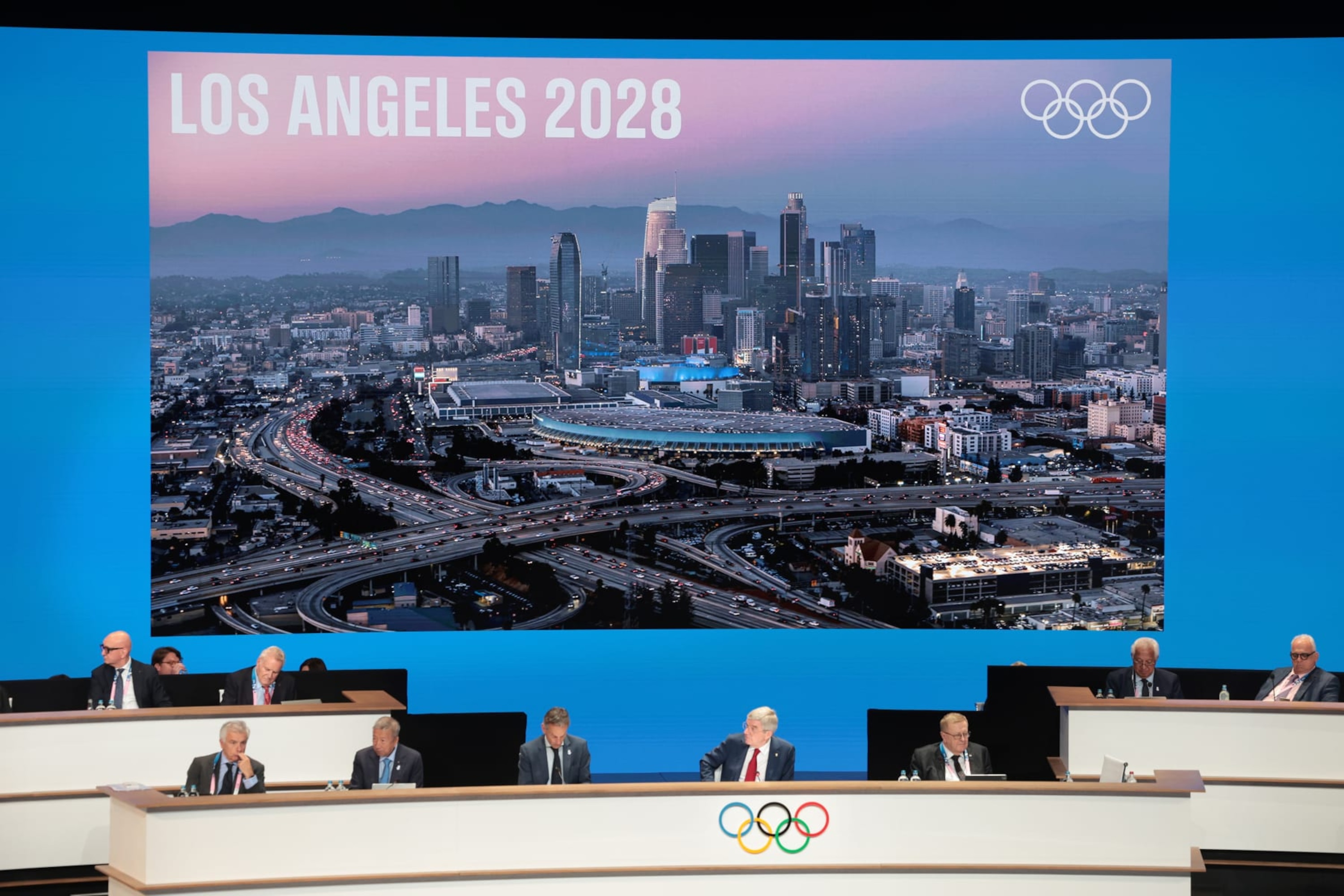
The 2028 Summer Olympics, officially known as the Games of the XXXIV Olympiad and branded as LA28, will take place in Los Angeles, California, from July 14 to July 30, 2028. This marks the third time the city will host the Games, featuring a unique "no new permanent venues" construction policy and the introduction of several high-profile sports.
Strategic Scheduling and Key Competition Dates
The 2028 Summer Olympics are scheduled to begin with the Opening Ceremony on Friday, July 14, 2028. This marks the earliest start date for a Summer Games in recent history, designed to maximize the summer window and accommodate the complex logistics of the Southern California region. The competition will run through Sunday, July 30, 2028, followed by the Paralympic Games, which are scheduled for August 15 through August 27, 2028.
As we move through 2026, the specific day-by-day competition schedule is undergoing final refinements by the Los Angeles Organizing Committee for the Olympic and Paralympic Games (LA28) and the International Olympic Committee (IOC). Traditionally, swimming and gymnastics dominate the first week, while track and field (athletics) takes center stage during the second week. However, the 2028 Games may feature adjusted scheduling to accommodate the massive venue clusters spread across the Los Angeles basin and beyond.
The early announcement of these dates has allowed the city and private sectors to begin "Games-time" planning nearly a decade in advance. For spectators, these dates are fixed, and travel planning should center around this 17-day window.
A New Philosophy: The "No New Venues" Mandate
One of the most significant aspects of the 2028 Summer Olympics is the commitment to sustainability and fiscal responsibility through a "radical reuse" strategy. Unlike previous host cities that invested billions in "white elephant" stadiums that fell into disrepair after the Games, Los Angeles is utilizing a 100% existing or temporary venue model.
Primary Venue Clusters
The Games will be organized into several geographic clusters to reduce athlete travel time and concentrate security resources:
- Downtown Sports Park: Centered around the historic LA Memorial Coliseum and the BMO Stadium. The Coliseum, which hosted the 1932 and 1984 Games, will once again host athletics. The Crypto.com Arena (formerly Staples Center) will be the home for gymnastics.
- Valley Sports Park: Located in the San Fernando Valley, this cluster will host sports such as BMX racing, mountain biking, and skateboarding at the Sepulveda Basin Recreation Area.
- South Bay Sports Park: Centered in Carson at the Dignity Health Sports Park, this area will host tennis, field hockey, and track cycling.
- Long Beach Sports Park: The waterfront will host marathon swimming, triathlon, sailing, and water polo.
Notable Venue Innovations
The 2028 Games will utilize some of the most technologically advanced sports facilities in the world. SoFi Stadium in Inglewood, the most expensive stadium ever built, will play a dual role. It is slated to host the Opening and Closing Ceremonies alongside the historic Coliseum, and it will also be transformed into the largest swimming venue in Olympic history, with temporary pools constructed on the stadium floor.
Furthermore, the Intuit Dome, the new home of the LA Clippers, will host basketball, while UCLA will serve as the Olympic Village. Using university housing for the athletes eliminates the need to build a dedicated residential complex, a major cost-saving measure that ensures the athletes are housed in world-class facilities.
The 2028 Sports Program: New and Returning Events
The IOC has approved a dynamic sports program for LA28 that blends traditional Olympic staples with sports that hold significant cultural weight in the United States and global growth potential.
In October 2023, the IOC officially added five sports to the LA28 program:
- Flag Football: Making its Olympic debut, this non-contact version of American football is expected to be a major draw for domestic audiences.
- Squash: After decades of campaigning, squash will finally join the Olympic program in 2028.
- Cricket (T20): Returning to the Olympics for the first time since 1900, the T20 format is designed to appeal to the massive South Asian market and global cricket enthusiasts.
- Lacrosse (Sixes): A sport with deep North American indigenous roots, lacrosse returns in a fast-paced "sixes" format.
- Baseball/Softball: These sports return to the program after being excluded from Paris 2024, reflecting their immense popularity in the US, Japan, and Latin America.
These additions come at the expense of "Breaking" (breakdancing), which was featured in Paris 2024 but will not return for 2028. The core program remains robust, with 28 sports confirmed, including the return of Modern Pentathlon (now featuring an obstacle course instead of equestrian) and Weightlifting, both of which faced scrutiny but were ultimately retained.
Logistics: The "Car-Free" Games Initiative
Los Angeles is a city synonymous with traffic congestion. To address this, the LA28 organizing committee and local government officials have committed to a "Car-Free Games" goal. This ambitious plan relies heavily on the "Twenty-eight by '28" initiative led by the Los Angeles County Metropolitan Transportation Authority (Metro).
Public Transit Expansion
By the time the Games begin in 2028, several major rail projects are expected to be operational:
- The D Line (Purple Line) Extension: This will provide a direct subway link from Downtown LA to the Olympic Village at UCLA and the Westwood area.
- The K Line Extension: Improving north-south connectivity and providing better access to the Inglewood cluster (SoFi Stadium/Intuit Dome).
- The LAX People Mover: While delayed in previous years, it is expected to be fully functional, streamlining the arrival process for international visitors.
Spectator Mobility
Spectators will be strongly encouraged—and in some cases, required—to use public transit or dedicated "Olympic Shuttles" to reach venues. Many venue perimeters will be closed to private vehicle traffic, and ride-share drop-off zones will be managed to prevent gridlock. For visitors, purchasing a "TAP" card or using the mobile app for Los Angeles Metro will be the primary requirement for navigating the city during the 17-day event.
Economic and Cultural Impact on Southern California
Unlike many modern Olympics, LA28 is funded primarily through private sources, including domestic sponsorships, ticket sales, and IOC contributions. The budget, currently estimated at nearly $7 billion, includes a significant "contingency fund" to protect taxpayers.
The LA28 Legacy
A cornerstone of the 2028 legacy is the PlayLA initiative. As part of the host city agreement, the IOC agreed to provide $160 million in funding for youth sports programs in Los Angeles ahead of the Games. This "up-front" legacy has been active since 2021, providing subsidized access to sports for children across the city, ensuring the community benefits long before the first torch is lit.
International Tourism
Los Angeles expects several million unique visitors during the summer of 2028. This influx will have a massive impact on the hospitality and service sectors. Hotels from Santa Monica to Anaheim are expected to reach 100% occupancy. Travelers are advised to monitor the official LA28 website for accommodation partnerships and authorized ticketing information as the 2027-2028 window approaches.
Comparing LA 1984 and LA 2028
The 1984 Los Angeles Games are often cited as the only modern Olympics to turn a significant profit. The 2028 Games aim to replicate this success by following a similar venue-usage blueprint while scaling for the 21st century.
| Feature | 1984 Summer Olympics | 2028 Summer Olympics (Projected) |
|---|---|---|
| Main Stadium | LA Memorial Coliseum | LA Memorial Coliseum & SoFi Stadium |
| Number of Sports | 21 | 35+ |
| Athletes | ~6,800 | ~10,500+ |
| New Venues Built | Minimal (Velodrome, Swim Stadium) | Zero Permanent |
| Athlete Housing | USC & UCLA Dormitories | UCLA Dormitories |
| Primary Funding | Private Sponsorships/TV Rights | Private Sponsorships/TV Rights |
| Key Tech | Analog Broadcast / Early Pagers | 5G/6G Connectivity, AI Officiating |
Frequently Asked Questions
When can I buy tickets for the 2028 Olympics?
Official ticket sales typically begin approximately 18 to 24 months before the Opening Ceremony. As of mid-2026, the general public can sign up for newsletters and "expressions of interest" on the official LA28 website. A tiered lottery system is expected to manage high-demand events like the 100m sprint finals and the Opening Ceremony.
Why are some events being held in Oklahoma City?
In a move to maximize the use of existing facilities and reduce costs, the LA28 committee announced that Softball and Canoe Slalom will be held in Oklahoma City. Oklahoma City boasts world-class, Olympic-standard venues for these specific sports (Devon Infrastructure and Riversport OKC) that Los Angeles lacks. Moving these events prevents the need to build temporary or permanent structures in California that would have no post-Games use.
Will the 2028 Olympics affect LA traffic?
While the Games will undoubtedly increase the volume of people in the city, the "Car-Free" initiative aims to mitigate this by shifting spectators to rail and bus systems. Many local businesses are expected to implement remote-work policies during the two-week period to further reduce road congestion, similar to the strategy used in 1984.
What is the official mascot for LA28?
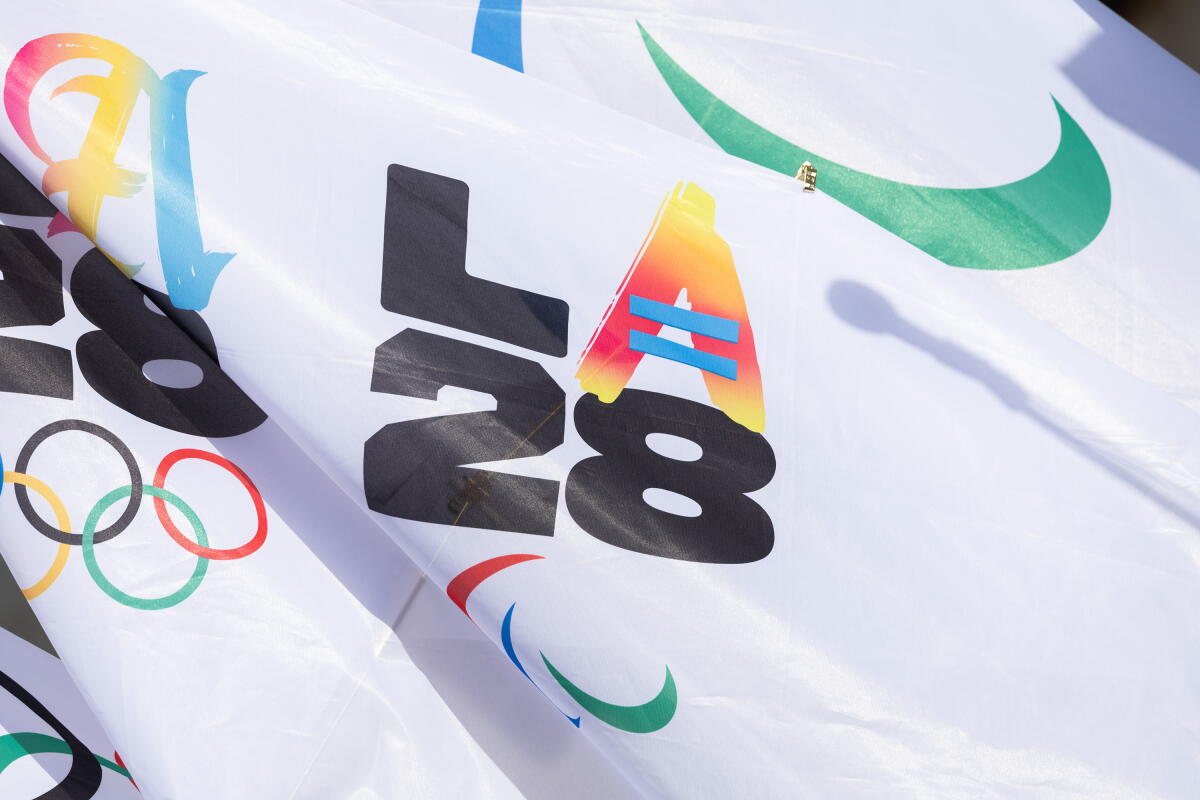
As of 2026, the official mascot has not yet been unveiled. Traditionally, mascots are revealed about two years before the Games. The LA28 branding, however, is already famous for its "dynamic A," a logo that features a constantly changing letter "A" designed by different athletes, artists, and celebrities to represent the diversity of Los Angeles.
How can I volunteer for the 2028 Olympics?
The volunteer application portal is expected to open in late 2027. The Games will require approximately 50,000 to 70,000 volunteers to assist with everything from guest services to media operations and athlete transport. Applicants usually must be at least 18 years old by the time the Games begin.
Preparing for Your Visit to LA28
If you are planning to attend the 2028 Summer Olympics, the current priority (as of 2026) is logistical awareness. Because the Games utilize existing infrastructure, the "Olympic footprint" is large. Unlike a "compact" Games where everything is in a single park, LA28 will require significant travel between clusters.
- Monitor the Metro Maps: Familiarize yourself with the LA Metro rail map. Choosing accommodations along the D (Purple) or E (Expo) lines will provide the most efficient access to the highest number of venues.
- Verify Official Sources: Only purchase tickets or hospitality packages through official LA28 channels or authorized resellers. The IOC and LA28 will publish a list of authorized ticket providers to prevent fraud.
- Plan for the Heat: July in Southern California can be intensely hot, particularly in the San Fernando Valley cluster. Prepare for outdoor venues with sun protection and hydration strategies, as many "fan zones" will be outdoors.
- Register Early: If you are a resident of Los Angeles, stay informed about "Community Zones" and local traffic impacts by registering with the city’s Olympic liaison office.
The 2028 Summer Olympics represent a pivotal moment in sports history, aiming to prove that a mega-event can be both globally spectacular and locally sustainable. By leveraging the existing glitz and infrastructure of the "Entertainment Capital of the World," Los Angeles is poised to deliver a Games that is uniquely American and universally inclusive.