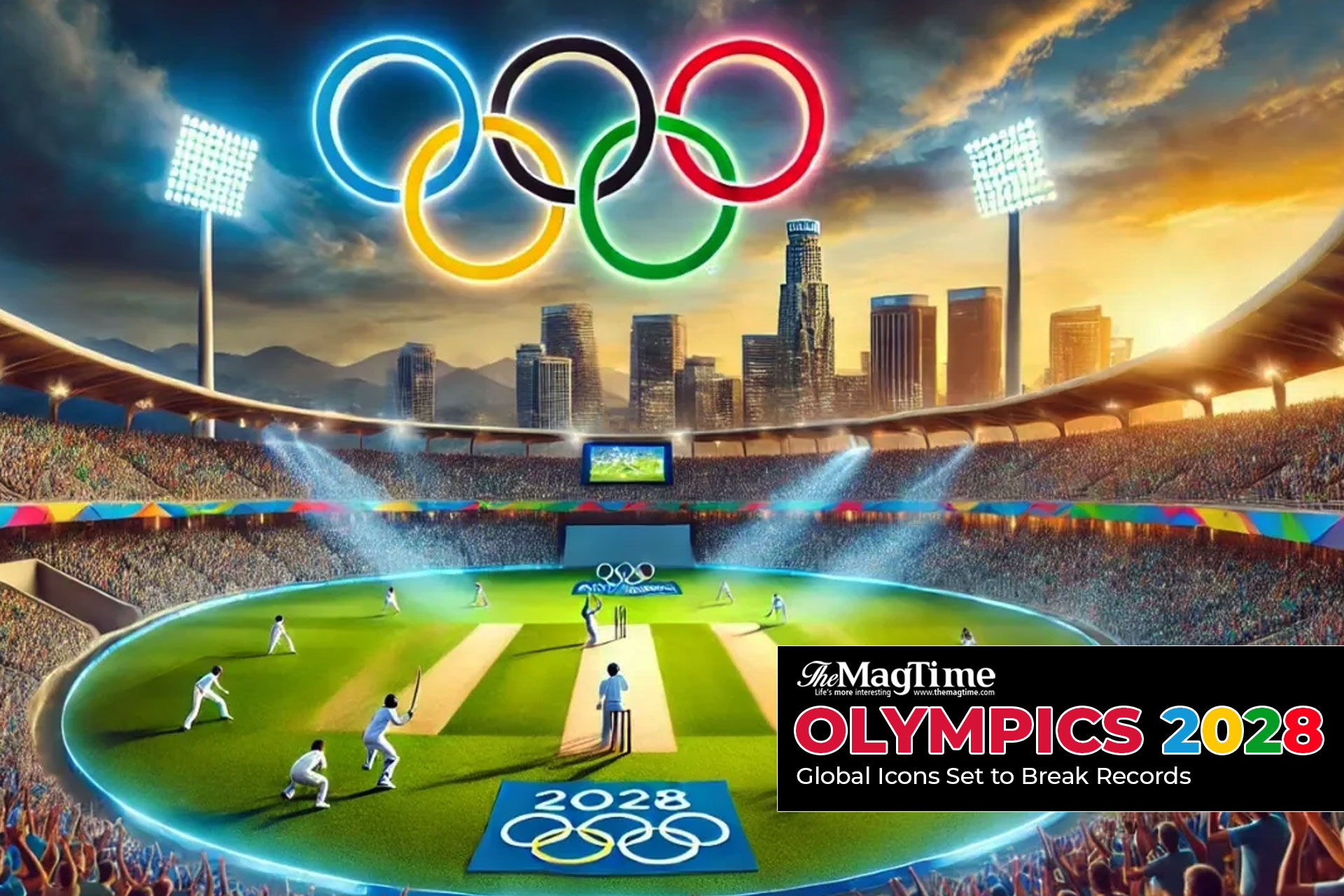
The 2028 Summer Olympics, officially known as the Games of the XXXIV Olympiad or LA28, will be held in Los Angeles, California, from July 14 to July 30, 2028. As of 2026, preparations are entering their final operational phase, focusing on a "no new permanent venues" policy and a massive expansion of the city’s public transportation network to accommodate millions of international visitors.
The return of the Olympic Games to Los Angeles marks the third time the city has hosted (following 1932 and 1984), making it the first American city to achieve this milestone. For spectators, athletes, and residents, the 2028 Games represent a shift toward a more sustainable, privately funded model of hosting. With the event now just two years away, understanding the logistical layout, sport additions, and ticketing timelines is essential for anyone planning to participate in or attend this global event.
The Venue Strategy: A "No New Venues" Approach
One of the most defining characteristics of the 2028 Olympics is the commitment to sustainability through the use of existing infrastructure. Unlike previous host cities that invested billions in "white elephant" stadiums that often fell into disuse, Los Angeles is leveraging its status as a global sports capital.
The organizing committee has designated several "Sports Parks" to cluster events, minimizing travel time for athletes and maximizing the fan experience.
The Downtown Sports Park
Centered around the historic Los Angeles Memorial Coliseum and the Crypto.com Arena, this cluster will host track and field, gymnastics, and basketball. The Coliseum will achieve the unique distinction of hosting track and field events for three different Olympic Games (1932, 1984, and 2028).
The Valley Sports Park
Located in the San Fernando Valley, the Sepulveda Basin Recreation Area will be transformed into a temporary hub for youth-oriented and high-energy sports. This includes BMX racing, skateboarding, and archery. By using temporary structures, the organizers avoid permanent environmental impacts on the local parklands while bringing the Olympic spirit to one of the city's most populous regions.
The South Bay and Long Beach Sports Parks
The Dignity Health Sports Park in Carson will serve as a primary hub for tennis, field hockey, and rugby sevens. Meanwhile, Long Beach will utilize its waterfront for sailing, marathon swimming, and triathlon. The use of the Long Beach Convention Center and the surrounding coastal areas demonstrates the Games' ability to integrate with the natural geography of Southern California.
The Westside Cluster
The Rose Bowl in Pasadena will host soccer matches, continuing its legacy as one of the world's premier football venues. Perhaps most impressively, SoFi Stadium (referred to as the Los Angeles Stadium at Hollywood Park during the Games) will be configured to host swimming events. This requires a massive engineering feat to install an Olympic-sized pool within a stadium designed for American football, creating a record-breaking seating capacity for swimming fans.
New and Returning Sports for LA28
The International Olympic Committee (IOC) and the LA28 Organizing Committee have introduced several sports that reflect both global trends and American sporting culture. These additions are designed to attract a younger audience and leverage existing facilities in the United States.
- Cricket (T20): After a 128-year absence, cricket returns to the Olympic program. The T20 format's brevity makes it ideal for a multi-sport tournament. Its inclusion is a strategic move to engage the massive South Asian audience and the growing American cricket community.
- Flag Football: Making its Olympic debut, flag football showcases a non-contact version of American football. This inclusion highlights the NFL's partnership with the Games and the sport's rapid international growth.
- Squash: After decades of campaigning, squash has finally been added to the Olympic roster. It will provide a high-intensity racket sport that is easily broadcast and requires a minimal footprint.
- Lacrosse (Sixes): Originating from Indigenous North American traditions, lacrosse returns in the "Sixes" format. This faster, more compact version of the game is designed to fit the Olympic schedule while honoring the sport's roots.
- Baseball and Softball: These sports return to the program after being left out of the 2024 Paris Games. Given the deep professional and collegiate roots of baseball and softball in the U.S., these events are expected to be among the most popular and highly attended.
Transportation and the "Transit First" Initiative
Los Angeles is famously car-centric, which presents a significant challenge for an event expected to draw over 15 million ticketed fans. To combat this, the city is implementing the "Twenty-eight by '28" initiative—a plan to complete 28 major transit projects before the opening ceremony.
The goal is to provide a "Transit First" experience where spectators are encouraged (and in some cases, required) to use public transportation to reach venues. This includes:
- Metro Rail Expansions: Significant extensions of the D Line (Purple Line) to the Westside and improvements to the K Line (Crenshaw/LAX) to better connect the airport to the venue clusters.
- Bus Rapid Transit (BRT): Dedicated bus lanes will be established to ferry fans between the various Sports Parks, bypassing traditional L.A. traffic.
- The "First Mile/Last Mile" Strategy: Improving bike lanes, pedestrian walkways, and micro-mobility options (scooters/bikes) around major transit hubs to ensure seamless travel.
Visitors in 2028 should expect "car-free" zones around major venues like the Coliseum and SoFi Stadium, with parking being extremely limited and expensive. Relying on the LA Metro will be the most efficient way to navigate the city during the 17-day event.
Key Differences: Comparing LA28 with Previous Games
Understanding how LA28 differs from recent Olympics like Paris 2024 or previous U.S. Games (Atlanta 1996) helps in managing expectations for the fan experience.
| Feature | Paris 2024 | Los Angeles 2028 |
|---|---|---|
| Main Stadium | Stade de France | LA Memorial Coliseum / SoFi Stadium |
| New Venues Built | Minimal (Aquatics Center) | Zero (Permanent) |
| New Sports Added | Breaking | Flag Football, Squash, Cricket, Lacrosse |
| Opening Ceremony | River Seine (Outdoor) | Dual Venue (Coliseum & SoFi Stadium) |
| Funding Model | Public/Private Mix | Almost Entirely Privately Funded |
| Athlete Village | Purpose-built in Saint-Denis | UCLA Campus (Existing Housing) |
Ticketing and Volunteering: What to Do in 2026
As of 2026, we are in the "Engagement Phase" of the LA28 lifecycle. While individual event tickets are not yet on sale for the general public, there are critical steps you must take now to ensure access.
1. Register for the Fan Database
The official LA28 website has launched its primary registration portal. By signing up now, you gain priority access to information regarding the ticket lottery. Historically, Olympic tickets are sold through a randomized draw system to manage high demand. Being in the database early is the only way to participate in these initial rounds.
2. Hospitality Packages
In 2026, "On Location," the official hospitality provider for the Olympics, will begin releasing premium packages. These often include guaranteed tickets to high-demand events (like the Opening Ceremony or Basketball finals) along with luxury accommodation and transport. These are sold on a first-come, first-served basis and do not require a lottery.
3. The Volunteer Program
The LA28 volunteer application portal is expected to open in late 2026 or early 2027. The Games require approximately 50,000 volunteers to assist with everything from athlete transport to media relations. Competition for these spots is fierce, and preference is often given to those with previous event experience or specific language skills.
Economic and Environmental Sustainability
The LA28 organizers have been vocal about their "radical reuse" philosophy. By using the UCLA campus as the Olympic Village and the USC campus as the Media Village, the city avoids the multibillion-dollar cost of constructing new housing complexes. This allows the budget—currently estimated at approximately $7 billion—to be directed toward operations and local legacy programs.
A key part of this legacy is the PlayLA initiative, which is already active in 2026. Funded by a $160 million investment from the IOC and LA28, this program provides subsidized youth sports programming throughout Los Angeles. The goal is to ensure that the impact of the Games is felt by the local community long before the first torch is lit.
Frequently Asked Questions
What are the exact dates for the 2028 Olympics?
The Summer Olympic Games will run from July 14 to July 30, 2028. Following this, the Paralympic Games will take place from August 15 to August 27, 2028. These dates were chosen to align with the traditional summer vacation period in the United States, ensuring maximum availability for venues like UCLA and USC.
Where can I buy official LA28 tickets?
Tickets will only be available through the official LA28 ticketing portal and authorized resellers. As of 2026, sales have not started, but you should register on the official LA28 website to receive notifications for the 2027 lottery. Avoid any third-party websites claiming to sell tickets early, as these are often fraudulent.
Will I need a car to get around during the Olympics?
It is strongly recommended that you do not use a car. The city is planning "transportation malls" and dedicated Olympic lanes that prioritize buses and shuttles. Many venue perimeters will be closed to private vehicles. The LA Metro will be the primary artery for spectator movement.
Which new sports are being added to LA28?
The five added sports are Flag Football, Cricket (T20), Squash, Lacrosse (Sixes), and Baseball/Softball. These were proposed by the LA28 Organizing Committee and approved by the IOC to reflect the sporting culture of the host nation and the evolving global sports landscape.
Is LA28 using the same stadium for the Opening Ceremony as 1984?
Yes and no. The 2028 Opening Ceremony will be a "dual-stadium" event. It will begin at the Los Angeles Memorial Coliseum (the 1932 and 1984 host) and culminate at SoFi Stadium in Inglewood. This innovative approach allows more fans to participate in the ceremony than ever before.
Next Actions for Prospective Attendees
If you are planning to attend the 2028 Olympics, your focus in 2026 should be on information gathering and financial planning. Start by creating an account on the official LA28 portal to ensure you are notified the moment the ticket lottery opens.
Furthermore, consider your accommodation options now. While hotels will not accept bookings this far in advance, researching neighborhoods like Culver City, Long Beach, and Downtown LA will help you understand which transit lines serve the sports you are most interested in. Setting a dedicated "Olympic Savings" fund is also advisable, as costs for hospitality and lodging are expected to surge as the 2028 date approaches.