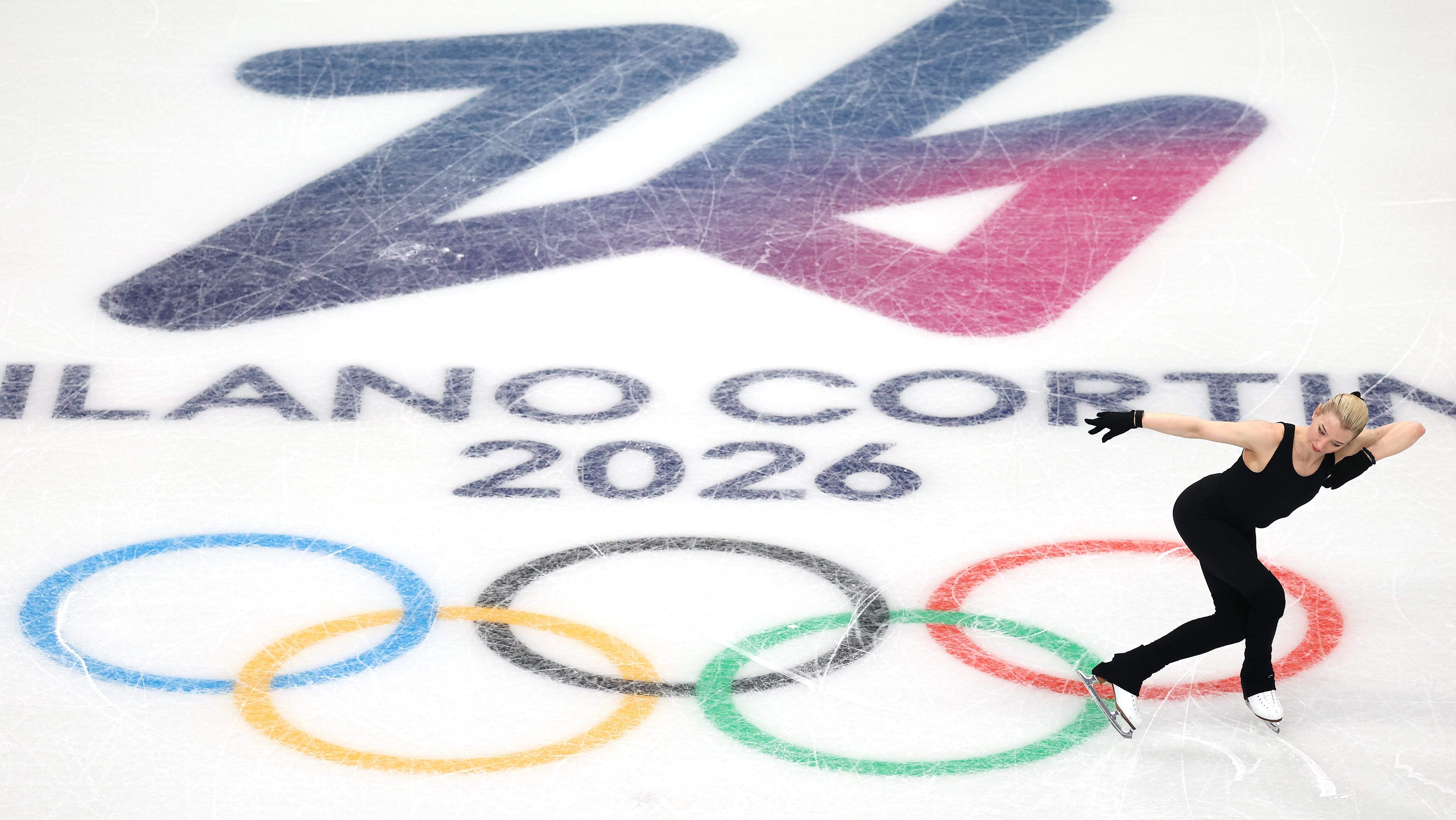
The 2026 Winter Olympics, officially known as Milano Cortina 2026, are scheduled to take place from February 6 to February 22, 2026. This landmark event marks the first time the Olympic Games are hosted across two major Italian host cities and multiple Alpine regions, emphasizing a sustainable, decentralized model for international multi-sport competitions.
A New Vision for the Winter Games: The Milano Cortina Model
The XXV Olympic Winter Games represent a fundamental shift in how the International Olympic Committee (IOC) approaches host city requirements. Following the "New Norm" reforms of Olympic Agenda 2020, Milano Cortina 2026 is designed to be the most sustainable and financially responsible Games in history. Rather than building massive new complexes that risk becoming "white elephants," the organizers have leveraged existing infrastructure across Northern Italy.
This multi-hub approach utilizes the cosmopolitan infrastructure of Milan and the legendary winter sports heritage of Cortina d'Ampezzo. By spreading events across the regions of Lombardy, Veneto, and the autonomous provinces of Trento and Bolzano, the 2026 Games maximize regional development while minimizing the environmental footprint. The distance between the main hubs—approximately 400 kilometers—is bridged by a sophisticated logistical network designed to move athletes, officials, and spectators through the heart of the Italian Alps.
The 2026 Games also hold historical significance as Italy's third time hosting the Winter Olympics, following Cortina d’Ampezzo in 1956 and Turin in 2006. This deep-rooted connection to winter sports ensures that the venues are not just temporary stages, but historic cathedrals of sport that have hosted World Cup events for decades.
Strategic Venue Clusters and Regional Distribution
The geography of the 2026 Winter Olympics is categorized into four primary clusters. Each cluster is specialized based on its existing facilities and environmental suitability for specific disciplines. This distribution ensures that each sport is held in an environment that meets international competitive standards while fostering local engagement.
The Milan Cluster: The Heart of Ice Sports
Milan serves as the urban core of the Games. As Italy’s financial and fashion capital, it provides the necessary hotel capacity and transport links for the massive influx of international visitors.
- San Siro Stadium: The legendary football stadium hosts the spectacular Opening Ceremony on February 6, 2026.
- PalaItalia Santa Giulia: This new, sustainable multipurpose arena serves as the primary venue for Men’s Ice Hockey.
- Assago Arena: Traditionally a concert and sports venue, it has been converted to host Figure Skating and Short Track Speed Skating.
- Rho Fiera Milano: The massive exhibition center serves as the International Broadcasting Center (IBC) and Main Press Center (MPC), alongside hosting several indoor training facilities.
The Cortina d’Ampezzo Cluster: Alpine Heritage
Known as the "Queen of the Dolomites," Cortina d’Ampezzo returns to the Olympic stage 70 years after its first Games. This cluster is the epicenter for outdoor mountain events and sliding sports.
- Olympia delle Tofane: One of the most famous runs in the FIS Alpine Ski World Cup, this venue hosts the Women’s Alpine Skiing events.
- Cortina Sliding Centre: After significant technical upgrades, this track hosts Bobsleigh, Skeleton, and Luge.
- Stadio Olimpico del Ghiaccio: The historic 1956 venue has been renovated to host Curling competitions, maintaining a direct link to the city's Olympic past.
The Valtellina and Val di Fiemme Clusters
These clusters represent the soul of Nordic and technical mountain sports.
- Stelvio Run (Bormio): Recognized as one of the most challenging downhill courses in the world, Bormio hosts the Men’s Alpine Skiing and the debut of Ski Mountaineering.
- Livigno: This high-altitude resort serves as the venue for Snowboarding and Freestyle Skiing.
- Val di Fiemme: This valley is the global headquarters for Nordic disciplines, featuring the Predazzo Ski Jumping Stadium and the Lago di Tesero Cross-Country Stadium.
Anterselva/Antholz: The Biathlon Stronghold
Located in the Bolzano province, the Südtirol Arena in Anterselva is arguably the most atmospheric biathlon venue in the world. It was chosen for its high altitude and reliable snow conditions, ensuring a world-class environment for the Biathlon competitions.
The Debut of Ski Mountaineering (SkiMo)
A significant development for the 2026 Winter Olympics is the official inclusion of Ski Mountaineering as a new Olympic sport. This addition reflects the IOC’s desire to include sports that are culturally relevant to the host region and have a growing global participation base.
Ski mountaineering involves athletes racing over mountainous terrain using both skiing and hiking techniques. The 2026 program features three specific events:
- Men’s Sprint
- Women’s Sprint
- Mixed Relay
The inclusion of SkiMo is particularly fitting for Italy, where the sport has a massive following and a long competitive history. The events will take place in the Bormio region, utilizing the steep, technical slopes of the Valtellina. The sprint course typically lasts about three minutes and requires athletes to transition quickly between skinning (uphill skiing), booting (carrying skis on backs), and downhill racing, making it a highly spectator-friendly and broadcast-ready discipline.
2026 Winter Olympics: Venue and Event Matrix
The following table summarizes the distribution of key sports across the various host regions, highlighting the technical specialization of each cluster.
| Sport | Cluster | Primary Venue | Capacity (Approx.) |
|---|---|---|---|
| Alpine Skiing (Men) | Valtellina | Stelvio Run, Bormio | 10,000+ |
| Alpine Skiing (Women) | Cortina | Olympia delle Tofane | 8,000 |
| Ice Hockey (Men) | Milan | PalaItalia Santa Giulia | 15,000 |
| Ice Hockey (Women) | Milan | Milan Hockey Arena | 7,000 |
| Figure Skating | Milan | Assago Arena | 12,000 |
| Biathlon | Anterselva | Südtirol Arena | 15,000 |
| Ski Jumping | Val di Fiemme | Giuseppe Dal Ben Stadium | 10,000 |
| Bobsleigh/Skeleton | Cortina | Cortina Sliding Centre | 5,000 |
| Ski Mountaineering | Valtellina | Bormio | 3,000 |
| Curling | Cortina | Stadio Olimpico del Ghiaccio | 2,500 |
Logistics, Transportation, and Spectator Experience
Attending the 2026 Winter Olympics requires more planning than previous single-city Games due to the geographic spread of venues. The Italian government and the Milano Cortina 2026 Organizing Committee have implemented a "Green Corridor" strategy to facilitate movement between the hubs.
Transportation Interconnectivity
The primary gateway for international visitors is Milan Malpensa (MXP) or Milan Linate (LIN). From Milan, high-speed rail links connect to Bolzano and Verona. To reach the mountain clusters like Cortina or Bormio, specialized "Olympic Shuttles" and enhanced regional bus networks have been established. Travelers are encouraged to use the official Milano Cortina 2026 app to book integrated transport tickets that combine rail and local mountain shuttles.
Accommodation Strategies
Due to the decentralized nature of the Games, spectators should book accommodation based on the specific sports they intend to watch.
- Milan: Best for Ice Hockey, Skating, and the Opening Ceremony.
- Cortina or San Candido: Best for Alpine Skiing, Sliding sports, and Curling.
- Livigno or Bormio: Best for Snowboarding, Freestyle Skiing, and SkiMo.
- Cavalese or Tesero: Best for Nordic combined and Cross-country skiing.
The organizing committee has worked with local tourism boards to prevent excessive price gouging, though booking through official IOC-sanctioned hospitality providers remains the most secure method for international fans.
Sustainability and Environmental Impact
Milano Cortina 2026 is the first Olympic event to be fully aligned with the requirements of the Paris Agreement on Climate Change. The project focuses on two main pillars: carbon neutrality and circular economy.
The Games utilize 92% existing or temporary facilities. For example, the Closing Ceremony will take place in the Verona Arena, a Roman amphitheater that is nearly 2,000 years old. This eliminates the need for a new stadium and provides a culturally incomparable backdrop. Furthermore, the Athletes' Village in the Porta Romana district of Milan is designed to be converted into high-quality student housing and social housing immediately following the Paralympic Games, ensuring a tangible social legacy for the city.
In the mountain regions, strict environmental protocols are in place to protect the Dolomite UNESCO World Heritage site. Water management for artificial snow production has been optimized through the use of dedicated reservoirs that collect meltwater, and energy used at all venues is sourced from 100% renewable Alpine hydroelectric plants.
Frequently Asked Questions
When do the 2026 Winter Olympics start and end?
The Games officially begin with the Opening Ceremony on February 6, 2026, and conclude on February 22, 2026. The Paralympic Winter Games will follow shortly after, running from March 6 to March 15, 2026.
Where is the Opening Ceremony of the 2026 Winter Olympics?
The Opening Ceremony is held at the San Siro Stadium (Stadio Giuseppe Meazza) in Milan. This marks a departure from traditional Olympic stadiums, as San Siro is one of the most iconic football venues in the world, with a capacity of approximately 75,000.
Which new sports are included in the 2026 program?
Ski Mountaineering (SkiMo) makes its Olympic debut in 2026. It features Men’s and Women’s sprint events and a Mixed Relay. Additionally, the program has seen updates to existing disciplines, including the addition of a Dual Moguls event in Freestyle Skiing.
How can I purchase tickets for Milano Cortina 2026?
Tickets must be purchased through the official Milano Cortina 2026 digital ticketing portal. To ensure fair access, the committee utilizes a centralized "make-your-own-package" system where fans can register for a draw to gain early access to purchase sessions.
Where will the 2026 Winter Olympics Closing Ceremony be held?
The Closing Ceremony will take place at the Arena di Verona. This historic Roman amphitheater provides an intimate and visually stunning setting for the transition of the Olympic flame to the next host city, French Alps 2030.
Recommendations for Attendees and Viewers
For those planning to attend the 2026 Winter Olympics, the most critical step is early logistical mapping. Because the venues are spread across 22,000 square kilometers of Northern Italy, you cannot easily commute between Milan and Cortina on the same day for different events. Focus your itinerary on one or two clusters to minimize travel time and maximize your experience of the local culture.
If you are viewing from home, familiarize yourself with the time zones (Central European Time). Many of the high-profile Alpine events in Bormio and Cortina are scheduled for the morning and early afternoon locally to take advantage of the best light and snow conditions, which typically translates to late-night or early-morning viewing in the Americas and late-evening viewing in Asia.
Finally, ensure you follow the official International Olympic Committee (IOC) channels for real-time updates on event schedules, as mountain weather in the Dolomites and Valtellina can lead to rapid changes in race timings.