The 2026 projections indicate a year of "structural normalization" characterized by global GDP growth stabilizing at approximately 2.9%, the successful anchoring of inflation within the 2% target for most G7 nations, and a decisive shift in artificial intelligence from experimental generative tools to autonomous agentic systems integrated into core industrial workflows.
Macroeconomic Outlook: Navigating the "New Normal"
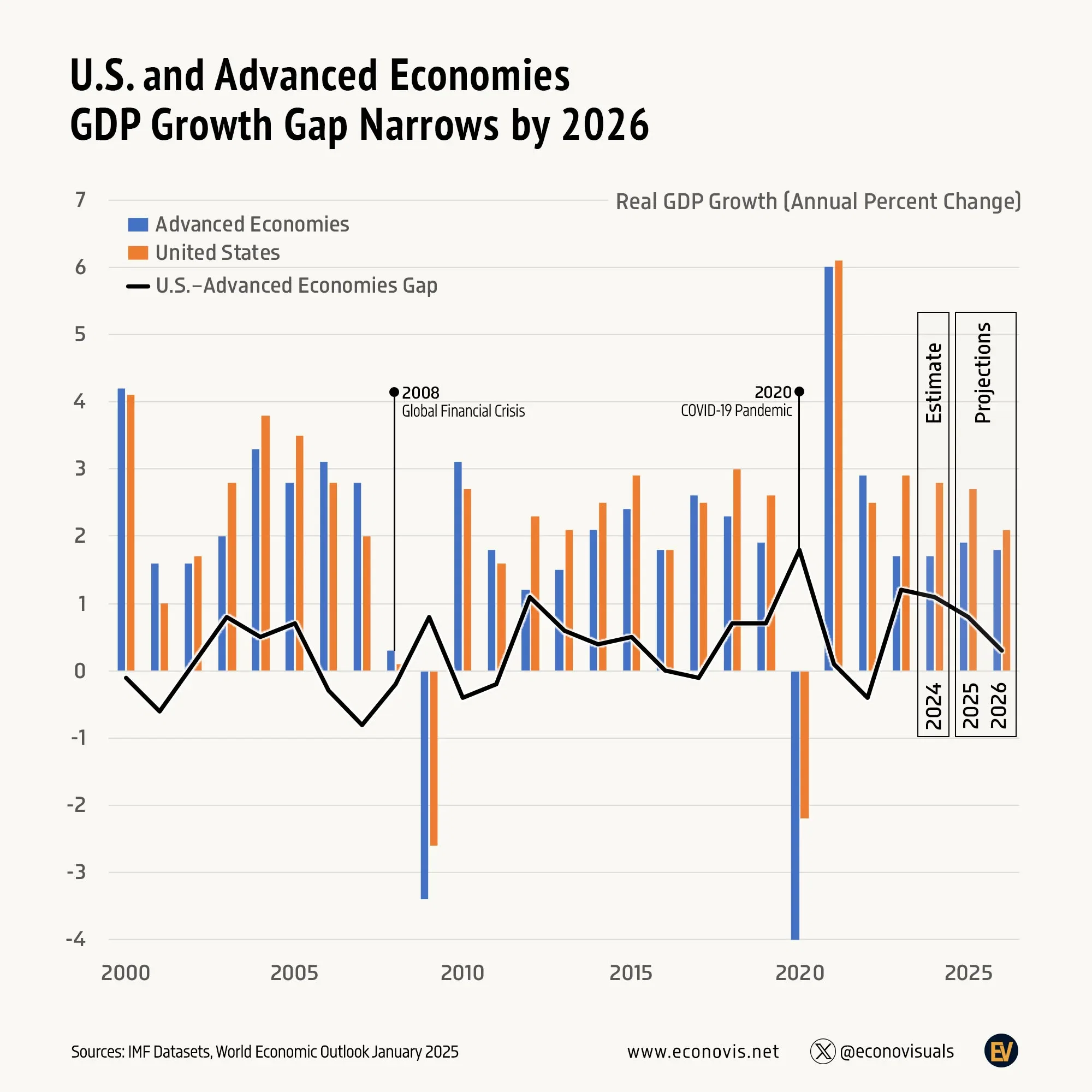
As we move through 2026, the global economy has largely moved past the post-pandemic volatility and the aggressive rate-hiking cycles of previous years. Projections from the International Monetary Fund (IMF) and the OECD suggest that the "soft landing" sought in 2024 and 2025 has solidified into a period of moderate, steady expansion. This stability is not without its nuances; while the risk of a global recession has receded to its lowest point in five years, the "New Normal" involves higher structural costs for capital compared to the 2010s.
Economists project that global inflation will average 3.3% across 2026, a significant cooling from the double-digit peaks seen earlier in the decade. This cooling has allowed central banks, including the Federal Reserve and the European Central Bank, to maintain a neutral policy stance. The focus in 2026 has shifted from fighting price surges to managing productivity growth. Productivity is expected to be the primary driver of GDP in 2026, as the massive capital investments in digital transformation made during 2023–2025 finally begin to yield measurable output gains.
Regional performance remains divergent. Emerging markets in Asia, particularly India and Vietnam, are projected to maintain growth rates above 6%, benefiting from the continued "China Plus One" supply chain diversification strategy. Meanwhile, the Eurozone is expected to see a modest recovery of 1.5%, bolstered by easing energy costs and a resurgence in manufacturing demand.
The Industrialization of Artificial Intelligence
The most significant technological projection for the remainder of 2026 is the transition from Generative AI (GenAI) to Agentic AI. While 2024 was the year of the chatbot and 2025 was the year of enterprise integration, 2026 is the year of autonomous execution. Projections show that 40% of enterprise applications now feature "AI Agents" capable of independent decision-making and cross-platform task execution.
Technical developments in 2026 are focused on three core areas:
- Small Language Models (SLMs): These models, optimized for edge devices, have reached the performance levels of 2024-era giant models while requiring 90% less power. This has led to a surge in AI-native hardware.
- Multimodal Reasoning: AI systems in 2026 no longer just process text or images; they possess a unified understanding of physical world physics and logical sequencing, which is revolutionizing robotics and automated logistics.
- Governance and Verification: With the full implementation of the EU AI Act and similar frameworks in the US and Asia, 2026 projections highlight a massive increase in "Compliance-as-a-Service" markets.
The economic impact of AI in 2026 is forecasted to contribute approximately $1.2 trillion to global GDP through labor augmentation and administrative efficiency. However, this shift is also driving a significant reallocation of corporate budgets from traditional software licensing toward compute-based credits and specialized AI infrastructure.
Global Energy Transition and Sustainability Milestones
Energy projections for 2026 reflect a critical inflection point in the transition to renewable sources. According to the International Energy Agency (IEA), 2026 will be the first year where renewable energy accounts for more than 37% of total global electricity generation. This shift is driven by the massive expansion of solar photovoltaic (PV) capacity and the stabilization of the wind power supply chain.
One of the most notable 2026 projections is the rapid scaling of Small Modular Reactors (SMRs). After years of pilot programs, several commercial SMR units are scheduled to come online late this year, providing a blueprint for carbon-free baseline power that can complement the intermittency of solar and wind. Furthermore, the battery storage market is projected to grow by 28% in 2026, as sodium-ion and solid-state battery technologies move from high-end niches into mid-market energy storage solutions.
The corporate landscape is also facing a "moment of truth" in 2026. Many of the 2030 sustainability pledges made during the 2020-2022 period have mid-point verification deadlines this year. This is driving intense investment in carbon capture, utilization, and storage (CCUS) technologies and transparent ESG (Environmental, Social, and Governance) reporting tools.
Labor Market Evolution and the Skills Gap
The labor market in 2026 is defined by a paradox: historically low unemployment in developed economies coupled with a widening skills gap. Projections indicate that by the end of 2026, over 50% of the global workforce will require some form of reskilling or upskilling to work alongside AI-integrated systems.
Key labor trends for 2026 include:
- Fractional Leadership: The rise of high-level professional services delivered on a project or part-time basis.
- The "Human-in-the-Loop" Requirement: As AI handles more routine cognitive tasks, the value of high-level human judgment, empathy, and complex problem-solving has seen a 15% wage premium in 2026 compared to 2024 levels.
- Remote Work 3.0: The debate over "return to office" has largely settled into a sophisticated hybrid model. 2026 projections suggest that 35% of knowledge-based roles are now "location agnostic," supported by advanced virtual presence technologies.
| Indicator | 2025 Actual (Est.) | 2026 Projection | Primary Driver |
|---|---|---|---|
| Global GDP Growth | 2.6% | 2.9% | Productivity gains from AI/Automation |
| Global Inflation | 4.2% | 3.3% | Supply chain normalization |
| AI Market Size | $280B | $420B | Transition to Agentic/Autonomous systems |
| Renewable Energy Share | 33% | 37.5% | Solar capacity and grid storage scaling |
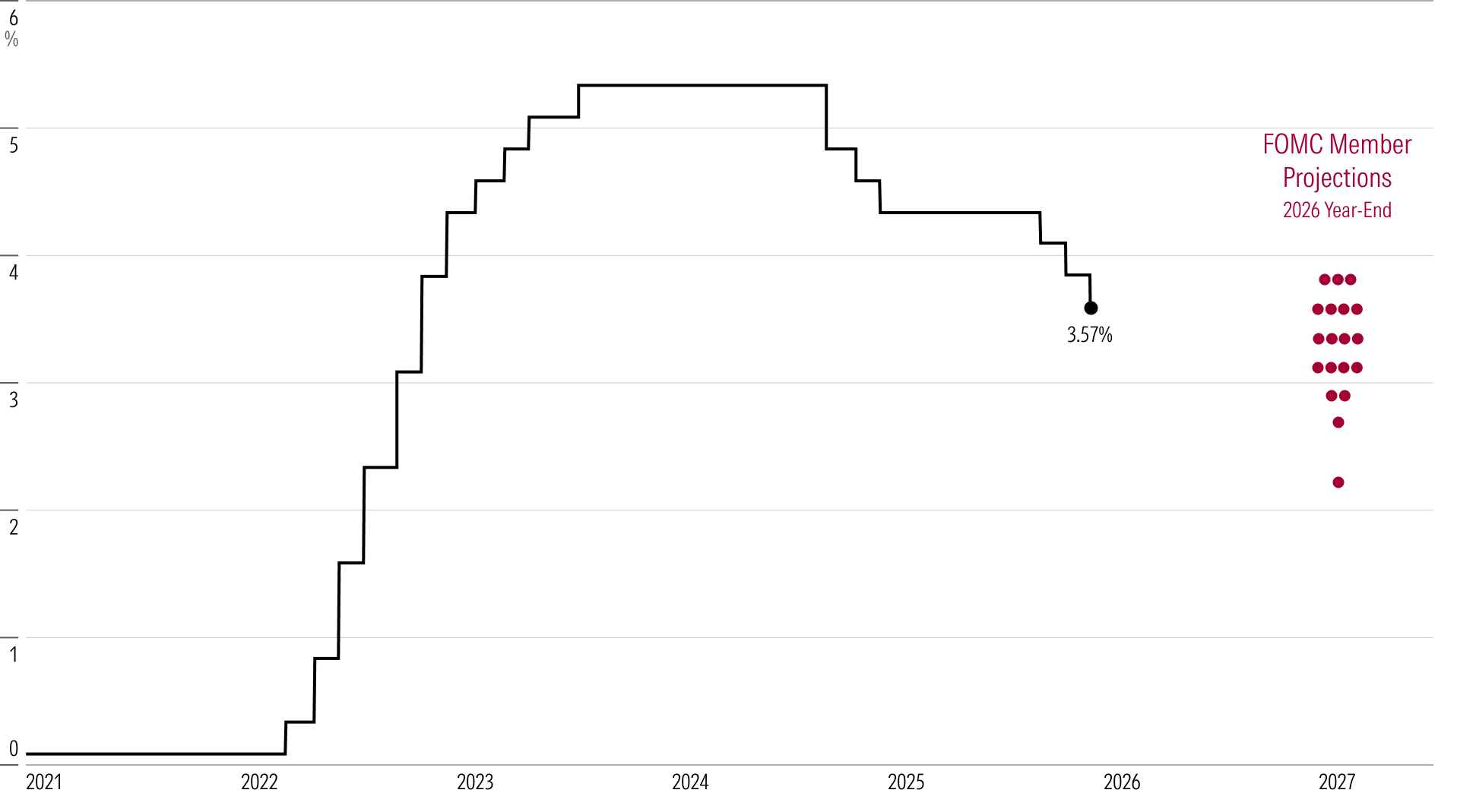
| Average Fed Funds Rate | 4.5% | 3.75% | Neutral policy following inflation targets |
Real Estate and Housing Market Corrections
In the real estate sector, 2026 projections point toward a gradual "thaw" in the housing market. After several years of stagnant inventory caused by high mortgage rates, the current stabilization of interest rates has encouraged a 12% increase in new listings compared to this time last year. However, affordability remains a significant challenge, as housing prices have not undergone the sharp correction some analysts predicted in 2023.
Commercial real estate continues its structural transformation. With office vacancy rates in major urban centers like New York, London, and San Francisco remaining above 20%, 2026 is seeing a peak in "adaptive reuse" projects. These projects, which convert underutilized office space into residential units or life-science labs, are projected to attract over $50 billion in institutional investment this year. This shift is not only a financial necessity but also a core component of urban revitalization strategies in the post-pandemic era.
Geopolitical Risks and Trade Blocks
While the economic data is largely positive, geopolitical projections for late 2026 remain cautious. The world has moved into a more fragmented trade environment, characterized by the rise of "friend-shoring" and the formation of distinct economic blocs.
- Strategic Autonomy: Both the US and the EU are projected to reach 70% of their 2026 targets for domestic semiconductor and battery manufacturing, reducing reliance on single-source suppliers.
- Trade Corridors: New trade routes, such as the India-Middle East-Europe Economic Corridor (IMEC), are seeing their first phases of operational testing in 2026, fundamentally altering the logistics of global trade.
- Cybersecurity Sovereignty: Projections suggest a 45% increase in government spending on nationalized cloud infrastructures to protect sensitive data from increasing cross-border cyber threats.
Frequently Asked Questions
Is a recession still projected for late 2026?
No, the consensus among major financial institutions is that the risk of a global recession in 2026 is low, currently estimated at 15%. The stabilization of inflation and the robust performance of the labor market in the US and Asia have created a resilient economic foundation. However, localized "growth recessions" may occur in specific sectors or regions that fail to adapt to the energy transition or AI-driven productivity shifts.
How will AI affect job security for the remainder of 2026?
While AI is automating specific tasks, overall job displacement in 2026 has been lower than initially feared. The projection is that AI will create roughly 12 million more jobs than it destroys this year, particularly in software development, data curation, and AI ethics. The primary risk is not "job loss" but "wage stagnation" for those who do not acquire the skills to use AI tools effectively within their current professions.
What are the projected interest rate trends for the end of the year?
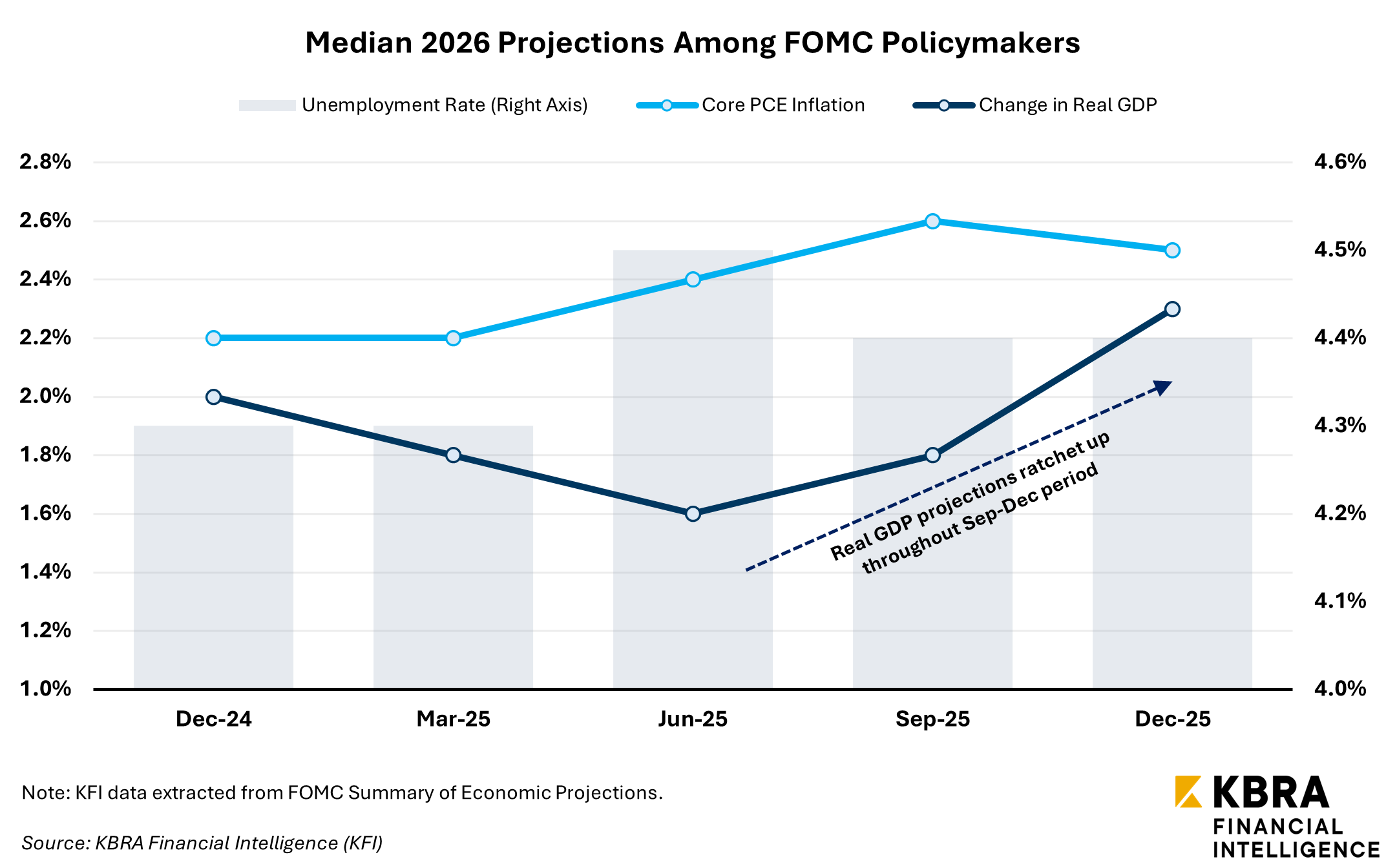
Projections indicate that central banks will likely maintain a "neutral" stance for the rest of 2026. In the United States, the federal funds rate is expected to hover between 3.5% and 3.75%. This is intended to keep inflation anchored while providing enough liquidity to support the capital-intensive transitions occurring in the energy and tech sectors.
What is the projection for the 2026 electric vehicle (EV) market?
The EV market in 2026 is projected to reach a 25% share of new passenger vehicle sales globally. While the explosive growth of the early 2020s has moderated, the market is maturing with a wider availability of affordable models (sub-$25,000) and a significant expansion in fast-charging infrastructure, particularly in North America and Southeast Asia.
Strategic Recommendations for Late 2026
To navigate the current 2026 landscape, organizations and investors should prioritize operational flexibility and technological depth. The projections suggest that the winners of this cycle are not those who simply adopt AI, but those who redesign their business processes around it. For individuals, the focus must be on "durable skills"—critical thinking, complex communication, and technological literacy—as these remain the most insulated from automation. Finally, as the energy transition accelerates, moving toward sustainable supply chains is no longer just a regulatory requirement but a significant competitive advantage in a market that increasingly rewards transparency and efficiency.