In 2026, plastic surgery trends focus on regenerative medicine, AI-integrated surgical planning, and the "bio-harmonic" look, prioritizing cellular-level repair over traditional structural alteration. Innovations like exosome therapy, advanced polynucleotides, and robotic-assisted precision allow for faster recovery times and results that emphasize natural longevity rather than obvious surgical intervention.
The Era of Regenerative Esthetics: Moving Beyond Fillers
The most significant shift in 2026 is the transition from "replacement" to "regeneration." For decades, the primary solution for volume loss was the use of exogenous substances like hyaluronic acid fillers. While effective, these often led to "filler fatigue" or a distorted facial appearance over time. Today, the focus has shifted toward biostimulation, where the body’s own biological processes are harnessed to restore tissue.
Exosomes and Cellular Signaling
Exosomes have become the gold standard in post-procedural recovery and skin rejuvenation. These extracellular vesicles act as messengers, carrying proteins and RNA to aging or damaged cells to trigger repair. In 2026, surgeons are increasingly using standardized, medical-grade exosome serums alongside microneedling or laser treatments to reduce downtime from days to hours. The innovation lies in the precision of these messengers, which can now be tailored to address specific concerns like hyperpigmentation or collagen degradation.
Polynucleotides and PDRN
Polynucleotides, derived from DNA fractions, have moved from niche European treatments to global mainstream staples. Unlike traditional fillers that provide mechanical lift, polynucleotides work at the mitochondrial level to improve skin quality, hydration, and elasticity. They are particularly favored for the delicate periocular (eye) area, where traditional fillers often cause puffiness or the Tyndall effect.
The "Post-GLP-1" Body Contouring Surge
The widespread use of GLP-1 receptor agonists (weight loss medications) over the last three years has created a massive demand for specific "corrective" cosmetic procedures. By 2026, the industry has refined its approach to treating "Ozempic face" and the significant skin laxity that follows rapid, massive weight loss.
Skin Redraping and Structural Support
Traditional liposuction is no longer the primary request for weight loss patients; instead, excisional surgery combined with internal heating devices is the standard. Procedures like the "360-degree lower body lift" and "medial thigh lifts" have seen a 40% increase in volume. Surgeons now utilize internal radiofrequency (RF) scaffolding to tighten the underlying "SMAS" layers of the body, ensuring that the skin doesn't just sit on the frame but is actively adhered to it.
High-Definition Fat Grafting
To combat the gaunt appearance often associated with rapid weight loss, autologous fat grafting—taking fat from one area and injecting it into another—has reached new heights of sophistication. In 2026, "micro-fat" and "nano-fat" grafting techniques allow surgeons to use a patient’s own biological material to restore volume in the temples, mid-face, and hands, providing a much more permanent and natural-looking solution than synthetic fillers.
AI and Digital Twins in Surgical Planning
Artificial Intelligence is no longer a marketing buzzword but a core component of the 2026 surgical suite. The integration of AI-driven "Digital Twins" allows patients to see an anatomically accurate, 3D simulation of their post-operative results before the first incision is made.
- Anatomical Mapping: AI algorithms analyze a patient's bone structure, skin thickness, and muscle dynamics to predict how they will age over the next ten years.
- Surgical Simulation: Surgeons use VR (Virtual Reality) headsets to practice complex reconstructions or aesthetic adjustments on a digital model of the specific patient, reducing intraoperative time.
- Outcome Verification: Post-operatively, AI is used to track healing patterns, flagging potential complications like hematomas or infections before they become visible to the naked eye.
The Rise of the "Bio-Harmonic" Facelift
In 2026, the "wind-tunnel" look of early 2000s facelifts is entirely obsolete. The modern facelift—often called a Bio-Harmonic Lift—is a hybrid procedure that combines deep-plane surgical techniques with regenerative biologics.
The deep-plane approach involves repositioning the entire muscle and fat layer rather than pulling the skin. When combined with intraoperative stem cell therapy, the result is a face that moves naturally and retains its vitality. These procedures are increasingly performed on younger patients (the "prejuvenation" demographic) who seek to maintain their structure rather than wait for significant sagging to occur in their 60s.
Comparing 2026 Innovations with Traditional Methods
| Feature | Traditional Approach (Pre-2024) | 2026 Innovative Trend | Primary Benefit |
|---|---|---|---|
| Volume Loss | Hyaluronic Acid (HA) Fillers | Polynucleotides & Fat Grafting | Longer-lasting, natural texture |
| Skin Laxity | External RF & Standard Lifts | Internal Helium Plasma & Deep Plane | Significant tightening, hidden scars |
| Recovery | 2-4 Weeks (Swelling/Bruising) | Exosome-Accelerated Healing | Return to work in 3-7 days |
| Planning | 2D Photos & Physical Exams | AI Digital Twin & 3D Mapping | Higher precision, realistic expectations |
| Body Shape | Standard Liposuction | HD Sculpting + Skin Redraping | Athletic definition, no "loose" skin |
Minimally Invasive "Office-Hour" Procedures
While major surgeries remain popular, 2026 has seen a surge in high-efficacy, minimally invasive treatments that require no general anesthesia. These are designed for the "maintenance" lifestyle.
Needle-Free Biorejuvenation
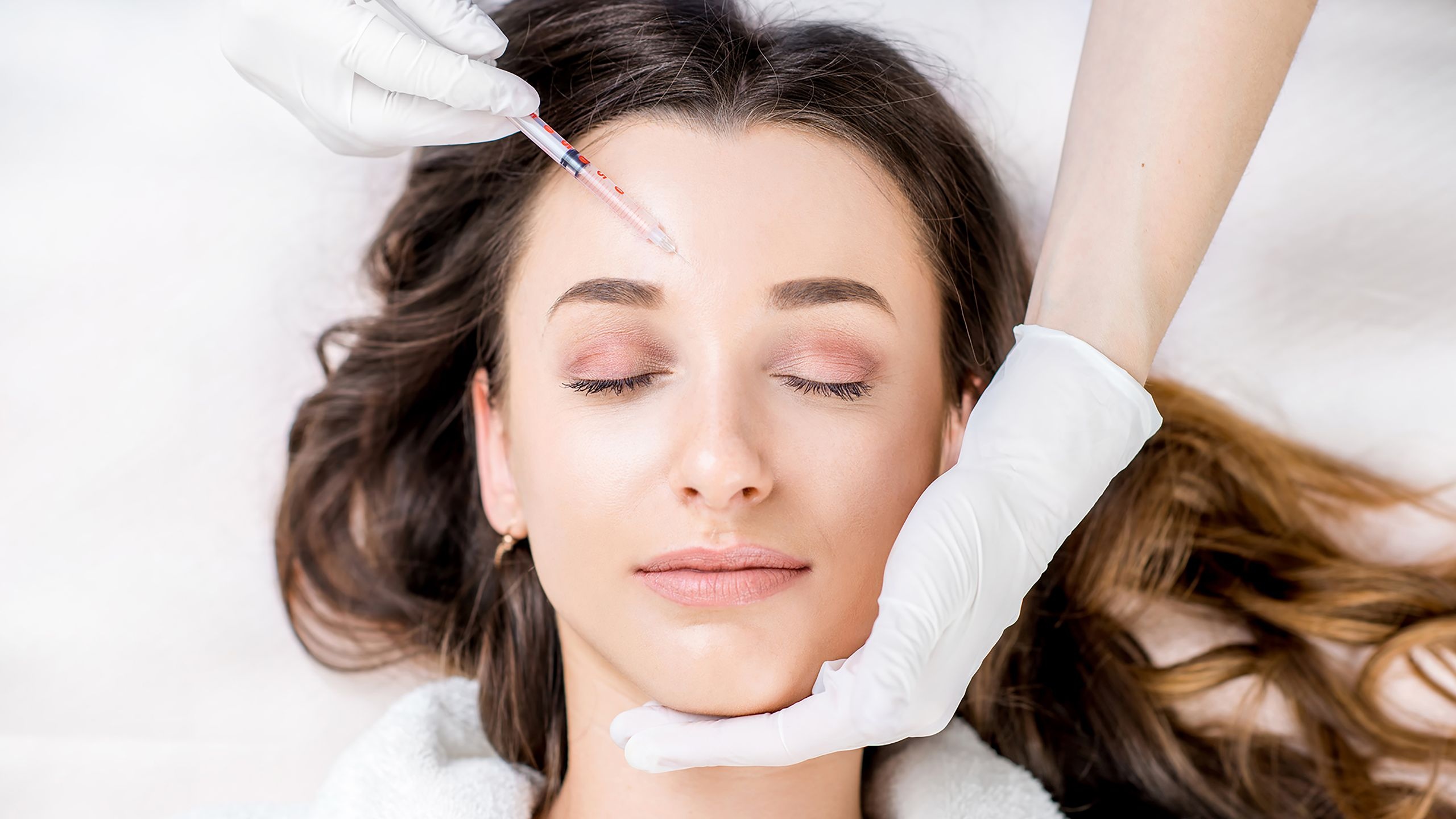
New transdermal delivery systems use high-pressure cold atmospheric plasma to push active ingredients—like neuromodulators or growth factors—into the dermis without a single needle stick. This has revolutionized the "tweakment" market, appealing to needle-phobic patients and reducing the risk of bruising.
Next-Gen Neuromodulators
The toxins used to treat wrinkles have evolved. In 2026, we see the dominance of "extra-long-wear" neuromodulators that last six to nine months, compared to the three-month cycle of the early 2020s. Conversely, "micro-toxins" are used to refine skin texture and reduce pore size without affecting muscle movement, catering to the trend of "Quiet Luxury" in aesthetics.
Safety, Ethics, and Jurisdictional Limits
As cosmetic procedures become more technologically advanced, the regulatory landscape in 2026 has also tightened. Many jurisdictions now require mandatory psychological screening for "Body Dysmorphic Disorder" (BDD) before major elective surgeries, particularly for patients under 25.
Medical Disclaimer: Plastic surgery involves inherent risks, including infection, scarring, and anesthesia complications. Always verify that your surgeon is board-certified by a recognized national body (such as the ASPS in the United States or equivalent international organizations) and that the facility is fully accredited.
Frequently Asked Questions
What is the most popular plastic surgery procedure in 2026?
The "Bio-Harmonic" Deep Plane Facelift is the most sought-after facial procedure, while skin-tightening surgeries following GLP-1 weight loss lead in body contouring. The shift toward natural-looking results has made regenerative treatments like fat grafting more popular than traditional synthetic implants.
Are exosomes safe for post-surgery recovery?
Yes, when sourced from FDA-compliant (or local regulatory equivalent) laboratories, medical-grade exosomes are considered safe and highly effective. They are non-cellular, meaning they do not carry the same risks as full stem cell transplants, yet they provide the necessary signaling proteins to accelerate tissue repair.
How has AI changed the cost of plastic surgery?
While the technology for AI mapping and 3D simulation adds an initial cost to the consultation, it often reduces the overall expense by minimizing the need for revision surgeries. Precision planning leads to a "one and done" approach, which is more cost-effective in the long term.
Can non-surgical treatments replace a facelift in 2026?
While non-surgical energy-based devices (like advanced RF and ultrasound) have improved significantly, they cannot fully replicate the results of a surgical lift for significant laxity. However, they are now used as "maintenance" to delay the need for surgery by up to a decade.
Is there a trend toward "reversing" previous plastic surgeries?
Yes, 2026 has seen a significant "de-volumization" trend. Many patients are seeking to dissolve old fillers and remove oversized breast or buttock implants in favor of more proportionate, athletic, and "human-looking" silhouettes.
Navigating Your Aesthetic Journey in 2026
Choosing a procedure in 2026 requires a focus on biological compatibility and long-term health. The best approach is to prioritize "skin quality" and "structural integrity" over temporary volume. When consulting with a surgeon, ask specifically about their use of regenerative biostimulators and their protocol for post-operative recovery using exosomes.
Prioritize practitioners who offer 3D AI simulations, as this transparency ensures you and your surgeon are aligned on the desired outcome. Remember that the ultimate goal of 2026 aesthetics is not to look "done," but to look like a well-rested, high-vitality version of yourself.