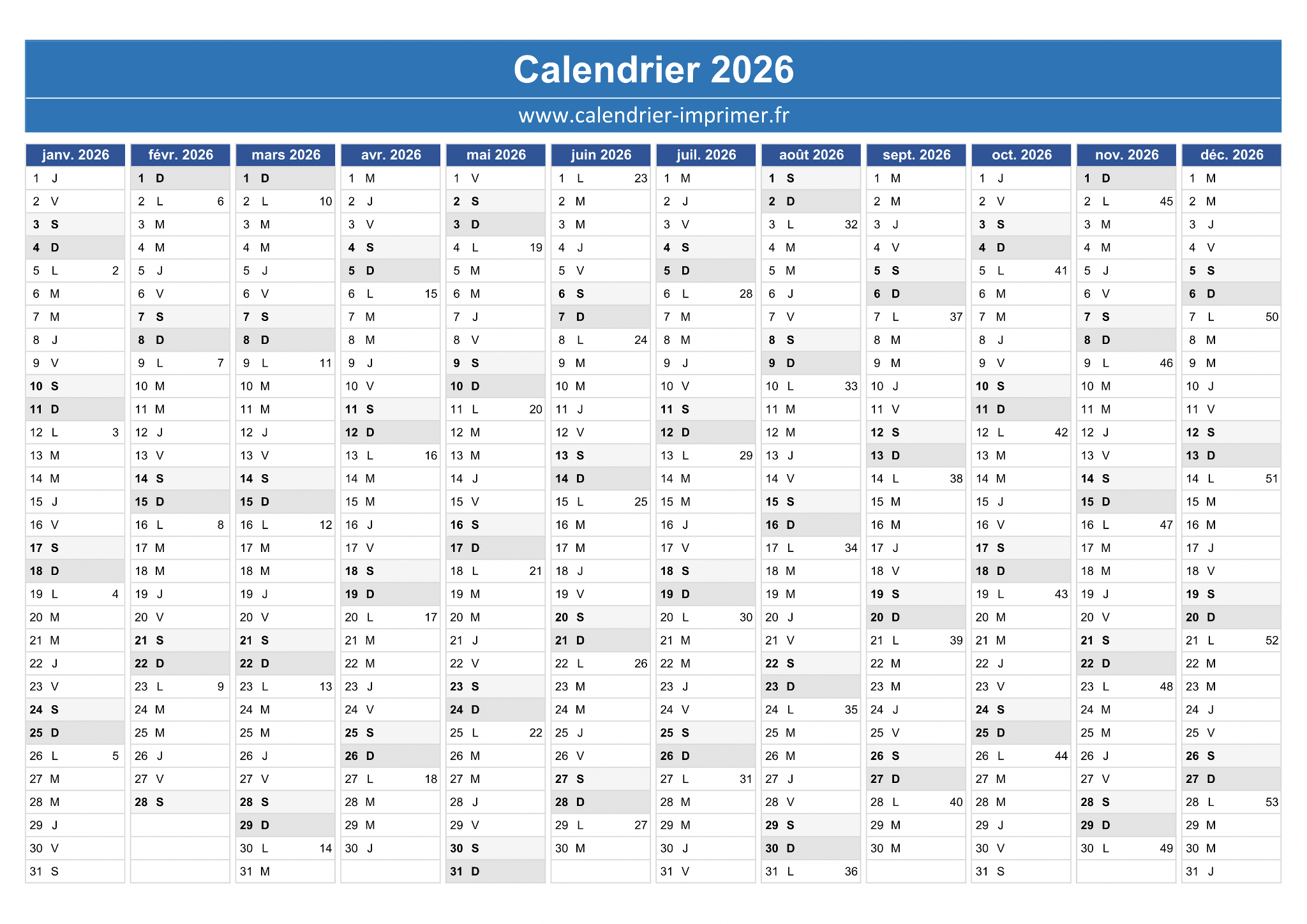
Effective 2026 planning requires a dual-focus strategy: executing current quarterly objectives while simultaneously forecasting for the 2027 fiscal cycle. Success this year depends on integrating advanced data analytics into operational workflows, maintaining rigorous financial oversight amidst fluctuating interest rates, and optimizing human capital to meet the evolving demands of a technology-driven global marketplace.
As we progress through the 2026 calendar year, the landscape of business strategy has shifted from reactive survival to proactive optimization. Organizations that front-loaded their 2026 planning during the previous Q4 are now seeing the fruits of their labor, but the mid-year mark presents a critical inflection point. This guide provides a technical roadmap for refining your current 2026 initiatives and establishing the foundational data required for the next major planning cycle.
The Macroeconomic Context of 2026
Planning in 2026 cannot occur in a vacuum. The current economic environment is characterized by "stabilized volatility." While the extreme disruptions of the early 2020s have largely subsided, new challenges regarding supply chain regionalization and the cost of debt remain prevalent. Central banks have maintained a cautious stance on interest rates throughout the first half of 2026, making capital allocation a high-stakes decision for most firms.
For planners, this means that "static" budgets are no longer viable. The 2026 fiscal environment demands rolling forecasts that are updated at least once per quarter. This approach allows organizations to reallocate resources from underperforming divisions to high-growth areas without waiting for the next annual budget meeting. Furthermore, global trade agreements updated in late 2025 have fundamentally changed the cost structure of international logistics, requiring a thorough audit of procurement strategies as part of your mid-2026 review.
Key Pillars of a 2026 Operational Strategy
To achieve the targets set for this year, your 2026 planning must focus on three core pillars: operational resilience, digital integration, and sustainable growth. Each of these pillars requires specific metrics and a clear understanding of the "why" behind every resource allocation.
Operational Resilience and Supply Chain Agility
Operational resilience in 2026 is defined by the ability to withstand localized disruptions without collapsing the entire value chain. Organizations are increasingly moving toward "multi-local" sourcing models. If your 2026 plan still relies on a single-source provider for critical components, the current priority must be the diversification of your vendor base. This involves a rigorous assessment of tier-two and tier-three suppliers to identify hidden vulnerabilities.
Digital Integration: Moving Beyond Implementation
By 2026, most enterprises have already adopted baseline AI and automation tools. The planning focus now shifts from adoption to optimization. This means evaluating the Return on Investment (ROI) of the software stack deployed over the last 18 months. Are these tools actually reducing man-hours, or are they adding layers of "digital debt"? Technical SEO and data integrity play a massive role here, as the quality of the data fed into your 2026 AI models determines the accuracy of your 2027 forecasts.
Sustainable Growth and ESG Compliance
Environmental, Social, and Governance (ESG) reporting requirements have become more stringent in 2026. Planning must now include detailed tracking of carbon footprints and social impact metrics to remain compliant with evolving international standards, such as those outlined by the International Sustainability Standards Board (ISSB). Failure to include these in your 2026 roadmap can lead to significant financial penalties and a loss of investor confidence.
Financial Forecasting and Budgetary Compliance in 2026
Financial planning in the current year requires a shift toward "zero-based budgeting" principles for discretionary spending. Every dollar allocated in the second half of 2026 must be justified by current performance data rather than historical precedent. This is particularly important as the Internal Revenue Service (IRS) and other global tax authorities have introduced new guidelines for 2026 regarding digital asset reporting and R&D tax credits.
Managing High-Cost Debt
With interest rates remaining above the 10-year average, the cost of servicing debt is a primary concern for 2026 planning. CFOs should prioritize de-leveraging where possible or refinancing high-interest short-term debt into more stable long-term instruments. Financial models should include "stress test" scenarios—what happens if revenue drops by 15% or if the cost of raw materials increases by 20%? Having these answers ready is the hallmark of a mature 2026 plan.
Labor Costs and Compensation Strategies
The 2026 labor market remains competitive, particularly for specialized technical roles. Planning must account for an average 4-5% increase in base compensation to prevent talent attrition. However, it is not just about the salary; 2026 planning should also incorporate "total reward" packages, including flexible work arrangements and professional development stipends, which often provide a higher ROI than raw salary increases.
Comparison of Strategic Planning Frameworks for 2026
Choosing the right methodology is essential for aligning your team with your 2026 objectives. The table below compares the three most effective frameworks currently in use.
| Framework | Primary Focus | Best For | 2026 Application |
|---|---|---|---|
| OKRs (Objectives & Key Results) | Outcome-driven alignment | High-growth tech and startups | Tracking rapid pivots in R&D and market entry. |
| Balanced Scorecard | Holistic organizational health | Mid-to-large enterprises | Integrating ESG and financial metrics into one view. |
| Agile Strategic Planning | Iterative execution and speed | Uncertain or volatile markets | Managing supply chain shifts and consumer behavior changes. |
| OGSM (Objective, Goals, Strategies, Measures) | Long-term operational focus | Manufacturing and traditional retail | Ensuring year-over-year stability in 2026/2027 transitions. |
Technology Integration: AI and Automation in 2026
The technical depth of your 2026 planning must include a "Data Governance" strategy. As businesses become more reliant on automated decision-making, the risk of "garbage in, garbage out" becomes a systemic threat. Your 2026 IT budget should prioritize data cleaning and cybersecurity over new feature development.
The current trend in 2026 is the "Edge Computing" shift, where data processing occurs closer to the source of information. For planners in retail or manufacturing, this means allocating funds for hardware upgrades that support real-time inventory management. Furthermore, the 2026 regulatory environment, guided by frameworks like the EU AI Act, requires that all automated planning tools be transparent and auditable. If your 2026 plan involves proprietary algorithms, you must ensure you have the documentation to prove their fairness and accuracy.
Human Capital and Workforce Trends
The "Future of Work" is no longer a future concept; it is the 2026 reality. Planning for the workforce this year requires a deep dive into "skills-based hiring" rather than traditional degree-based requirements.
- Skills Gap Analysis: Conduct a comprehensive audit of your current team's capabilities versus your 2027 goals. Identify where upskilling is needed, particularly in AI literacy and data management.
- Fractional Leadership: Many organizations in 2026 are utilizing fractional C-suite executives to manage specific projects. This allows for high-level expertise without the long-term overhead of a full-time executive.
- Hybrid Work Optimization: 2026 planning should move away from the "return to office" debate and toward optimizing the hybrid model. This involves investing in "digital headquarters" software that facilitates asynchronous collaboration across different time zones.
Common Pitfalls in 2026 Planning
Despite the best intentions, many 2026 plans fail due to predictable mistakes. Awareness of these can save an organization significant resources.
- Over-reliance on 2024-2025 Data: The world has changed significantly in the last 24 months. Using outdated consumer behavior models will lead to inaccurate sales forecasts.
- Neglecting Cybersecurity: As planning tools become more integrated, they become larger targets for cyberattacks. A 2026 plan without a dedicated security budget is an incomplete plan.
- "Planning Fatigue": If the planning process is too cumbersome, teams will simply ignore it. Keep 2026 objectives concise—no more than three major goals per department.
- Ignoring Geopolitical Shifts: In 2026, global politics directly impacts local supply chains. Planners must stay informed via sources like the World Bank to anticipate shifts in trade policy.
FAQ: Navigating 2026 Planning Challenges
How often should I update my 2026 strategic plan?
You should conduct a formal review of your 2026 plan at the end of every quarter. This allows you to compare actual performance against your KPIs and make necessary adjustments to your resource allocation for the following three months. A static plan made in January is likely to be obsolete by July due to the current pace of technological and economic change.
What are the most important KPIs for 2026?
The most important KPIs for 2026 are Net Profit Margin, Customer Acquisition Cost (CAC) vs. Lifetime Value (LTV), and Employee Retention Rate. Additionally, companies should track "Digital Maturity" scores and "Carbon Intensity" to meet the specific reporting demands of the 2026 fiscal year.
Is AI a necessary component of 2026 planning?
Yes, but not necessarily for the sake of having AI. In 2026, AI is a tool for data synthesis and predictive modeling. It should be used to analyze large datasets to identify market trends that a human planner might miss. However, the final strategic decisions should always be made by human leadership to ensure alignment with company values.
How do I account for inflation in my 2026 budget?
While inflation has cooled compared to previous years, 2026 planning should still include a "buffer" of at least 3-5% for operational costs. It is advisable to use "real" dollars (inflation-adjusted) for long-term project planning to ensure that the projected ROI remains viable over the life of the project.
What should be the primary focus for small businesses in 2026?
Small businesses should focus on "Efficiency over Expansion." In 2026, the cost of capital remains high, making aggressive expansion risky. Instead, use your 2026 planning to streamline operations, reduce waste, and build a loyal customer base that provides recurring revenue.
Immediate Next Actions for Your 2026 Strategy
To ensure your 2026 planning remains on track, begin with a Mid-Year Performance Audit. Compare your Q1 and Q2 actuals against your original forecasts. If there is a variance of more than 10%, you must identify the root cause—whether it is a market shift, an internal operational failure, or an unrealistic initial goal.
Following the audit, schedule a 2027 Visioning Session. While it may seem early, the most successful organizations in 2026 are those that have already begun outlining their "Big Hairy Audacious Goals" (BHAGs) for the coming year. Secure your technology contracts now for 2027 to lock in current pricing and ensure that your data infrastructure is ready for the next level of scaling. Finally, communicate the updated 2026 plan clearly to all stakeholders to ensure total alignment for the remainder of the year.