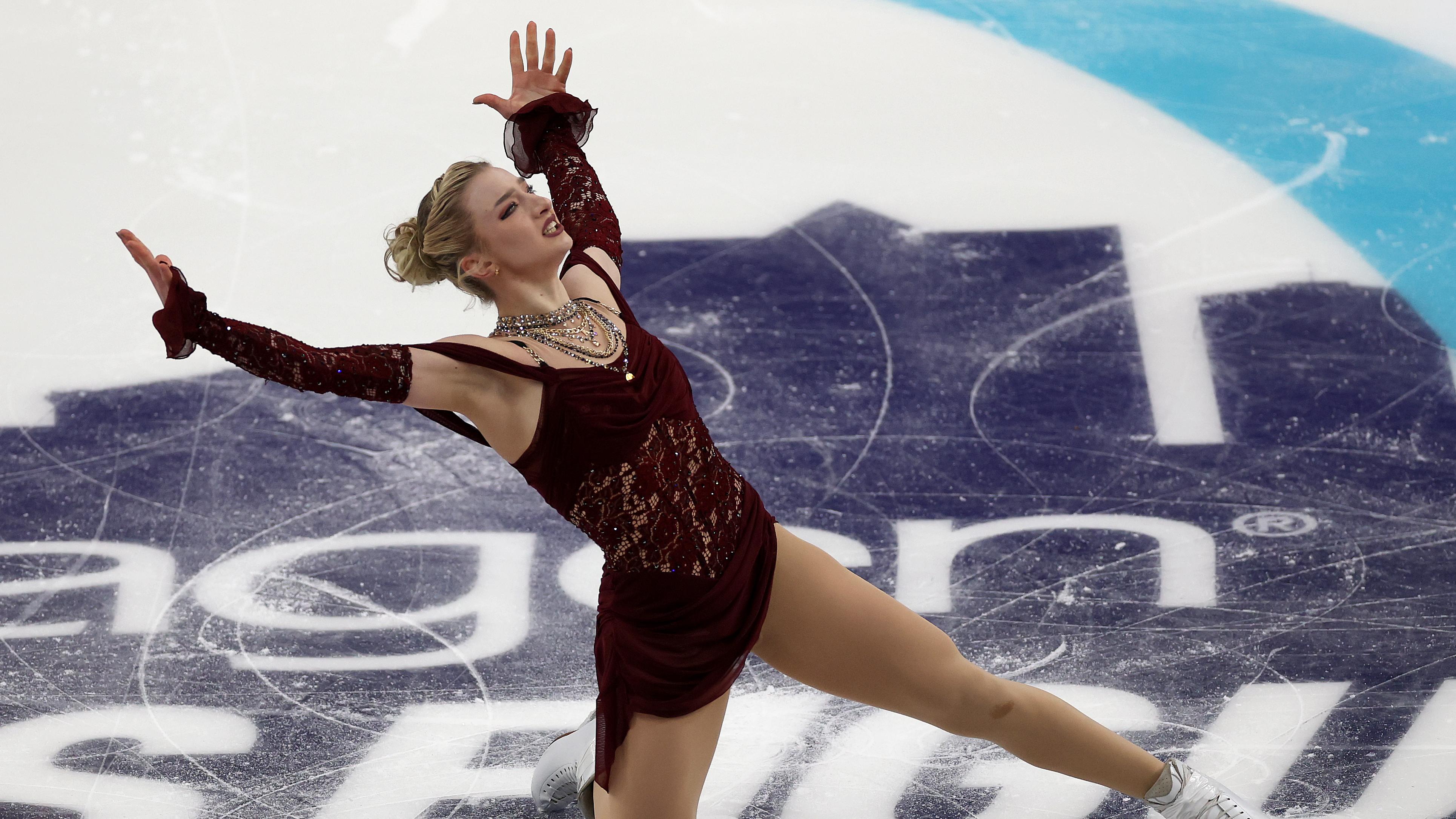
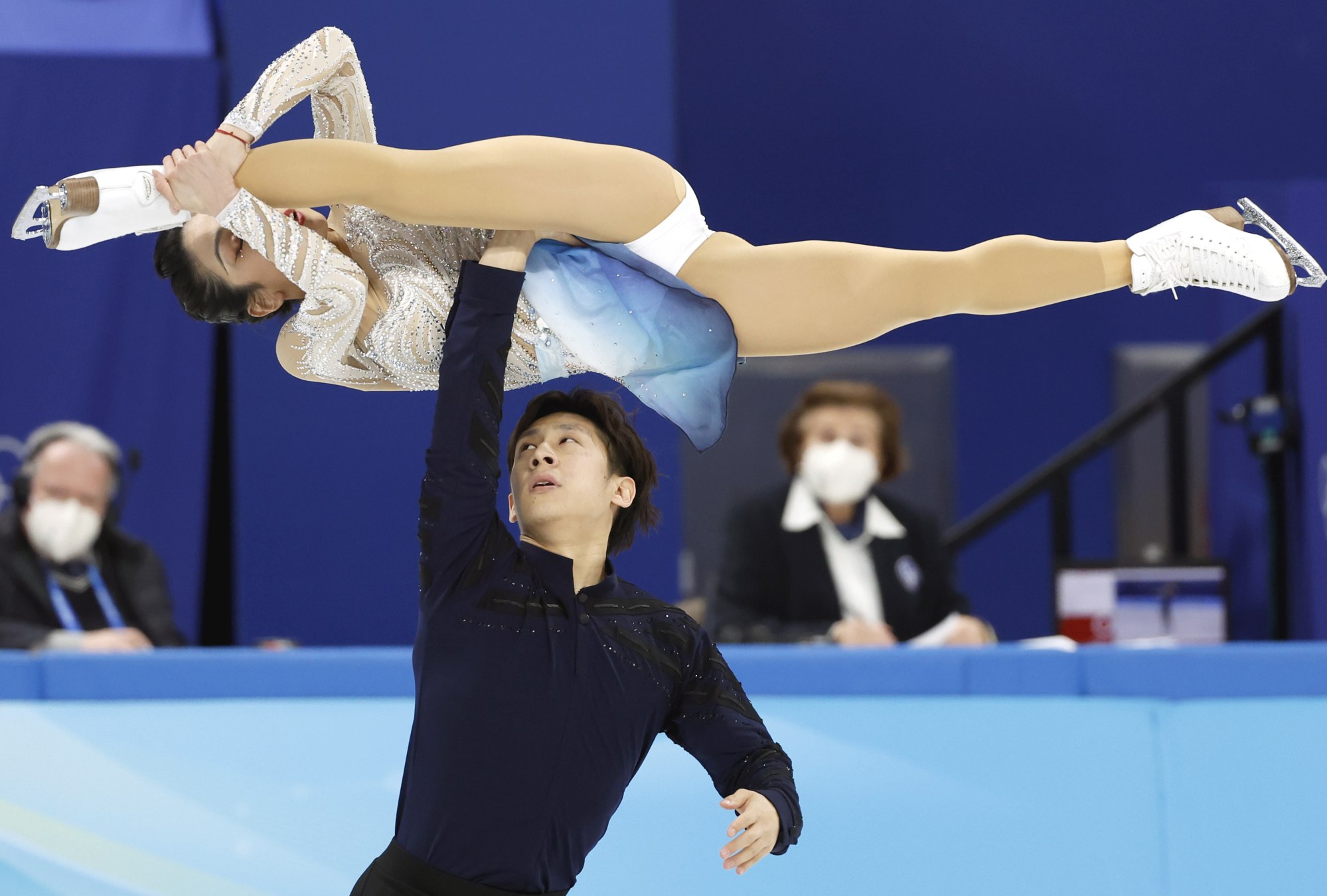
The 2026 Winter Olympics pair figure skating competition showcases a compelling intersection of enduring historical dominance and the emergence of next-generation talent. As the sport moves into a new quadrennial cycle, programs are defined by intricate throw jumps, side-by-side spin synchronicity, and revolutionary technical content that bridges the achievements of past Olympic gold medalists with the ambitions of rising contenders.
The Evolution of Pair Skating Standards on the Olympic Stage
Pair figure skating has undergone radical transformations since its inclusion in the Olympic program. The discipline demands a rare synthesis of single-skating technical proficiency and ice dance unison, requiring partners to execute high-risk elements—such as quadruple twists, side-by-side triple jumps, and synchronized death spirals—with absolute precision. In evaluating the trajectory of the discipline toward the 2026 Winter Games, analysts look closely at how the Code of Points (CoP) managed by the International Skating Union (ISU) has reshaped training methodologies.
Historically, pair skating was dominated by programs that prioritized classical presentation and seamless flow over sheer athletic difficulty. However, the modern era rewards high base values and flawless execution of difficult entries and exits. Skaters aiming for podium placement must demonstrate mastery in lift variations, such as group lift group changes and press lifts, where the physical demands on both partners are immense. The transition from previous Olympic cycles to the current environment highlights a continuous push toward athletic innovation, where physical conditioning, injury prevention, and biomechanical efficiency dictate competitive longevity.
Legacies of Past Olympic Champions
Examining the lineage of past Olympic gold medalists provides essential context for understanding the tactical choices of contemporary pairs. Legendary competitors set benchmarks in execution quality, component scores, and emotional resonance that modern skaters study meticulously.
Throughout the decades, dominant pairs from nations such as Russia, China, Canada, and the Soviet Union established distinct training schools. Soviet and Russian pairs historically defined the gold standard for dramatic storytelling, speed across the ice, and monumental throw jumps. Canadian and North American partnerships often emphasized intricate transitions, innovative choreography, and deep edge work that maximized component scores under rigorous judging systems.
Key historical milestones in Olympic pair skating include:
- The unmatched streak of consecutive Olympic gold medals won by Soviet and Russian pairs from 1964 through 2006.
- The historic victory of China's Shen Xue and Zhao Hongbo at the 2010 Vancouver Olympics, which broke European dominance and sparked a massive surge in Asian pair skating infrastructure.
- The technical revolution introduced by subsequent champions who integrated higher-rotation elements to secure decisive margins in technical element scores (TES).
Analyzing these historical performances reveals that winning an Olympic gold medal requires more than athletic prowess; it demands psychological resilience under immense pressure. Past champions consistently minimized mistakes on side-by-side elements, which remain the most volatile scoring components in international competition.
Comparative Overview of Pair Skating Eras
To understand how contemporary competitors stack up against historical standards, the table below highlights key performance metrics, technical requirements, and governance eras across different decades of Olympic pair skating.
| Era | Dominant Technical Elements | Program Component Focus | Typical Scoring System | Training Paradigms |
|---|---|---|---|---|
| Pre-2002 Era | Double/Triple twists, basic throw jumps, standard overhead lifts | Presentation, unison, classical interpretation | 6.0 Perfect Scale | National centralized coaching, long-term partner pairing |
| 2006–2018 Era | Triple throw jumps, complex lift variations, death spirals | Skating skills, transition complexity, performance | ISU Judging System (IJS) Introduction | Specialized coaching camps, international choreographer collaborations |
| 2022–2026 Era | Quadruple elements, hyper-extended death spirals, intricate entry transitions | Composition, interpretation of the music, extreme speed | Refined IJS with strict edge and rotation calls | Advanced biomechanical analysis, data-driven jump tracking |
Rising Contenders and Future Stars
The landscape leading into the 2026 Winter Games features a dynamic mix of youthful exuberance and tactical maturity. Future stars are entering senior international competition with comprehensive skill sets honed through advanced sports science and specialized ice training facilities. These emerging partnerships face the unique challenge of establishing international reputation while rapidly upgrading their technical repertoires to match elite global standards.
Scouts and technical specialists monitor Junior World Championships and the ISU Grand Prix series to identify pairs exhibiting exceptional unison and low error rates on side-by-side triple jumps. Modern training camps emphasize cross-training, sports psychology, and injury rehabilitation, allowing younger skaters to sustain high-intensity training regimens without incurring career-threatening joint trauma.
Several key factors define the readiness of these rising stars:
- Technical Ceiling: The ability to successfully train and land high-risk elements such as triple-triple jump combinations and quadruple twists in international competition.
- Artistic Maturity: Developing a distinctive on-ice persona that resonates with judges and audiences under the scrutiny of the current judging system.
- Partnership Longevity: Establishing physical and stylistic compatibility that withstands the high-stress environment of multi-year Olympic qualification cycles.
Technical Challenges and Strategic Program Construction
Constructing a winning pair skating program involves careful calculation of risk versus reward within the parameters of the ISU regulations. Coaches and choreographers must balance base value maximization with execution stability. A program loaded with high-difficulty elements carries a severe penalty risk if falls or major errors occur on throw jumps or lifts.
Side-by-side jumps—such as the triple toe loop or triple salchow—frequently dictate the outcome of major international events. Unlike single skaters, pair skaters must synchronize their jump entry, takeoff timing, air rotation, and landing edge. A minor timing discrepancy between partners often results in downgraded elements or negative grades of execution (GOE).
Furthermore, twist lifts require explosive power from the male partner and precise aerial control from the female partner to achieve the required rotation height and clean catch position. Strategic program construction involves pacing the routine so that high-energy elements are placed where skaters can maintain clean execution despite physical fatigue.
Frequently Asked Questions
What are the core technical requirements for pair skating at the Olympics?
Pair skating requires teams to perform synchronized elements, including side-by-side spins, side-by-side jumps, throw jumps where one partner propels the other into the air, overhead lifts, and death spirals. Each element is strictly evaluated for technical difficulty and execution quality under international judging guidelines.
How do judges differentiate between pair skating and ice dance?
Pair skating includes high-risk acrobatic elements such as throws, overhead lifts, and jumps, whereas ice dance focuses on close-hold dancing, intricate footwork sequences, and non-overhead lifts. Ice dancers do not perform jumps or throws in competition.
What role do side-by-side jumps play in competitive scoring?
Side-by-side jumps are among the most influential elements in determining placement because they expose individual technical consistency within a partnership. Errors on these jumps frequently cause significant point differentials between closely matched competitors.
How has the judging system changed for modern pair skating?
The International Skating Union Judging System (IJS) replaced the historical 6.0 system, introducing a technical score based on base values and grades of execution alongside program component scores that evaluate skating skills, transitions, performance, composition, and interpretation.
What makes a successful partnership in pair skating?
Success depends on physical proportion compatibility, matching skating speeds, mutual trust, psychological resilience, and complementary technical strengths that allow both partners to execute high-risk maneuvers safely and fluidly.
Strategic Evaluation for Competitors and Analysts
Navigating the competitive ecosystem of modern pair skating requires continuous adaptation to shifting judging trends and rising technical ceilings. Athletes, coaches, and federations must invest in comprehensive sports science support, rigorous biomechanical evaluation, and innovative choreographic design. By honoring the technical foundations and artistic expressions of past champions while aggressively pursuing the athletic innovations of future stars, contenders position themselves to excel on the ultimate international stage.