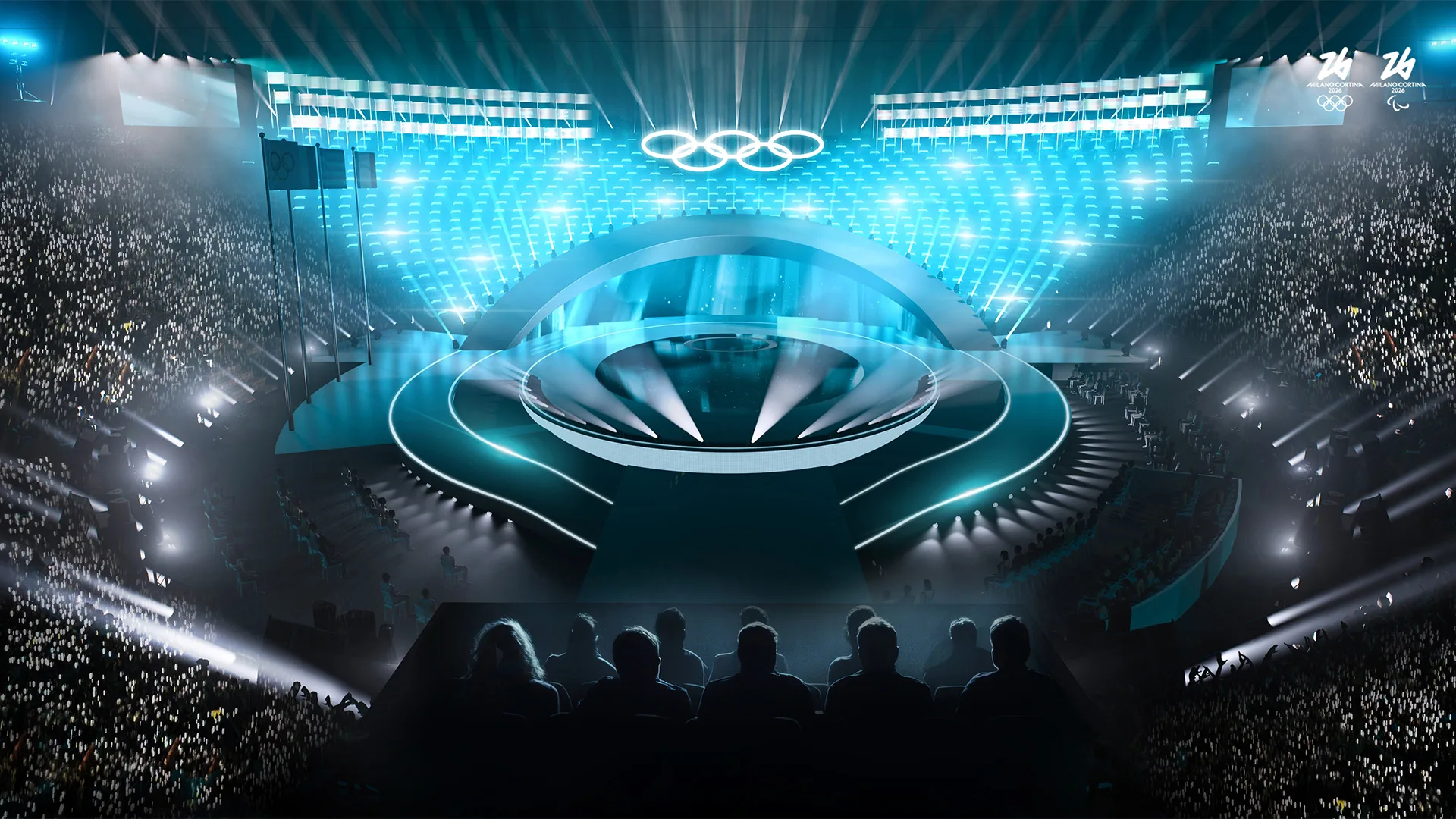
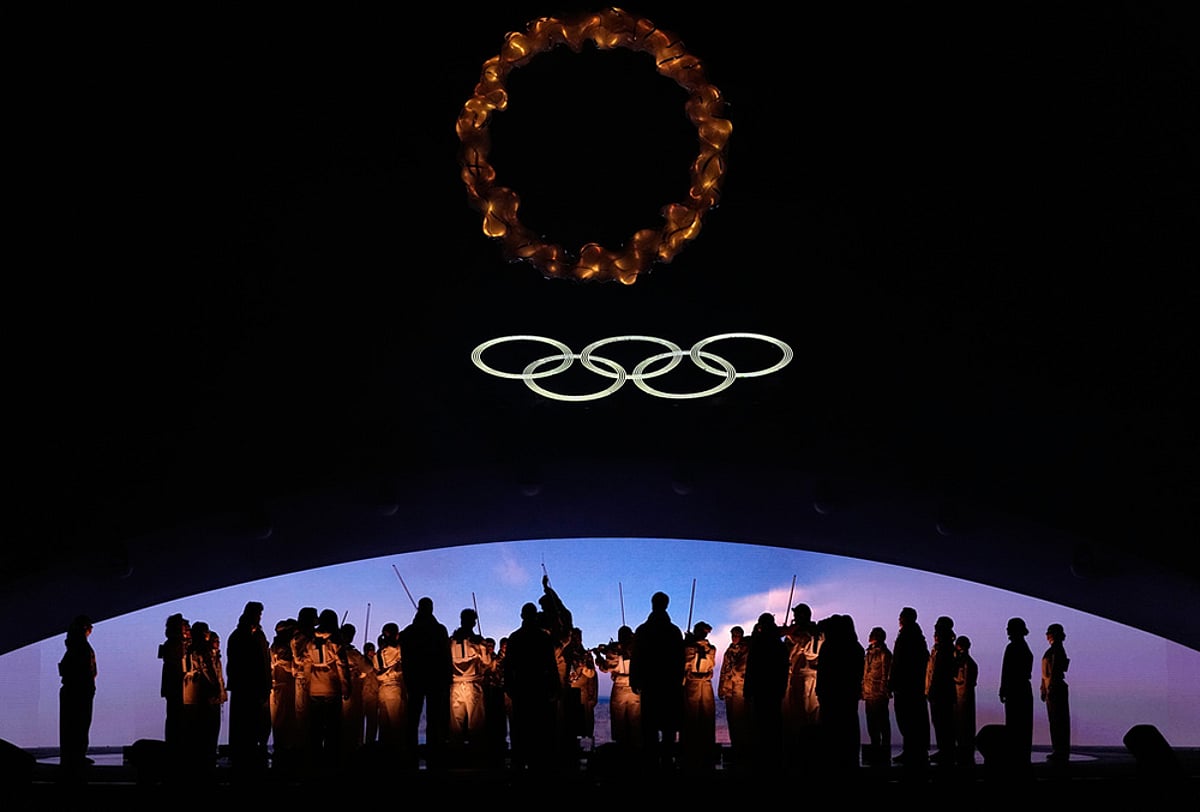
The 2026 Winter Olympics closing ceremony serves as a grand theatrical finale, combining the final medal presentations, the official countdown of the Games, and the symbolic handover to the next host city. This culminating event brings together elite athletes, artistic performers, and international dignitaries to celebrate the achievements of the Milano Cortina Games and transition the Olympic flame.
Understanding the Structure of the Olympic Closing Ceremony
The closing ceremony of an Olympic Games operates under strict International Olympic Committee (IOC) protocols while incorporating unique cultural expressions from the host country. Unlike the opening ceremony, which focuses on the welcoming of delegations and introducing the cultural heritage of the host nation, the closing ceremony emphasizes unity, shared celebration, and the formal conclusion of athletic competition.
Athletes enter the stadium together rather than segregated by country, symbolizing a single global community of competitors. This procession sets a relaxed and joyous tone for the remainder of the evening. The artistic segments follow, weaving together historical narratives, modern technological displays, and musical performances that reflect the identity of the host region—in this case, the landscapes, artistic traditions, and modern spirit of Italy.
The Significance of the Final Medal Countdown
A defining logistical and emotional highlight of the evening is the final medal presentation and the accompanying countdown. Traditionally, the last medal event of the Winter Games—often the women's cross-country skiing mass start or a marquee bobsled final—concludes just hours before the ceremony begins. The final gold medals are then formally presented inside the stadium in front of tens of thousands of spectators and a global television audience.
This moment anchors the emotional weight of the evening. It honors the absolute peak of athletic endurance achieved over the preceding two weeks. The medal countdown blends this competitive climax with the ceremonial countdown marking the official closure of the competition window. As the final hours, minutes, and seconds tick down on the stadium screens, the collective attention of the sporting world narrows down to the extinguishing of the Olympic flame.
Artistic Production and Theatrical Highlights
Producing an unforgettable final show requires months of multidisciplinary collaboration among choreographers, lighting designers, musical directors, and pyrotechnics experts. The creative vision for the 2026 ceremony draws heavily upon Italian design heritage, architecture, and contemporary performance art.
The stadium floor transforms into a dynamic canvas utilizing projection mapping, kinetic sculptures, and large-scale mechanical props. Performers transition seamlessly from high-energy modern dance numbers to emotive theatrical sequences that recount the journey of the Winter Games. Music plays a central role, featuring a mix of globally recognized Italian artists, classical compositions reinterpreted for modern ensembles, and contemporary soundtracks designed to elevate the visual storytelling.
Protocol and Ceremonial Milestones
Every Olympic closing ceremony adheres to a rigid sequence of protocol requirements dictated by the Olympic Charter. Understanding these elements clarifies how the artistic and emotional peaks are structured around official duties.
1. Entry of the Flag Bearers and Athletes (Mixed procession) 2. Presentation of the final medals 3. Raising of the Greek flag and playing of the Olympic Anthem 4. The Flag Handover Ceremony (Handing the Olympic flag to the next host city) 5. Cultural presentation by the future host nation (Paris/Los Angeles/Brisbane/etc. depending on cycle) 6. Speech by the Organising Committee President and IOC President 7. Official declaration of the closure of the Games and extinguishing of the flame
These steps ensure continuity between Olympiads. The handover of the Olympic flag, often referred to as the Antwerp Ceremony, is a particularly sacred moment where the Mayor of the current host city passes the flag to the President of the IOC, who then hands it to the Mayor of the upcoming host city. This is immediately followed by an eight-minute artistic preview provided by the next organizing committee.
Comparing Winter and Summer Closing Ceremonies
While the core protocols remain identical across all Olympic editions, Winter Games closing ceremonies possess distinct production challenges and aesthetic advantages compared to their Summer counterparts.
| Feature | Winter Olympics Closing Ceremony | Summer Olympics Closing Ceremony |
|---|---|---|
| Primary Setting | Often partially outdoor or stadium-based in alpine/urban hybrid regions | Massive open-air stadiums, frequently utilizing city skylines or waterfronts |
| Thematic Focus | Alpine culture, snow, ice, winter resilience, and indoor warmth | Global diversity, urban energy, massive pop culture spectacles |
| Weather Contingencies | High risk of sub-zero temperatures, wind, and snow loads | Variable risk of heat, humidity, or seasonal precipitation |
| Duration of Finale | Typically 2 to 2.5 hours of tightly paced theatrical programming | Typically 3 hours, heavily weighted toward global music headliners |
These differences dictate how directors approach lighting, staging materials, and performer safety, particularly when managing complex outdoor elements in winter conditions.
Transition to the Next Host City
The final phase of the closing ceremony looks forward to the future of the Olympic Movement. Once the official closing speech concludes, the focus shifts entirely to the next iteration of the Games. The artistic segment provided by the upcoming host city serves as an early introduction to their cultural identity and organizational vision.
This transition manages audience expectations and maintains global enthusiasm for the Olympic cycle. It provides a platform for international collaboration, showcasing how art and sport bridge geographic and cultural divides.
Frequently Asked Questions
What happens during the Olympic flag handover ceremony?
The Mayor of the current host city returns the official Olympic flag to the IOC President, who then presents it to the Mayor of the city hosting the next Games. This symbolic gesture represents the official transfer of responsibility and sets the stage for the next four-year cycle.
Are all medals awarded during the closing ceremony?
No, the vast majority of medals are presented immediately following the conclusion of their respective sports events. Only the very last marquee event—traditionally held on the final day of competition—has its medals presented inside the stadium during the closing ceremony.
How is the Olympic flame extinguished?
The flame burning in the stadium cauldron is extinguished through a carefully choreographed theatrical sequence. As the Olympic Anthem plays and the flame slowly dims, performers enact a narrative of closure, transitioning the audience from celebration to reflection before the final dark of the stadium.
Who performs in the artistic segments of the closing ceremony?
Performers typically include a mix of internationally renowned musicians, dancers, and actors from the host country, alongside artists representing the culture of the next host nation during the handover segment.
How long does the closing ceremony typically last?
A standard Olympic closing ceremony lasts approximately two hours to two and a half hours, featuring a faster pace and a more relaxed atmosphere compared to the opening ceremony.
Securing Your Experience of the Final Show
Experiencing the closing ceremony requires advance planning, whether attending live in the stadium or viewing the broadcast globally. Ticket allocations for the closing ceremony are distributed through official ticketing portals managed by the organizing committee and authorized ticket resellers. Viewers tuning in from home should check local broadcast schedules and official streaming platforms to access live, uninterrupted coverage of the medal countdown, speeches, and artistic performances without regional blackouts.