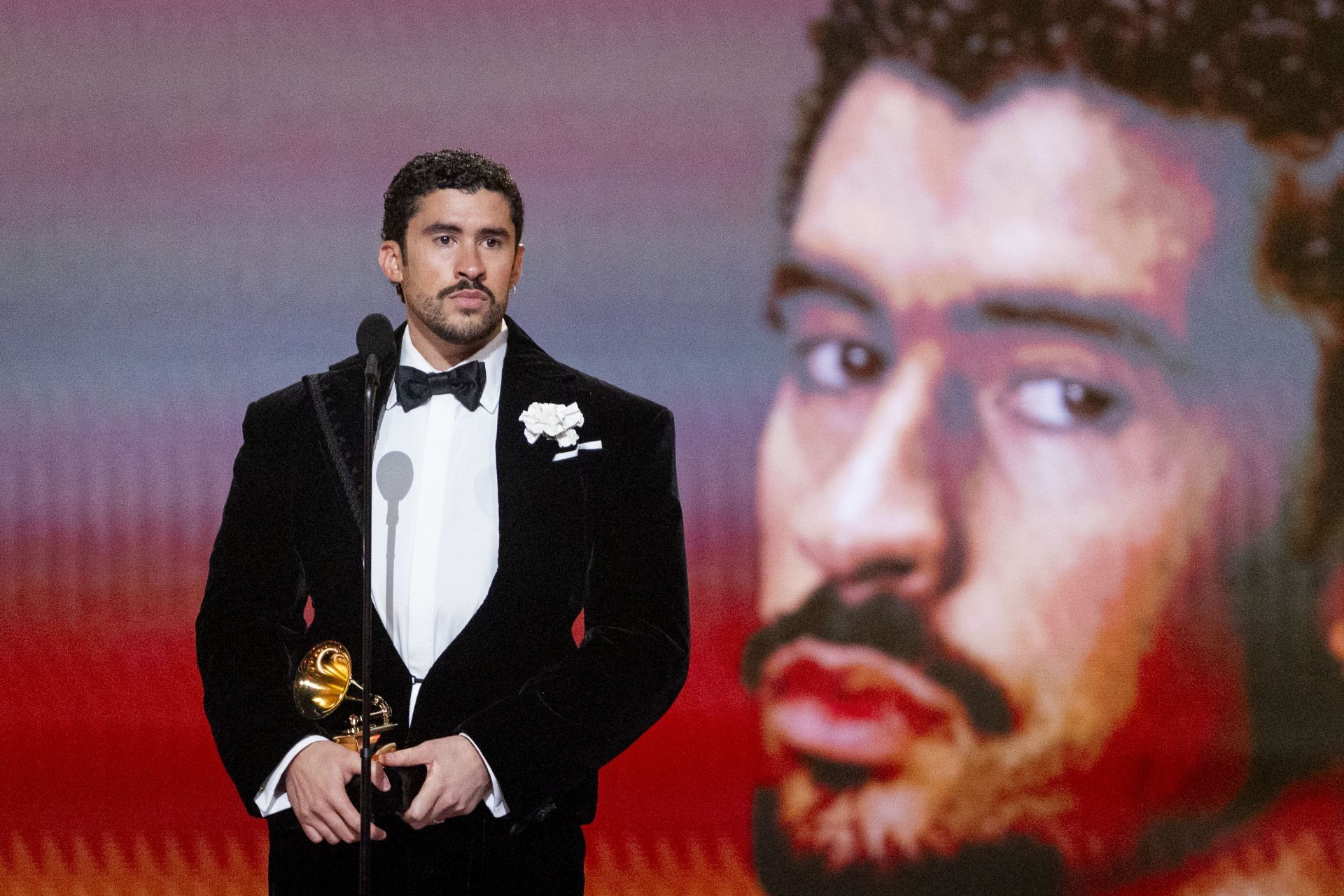
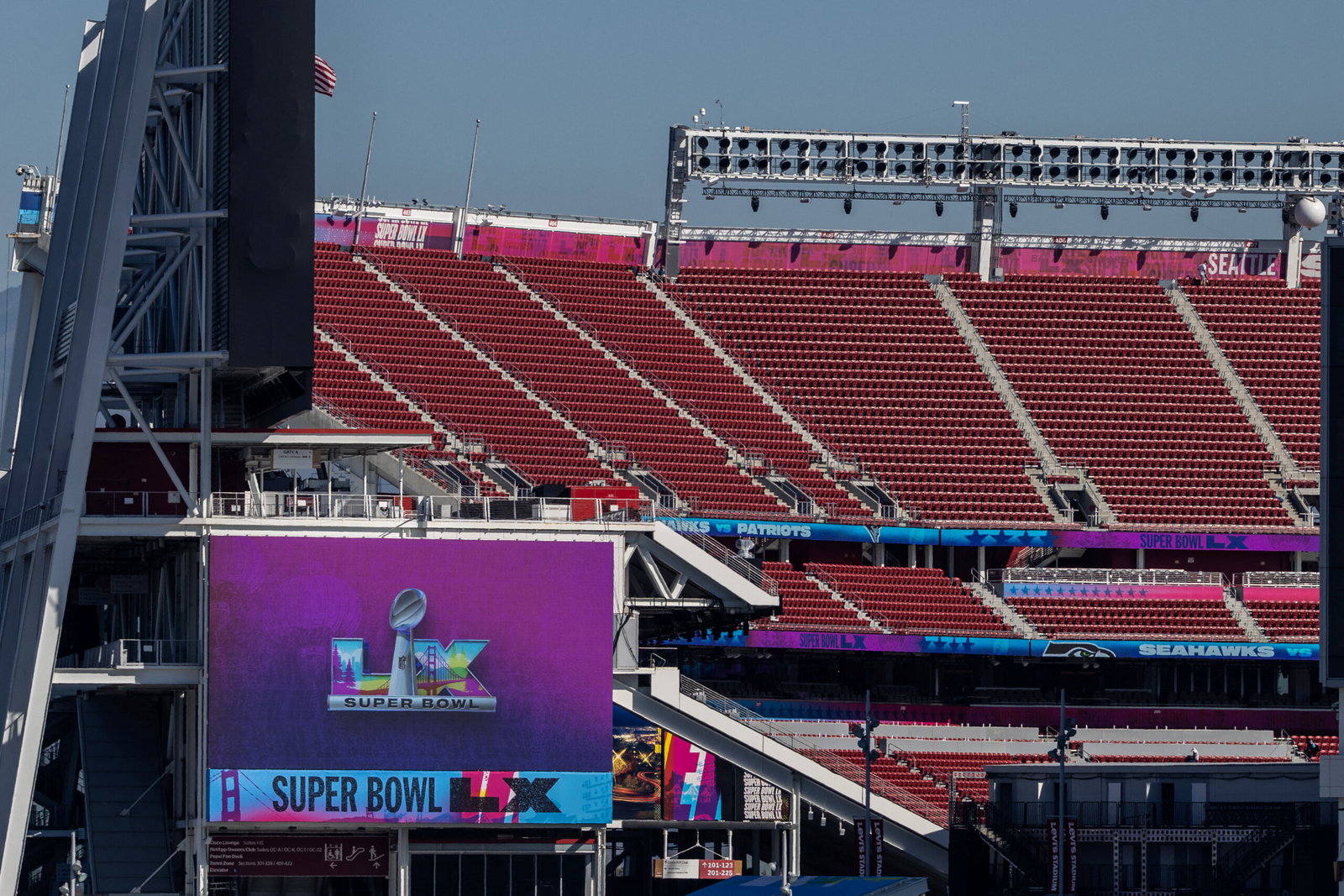
The 2026 NFL Super Bowl musical lineup features a curated selection of prominent artists performing the national anthem, pre-game segments, and the iconic halftime show. These high-profile entertainment selections bring together multi-platinum recording artists and cultural icons to mark the culmination of the professional football season on sports' biggest stage.
Understanding the Selection Process for Super Bowl Performers
The selection of performers for the National Football League's championship game is a meticulous, multi-month undertaking involving league executives, network television partners, and major entertainment conglomerates. When fans search to see who will sing and shine on the grandest stage, they are looking at the culmination of an intricate booking strategy.
The National Football League partners directly with entertainment enterprise Roc Nation to coordinate the music talent for the halftime show and core pre-game ceremonies. This collaboration shapes the cultural footprint of the broadcast, ensuring that the chosen artists appeal to a massive, demographically diverse global audience. Producers look for performers who not only possess a deep catalog of globally recognized hits but also exhibit the dynamic stage presence required to deliver a high-impact, stadium-scale production within a strict, highly regulated timeline.
Logistical considerations heavily influence these choices. Transforming a professional football field into a massive concert stage and dismantling it within a strict eight-minute window demands extraordinary precision. Performers, choreographers, and hundreds of field-level stagehands must rehearse in secret for weeks to execute a seamless transition that does not delay the game's second half. Consequently, the artists chosen are seasoned professionals capable of handling the intense physical and technical demands of a live broadcast watched by over one hundred million viewers.
The Evolution of the Halftime Show and Pre-Game Ceremonies
Musical performances have been a staple of professional football championship games since their inception, yet the scope and cultural gravity of these segments have transformed dramatically over the decades. In the earliest iterations of the championship, entertainment was largely provided by collegiate marching bands, local drill teams, and traditional pop singers. These early segments served primarily as festive padding for the intermission between the game's first and second halves rather than standalone cultural phenomena.
A significant turning point occurred in the early 1990s, when league organizers recognized that viewers would tune away during the intermission if the entertainment did not match the scale of the athletic competition. Booking contemporary pop superstars and rock legends fundamentally shifted audience expectations. Over subsequent decades, the halftime showcase evolved from a musical variety show into an elaborate theatrical production featuring cutting-edge pyrotechnics, augmented reality broadcast graphics, and complex multi-artist collaborations.
Today, the pre-game ceremonies have also expanded in prominence. Artists chosen to deliver the national anthem, America the Beautiful, and Lift Every Voice and Sing set an emotional and patriotic tone for the stadium and television audience. These performances are meticulously vetted and rehearsed to adhere to strict timing requirements, ensuring the broadcast window remains synchronized with national television schedules and commercial obligations.
Breakdown of Key Musical Roles and Performance Segments
The entertainment lineup for the championship game is divided into distinct segments, each fulfilling a specific ceremonial or cultural purpose. Understanding these roles clarifies how different artists contribute to the overall broadcast experience.
| Performance Segment | Primary Purpose | Typical Artistic Profile |
|---|---|---|
| National Anthem | Patriotic opening ceremony | Renowned vocalists, opera stars |
| Supporting Pre-Game | Cultural enrichment & unity | R&B, gospel, or legacy artists |
| Halftime Show | Main entertainment centerpiece | Global pop, hip-hop, or rock headliners |
Each segment demands a unique performance style. The national anthem requires vocal control and precision, often delivered a cappella or with minimal instrumental accompaniment to highlight the vocalist's range. Supporting pre-game numbers provide an opportunity to showcase diverse musical genres and honor historical cultural traditions. Meanwhile, the halftime show functions as a high-octane mini-concert, frequently featuring surprise guest appearances, elaborate costume changes, and complex choreography designed to maximize visual and auditory impact.
Production Logistics and Technical Execution Behind the Scenes
Delivering a flawless musical performance inside a packed football stadium during a major broadcast presents unprecedented engineering hurdles. Audio technicians must manage complex acoustic environments where sound echoes off massive concrete stands and open-air roofs. Performers typically rely on specialized in-ear monitoring systems to combat stadium latency, ensuring they remain perfectly synchronized with backing tracks and live instrumentalists stationed off-field.
The deployment of the stage itself is a masterclass in temporal coordination. Dozens of modular cart units are rolled out through tunnel entryways by trained volunteer and professional crews. These units lock together to form a multi-level performance platform equipped with integrated lighting rigs and hydraulic lifts. Every second is accounted for in the master run sheet, from the final whistle of the second quarter to the moment the staging must clear the sidelines to allow the football teams to warm up for the second half.
Furthermore, broadcast engineers employ advanced audio mixing techniques to balance the raw vocals of the performers against the ambient roar of tens of thousands of screaming fans. This delicate balancing act ensures that television viewers receive a polished, studio-quality audio experience while preserving the electric atmosphere of the live venue.
Frequently Asked Questions
Who chooses the performers for the annual football championship broadcast?
The National Football League selects the performers in collaboration with its primary entertainment production partner, Roc Nation. This team evaluates artists based on their current cultural relevance, catalog depth, and ability to deliver a globally appealing stadium-scale production.
How long is the main halftime musical set?
The primary halftime show typically lasts between 12 and 15 minutes. This strict window includes the rapid assembly and disassembly of the stage, leaving approximately 8 to 10 minutes of actual performance time for the headlining artist and their guests.
Are the vocal performances live during the broadcast?
While instrumental tracks and backing vocals are frequently pre-recorded to mitigate acoustic and technical risks in an open-air stadium environment, headline artists and national anthem vocalists nearly always sing their primary lead vocals live.
Do the musical performers get paid for their appearance?
Headlining artists do not receive a traditional performance fee or appearance salary from the league. Instead, the National Football League covers all production costs, staging expenses, and travel logistics, while artists benefit from a massive surge in streaming numbers, album sales, and touring demand.
Can emerging artists or independent musicians secure a spot in the lineup?
The core headlining and ceremonial slots are reserved for established, globally recognized superstars due to the immense viewership and commercial stakes of the broadcast. However, local marching bands, youth choirs, and regional color guard units frequently participate in pre-game field presentations.
Maximizing Your Viewing Experience and Next Actions
To fully appreciate the scale and artistry of the annual championship entertainment, viewers should examine the official announcements released by the league and its broadcasting partners in the months leading up to the game. Reviewing the rehearsal schedules, behind-the-scenes documentaries, and artist interviews provides deeper context into the months of preparation required to execute these historic performances. Engage with official broadcast streams and verified social media channels to access exclusive pre-show coverage, track surprise guest rumors, and experience the cultural phenomenon as it unfolds live.