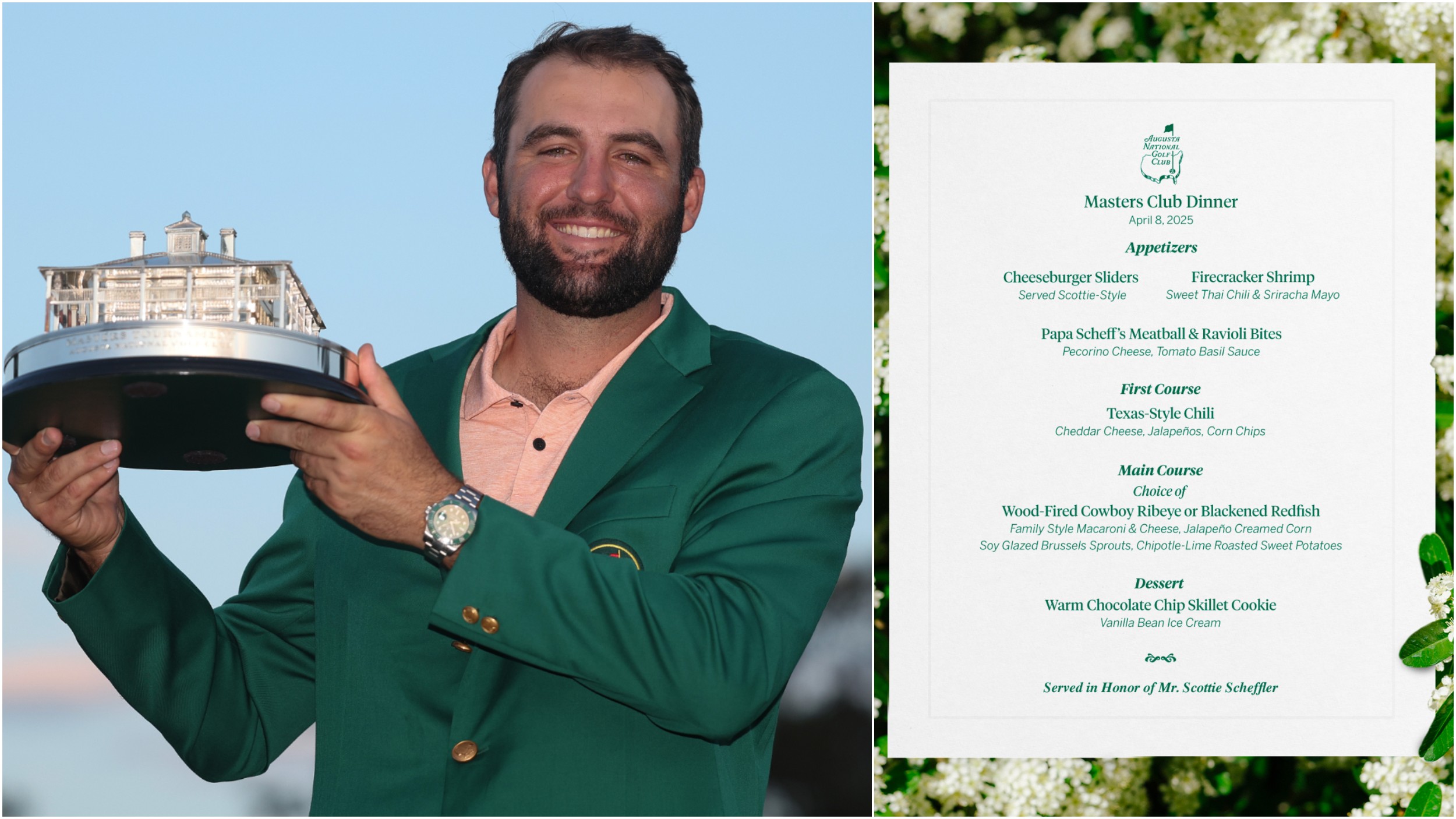
The Masters Champions Dinner is an exclusive tradition held annually on the Tuesday preceding the Masters Tournament at Augusta National Golf Club. The defending champion hosts the evening, selecting a customized menu inspired by their personal heritage and culinary tastes. Recreating these iconic dishes with chef-curated recipes and sommelier wine pairings offers golf enthusiasts an elevated culinary experience.
The Heritage and Mechanics of the Masters Champions Dinner
First hosted by Ben Hogan in 1952 following his 1951 victory, the Masters Club Dinner—commonly known as the Champions Dinner—has become one of the most revered traditions in professional sports. Held inside the Augusta National clubhouse, the gathering brings together living Masters champions alongside the Chairman of Augusta National Golf Club.
The operational protocol of the dinner is strictly defined by tradition:
- Host Responsibilities: The defending champion selects the entire food and beverage menu and personally pays the bill for all attending members.
- Dress Code: Attendees wear their official Green Jackets, a tradition that reinforces the exclusive nature of the brotherhood.
- Culinary Scope: While Augusta National’s executive kitchen staff prepares the meal, champions often collaborate with guest chefs or import specific regional ingredients to ensure authenticity.
Over the decades, menus have evolved from simple steak and potato offerings into sophisticated multi-course showcases of global gastronomy. Recent champions have highlighted regional specialties, ranging from Spanish tapas and Basque txuleta steaks to Japanese Wagyu beef and classic Southern comfort food. Recreating these menus requires a balance of authentic regional techniques and precise wine matching.
Deconstructing the Champions Dinner Structure
A classic Masters Champions Dinner follows a formal multi-course dining structure designed to showcase distinct flavor profiles across hors d'oeuvres, appetizers, main courses, and desserts. Understanding this progression allows hosts to build a cohesive menu for a tournament viewing event or celebratory gathering.
- Hors d'Oeuvres & Tapas
- Seafood / First Course
- Prime Entrée & Sides
- Artisanal Dessert
Iconic Menu Profiles in Masters History
| Host Champion | Winning Year | Menu Theme | Signature Entrée | Standout Dessert | Recommended Wine Pairing Style |
|---|---|---|---|---|---|
| Jon Rahm | 2023 (Served 2024) | Basque Tapas & Spanish Feast | Chuletón de Crotón (Ribeye Steak) | Mamia or Basque Burnt Cheesecake | Rioja Gran Reserva / Ribera del Duero |
| Scottie Scheffler | 2022 / 2024 | Texas BBQ & Southern Comfort | Texas-Style Prime Ribeye Steak | Warm Chocolate Chip Skillet Cookie | Napa Valley Cabernet Sauvignon |
| Hideki Matsuyama | 2021 (Served 2022) | Authentic Japanese Fine Dining | Miyazaki Wagyu Beef A5 Grade | Japanese Fluffy Cheesecake & Matcha | Red Burgundy (Pinot Noir) or Aged Sake |
| Tiger Woods | 2019 (Served 2020) | Pan-Asian & Classic Steakhouse | Prime Steak Fajitas & Sushi Platter | Churros with Mexican Chocolate | Alexander Valley Cabernet Sauvignon |
| Dustin Johnson | 2020 (Served 2021) | Classic Southern Comfort | Filet Mignon & Crispy Sea Bass | Peach Cobbler with Vanilla Ice Cream | Russian River Valley Chardonnay / Syrah |
Chef's Exclusive Recipes for a Masters-Inspired Feast
To recreate the Champions Dinner experience at home, these four recipes combine classic Augusta influences with modern culinary techniques.
Appetizer: Firecracker Shrimp & Wagyu Sliders
Inspired by Scottie Scheffler's champion appetizers, this dual-plating contrasts spicy, crispy seafood with rich, savory Wagyu beef.
Ingredients
- For the Shrimp: 1 lb jumbo shrimp (peeled and deveined), ½ cup cornstarch, 2 egg whites, vegetable oil for frying.
- Firecracker Sauce: ⅓ cup mayonnaise, 2 tbsp sriracha, 1 tbsp sweet chili sauce, 1 tbsp honey, 1 tsp lime juice.
- For the Sliders: 1 lb ground Wagyu or prime beef (80/20 blend), brioche slider buns, white cheddar slices, caramelized onions, garlic aioli, sea salt, and freshly cracked black pepper.
Preparation Steps
- Prepare the Firecracker Sauce: Whisk mayonnaise, sriracha, sweet chili sauce, honey, and lime juice in a bowl until smooth. Cover and refrigerate.
- Fry the Shrimp: Heat 1½ inches of oil in a heavy skillet to 375°F (190°C). Whisk egg whites in one bowl and place cornstarch in another. Dip shrimp into egg whites, dredge in cornstarch, and fry in batches for 2–3 minutes until golden brown. Drain on paper towels, then toss in the firecracker sauce.
- Sear the Wagyu Sliders: Divide ground beef into four 2-ounce patties. Season generously with kosher salt and black pepper. Heat a cast-iron skillet over high heat. Sear patties for 2 minutes per side to form a deep crust. Top with white cheddar, cover briefly to melt, and transfer to toasted brioche buns spread with garlic aioli and caramelized onions.
First Course: Traditional Spanish Txangurro (Baked Crab)
Inspired by Jon Rahm's Basque-themed feast curated alongside Chef José Andrés, this dish showcases sweet crab meat baked with aromatics and brandy.
Ingredients
- 1 lb lump blue crab meat (picked for shells)
- 1 medium yellow onion, finely diced
- 1 leek (white part only), finely washed and diced
- 1 ripe tomato, grated
- 2 tbsp Spanish brandy or Cognac
- 2 tbsp heavy cream
- 2 tbsp unsalted butter
- ½ cup panko breadcrumbs mixed with 1 tbsp melted butter and fresh parsley
- Salt, cayenne pepper, and sweet Spanish paprika (Pimentón)
Preparation Steps
- Sauté Aromatics: Melt butter in a sauté pan over medium heat. Add onion and leek; cook slowly for 10–12 minutes until soft and translucent without browning.
- Build the Sauce: Stir in grated tomato and cook for 5 minutes until liquids reduce. Pour in brandy and carefully flambé or reduce until alcohol evaporates.
- Combine and Season: Turn heat to low, stir in heavy cream, sweet paprika, and a pinch of cayenne. Fold in lump crab meat gently to keep pieces intact. Season with salt to taste.
- Bake: Divide mixture into oven-safe ramekins or clean crab shells. Top evenly with buttered panko breadcrumbs. Bake at 400°F (200°C) for 12–15 minutes until top is golden brown and bubbling.
Main Entrée: Prime Dry-Aged Ribeye with Herb-Garlic Compound Butter
A cornerstone of multiple Champions Dinners, a perfectly seared prime bone-in ribeye brings classic American steakhouse tradition to the table.
- Room Temp Ribeye
- Cast-Iron High-Heat Sear
- Baste with Butter/Herbs
- 10-Min Rest
Ingredients
- Two 16-oz prime bone-in ribeye steaks (dry-aged 28 days preferred), brought to room temperature
- 2 tbsp high-smoke-point oil (avocado or canola oil)
- Kosher salt and coarse black pepper
- Compound Butter: 4 tbsp unsalted butter (softened), 2 cloves minced garlic, 1 tbsp chopped fresh rosemary, 1 tbsp chopped fresh thyme, ½ tsp flaky sea salt.
Preparation Steps
- Prepare Compound Butter: Mix softened butter, minced garlic, rosemary, thyme, and sea salt in a small bowl. Shape into a log using plastic wrap and chill until firm.
- Season Steak: Pat ribeyes completely dry with paper towels. Season generously on all sides with kosher salt and coarse black pepper at least 40 minutes before cooking.
- Sear and Baste: Heat a heavy cast-iron skillet over high heat until smoking. Add oil, then place steaks in the pan. Sear for 3–4 minutes until a deep brown crust forms. Flip steaks, add two slices of compound butter to the pan, and baste continuously for another 3–4 minutes until internal temperature reaches 125°F for medium-rare (verified with a digital thermometer).
- Rest: Transfer steaks to a warm cutting board and place a fresh slice of compound butter on top. Rest for 8–10 minutes before carving to allow juices to redistribute.
Dessert: Basque-Style Burnt Cheesecake
Unlike traditional New York cheesecake, Basque burnt cheesecake is baked at a high temperature, creating a caramelized exterior with a custardy, rich center.
Ingredients
- 24 oz (3 packages) cream cheese, at room temperature
- 1½ cups granulated sugar
- 4 large eggs, room temperature
- 1½ cups heavy cream
- 1 tsp vanilla extract
- 3 tbsp all-purpose flour
- ½ tsp fine salt
Preparation Steps
- Preheat Oven: Heat oven to 400°F (200°C). Line a 9-inch springform pan with two overlapping sheets of parchment paper, leaving at least 2 inches of overhang above the rim.
- Mix Batter: Beat cream cheese and sugar in a stand mixer fitted with the paddle attachment on medium speed for 2 minutes until smooth. Add eggs one at a time, mixing well after each addition.
- Add Cream and Dry Ingredients: Reduce speed to low. Pour in heavy cream and vanilla extract. Sift flour and salt into batter and mix just until incorporated.
- Bake: Pour batter into prepared pan. Bake for 50–55 minutes until top is deeply browned and caramelized, but center retains a distinct wobble.
- Cool: Remove from oven and cool completely on a wire rack at room temperature. Serve at room temperature for maximum creaminess.
Sommelier Wine Pairings
A successful Champions Dinner menu requires deliberate beverage pairings that complement the fat, acid, and flavor intensity of each course. The following recommendations are selected according to classical sommelier pairing guidelines established by the Court of Master Sommeliers.
| Course | Primary Wine Choice | Alternative Wine Choice |
|---|---|---|
| Firecracker Shrimp/Sliders | Champagne Blanc de Blancs | Spanish Cava Gran Reserva |
| Txangurro (Baked Crab) | Spanish Albariño (Rías Baixas) | Russian River Valley Chardonnay |
| Prime Dry-Aged Ribeye | Napa Valley Cabernet Sauvignon | Rioja Gran Reserva (Tempranillo) |
| Basque Burnt Cheesecake | Vintage Tawny Port (20-Year) | Tokaji Aszú (5 Puttonyos) |
Course-by-Course Pairing Rationale
- Appetizer Course: The crisp acidity and fine effervescence of a Blanc de Blancs Champagne (100% Chardonnay) cut through the fried coating and spicy mayonnaise of firecracker shrimp while cutting the rich fat of Wagyu sliders.
- First Course: A high-acid, mineral-driven Albariño from Rías Baixas complements the sweet, delicate crab meat without overwhelming the herbs and butter sauce.
- Main Entrée: High-tannin reds are essential when serving dry-aged ribeye. A structured Napa Valley Cabernet Sauvignon or a mature Rioja Gran Reserva possesses the structural weight and acidity needed to bind with meat proteins and slice through intramuscular fat.
- Dessert: The caramelized, butterscotch notes of a 20-Year Tawny Port echo the burnt sugar exterior of the Basque cheesecake, balancing the rich custard interior without making the finish cloying.
Tournament Viewing Dinner Setup and Logistics
Executing a multi-course Masters dinner during tournament week requires advance preparation to minimize kitchen downtime during live coverage.
Pre-Event Service Checklist
- 24 Hours Prior: Bake the Basque burnt cheesecake; allow to cool and settle at room temperature. Prepare compound butter and store wrapped in refrigerator.
- 12 Hours Prior: Pick and drain crab meat; chop aromatics for Txangurro.
- 4 Hours Prior: Remove ribeye steaks from refrigeration to equalize surface temperature before searing.
- 30 Minutes Prior: Preheat oven for crab ramekins; heat cast-iron skillets.
Table Setting Guidelines
To match Augusta National’s classic dining aesthetic, use clean white ceramic dinnerware set against hunter-green table linens or placemats. Accent the table with simple yellow floral arrangements (such as yellow roses or daffodils) to reflect the iconic green-and-yellow Masters color palette. Serve wines in high-quality stemware appropriate for each varietal (flutes or white wine glasses for course one and two; large-bowl Bordeaux glasses for the Cabernet Sauvignon).
Frequently Asked Questions
Who pays for the Masters Champions Dinner?
The defending Masters champion pays for the entire meal, including all food, alcoholic beverages, and specialized imported ingredients, for every past champion and official guest in attendance.
Can non-champions or family members attend the dinner?
No. The Champions Dinner is strictly restricted to past Masters Tournament winners and the current Chairman of Augusta National Golf Club. Family members, caddies, agents, and guests are not permitted inside the dining room.
What happens if a champion cannot attend?
If a past champion is unable to travel or attend due to health or personal reasons, their place at the table remains unassigned for that year. Their membership in the Masters Club remains permanent for life.
How do Augusta National chefs prepare custom international recipes?
Months prior to the tournament, Augusta National's executive culinary team consults directly with the defending champion. In many cases, champions provide personal family recipes, or Augusta National flies in guest chefs from the champion’s home country to ensure absolute authenticity.
What is the most iconic menu item in Champions Dinner history?
While steak and seafood are common, unique menus stand out—such as Tiger Woods' 1998 menu of cheeseburgers, chicken sandwiches, french fries, and milkshakes, or Sandy Lyle's 1989 menu featuring traditional Scottish haggis.
Executing Your Masters Culinary Event
To host an authentic Masters Champions Dinner experience:
- Select 3–4 cohesive courses that highlight both regional American steakhouse classics and international flavors.
- Source high-grade ingredients early, particularly prime dry-aged beef, lump blue crab, and authentic Spanish spices.
- Chill sparkling and white wines to 45°F–50°F (7°C–10°C), and open red wines 60 minutes prior to serving the main entrée to allow adequate aeration.
- Prepare heat-stable dishes ahead of time so you can spend tournament evening enjoying the broadcast with guests rather than managing active cook times.