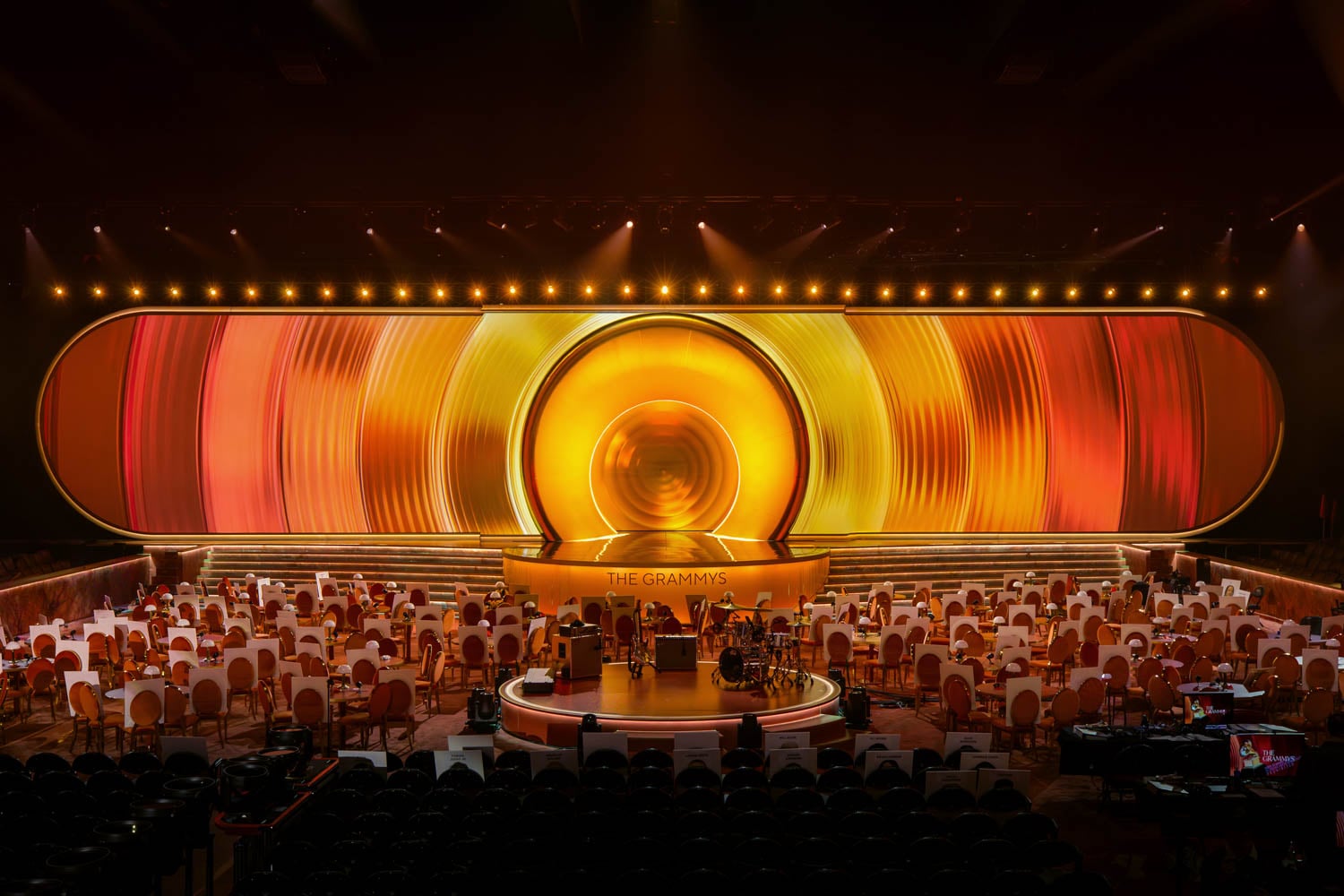
The 68th Annual Grammy Awards, held in early 2026, celebrate the most significant musical achievements released during the eligibility window of September 16, 2024, through August 30, 2025. Broadcast live from the Crypto.com Arena in Los Angeles, the ceremony honors excellence across 94 categories, representing the collective vote of the Recording Academy’s professional membership.
The 2026 Eligibility Window and Submission Criteria
Understanding the 2026 Grammy Awards requires a clear look at the strict chronological and technical requirements set by the Recording Academy. For the 68th edition, the eligibility period spans from mid-September 2024 to late August 2025. This cycle ensures that the awards capture a full year of musical evolution, separate from the immediate holiday rush of the preceding year.
To be considered for the 2026 awards, recordings must be "commercially available" via recognized streaming services or digital retailers. The Academy maintains a "75% rule" for albums, meaning that more than three-quarters of the playing time must consist of newly recorded material (within five years of the release date) that has not been previously released. This prevents older "Greatest Hits" or archival collections from competing in the current year's field, focusing the spotlight on contemporary creative output.
Furthermore, the 2026 cycle continues to enforce the "human creator" requirement. While the music industry has seen a massive influx of generative AI tools, the Recording Academy’s 2023 ruling remains the standard: only human creators are eligible to be submitted for, nominated for, or win a Grammy. While a work may contain elements of AI-generated content, the human authorship of the music and lyrics must be meaningful and more than de minimis.
The 68th Annual Ceremony: Logistics and Broadcast Details
The 68th Annual Grammy Awards returned to the Crypto.com Arena in Los Angeles, maintaining its status as the "home" of the Grammys. The ceremony is a multi-tiered event, beginning with the Premiere Ceremony (where the majority of the 94 categories are awarded) followed by the high-profile telecast.
Broadcast Partnerships
As part of the long-term agreement between the Recording Academy and Paramount Global, the 2026 ceremony was broadcast live on the CBS Television Network. In line with the shift toward digital consumption, the event was simultaneously streamed on Paramount+, providing both live access and on-demand viewing for "Premium" subscribers. This multi-platform approach is vital for reaching a global audience that increasingly eschews traditional cable for interactive streaming environments.
The Venue Experience
The choice of the Crypto.com Arena allows for a complex stage design capable of handling back-to-back performances from the world's largest acts. The 2026 production emphasized "immersive audio" and advanced visual mapping, reflecting the technical categories that have gained prominence in recent years. For the artists, the "Grammy Week" leading up to the ceremony included a series of high-stakes events, such as the MusiCares Person of the Year gala and the Producers & Engineers Wing celebration.
The Three-Stage Voting Process for 2026
The integrity of the 2026 Grammy Awards rests on the Academy’s peer-review system. Unlike "fan-voted" awards, the Grammys are decided by professional musicians, producers, engineers, and songwriters who are active members of the Recording Academy.
- The Submission Phase: During the late summer and early autumn of 2025, members and record labels submitted thousands of recordings for consideration. These were checked for eligibility and category placement by over 350 experts.
- First Round Voting: Voting members cast their ballots to determine the nominees. Members are restricted in their voting; they may vote in the "General Field" (The Big Four) and in a limited number of specialized genre fields (e.g., Jazz, Rock, Classical) to ensure that voters are only weighing in on areas where they possess professional expertise.
- Final Round Voting: Once the nominees were announced in late 2025, the final ballot determined the winners. The results were kept under seal by the independent accounting firm Deloitte until the envelopes were opened on stage in 2026.
Key Categories and the 2024–2025 Music Cycle
The 2026 awards are a reflection of the music industry’s landscape during the 2024-2025 eligibility period. This window saw a significant resurgence in genre-blending albums and a "globalist" approach to pop music.
The General Field (The "Big Four")
The most prestigious awards—Record of the Year, Album of the Year, Song of the Year, and Best New Artist—remain the central focus. In the 2026 cycle, these categories were influenced by major releases from late 2024, such as Tyler, The Creator’s CHROMAKOPIA (released October 2024), and high-profile 2025 projects from artists like Kendrick Lamar and SZA.
Record vs. Song of the Year
A common point of confusion for viewers is the distinction between Record and Song of the Year. For the 68th awards:
- Record of the Year honors the performing artist, producers, and engineers. It is about the sound and the technical capture of the performance.
- Song of the Year is a songwriter’s award. It honors the composition, the melody, and the lyrics, regardless of how "polished" the final production might be.
Technical Milestones and Category Evolutions
By 2026, the Recording Academy had fully integrated several category changes intended to make the awards more representative of modern listening habits. This includes the expanded "Best African Music Performance" and "Best Alternative Jazz Album," categories that saw high engagement during the 2025 voting cycle.
| Milestone / Deadline | Approximate Date | Purpose |
|---|---|---|
| Eligibility Window Opens | September 16, 2024 | Official start for new recordings to qualify. |
| Eligibility Window Closes | August 30, 2025 | Final day for product release to count for 2026. |
| First Round Voting | October 2025 | Members vote to determine the official nominees. |
| Nominations Announcement | November 2025 | The list of nominees for the 68th Grammys is released. |
| Final Round Voting | Jan – Feb 2026 | The period where the eventual winners are selected. |
| 68th Grammy Awards Ceremony | February 2026 | The live broadcast and announcement of winners. |
The Impact of Global Music and Independent Artists
A defining feature of the 2026 Grammy cycle was the continued decentralization of the music industry. The 68th awards highlighted a significant increase in nominations for independent artists who utilized social platforms and direct-to-consumer distribution models rather than traditional major label support.
The "Best New Artist" category, in particular, has seen its criteria evolve. While the category formerly had strict track-count limits, the 2026 guidelines focus on "the year the artist achieved a breakthrough into the public consciousness." This allowed the Academy to recognize artists who may have been releasing music for several years but only reached their critical and commercial peak during the 2024-2025 window.
Best Immersive Audio Album
In 2026, the technical categories gained mainstream attention due to the ubiquity of spatial audio in consumer headphones. The Recording Academy’s focus on the "Best Immersive Audio Album" category highlights the work of mix engineers who are redefining how listeners experience space and depth in music, a trend that was a hallmark of the 2025 production style.
FAQ
How can I watch the 2026 Grammy Awards?
The 68th Annual Grammy Awards are broadcast live on CBS and are available for streaming on Paramount+. For viewers outside the United States, local broadcasting rights vary, but the "Grammy Live" red carpet and premiere ceremony are typically hosted on live.grammy.com and the Academy's official YouTube channel.
What is the eligibility period for the 2026 Grammys?
The eligibility period for the 2026 awards ran from September 16, 2024, through August 30, 2025. Any music released after August 30, 2025, is pushed into the 2027 (69th) Grammy cycle, regardless of its popularity or critical acclaim during the 2026 calendar year.
Can AI-generated music win a 2026 Grammy?
No, purely AI-generated music is ineligible. The Recording Academy requires "meaningful" human authorship. While an artist can use AI as a tool (similar to a synthesizer or a DAW), the human contribution must be the primary driver of the composition and performance.
Where were the 2026 Grammys held?
The ceremony took place at the Crypto.com Arena in Los Angeles, California. This venue has hosted the majority of the ceremonies since 1999 (under its current name and its former name, Staples Center), due to its advanced production infrastructure and capacity.
How are the Grammy winners decided?
Winners are decided by the voting members of the Recording Academy. These are music industry professionals who meet specific criteria regarding their creative or technical credits on commercially released recordings. The process is a "peer-to-peer" system designed to prioritize artistic excellence over commercial sales or chart performance.
Staying Updated on Recording Academy Developments
To follow the outcomes of the 2026 cycle or to prepare for the 2027 submission period, the most reliable resource is the official Recording Academy website. The Academy provides detailed "Rulebooks" and "Guidelines" that are updated annually to reflect the changing technological and cultural landscape of music.
For fans and industry professionals alike, reviewing the "Grammy 101" resources can provide deeper insight into how categories are defined and how to properly credit contributors. Staying informed through the Academy’s official newsletters is the recommended next action for those tracking the technical and legislative advocacy work the organization performs throughout the year.