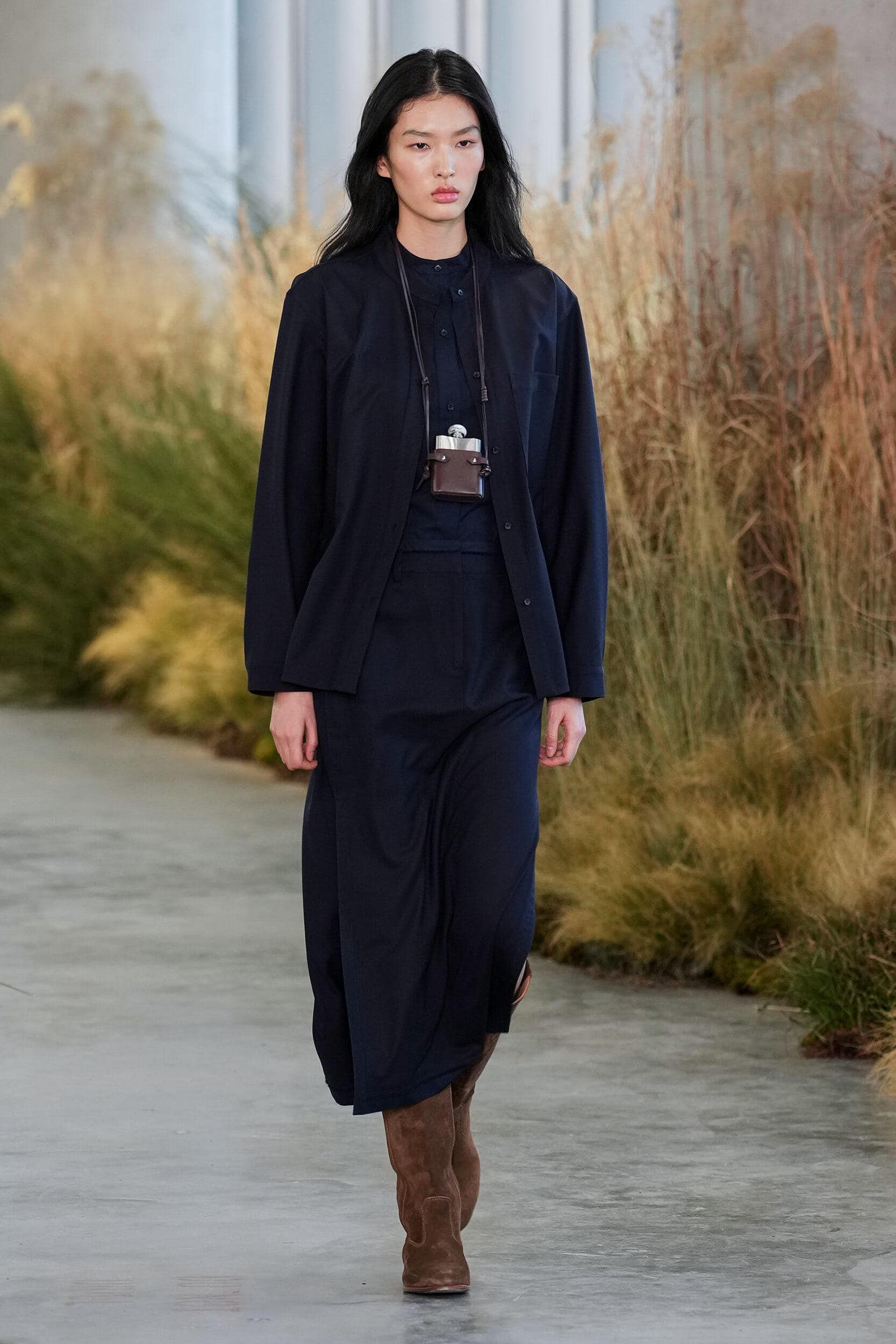
In 2026, fashion is defined by the convergence of biological innovation and hyper-personalized digital manufacturing. The industry has shifted from mass-produced seasonal cycles to a demand-driven model where bio-fabricated materials, integrated wearable technology, and circularity regulations dictate the aesthetics of the global wardrobe.
The landscape of 2026 fashion represents a fundamental departure from the extractive practices of the previous decade. We are no longer looking at sustainability as a "premium" feature; it is now the baseline for market entry, driven largely by stringent international regulations and a consumer base that demands radical transparency. This year, the visual language of clothing is split between two major poles: the high-performance, sensor-embedded "Smart Utility" and the organic, textural "Regenerative Craft."
The Dominance of Bio-Fabricated Materials
As of 2026, the commercialization of lab-grown textiles has reached its most significant milestone. Leather alternatives derived from mycelium (mushroom roots) and lab-grown collagen have moved from limited-edition luxury collaborations into mainstream retail. These materials are favored not just for their ethical footprint but for their superior performance characteristics—such as natural breathability and resistance to microbial growth—that traditional synthetics cannot match.
Algae-based dyes and pigments are also dominating the 2026 runways. Unlike synthetic dyes, which historically contributed to significant water pollution, these bio-pigments are carbon-negative and offer a unique "living color" aesthetic. These colors often subtly shift in hue based on light exposure or the pH of the wearer’s skin, creating a dynamic relationship between the garment and the individual. This transition has been supported by the Ellen MacArthur Foundation's ongoing circular economy initiatives, which have successfully pushed for the phase-out of hazardous textile chemicals globally.
AI-Driven Personalization and On-Demand Manufacturing
The "size medium" is becoming a relic of the past. In 2026, generative AI and high-precision 3D body scanning have enabled a "made-to-measure" revolution at scale. Consumers now utilize mobile scanning technology to create high-fidelity digital twins of themselves, which are then used to generate perfect-fit patterns for every purchase.
This shift has significantly reduced the industry’s historic 30% overproduction rate. Brands now operate on a "micro-inventory" basis, where base silhouettes are kept in stock while final details, fit adjustments, and embellishments are executed via automated 3D knitting or robotic assembly lines only after a customer places an order. This "Just-In-Time" (JIT) fashion model has drastically lowered carbon footprints by eliminating the need for massive warehouses and the subsequent incineration of unsold stock—a practice now illegal in several major jurisdictions, including the European Union.
The Circular Revolution and Digital Product Passports
A defining feature of fashion in 2026 is the mandatory implementation of Digital Product Passports (DPP). Every garment produced or sold within major economic zones now carries a scannable QR code or NFC chip embedded in the care label. This digital ID provides a comprehensive history of the garment, including:
- Origin of Raw Materials: Verified data on where the fibers were grown or synthesized.
- Manufacturing Transparency: Labor certifications for the facilities where the garment was assembled.
- Recyclability Instructions: Specific chemical compositions to assist automated sorting machines in textile recycling centers.
- Ownership History: A secure ledger for the secondary resale market, ensuring authenticity for high-value items.
The implementation of these passports has bolstered the resale market, which is projected to outpace primary retail growth in 2026. Platforms like Vestiaire Collective and specialized brand-owned "Re-commerce" portals use this data to verify the condition and provenance of items, making "pre-loved" fashion the primary choice for the Gen Z and Alpha demographics.
Aesthetic Shifts: Neo-Futurism vs. Regenerative Craft
Visually, 2026 fashion is characterized by a tension between high-tech utility and raw, earth-based aesthetics.
Neo-Futurism and Smart Utility
This aesthetic is driven by the integration of technology into daily life. We are seeing a resurgence of sleek, aerodynamic silhouettes made from "liquid-metal" fabrics and shape-memory alloys that adjust their insulation properties based on ambient temperature. Smart garments now include haptic feedback for navigation, integrated health sensors that sync with personal AI assistants, and even "active camouflage" textiles that can change opacity or pattern via low-voltage electrical currents.
Regenerative Craft
Conversely, there is a powerful movement toward "visible repair" and hyper-textural handcraft. This aesthetic celebrates the "imperfections" of natural fibers—hemp, nettle, and recycled wool. Popularized by a desire for tactile grounding in an increasingly digital world, Regenerative Craft features oversized knits, botanical printing, and "solarpunk" influences. It emphasizes longevity and the beauty of a garment that ages alongside its wearer, often incorporating modular elements that can be swapped out as styles or bodily needs change.
2026 Material Performance Comparison
The following table outlines the primary textile categories dominating the 2026 market and their respective roles in the modern wardrobe.
| Material Category | Key Composition | Primary Use Cases | Environmental Impact | Durability Factor |
|---|---|---|---|---|
| Mycelium Leather | Fungal root structures | Luxury bags, footwear, outerwear | Carbon-sequestering, biodegradable | High (improves with age) |
| Recycled Synthetics | Ocean-bound plastics / textile waste | Performance activewear, swimwear | Low (removes existing waste) | Very High |
| Lab-Grown Silk | Engineered yeast proteins | Evening wear, lingerie, linings | Zero-animal cruelty, low water | Moderate |
| Conductive Textiles | Silver-coated nylon / carbon fibers | Smart health-tracking base layers | Requires specialized recycling | High (wash-stable) |
| Regenerative Cotton | Soil-health certified organic cotton | Basic t-shirts, denim, bedding | Soil-positive, high biodiversity | Moderate |
The Integration of Virtual and Physical Wardrobes
In 2026, the concept of a "wardrobe" extends beyond the physical closet. Most major fashion houses now release "Hybrid Collections," where a physical garment purchase includes a corresponding digital asset (NFT or digital twin) for use in augmented reality (AR) social spaces and the decentralized metaverse.
This is not merely a gimmick; it serves a practical purpose in the "try-before-you-buy" funnel. AR mirrors in retail hubs allow customers to see how digital textures interact with their movement before committing to a physical order. Furthermore, "digital-only" fashion has become a massive sub-sector for content creators who require high-impact, avant-garde looks for their digital presence without the environmental cost of physical production.
Frequently Asked Questions
Is "Fast Fashion" still around in 2026?
The traditional "ultra-fast" model has largely collapsed due to new legislative penalties on textile waste and the rising cost of carbon credits. While affordable clothing still exists, it has transitioned toward the JIT (Just-In-Time) manufacturing model, focusing on durability and recyclability rather than disposability.
How do I wash my "Smart" clothing with sensors?
Most 2026 smart textiles use encapsulated circuitry that is fully machine-washable. However, standard practice now involves "ultrasonic cleaning" devices for home use, which use sound waves and minimal water to remove dirt without degrading the delicate sensor filaments or the bio-fabricated fibers.
Why are clothes more expensive in 2026?
While the initial purchase price of garments has risen due to the inclusion of fair-wage labor and high-tech materials, the "cost-per-wear" has decreased. Consumers are buying 40% fewer items than they did in 2020 but are investing in higher-quality pieces that have high resale value and come with lifetime repair warranties.
Can I recycle my 2026 clothing at home?
While you cannot "recycle" them into new fabric at home, the Digital Product Passport allows you to schedule a free pickup for items that have reached their end-of-life. These items are sent to automated chemical recycling plants that break down fibers into their molecular building blocks to create new textiles.
What is the "Solarpunk" aesthetic I keep seeing?
Solarpunk is an optimistic aesthetic that combines high technology with green, living environments. In fashion, this translates to clothing that incorporates plant-based motifs, solar-charging fibers for small devices, and a color palette of earthy greens, terracottas, and sky blues.
Implementing a 2026 Wardrobe Strategy
To navigate the 2026 fashion landscape effectively, consumers should focus on "investing in the lifecycle." Instead of following fleeting micro-trends, the modern approach is to build a foundation of high-performance smart basics complemented by unique, bio-fabricated statement pieces.
- Prioritize the Digital ID: Before purchasing, scan the garment’s Digital Product Passport. Ensure the circularity score meets your personal standards and check the brand's repair policy.
- Embrace Modular Design: Look for garments with detachable components or adjustable silhouettes. This allows you to update the "look" of a piece without replacing the entire item.
- Utilize Resale Ecosystems: View your wardrobe as an asset portfolio. In 2026, well-maintained garments from reputable bio-fabrication brands retain significant value on the secondary market.
- Sync Your Digital Identity: Ensure your physical purchases offer digital twins if you spend significant time in professional or social AR environments.