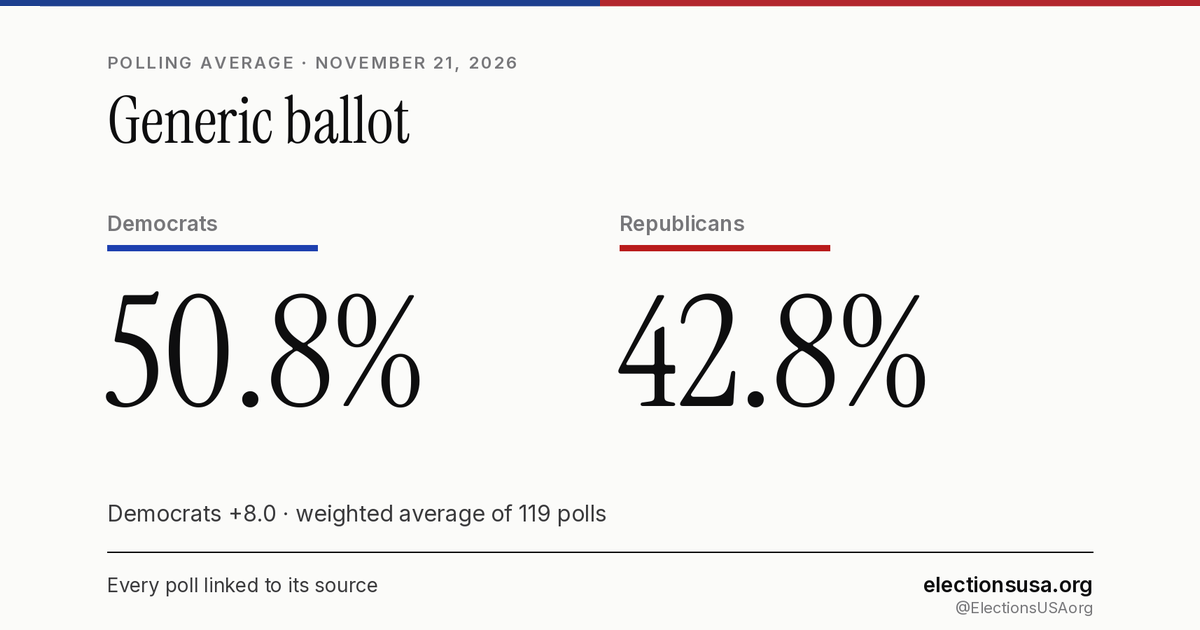
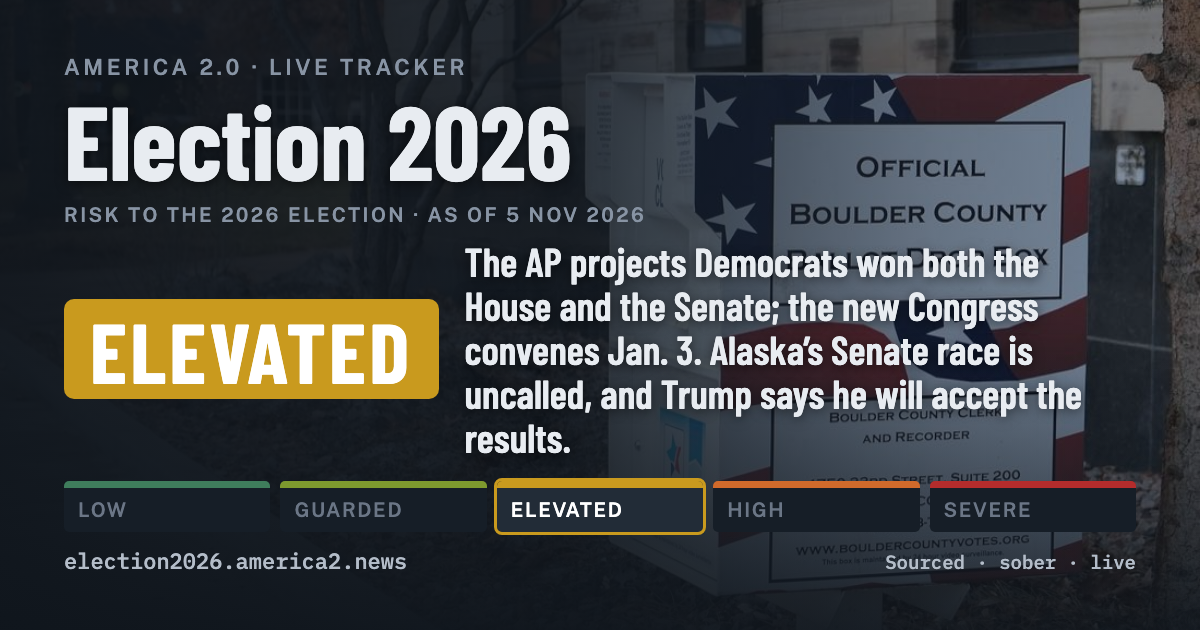
The 2026 election cycle represents a pivotal moment in American governance, serving as the midterm primary and general elections during the current presidential term. On November 3, 2026, voters will determine the composition of the 120th Congress, casting ballots for all 435 seats in the House of Representatives and 33 Senate seats, alongside numerous state-level offices.
Understanding the 2026 Midterm Landscape
Midterm elections are historically significant as they function as a referendum on the sitting administration’s performance and set the legislative agenda for the final two years of the presidential term. Unlike presidential election years, midterms often see a shift in the balance of power within the legislative branch. In 2026, the stakes are particularly high as both major political parties seek to secure majorities that will influence federal appointments, budget appropriations, and national policy.
The 2026 election cycle is not limited to federal offices. It encompasses a vast array of state and local contests that directly impact daily life, including gubernatorial races, state legislatures, and judicial positions. Because these elections do not feature a presidential contest at the top of the ticket, voter turnout strategies often focus on local issues, economic indicators, and the ideological direction of the country. For voters, understanding the structure of this election is the first step toward effective participation.
Critical Deadlines and the Election Calendar
The path to the general election in November 2026 is paved with several critical milestones, starting with the primary season. Each state operates on its own schedule, making it essential for voters to track specific dates based on their jurisdiction.
The Primary Election Season
Primary elections typically run from March through September 2026. These contests allow members of political parties to select their nominees for the general election. Some states utilize "open" primaries, where any registered voter can participate in a party's primary, while others use "closed" primaries, requiring voters to be registered with a specific party to receive that party’s ballot.
The General Election Date
The general election will be held on Tuesday, November 3, 2026. This date is established by federal law as the Tuesday following the first Monday in November. While the majority of voters will cast their ballots on this day, many states offer early voting periods and mail-in ballot options that begin weeks in advance.
Voter Registration Deadlines
Voter registration deadlines vary significantly by state. Some states allow for same-day registration on Election Day, while others require applications to be submitted up to 30 days before the election. Individuals can check their specific state requirements through the U.S. Election Assistance Commission.
Key Congressional Races to Watch
The battle for control of the U.S. Congress is the central focus of the 2026 federal elections. The outcome will determine which party holds the power to introduce legislation, conduct oversight, and confirm or block executive appointments.
The Battle for the U.S. Senate
In 2026, the 33 seats in Senate Class II are up for election. Senators serve six-year terms, meaning these seats were last contested in 2020. The map for Class II includes several "purple" states where the margin of victory is expected to be slim. Key states with Senate races in 2026 include Georgia, North Carolina, Michigan, and Pennsylvania.
The Senate is a continuous body, with only about one-third of its members up for election every two years. This structure ensures stability but also means that a shift in just a few seats can change the entire leadership of the chamber. Because the Senate holds the sole power to confirm federal judges and cabinet members, the 2026 results will have long-term effects on the judicial branch.
The House of Representatives
All 435 voting seats in the House of Representatives are up for election every two years. This makes the House highly sensitive to shifts in public opinion. In 2026, the focus will be on "swing districts"—areas where the partisan lean is nearly equal. Candidates in these districts often focus on hyper-local issues like infrastructure, regional employment, and healthcare costs to appeal to independent voters.
| Office | Total Seats Up | Term Length | Primary Function |
|---|---|---|---|
| U.S. Senate | 33 (Class II) | 6 Years | Confirming appointments, treaties, and passing federal laws. |
| U.S. House | 435 | 2 Years | Initiating revenue bills, impeachment, and passing federal laws. |
| Governors | 36 States | 4 Years* | Executing state laws, managing state budgets, and veto power. |
| State Legislatures | Varies by State | 2 or 4 Years | Creating state statutes and local funding allocations. |
*Most states use 4-year terms for governors; exceptions exist (e.g., NH, VT use 2-year terms).
Gubernatorial and State-Level Elections
While federal races dominate national headlines, the 2026 gubernatorial elections are equally consequential. In 2026, 36 states will hold elections for governor. Governors act as the chief executives of their states, wielding significant influence over education policy, state taxes, and the certification of future election results.
State-level elections also include:
- Attorneys General: Often responsible for consumer protection and enforcing state laws.
- Secretaries of State: In many jurisdictions, these officials oversee the administration of elections.
- State Legislatures: Responsible for redistricting and state-level budgeting.
Voters should pay close attention to these races, as state governments often have a more immediate impact on daily life than the federal government, particularly regarding property taxes, local school boards, and public safety.
Voter Eligibility and Registration Procedures
To participate in the 2026 election, individuals must meet specific eligibility requirements and complete the registration process. Federal law provides the baseline for these requirements, but states have the authority to implement specific procedures.
Basic Eligibility Criteria
To vote in federal elections, a person must:
- Be a U.S. citizen (either by birth or naturalization).
- Meet their state’s residency requirements.
- Be at least 18 years old on or before Election Day.
- Be registered to vote by their state's deadline (except in North Dakota).
How to Register
Most states now offer multiple ways to register:
- Online: Available in the majority of states through official Secretary of State websites.
- By Mail: Using the National Mail Voter Registration Form.
- In Person: At local election offices, motor vehicle departments (DMV), or public assistance agencies.
Voters who have recently moved, changed their name, or wish to change their party affiliation must update their registration before the 2026 deadlines to ensure they receive the correct ballot.
How to Verify Your Voter Status
Given the potential for administrative updates or changes to polling locations, verifying your voter registration status early in 2026 is highly recommended. Proactive verification helps avoid complications on Election Day.
To verify your status, visit your state's official election website or use the Vote.gov portal. You will typically need to provide your full name, date of birth, and registered address. When verifying, confirm the following:
- Registration Status: Ensure you are listed as "Active."
- Polling Location: Many jurisdictions consolidate or move polling places between election cycles.
- Political Party: If you live in a closed-primary state, confirm your party affiliation is correct to ensure you can vote in your preferred primary.
- Identification Requirements: Check if your state requires a specific form of photo ID to vote in person.
Troubleshooting Registration Issues
If you believe you are registered but do not appear in the system, contact your local county clerk or board of elections immediately. Do not wait until Election Day, as the window for correcting errors is often narrow.
Common Obstacles and How to Overcome Them
Voters sometimes face hurdles that can impede their ability to cast a ballot. Being aware of these challenges allows for better preparation.
- Absentee and Mail-In Deadlines: If you plan to vote by mail in 2026, request your ballot as early as possible. States have strict deadlines for when an application must be received and when the ballot must be postmarked or returned.
- Voter ID Laws: Some states have updated their identification requirements for the 2026 cycle. Ensure your ID is current and meets the specific criteria (e.g., government-issued photo ID).
- Language Access: Federal law requires certain jurisdictions to provide ballots and voting materials in languages other than English. If you require assistance, check with your local election office for available resources.
- Disability Access: All polling places must be accessible to voters with disabilities. If you require specific accommodations, such as a ballot marking device or curbside voting, contact your election board in advance to confirm these services are available at your specific location.
2026 Election FAQ
When is the 2026 Election Day?
The 2026 general election will take place on Tuesday, November 3, 2026. This date applies to all federal races across the United States. However, voters should be aware of their specific state’s early voting dates, which may begin in October 2026, and primary election dates, which occur throughout the spring and summer of 2026.
Which Senate seats are up for election in 2026?
The 33 seats in Senate Class II are up for election. This includes seats currently held by senators who were elected in 2020. Notable states with Senate contests include Alabama, Georgia, Michigan, North Carolina, and Texas. Because these seats have six-year terms, they are critical for parties looking to gain or maintain a majority for the remainder of the decade.
Can I vote by mail in the 2026 election?
Mail-in and absentee voting policies vary by state. Some states, like Oregon and Washington, conduct elections entirely by mail. Others allow "no-excuse" absentee voting, while some require a specific reason (such as illness or travel) to vote by mail. You should check the Official Federal Voting Assistance Program or your Secretary of State’s website for the most current 2026 rules in your jurisdiction.
What is a midterm election?
A midterm election is a type of general election that occurs near the midpoint of a president's four-year term. In 2026, this refers to the elections held halfway through the current presidential term. Midterms are essential because they determine which party controls the House and Senate, which in turn dictates what legislation the President can successfully pass.
How do I find my polling place for 2026?
Polling places are typically assigned based on your residential address. You can find your specific 2026 polling location by visiting your state's election website or the Can I Vote portal hosted by the National Association of Secretaries of State. It is important to check this location a few weeks before November 3, 2026, as precincts are occasionally reorganized.
Preparing for Election Day 2026
To ensure your voice is heard, the most effective next action is to create a "voting plan." A voting plan involves deciding how, when, and where you will cast your ballot well before the November 3 deadline.
First, confirm your registration status by mid-2026 to allow time for any necessary updates. Second, research the candidates beyond just the top-ticket federal races; look into local school board members, judges, and state legislators who often have the most direct impact on your community. Third, if you are voting in person, identify your polling place and determine the best time of day to go to avoid long lines. If you are voting by mail, set a personal deadline to return your ballot at least one week before Election Day to account for potential postal delays. Taking these proactive steps ensures that you are prepared for the 2026 election and can participate confidently in the democratic process.