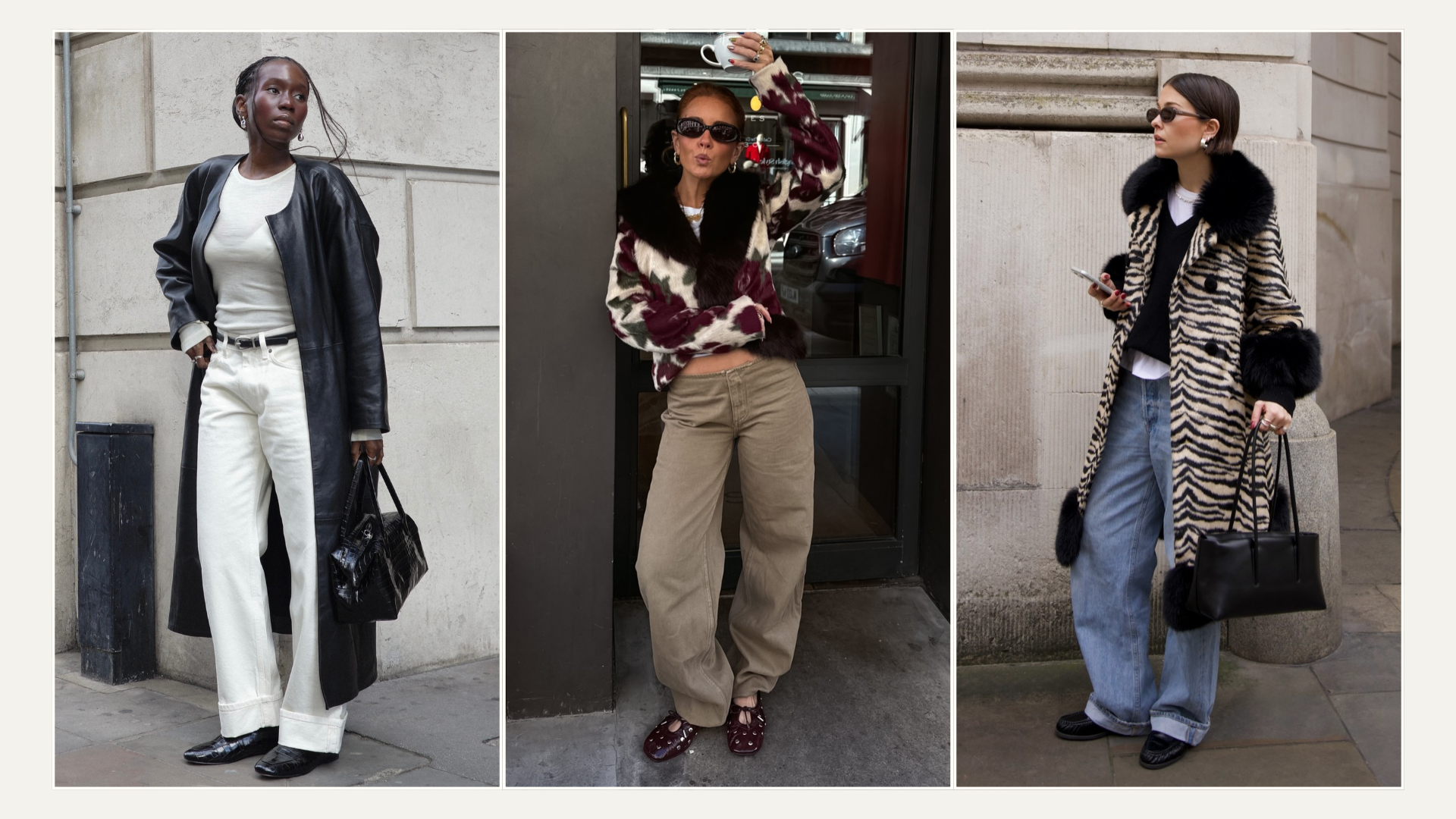
2026 denim trends prioritize structural integrity and environmental accountability, moving beyond simple aesthetics toward architectural silhouettes and circular production. This year’s shift focuses on the "Structural Barrel" leg and earth-toned "dirty" washes, balancing high-fashion drama with the durability and versatility required for modern, conscious consumption and multi-functional wardrobes.
The Architectural Shift: The Dominance of the Structural Barrel Leg
The most significant silhouette of 2026 is the structural barrel leg, a refinement of the oversized shapes seen in previous years. Unlike the shapeless wide-leg jeans of the early 2020s, the barrel leg features a deliberate, engineered curve that bows out at the thigh and tapers sharply at the ankle. This creates a "sculptural O-shape" that provides volume without dragging on the ground or swallowing the wearer’s frame.
The reason this works so effectively is the "tapered release" principle. By cinching at the high waist and narrowing at the ankle, the garment defines the narrowest points of the lower body while allowing for maximal comfort through the leg. In 2026, we see this paired with heavy-weight, 14oz raw denim, which holds the shape better than softer, stretch-blends. This rigidity ensures the silhouette remains consistent throughout a full day of wear, making it a reliable choice for those who value a polished yet avant-garde aesthetic.
For styling, the barrel leg requires a "tension balance." Because the pants provide significant visual volume, the upper body should remain streamlined. A fitted ribbed knit or a cropped, structured corset top provides the necessary contrast. In 2026, fashion-forward individuals are also pairing these with pointed-toe boots; the sharp taper of the denim creates a "frame" for the footwear, making the shoes a focal point rather than an afterthought.
The "Dirty" Wash and Earth-Toned Patina
Moving away from the sterile, high-contrast "ice blues" and traditional indigos, 2026 has embraced the "earth-patina" wash. These are denims treated with beige, olive, or ochre tints over traditional blue bases, creating a lived-in, muddy appearance that mirrors the aesthetics of archival workwear. This trend is driven by a collective desire for "organic authenticity" and a rejection of the overly processed look.
The technical appeal of the "dirty" wash lies in its versatility and maintenance. Traditional light-wash denim is notoriously difficult to keep pristine; however, earth-toned washes are inherently camouflage-friendly. Minor scuffs or dust actually enhance the aesthetic rather than ruining the outfit. Furthermore, these tones act as "new neutrals," pairing seamlessly with the browns, creams, and moss greens that dominate the 2026 color palette.
To make this work, it is essential to lean into the ruggedness of the fabric. A "dirty" wash jean works best when styled with high-quality textures—think cashmere sweaters or silk blouses. This creates a "high-low" juxtaposition that prevents the outfit from looking truly unkempt. The goal is to look like you have invested in a garment that has a history, even if it is brand new.
Tailored Denim: The Evolution of Office-Core
As the boundaries between professional and casual wear continue to dissolve in 2026, "Tailored Denim" has emerged as the premier choice for the modern workplace. This trend replaces standard trousers with denim pieces constructed using traditional tailoring techniques. We are seeing denim blazers with reinforced shoulders, pleated denim trousers with sharp front creases, and even denim waistcoats.
Why this works is a matter of "material subversion." By taking a historically casual fabric—denim—and applying the rigorous structure of a suit, the wearer projects an image of "relaxed authority." It signals that the wearer is professional enough to understand the rules of tailoring but creative enough to break them with their choice of textile.
In terms of specific garments, the 2026 pleated denim trouser is the standout. The pleats add necessary volume at the hips and allow the denim to drape more like wool than heavy cotton. When paired with a matching denim blazer in a dark, midnight navy wash, the result is a "Denim Suit" that is acceptable in almost any corporate environment outside of the most conservative legal or financial firms. To maintain the professional edge, ensure the denim is a solid, dark wash with tonal stitching rather than contrasting orange thread.
Technical Innovation: Circularity and Monomateriality
In 2026, "how it was made" is just as important as "how it looks." The denim industry has moved toward monomateriality—garments made from 100% of a single fiber (usually organic cotton or hemp) to ensure they are fully recyclable. This technical shift has influenced the "stiff" aesthetic of 2026 denim, as manufacturers have moved away from the plastic-heavy elastane blends that dominated the 2010s.
The rise of the Digital Product Passport (DPP) in 2026 allows consumers to scan a QR code on their jeans to see the entire lifecycle of the garment. This transparency has led to a trend of "Visible Sustainability," where brands highlight reinforced seams and repair-friendly construction as design features.
| Trend Feature | 2025 Standard | 2026 Innovation | Why It Works |
|---|---|---|---|
| Leg Shape | Wide & Puddle | Structural Barrel | Defines the ankle; offers controlled volume. |
| Color/Wash | High-Contrast Indigo | Earth-Toned/Dirty Tint | Acts as a neutral; hides wear and tear. |
| Material | Stretch Blends | Monomaterial (100% Cotton/Hemp) | Improved durability and 100% recyclability. |
| Detailing | Distressed Holes | Laser-Etched Patterns | Intricate design without weakening fabric. |
| Utility | Standard 5-Pocket | Internal/Hidden Modular Pockets | Sleek exterior with modern tech storage. |
The Return of the Longline Denim Skirt
The denim maxi skirt, a staple of previous seasons, has evolved into the "Longline Column" for 2026. These skirts are characterized by a lack of stretch and a heavy weight that holds a straight vertical line from the hip to the floor. Unlike previous iterations that often featured high slits for movement, the 2026 version utilizes architectural folds or "kick pleats" at the back to maintain a sleek, uninterrupted front silhouette.
This works because it offers a sophisticated alternative to the traditional jean. It provides the same rugged durability but with a more feminine, elongated silhouette. The key to wearing the longline skirt in 2026 is the "Monochrome Stack." Styling a dark wash skirt with a matching dark wash denim shirt creates a continuous line of color that makes the wearer appear taller and more composed.
When selecting a skirt, look for "Selvedge Detail." In 2026, displaying the finished edge of the denim on the side seams or the hem has become a symbol of quality. It indicates that the fabric was woven on a traditional shuttle loom, which produces a denser, more durable textile than modern projectile looms.
Styling the "Utility 2.0" Look
Utility denim in 2026 has moved away from the "combat" aesthetic of the early 2020s and toward a more refined, "Hidden Utility." Instead of bulky exterior cargo pockets, 2026 denim features internal reinforcements, magnetic closures, and laser-cut vents for breathability.
This works because it satisfies the need for functionality—storing large smartphones, foldable tablets, and everyday carry items—without ruining the clean lines of the outfit. The 2026 "Carpenter Pant" is a prime example: the hammer loop has been streamlined into a minimalist decorative element, and the tool pockets are now sized specifically for modern hardware.
To wear this look effectively, pair utility denim with "Technical Luxe" pieces. A sleek, waterproof technical trench coat or a bonded-fleece hoodie elevates the workwear origins of the pants. This creates a "Urban Explorer" vibe that is perfect for the transitional weather often experienced in modern metropolitan environments.
Common Mistakes to Avoid in 2026 Denim Styling
- Over-Distressing: Shredded jeans with large holes are officially out of favor. In 2026, "damage" should be subtle—think frayed hems or slight abrasions rather than missing panels of fabric.
- Low-Rise Reversion: While some Y2K elements remain, the ultra-low-rise is being replaced by "Mid-to-High Structured" waists which provide better support for the heavy-weight fabrics used this year.
- Mismatched Weights: Pairing a very thin, "shirting-weight" denim top with very heavy-weight barrel jeans can look unbalanced. Aim for consistent fabric density across your denim-on-denim looks.
2026 Denim FAQ
What are the best shoes to wear with barrel-leg denim?
Pointed-toe boots or "slim-profile" retro sneakers are the most effective pairings for 2026's barrel silhouette. Because the leg tapers sharply at the ankle, a shoe with a slim profile prevents the lower leg from looking "stumpy." Avoid chunky, oversized "dad shoes" with this specific cut, as they compete with the volume of the pants and can lead to a cluttered visual line.
How do I care for 100% cotton "monomaterial" denim?
Avoid frequent washing to preserve the structural integrity and the "dirty" wash patina. When you must wash, turn them inside out and use cold water on a gentle cycle, or better yet, hand wash and air dry. Since 2026 denim is often heavier and lacks stretch, avoid the dryer at all costs, as high heat can cause "marbleing" (permanent white streaks) on the fabric.
Is denim-on-denim (the Canadian Tuxedo) still in style for 2026?
Yes, but the 2026 version focuses on "textural contrast" rather than matching colors perfectly. Pairing a raw, rigid denim jacket with a soft, laser-etched denim trouser creates depth. The goal is to look intentional; use a belt in a contrasting material like leather or recycled canvas to break up the "wall of blue."
What is "Laser-Etched" denim?
Laser etching is a water-saving technology used in 2026 to create patterns, fading, and textures on denim without the use of harsh chemicals or pumice stones. It allows for intricate, high-definition designs—such as floral motifs or geometric grids—to be "burned" into the top layer of the fabric. This works because it adds visual complexity without compromising the strength of the cotton fibers.
How do I choose the right "earth-tone" wash for my skin tone?
If you have cool undertones, look for "Stone Grey" or "Slate Green" tints. If you have warm undertones, "Tobacco Brown" or "Sandstone" washes will be more flattering. The beauty of the 2026 "dirty" wash trend is that the blue base of the denim usually remains visible, which provides a universal grounding color that suits most people.
Building Your 2026 Denim Capsule
To successfully navigate the 2026 denim landscape, start by investing in one high-quality pair of structural barrel-leg jeans in a dark, unwashed indigo. This serves as your foundation piece. From there, add a tailored denim blazer for professional settings and a longline column skirt for evenings.
The key to "making it work" in 2026 is focusing on the fabric weight. Look for denim that feels substantial—typically labeled as 12oz to 14oz. This weight is necessary to support the architectural shapes that define the year's trends. By prioritizing quality over quantity and leaning into the new "earthy" color palette, you will create a wardrobe that is not only trend-aligned but also durable enough to last well into the next decade.