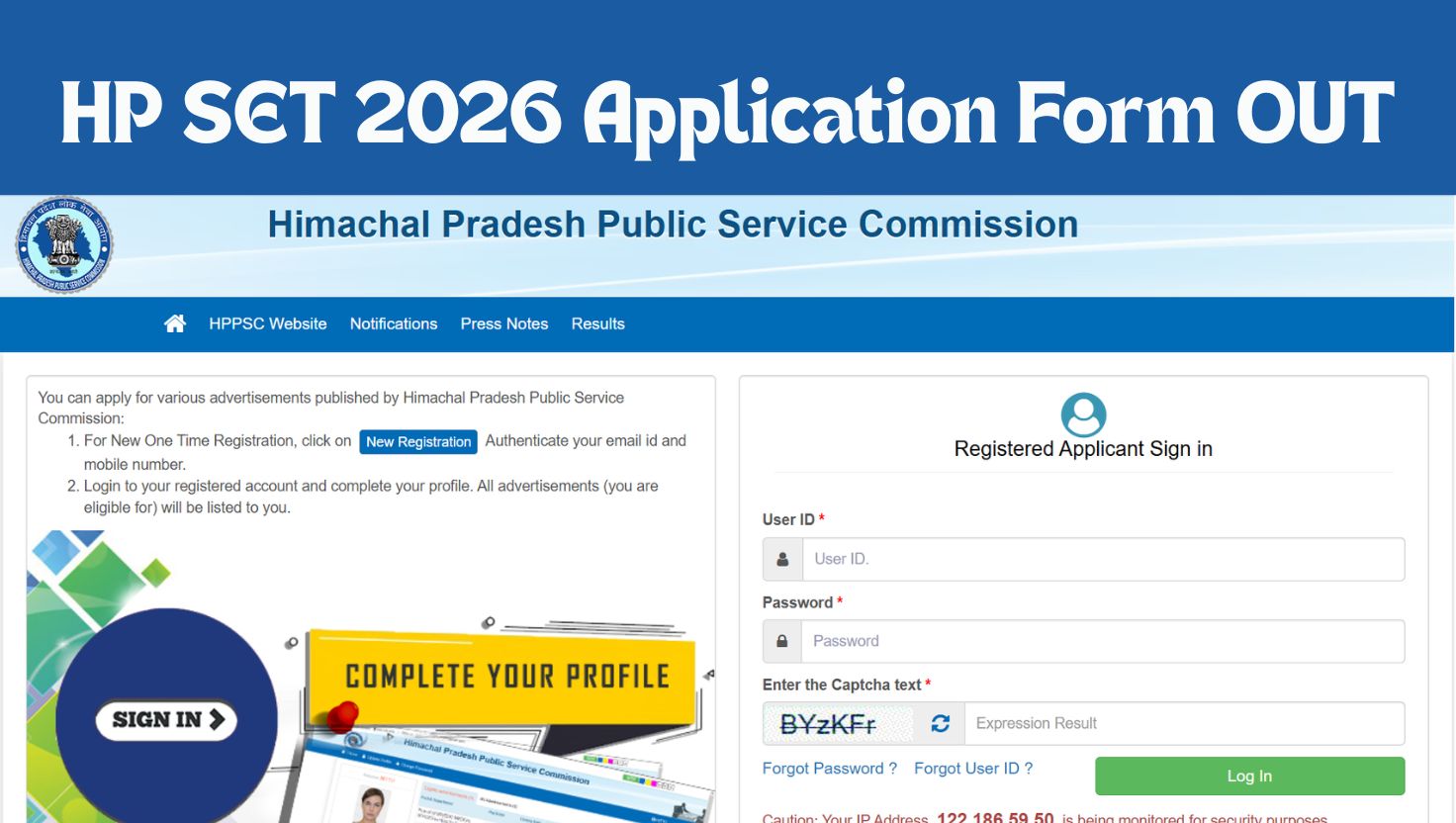
As of 2026, the application landscape for undergraduate and graduate programs has become increasingly streamlined yet competitive. For students aiming for Fall 2026 enrollment, the current focus is on completing Regular Decision submissions, managing financial aid forms like the FAFSA, and preparing for rolling admission cycles that remain open through the spring and summer months.
The 2026 application cycle represents a pivotal moment in higher education, characterized by a stabilized digital testing environment and a nuanced approach to holistic admissions. Whether you are a high school senior finalizing your college list or a professional seeking advanced certification, understanding the specific timelines and shifting requirements of this year is essential for success. This guide provides a comprehensive breakdown of the 2026 application process, from platform-specific nuances to financial aid strategies.
Understanding the 2026 Admissions Timeline
The 2026 academic year follows a traditional but rigorous schedule. For most four-year institutions in the United States and international hubs like the UK and Canada, the process began in late 2025. However, the first half of 2026 is the "crunch time" for many applicants.
Regular Decision and Rolling Admissions
Most Regular Decision (RD) deadlines fell between January 1 and February 1, 2026. If you are reading this in the early months of the year, your focus should be on ensuring that all supplemental materials—such as mid-year transcripts and final letters of recommendation—are received by admissions offices. Rolling admissions, common at many large public universities and community colleges, continue through the spring of 2026. For these institutions, the "priority deadline" is the most critical date to hit to ensure consideration for institutional scholarships and housing.
The UCAS Cycle for UK Universities
For those applying to the United Kingdom, the primary UCAS deadline for most courses was January 29, 2026. However, "UCAS Extra" opens in late February 2026, allowing students who did not receive offers or declined their offers to add a new choice. This is a vital safety net for international and domestic students alike who are still seeking a placement for the 2026-2027 academic year.
Essential Platforms for 2026 Undergraduate Applications
The digital infrastructure for applications has matured significantly by 2026. Most students will interact with one of three primary platforms, each with its own set of technical requirements and essay prompts.
The Common Application
The Common App remains the dominant force in U.S. admissions, supporting over 1,000 institutions. In 2026, the platform has optimized its mobile interface, allowing students to track transcript receipt and recommendation status in real-time. A key focus this year is the "Personal Statement," where colleges are looking for authentic reflections on personal growth and community impact.
The Coalition for College
The Coalition Application continues to serve a smaller but significant group of schools that prioritize access and affordability. Its "Locker" feature is particularly useful for 2026 applicants who have been curated digital portfolios of their work since their freshman year. If you are applying to schools that are exclusive to the Coalition, ensure your "Collaborative Space" is shared with your counselors early in the year.
Specialized Niche Portals
Beyond the major aggregators, specific fields use dedicated portals. For example, the Nursing Centralized Application Service (NursingCAS) and the Physical Therapist Centralized Application Service (PTCAS) have specific 2026 windows. These portals often require manual entry of every college course ever taken, a time-consuming process that 2026 applicants should start at least six weeks before the deadline.
Standardized Testing Trends in 2026
The "test-optional" movement reached a steady state in 2026. While many liberal arts colleges remain test-optional or test-blind, several elite private universities and large state systems have reinstated testing requirements, citing the SAT and ACT as helpful data points for predicting academic success.
The Digital SAT and ACT
By 2026, the Digital SAT is the universal standard. It is shorter, adaptive, and provides faster results than the old paper-and-pencil format. The ACT has also moved toward a predominantly digital format in 2026, though some local testing centers still offer paper options. For 2026 applications, a "good" score is now more contextual than ever; students should check the "middle 50%" range of their target schools to decide whether to submit their scores.
Graduate Level Testing: GRE, GMAT, and LSAT
For 2026 graduate applications, the GRE remains the most versatile exam, though many MBA programs now prefer the GMAT Focus Edition, which was fully adopted as the only GMAT version by early 2024 and remains the standard in 2026. Law school applicants for 2026 entry are navigating an LSAT that has removed the "Logic Games" section, a major shift that changed how students prepared throughout 2025 and 2026.
Financial Aid and Scholarship Deadlines for 2026
Securing funding is often more complex than the application itself. In 2026, the FAFSA (Free Application for Federal Student Aid) follows the simplified model established in previous years, but early filing remains the most effective way to secure limited state and institutional grants.
FAFSA and the CSS Profile
The 2026–27 FAFSA opened in late 2025. If you have not filed by early 2026, you may miss out on "first-come, first-served" funds. Simultaneously, many private institutions require the CSS Profile, which asks for more detailed financial information than the FAFSA. For the 2026 cycle, pay close attention to deadlines—some schools require the CSS Profile to be submitted by the same date as the admissions application.
Comparison of Application and Funding Types
| Application Type | Typical Deadline (2026 Entry) | Decision Notification | Binding? | Financial Aid Priority |
|---|---|---|---|---|
| Early Decision (ED) | Nov 1 - Nov 15 (2025) | Dec 15 (2025) | Yes | Very High |
| Early Action (EA) | Nov 1 - Dec 1 (2025) | Jan - Feb 2026 | No | High |
| Regular Decision (RD) | Jan 1 - Feb 1 2026 | Mar - Apr 2026 | No | Moderate |
| Rolling Admissions | Ongoing through 2026 | 4–6 weeks after apply | No | Dependent on filing date |
| Transfer Apps | Mar 1 - May 1 2026 | May - June 2026 | No | Moderate/Low |
Critical Documentation Checklist
A 2026 application is only as strong as its supporting evidence. Missing a single document can move an application from "Pending" to "Incomplete," often resulting in a missed deadline.
- Official Transcripts: Ensure your high school or registrar’s office sends your mid-year reports for 2026.
- Letters of Recommendation: For 2026, most schools require one counselor recommendation and one or two teacher recommendations. Confirm that your recommenders have uploaded these to the correct portal.
- The Personal Statement: This is the core of your application. In 2026, admissions officers are looking for "voice" and "sincerity" to distinguish human writing from AI-generated content.
- Portfolio/Audition Materials: For arts, music, and architecture programs, 2026 requirements often include a SlideRoom submission or a scheduled virtual audition.
- Proof of English Proficiency: International students must ensure their 2026 TOEFL, IELTS, or Duolingo English Test scores are sent directly from the testing agency.
Navigating International Student Requirements for 2026
Applying to a university in a foreign country involves an additional layer of bureaucracy, primarily centered on visa eligibility and credential evaluation. For the 2026 cycle, students must be aware of updated "Proof of Funds" requirements, which many countries increased in 2025 to reflect higher costs of living.
Credential Evaluation
If your previous education was not in the same system as the school you are applying to (e.g., an Indian CBSE student applying to a U.S. college), you may need a third-party evaluation from services like WES or ECE. In 2026, many universities have started performing these evaluations in-house, so check the specific school requirements before paying for an external service.
Student Visas (F-1, J-1, Student Route)
Once you receive an "Offer of Admission" in the spring of 2026, the visa process begins. For the U.S., you will need an I-20 form to apply for an F-1 visa. For the UK, you will need a Confirmation of Acceptance for Studies (CAS). Given the global processing times in 2026, it is recommended to start the visa application at least three to four months before your program start date.
Common Mistakes to Avoid in 2026
Despite the increased automation of 2026 platforms, several recurring errors can derail an otherwise strong application.
- Generic Supplements: Using the same "Why This College" essay for multiple schools is a major red flag. Admissions committees in 2026 are highly sensitive to "copy-paste" errors where a student mentions a different school's name.
- Neglecting the Activity List: The 150-character descriptions on the Common App are prime real estate. Don't just list your title; describe your impact and the hours committed.
- Waiting for Test Scores: Do not wait until you have your final scores to submit the rest of your application. Most portals allow you to submit the application and have scores arrive later.
- Email Communication Errors: Many 2026 applicants miss interview invitations or requests for more info because they don't check the email address associated with their application or their "spam" folder.
FAQ
Can I still apply for Fall 2026 if I missed the January deadlines?
Yes, many institutions accept applications after January. You should look for schools with "Rolling Admissions" or those that have extended their Regular Decision deadlines. Community colleges and many large public universities often accept applications through the spring and into the summer of 2026. Additionally, the "UCAS Clearing" process in the UK starts in July 2026 for students who are still looking for a place.
Is the 2026 FAFSA different from previous years?
The 2026–2027 FAFSA continues to use the "Student Aid Index" (SAI) rather than the old "Expected Family Contribution" (EFC). It remains a streamlined form compared to the pre-2024 versions. However, ensure you are using your 2024 tax returns (the "prior-prior" year) to complete the 2026 application.
How do I handle AI tools when writing my 2026 personal statement?
Most universities in 2026 have clear policies regarding AI. While using AI for brainstorming or grammar checks is often acceptable, using it to generate the entire essay is considered a violation of academic integrity. Admissions officers use sophisticated detection tools and are specifically trained to look for the "human" element—personal anecdotes and unique perspectives—that AI cannot authentically replicate.
Are interviews required for 2026 applications?
Interviews depend entirely on the institution. For 2026, many elite universities have moved to "optional" alumni interviews, which are conducted virtually. While they are often labeled as "evaluative" or "informative," it is always in your best interest to participate if an interview is offered, as it demonstrates "demonstrated interest" in the school.
What should I do if I am waitlisted for 2026?
If you are waitlisted in the spring of 2026, you should first accept your spot on the waitlist through the applicant portal. Then, write a "Letter of Continued Interest" (LOCI). This letter should update the admissions office on any new achievements since you applied (new grades, awards, or projects) and reiterate that the school remains your top choice.
Immediate Next Steps for Applicants
If you have already submitted your 2026 applications, your primary task is monitoring your applicant portals. Each school provides a unique login where they track received documents. If a transcript or recommendation is missing, contact your school counselor immediately.
For those still in the process, prioritize your financial aid forms. The FAFSA and CSS Profile are just as important as the application itself for ensuring your education is affordable. Finally, keep a close eye on your email for interview requests or invitations to "Admitted Students" days, which typically occur in late March and April 2026. Taking these proactive steps will ensure that you are fully prepared for the transition to campus life in the fall.