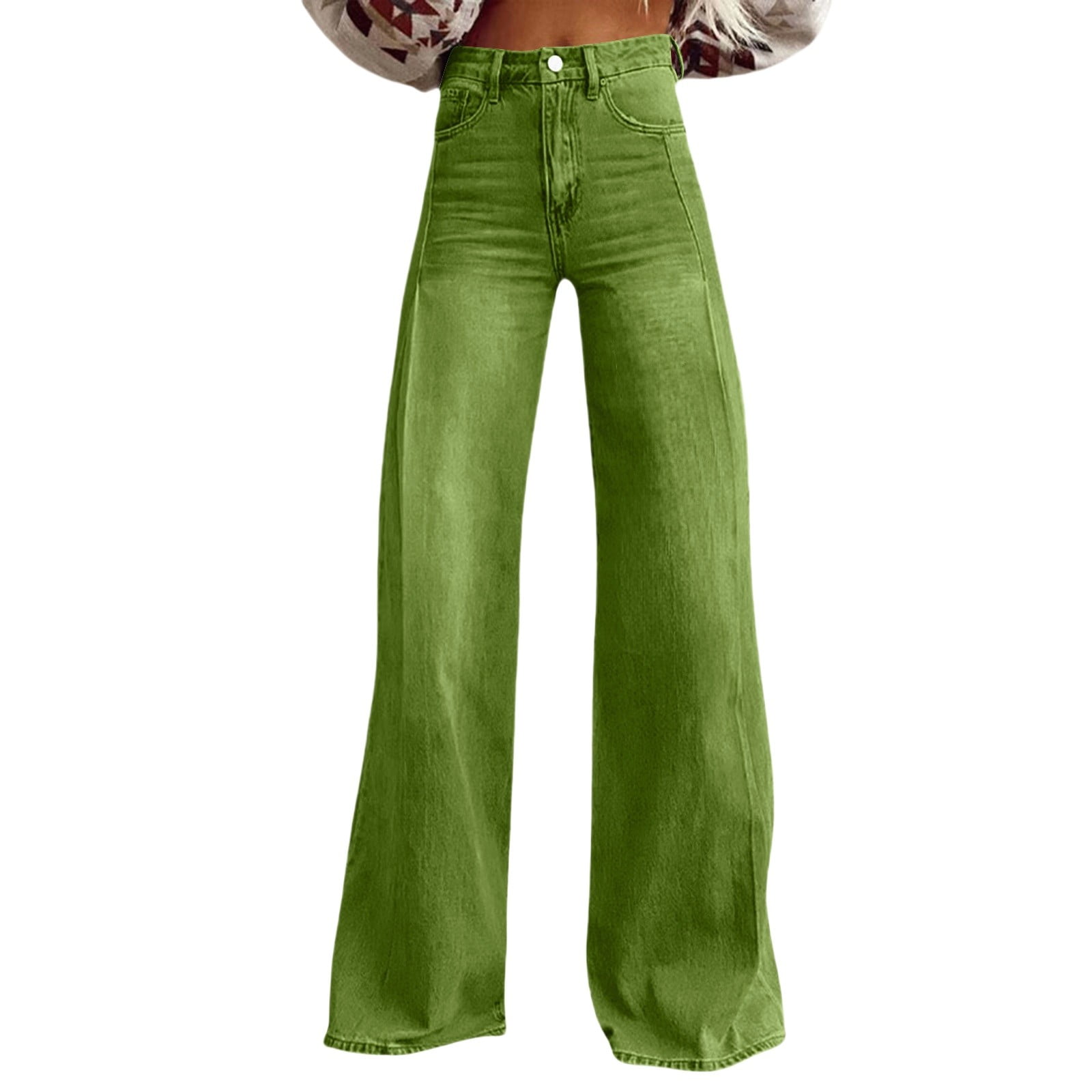
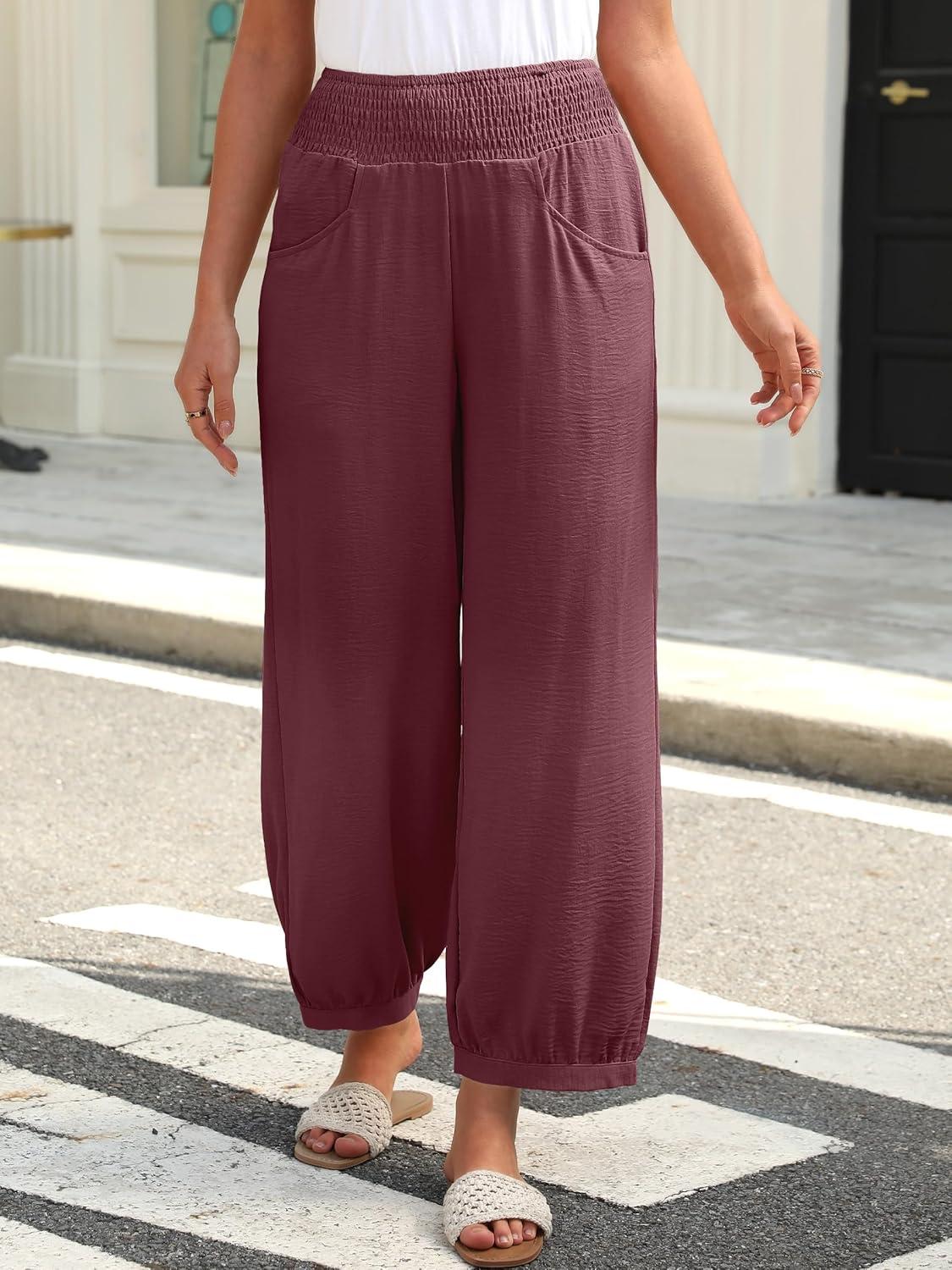
Wide leg pants defined the fashion landscape of 2025 by prioritizing a sophisticated balance of volume, comfort, and architectural tailoring. This guide provides a comprehensive framework for selecting fabrics, mastering proportions, and pairing footwear to navigate the shift from restrictive silhouettes toward the expansive, fluid aesthetic that dominated both luxury runways and contemporary street style throughout the year.
The resurgence of wide-leg silhouettes in 2025 was not merely a nostalgic nod to the 1970s or 1990s; it represented a fundamental shift in how modern women approach daily dressing. As we reflect on the trends established over the past year, it is clear that the "big pants, small top" mantra evolved into more complex styling territories, including monochromatic layering and the "puddle pant" phenomenon. Whether you are looking to refine a professional wardrobe or elevate casual weekend attire, understanding the technical nuances of drape, rise, and hemline is essential for mastering this silhouette.
The Evolution of the Wide-Leg Silhouette in 2025
In 2025, the wide-leg trend bifurcated into two distinct categories: the structured, tailored trouser and the fluid, oversized "puddle" pant. Unlike previous seasons that favored mid-rise cuts, 2025 focused heavily on the ultra-high-rise waist, often sitting two inches above the natural waistline. This design choice was intentional, serving to elongate the leg line and provide a grounding point for the significant volume of fabric below.
The "puddle pant" became a cornerstone of the 2025 aesthetic. This style features a hemline that extends beyond the floor, causing the fabric to "puddle" around the shoes. While high-maintenance, this look was championed by designers for its relaxed, effortless luxury. Conversely, the "barrel leg" emerged as a structured alternative—wider at the thigh and tapering slightly at the ankle—offering a more sculptural, avant-garde shape that appealed to those seeking a contemporary edge without the floor-dragging length.
Essential Fabrics and Their Impact on Silhouette
The success of a wide-leg outfit depends almost entirely on the fabric’s weight and drape. In 2025, material innovation allowed for wider cuts that didn't feel heavy or cumbersome.
Natural Fibers and Summer Breathability
For the warmer months of 2025, linen and silk blends were the primary choice. High-quality wide-leg linen pants were often blended with viscose to prevent excessive wrinkling while maintaining the characteristic breathability. The "weight" of the linen became a key selling point; heavier "rustic" linens provided enough structure for pleated designs, while lighter gauzes were reserved for beach-to-city transitional pieces.
Structured Wool and Winter Weight
During the autumn and winter seasons, wool gabardine and heavy-weight crepe dominated. These fabrics allow for a sharp crease down the center of the leg, which is vital for maintaining a professional look in wide-leg trousers. The 2025 winter collections also saw a massive rise in wide-leg leather and vegan leather options. These require a specific "buttery" quality to ensure the wide leg doesn't become too stiff, which would result in an unflattering "chimney" effect.
Mastering Proportions: How to Balance the Volume
The primary challenge of wide-leg pants is managing the visual weight of the lower body. The "Rule of Thirds" remains the most effective tool for styling these garments. By tucking in a top or using a cropped jacket, you create a 1/3 (top) to 2/3 (bottom) ratio, which is naturally pleasing to the eye and prevents the wearer from being "swallowed" by the fabric.
The "Big-Small" vs. "Big-Big" Approach
While the traditional advice is to pair wide pants with a fitted top (the "Big-Small" rule), 2025 saw the rise of "Big-Big" styling. This involves pairing wide-leg trousers with oversized blazers or chunky knitwear. The key to making this work is ensuring there is at least one point of definition—usually the waist or the wrist. A belt worn over an oversized blazer or pushing up the sleeves of a large sweater provides the necessary structure to prove the oversized fit is intentional.
The Importance of the Rise
The "rise" (the distance from the crotch to the waistband) dictates how the pants interact with your torso. In 2025, the "ultra-high rise" was the gold standard. For women with shorter torsos, a "mid-to-high" rise (around 10-11 inches) is often more flattering, as it prevents the waistband from sitting too close to the bustline. Conversely, long-torsoed individuals benefited from the 13-inch rises common in 2025 designer collections.
Footwear Pairings and Hemline Standards
The most common mistake in wide-leg styling is an incorrect hemline-to-shoe ratio. A hemline that is too short can make the legs look chopped, while one that is too long (without being a deliberate "puddle" style) looks sloppy.
| Shoe Type | Recommended Pant Length | Aesthetic Impact | Best For |
|---|---|---|---|
| Pointed-Toe Heels | 0.5 inches from floor | Elegant, Elongating | Formal, Office, Evening |
| Chunky Sneakers | Puddled/Stacked | Urban, Youthful, Casual | Streetwear, Travel |
| Square-Toe Boots | 0.25 inches from floor | 90s Minimalist, Edgy | Autumn, Winter, Work |
| Slim Loafers | At or just above ankle | Preppy, Polished | Business Casual |
| Platform Sandals | 0.5 inches from floor | Bohemian, Statuesque | Summer, Resorts |
Wide-Leg Denim: The 2025 Update
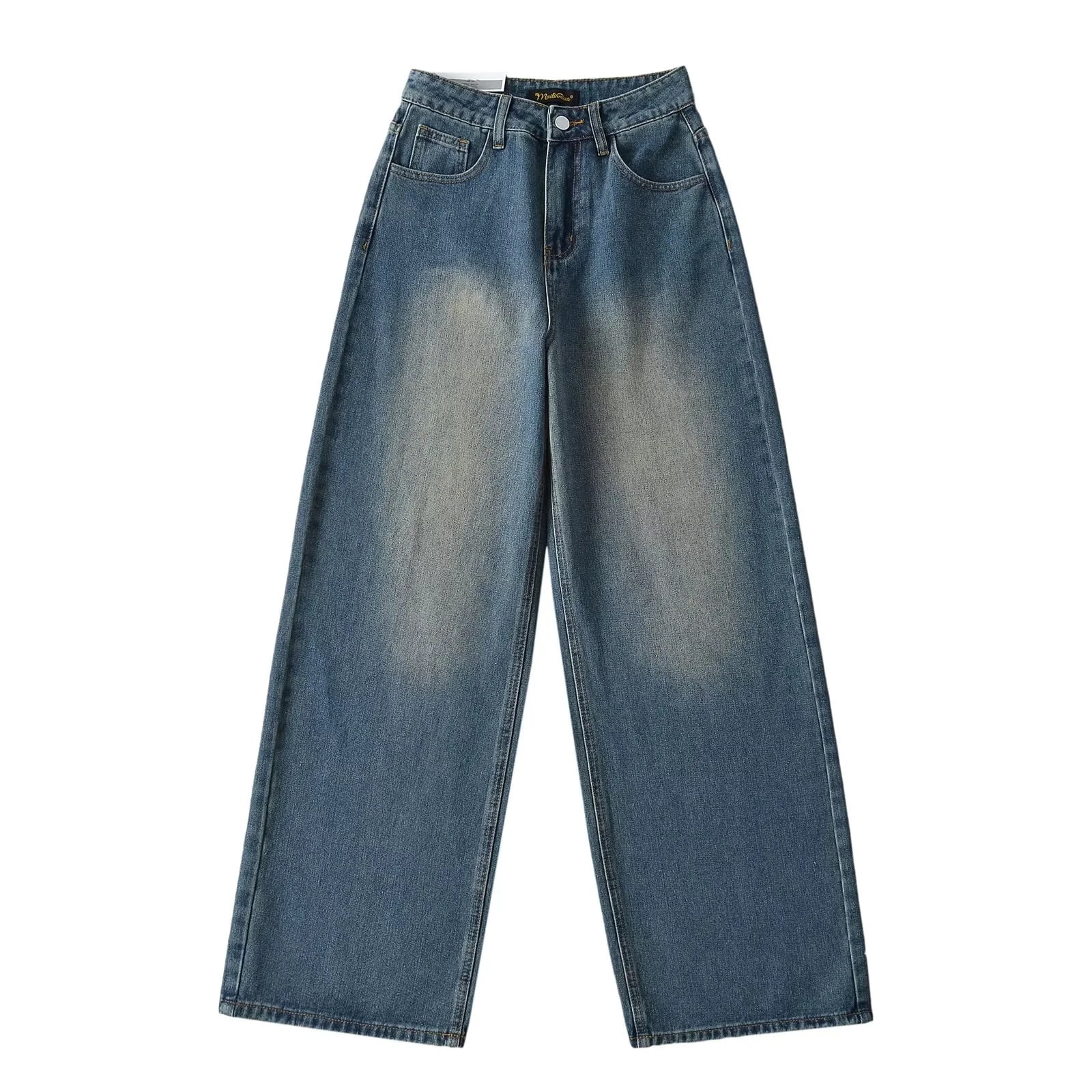
Wide-leg denim underwent a significant transformation in 2025, moving away from the "distressed" look toward "raw" and "dark wash" finishes. This shift allowed wide-leg jeans to enter more formal environments. The 2025 wide-leg jean was characterized by a seamless outer leg and a deep hem (often 3-5 inches), which added weight to the bottom of the pant, ensuring it hung straight rather than flaring out awkwardly.
For those styling wide-leg denim, the "horseshoe" or "barrel" cut became a specific sub-trend. This style features a curved inseam and outseam, creating a voluminous shape through the leg that tapers slightly at the floor. It is a bold look that pairs best with minimalist footwear, such as a sleek ankle boot or a simple pointed flat, to let the architectural shape of the denim remain the focal point.
Navigating Different Body Types
Wide-leg pants are often wrongly labeled as "only for tall people." In reality, they are one of the most inclusive silhouettes when adjusted for scale and proportion.
- Petite Frames: Opt for a high-waisted "floor-length" cut paired with a heel in the same color as the pants. This creates an unbroken vertical line that maximizes height. Avoid "cropped" wide legs, as they tend to bisect the leg at a wide point, making the wearer look shorter.
- Curvy/Hourglass Shapes: Look for styles with a flat front and a side zipper. Avoid excessive pleating at the waistband, which can add unnecessary bulk to the midsection. A fluid fabric like silk or high-quality rayon will drape over curves rather than adding volume to them.
- Athletic/Straight Shapes: This is the ideal body type for pleated wide-leg pants. The pleats add dimension and the illusion of curves. Utilizing a thick belt can further define the waistline and enhance the silhouette.
Common Styling Mistakes to Avoid
Even with the best intentions, wide-leg pants can be difficult to execute. Avoid these frequent errors to ensure a polished look:
- Ignoring the "Break": A "break" is the fold of fabric created when the pant leg hits the shoe. For wide legs, you generally want a "full break" (puddled) or "no break" (skimming the floor). A "half break" often looks like the pants are simply the wrong size.
- Improper Undergarments: Because wide-leg pants often use lighter fabrics or are high-waisted, seamless undergarments are essential. Visible panty lines (VPL) can ruin the fluid line of the trouser.
- Over-accessorizing: The pants themselves are a statement. Keep the rest of the outfit's accessories—like bags and jewelry—relatively streamlined. A structured handbag provides a nice contrast to the fluidity of the trousers.
How do I stop my wide-leg pants from dragging on the ground?
The most effective way to prevent dragging without altering the pants is to choose a shoe with a platform or a higher heel. However, if you prefer flats, a professional tailor can hem the pants to sit exactly 0.25 to 0.5 inches above the ground. This "skimming" height protects the fabric from street grime while maintaining the long-line silhouette.
Can wide-leg pants be worn in a professional business setting?
Yes, wide-leg pants were a staple of 2025 corporate wardrobes. To ensure they are office-appropriate, choose fabrics like wool crepe or heavy-duty polyester blends that hold a crease. Pair them with a tucked-in button-down shirt and a structured blazer. Ensure the hem is tailored specifically to your work shoes to maintain a sharp, intentional appearance.
What is the difference between "wide-leg" and "flare" pants?
The primary difference lies in where the volume begins. Flare pants are typically fitted through the waist and thigh, and only begin to widen from the knee down. Wide-leg pants, however, maintain a consistent width from the hip (or sometimes the waist) all the way down to the hem. Wide-leg styles provide a more columnar or "A-line" shape compared to the "hourglass" shape of flares.
Are wide-leg pants going out of style in 2026?
Fashion data from 2025 and early 2026 suggests that wide-leg silhouettes have moved from a "trend" to a "wardrobe staple." While specific iterations like the "barrel leg" may fluctuate in popularity, the general wide-leg trouser remains a core component of the modern capsule wardrobe due to its comfort and versatility.
How do I wash wide-leg pants without losing the crease?
For trousers with a permanent crease, dry cleaning is often the safest route. If the pants are machine washable, turn them inside out and use a delicate cycle. After washing, hang them by the hem or the waistband while still damp, aligning the side seams and the center crease carefully. Use a steamer rather than a flat iron to remove wrinkles, as this preserves the fabric's natural drape.
Building a Long-Term Wardrobe with Wide Legs
To transition from the 2025 trends into a long-term style strategy, focus on "investment" colors: navy, charcoal, camel, and black. A high-quality pair of wide-leg trousers in a wool-silk blend is a multi-seasonal asset that can be dressed up with a silk camisole or down with a simple white T-shirt.
When purchasing, prioritize the fit of the waist and hips over the length of the leg. It is much easier and cheaper for a tailor to shorten a hem than it is to adjust the rise or the hip width. By focusing on the "anchor point" of the garment—the waist—you ensure that the volume of the wide leg remains a flattering extension of your natural shape rather than an overwhelming addition.