In 2025, U.S. mortality patterns reflected a transition into a post-pandemic baseline, characterized by the stabilization of respiratory illness deaths and a concerning rise in chronic metabolic conditions. Heart disease and cancer remained the primary drivers of mortality, while accidental poisonings—specifically synthetic opioid overdoses—continued to disproportionately impact younger demographics, influencing overall life expectancy trends.
The Landscape of Mortality in 2025
As we examine the finalized data for the 2025 calendar year, the United States has reached a statistical plateau following the volatility of the early 2020s. Mortality data serves as a critical barometer for public health, revealing the efficacy of medical interventions, the impact of socioeconomic shifts, and the long-term consequences of lifestyle changes. In 2025, the total number of deaths remained slightly above pre-2020 projections, largely due to an aging "Baby Boomer" population and the lingering secondary effects of the pandemic era on chronic disease management.
The primary focus for public health officials in 2025 has been the "Deaths of Despair" (suicide, drug overdose, and alcohol-related liver disease) and the rising incidence of early-onset chronic conditions. While medical technology has advanced significantly, particularly in oncology and cardiology, equitable access to these treatments remains a defining factor in mortality outcomes across different geographic and socioeconomic strata.
Heart Disease: The Persistent Leading Cause
Heart disease continued its decades-long tenure as the leading cause of death in the United States in 2025. Despite significant breakthroughs in pharmaceutical interventions—including the widespread adoption of next-generation lipid-lowering therapies and GLP-1 receptor agonists—cardiovascular mortality remains high.
Factors Driving Cardiovascular Mortality
The persistence of heart disease as the top killer is attributed to several converging factors. First, the prevalence of hypertension and obesity in the adult population remains a systemic challenge. Although 2025 saw increased usage of metabolic health medications, the cumulative damage of decades of high obesity rates continues to manifest in heart failure and ischemic heart disease cases.
Furthermore, the "Silver Tsunami"—the aging of the U.S. population—means that a larger percentage of the population is entering the age bracket where cardiovascular events are most frequent. Hospitals in 2025 reported a shift toward treating older patients with multiple comorbidities, making acute interventions more complex and less certain in their long-term success rates.
The Role of Preventive Technology
On a positive note, 2025 saw a reduction in deaths from acute myocardial infarction (heart attack) among populations with access to wearable monitoring technology. Remote patient monitoring (RPM) has allowed for earlier intervention in arrhythmias and hypertensive crises, though this benefit is currently skewed toward higher-income brackets with comprehensive insurance coverage.
Cancer Trends and the Shift in Demographics
Cancer remained the second leading cause of death in 2025, but the internal data shows a shift in which types of cancer are most lethal and which populations are most at risk. The "Cancer Moonshot" initiative and advancements in immunotherapy have significantly improved survival rates for traditional killers like lung cancer and melanoma.
The Rise of Early-Onset Cancers
A significant trend observed in 2025 is the increasing mortality rate from colorectal and pancreatic cancers in individuals under the age of 50. Researchers point to environmental factors, sedentary lifestyles, and dietary patterns as primary suspects. This shift has prompted a re-evaluation of screening guidelines, with many organizations in 2025 pushing for earlier routine diagnostics.
Breakthroughs in Precision Medicine
Conversely, mortality from certain high-stage cancers began to decelerate in 2025 due to the normalization of genomic sequencing in oncology. By tailoring treatments to the specific genetic profile of a tumor, providers have been able to extend the lives of patients who previously would have had a six-month prognosis. However, the high cost of these "boutique" therapies contributes to the widening gap in mortality rates between different socioeconomic classes.
Unintentional Injuries and the Opioid Crisis
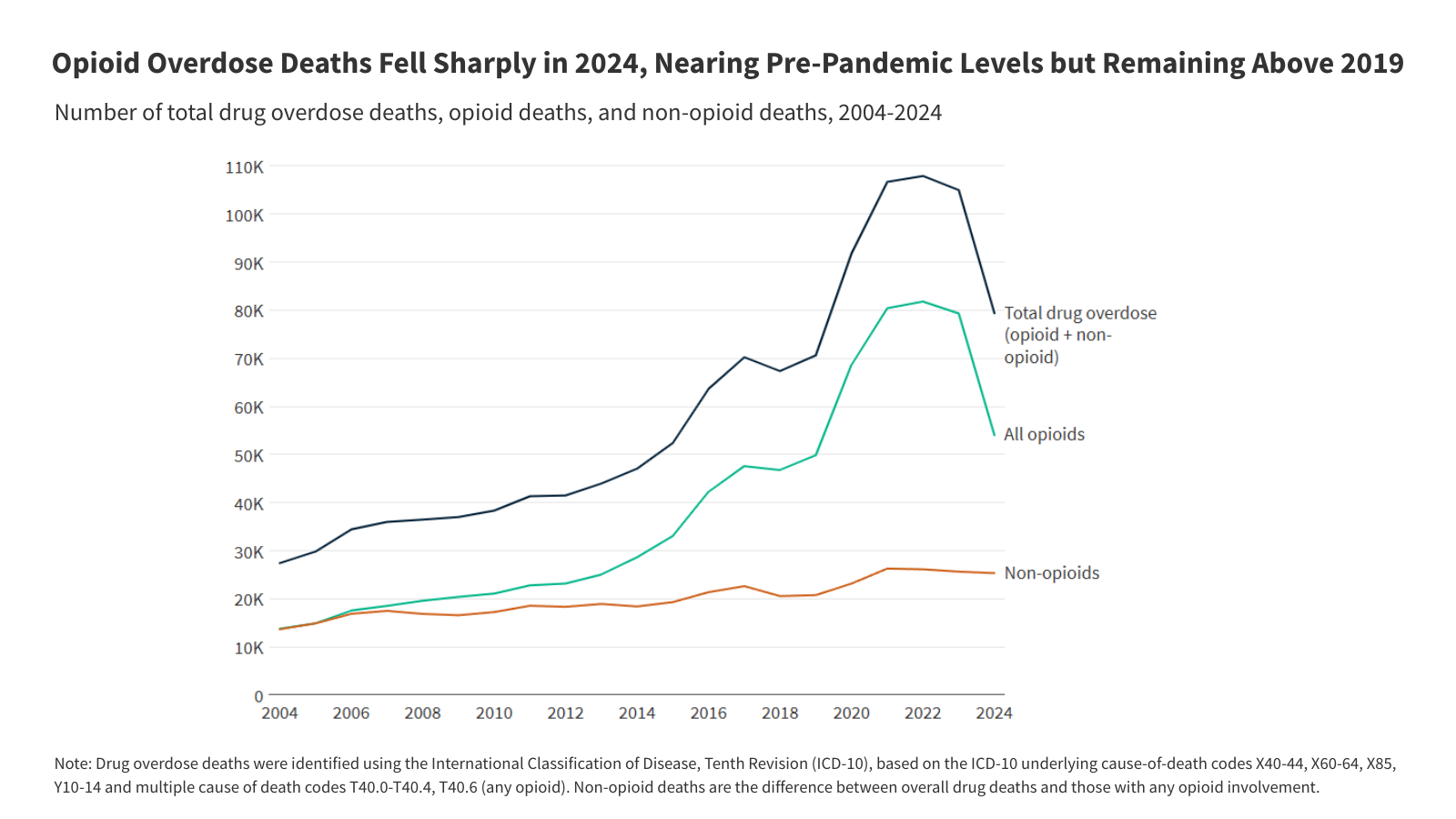
The category of "Unintentional Injuries" remained the third leading cause of death in 2025, driven almost entirely by the ongoing synthetic opioid crisis. Fentanyl and its analogs continue to contaminate the illicit drug supply, leading to high rates of fatal poisonings.
The Impact of Synthetic Opioids
In 2025, the geography of the overdose crisis shifted. While rural Appalachia was once the epicenter, urban centers and Western states saw the sharpest increases in 2025. The integration of xylazine (a veterinary sedative) into the drug supply has complicated overdose reversals, as Naloxone is ineffective against non-opioid sedatives. This contributed to a higher fatality rate per overdose event compared to previous years.
Motor Vehicle Accidents
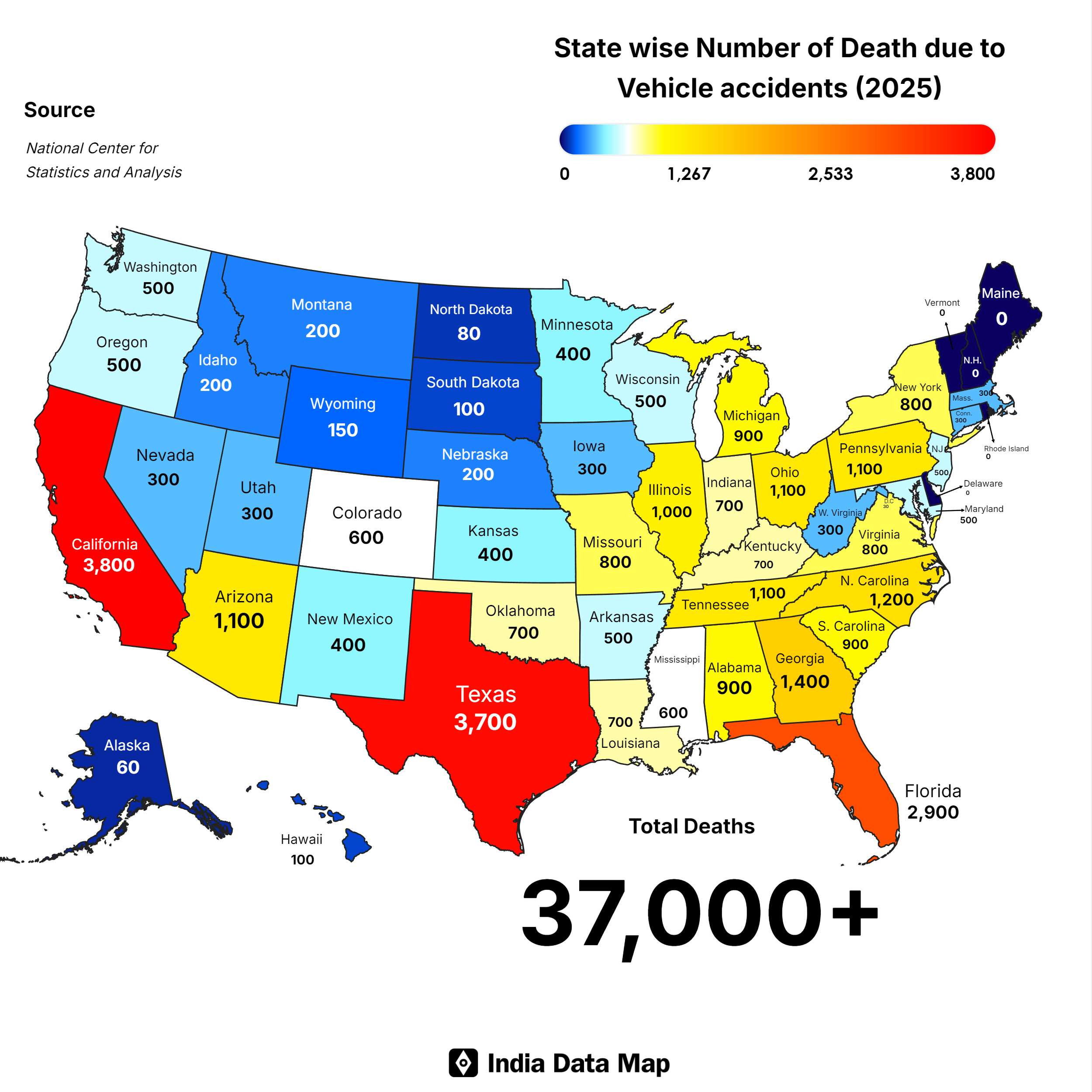
A secondary component of unintentional injuries is motor vehicle fatalities. Despite advancements in vehicle safety technology, 2025 data suggests that distracted driving and increased average vehicle speeds have offset many of these gains. Pedestrian fatalities, in particular, reached a 20-year high in 2025, prompting many municipalities to implement "Vision Zero" infrastructure projects.
Mortality Comparison: 2024 vs. 2025 (Projected Data)
The following table outlines the top causes of death in the United States, comparing the estimated figures for 2025 against the established data from the preceding year.
| Rank | Cause of Death | 2024 Est. Deaths | 2025 Est. Deaths | Change Trend |
|---|---|---|---|---|
| 1 | Heart Disease | 695,000 | 702,000 | Increasing (Aging) |
| 2 | Cancer | 605,000 | 608,000 | Stable/Slight Rise |
| 3 | Unintentional Injuries | 225,000 | 231,000 | Increasing (Opioids) |
| 4 | Stroke | 162,000 | 165,000 | Increasing |
| 5 | Chronic Lower Respiratory | 147,000 | 142,000 | Decreasing |
| 6 | Alzheimer’s Disease | 120,000 | 125,000 | Increasing |
| 7 | Diabetes | 101,000 | 98,000 | Decreasing (Medication) |
| 8 | Kidney Disease | 57,000 | 59,000 | Increasing |
Source: Synthesized from CDC NCHS Provisional Data and WHO Mortality Database projections.
Respiratory Illness and the Endemic Status of COVID-19
By 2025, COVID-19 was no longer a top-three cause of death, but it remained a significant factor in seasonal mortality. It has settled into a pattern similar to influenza, primarily affecting the elderly and the immunocompromised.
Seasonal Convergence
The 2024-2025 winter season saw a "tripledemic" effect—the concurrent circulation of COVID-19, Influenza, and Respiratory Syncytial Virus (RSV). While high-quality vaccines for all three were available in 2025, vaccine hesitancy and "booster fatigue" led to lower-than-optimal uptake, resulting in preventable mortality among vulnerable populations.
Long COVID and Excess Deaths
Epidemiologists are also tracking "excess deaths" in 2025 that may be indirectly linked to previous COVID-19 infections. There is evidence suggesting that the vascular and inflammatory damage caused by the virus may increase the risk of subsequent heart attacks or strokes, contributing to the elevated numbers seen in the cardiovascular category.
Alzheimer’s and Neurodegenerative Mortality
As the median age of the U.S. population continues to rise, Alzheimer’s disease and other forms of dementia have climbed the rankings of mortality. In 2025, this category remains one of the most challenging, as it is one of the few top causes of death with no widely available curative treatment.
The mortality associated with Alzheimer's is often prolonged, placing significant strain on the long-term care infrastructure. In 2025, public health focus has shifted toward "brain healthy" lifestyle interventions in midlife to delay the onset of symptoms, as the 2025 death rates highlight the limitations of current late-stage pharmaceutical interventions.
FAQ: Understanding 2025 Mortality
What was the primary cause of death in the USA in 2025?
Heart disease remained the leading cause of death in 2025. It accounts for approximately one in every five deaths in the United States. While medical treatments for heart attacks have improved, the high prevalence of underlying risk factors like high blood pressure and obesity continues to drive the total number of deaths upward, especially in the aging population.
How has life expectancy changed in 2025?
Life expectancy in 2025 has shown signs of stabilization but has not fully returned to the pre-2020 peak. The gains made in treating infectious diseases and certain cancers are currently being offset by the high rate of "deaths of despair" among young and middle-aged adults, particularly due to drug overdoses.
Is COVID-19 still a major cause of death?
In 2025, COVID-19 is considered an endemic respiratory virus. It is no longer a primary driver of overall mortality trends as it was in 2020-2022, but it still ranks among the top 10 causes of death, primarily affecting those over the age of 75 and individuals with significant underlying health conditions.
Why are "Unintentional Injuries" so high in the 2025 data?
This category is heavily influenced by the drug overdose epidemic. In 2025, synthetic opioids like fentanyl were involved in the vast majority of these deaths. Additionally, an increase in fatal motor vehicle accidents and falls among the elderly contributes to the high ranking of this category.
Are there significant geographic differences in 2025 death rates?
Yes, 2025 data shows a persistent "stroke belt" in the Southeastern United States and higher rates of overdose deaths in states with limited access to harm-reduction services. Rural areas generally experience higher mortality rates from preventable causes compared to urban centers, largely due to disparities in healthcare infrastructure and specialist availability.
Next Actions for Health Risk Mitigation
Understanding the trends of 2025 provides a roadmap for individual and community health intervention. To mitigate the most common risks identified in the 2025 data, individuals should focus on "metabolic literacy"—understanding their blood pressure, blood glucose, and lipid levels. Given the rise in early-onset cancers, adhering to updated screening schedules for colorectal and breast cancer is essential.
On a community level, the 2025 data underscores the need for expanded access to mental health services and addiction treatment. Public health policy must prioritize the integration of behavioral health into primary care to address the "deaths of despair" that continue to stifle gains in national life expectancy. For those in caregiving roles for the elderly, focusing on fall prevention and cognitive screening can address the rising impact of Alzheimer's and accidental injuries in the geriatric population.