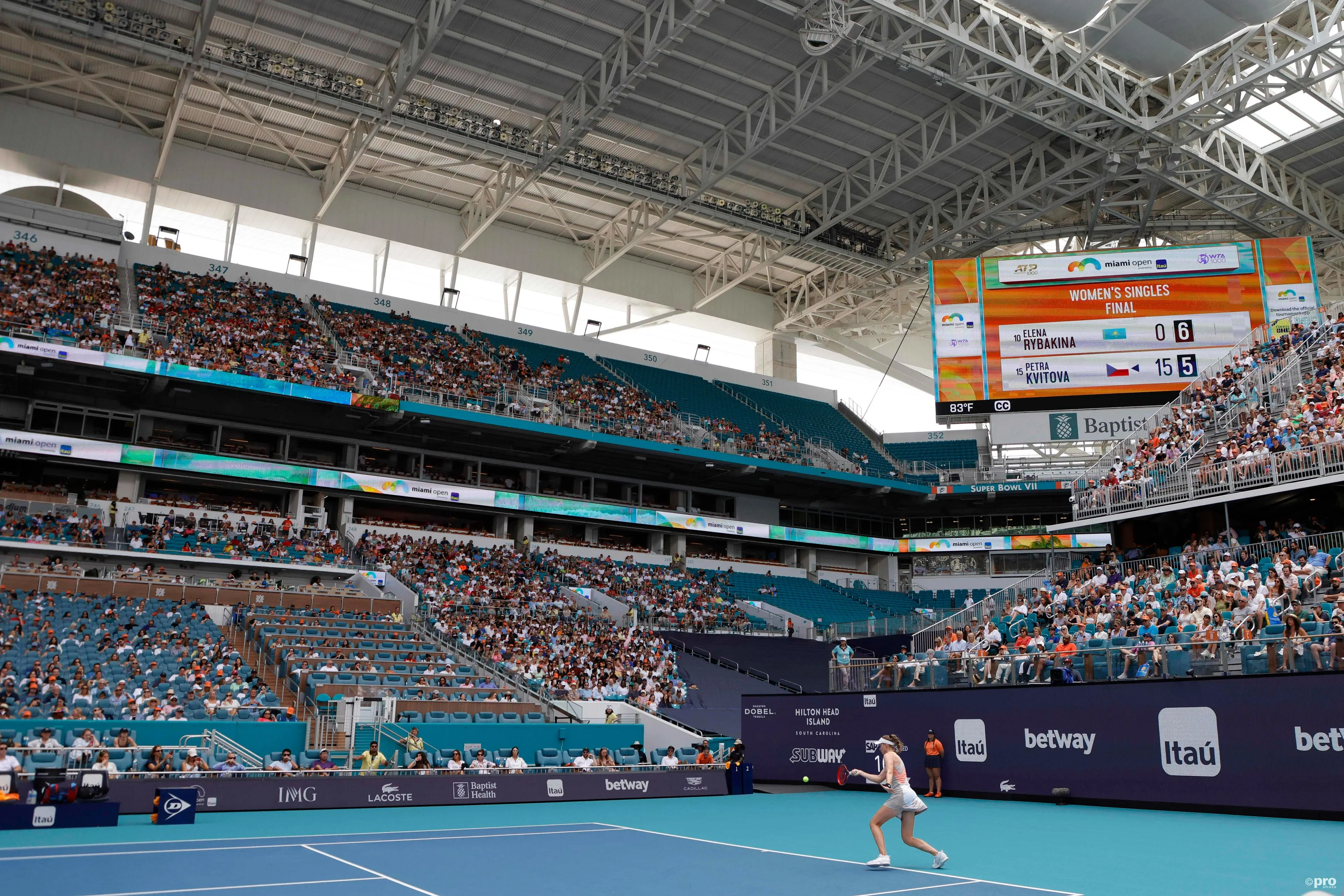
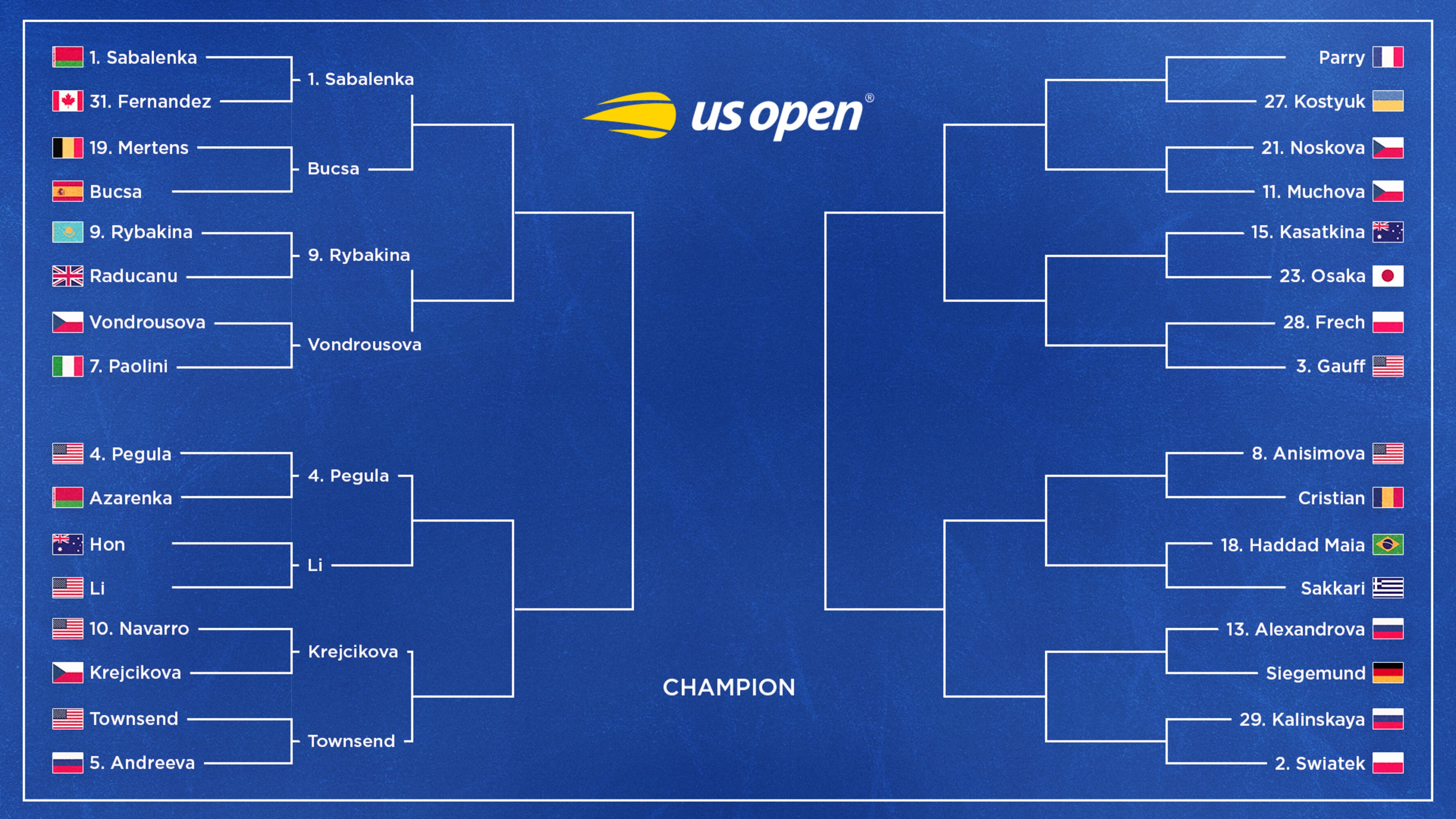
The 2025 US Open set a historic benchmark in professional sports, awarding a record-breaking total player compensation of $80 million. Both the men’s and women’s singles champions each received a massive $3.8 million winner's share, maintaining the tournament’s long-standing commitment to equal pay across all primary categories.
Record-Breaking Purse: Overview of the 2025 US Open Financials
The 2025 US Open, held at the USTA Billie Jean King National Tennis Center, represented a significant financial milestone for the sport. With a total prize pool of $80 million, the United States Tennis Association (USTA) saw an approximate 15% increase from the 2024 figures. This escalation was driven by record-breaking ticket sales, expanded global media rights, and an influx of premium sponsorships that capitalized on the post-Olympic surge in tennis popularity.
Historically, the US Open has been a pioneer in financial parity. Having introduced equal prize money in 1973, the tournament continues to lead the Grand Slams in total compensation. In 2025, the USTA focused not only on the "top-heavy" rewards for finalists but also on the financial sustainability of lower-ranked players. By significantly increasing the payouts for the qualifying rounds and the first two rounds of the main draw, the tournament addressed the rising costs of professional coaching, travel, and international logistics.
This $80 million figure includes more than just the round-by-round checks. It encompasses per diems, travel grants, and player services, ensuring that even those who exited early could cover their operational expenses. For the modern professional, the US Open remains the most lucrative stop on the ATP and WTA tours, serving as a critical financial anchor for the competitive season.
Men’s and Women’s Singles Prize Money Breakdown
The singles draw remains the primary attraction of the US Open, and its prize money structure reflects its prestige. For the 2025 season, the winner’s share climbed to $3.8 million, a substantial jump from the previous year. This figure solidifies the US Open’s position as one of the highest-paying individual sporting events in the world.
However, the most impactful changes occurred in the early rounds. A first-round exit in 2025 earned a player $110,000. For many players ranked outside the top 50, this single tournament payout can represent more than half of their annual earnings. This "bottom-up" distribution model is designed to support the middle class of professional tennis, allowing them to reinvest in their careers and maintain high-performance levels.
The progression from the Round of 16 to the Semi-finals also saw double-digit percentage increases. Reaching the second week of a Grand Slam is a major career milestone, and the 2025 financial structure rewarded that consistency with $350,000 for a Round of 16 appearance.
2025 US Open Singles Prize Money Table
| Round | Prize Money (Per Player) | % Increase from 2024 (Approx.) |
|---|---|---|
| Winner | $3,800,000 | 5.5% |
| Runner-Up | $1,900,000 | 5.5% |
| Semi-Finalists | $1,050,000 | 10.5% |
| Quarter-Finalists | $550,000 | 10.0% |
| Round of 16 | $350,000 | 11.1% |
| Round of 32 | $225,000 | 12.5% |
| Round of 64 | $150,000 | 7.1% |
| Round of 128 (Main Draw) | $110,000 | 10.0% |
Doubles and Mixed Doubles Payouts
While the singles stars often dominate the headlines, the 2025 US Open also provided significant boosts to the doubles and mixed doubles disciplines. Doubles teams must split their prize money, meaning each individual player receives half of the listed team total. In 2025, the winning doubles teams (Men's and Women's) earned $800,000, or $400,000 per player.
The USTA has been vocal about the importance of doubles to the overall fan experience. Consequently, the prize money for doubles was scaled up to ensure that specialist players could remain financially viable. Mixed doubles, often seen as a secondary event, still commanded a respectable $210,000 for the winning pair.
One of the challenges for doubles players is the disparity between their earnings and those of singles players. While the gap remains large, the 2025 increases in the first and second rounds of doubles were specifically calculated to cover the costs of a multi-person team, including coaches and physios who often travel with the pair.
Doubles and Mixed Doubles Breakdown
- Men’s/Women’s Doubles Winner: $800,000 (per team)
- Men’s/Women’s Doubles Runner-Up: $400,000 (per team)
- Men’s/Women’s Doubles Semi-Finalists: $200,000 (per team)
- Mixed Doubles Winner: $210,000 (per team)
- Mixed Doubles Runner-Up: $105,000 (per team)
The Financial Significance of the Qualifying Rounds
A major narrative of the 2025 US Open was the "Qualifying Surge." The USTA allocated over $8 million specifically for the qualifying tournament. This is a critical investment because players in the qualifying rounds are typically ranked between 100 and 250 in the world and often operate at a financial loss throughout the year.
In 2025, a player losing in the final round of qualifying (the third round) walked away with $60,000. Even a first-round loss in qualifying paid $30,000. These figures are vital for the health of the sport, as they provide the "seed capital" for up-and-coming players to continue competing on the professional tour. The high payout at the qualifying level ensures that the talent pipeline remains robust and that financial barriers do not prevent the world's best athletes from reaching the main stage in New York.
Taxation and Expenses: The Reality of the Winner's Share
While a $3.8 million check is life-changing, the net amount a player takes home is significantly lower. Professional tennis players are considered independent contractors, and their earnings are subject to heavy taxation and high operational overhead.
Federal and State Taxes
International players competing in the United States are generally subject to a flat 30% federal withholding tax on their earnings. Furthermore, because the US Open is held in New York City, players are also liable for New York State and potentially New York City taxes. For a winner like the 2025 champion, the combined tax burden can easily exceed 45-50%.
Operational Costs
A top-tier player’s team often includes a head coach, a hitting partner, a physiotherapist, and a fitness trainer. The player is responsible for the salaries, travel, and lodging of this entire entourage. Additionally, players must pay their own insurance and management fees (often 10-20% of on-court earnings). After all expenses and taxes are accounted for, a $3.8 million "winner's share" might result in a net profit of approximately $1.6 to $1.8 million.
Comparison: US Open vs. Other Grand Slams in 2025
By the conclusion of the 2025 Grand Slam calendar, it was clear that the US Open remained the most generous tournament. While Wimbledon and Roland Garros made significant strides in their prize money offerings, the US Open’s $80 million total purse outperformed the Australian Open by nearly 15% and Wimbledon by 8%.
The "New York Premium" is a result of the USTA's aggressive commercial strategy. The US Open operates as a massive entertainment festival, incorporating music, high-end dining, and exclusive hospitality suites that generate revenue levels other slams struggle to match. This commercial success is directly recycled into the player prize pool, maintaining the tournament's status as the "wealthiest" major in tennis.
Future Projections: Heading Toward $100 Million
Looking back from 2026, the 2025 figures set the stage for the eventual move toward a $100 million total purse. Analysts point to the 2025 season as the turning point where media rights inflation and digital streaming partnerships became the primary drivers of prize money growth, rather than just ticket sales.
The USTA’s ability to maintain a 10-15% annual growth rate in compensation suggests that by the late 2020s, the winner’s share could approach $5 million. This trajectory is essential for tennis to compete with other global sports like golf (LIV/PGA) and Formula 1 for the attention of top-tier athletes.
How do US Open prize money earnings affect rankings?
Prize money itself does not affect ATP or WTA rankings, which are based solely on points earned through match wins. However, higher prize money allows lower-ranked players to afford better coaching and recovery tools, which indirectly leads to improved performance and higher rankings over time.
Is the prize money the same for Men and Women?
Yes, the US Open has offered equal prize money for both men and women since 1973. This applies to the winner’s share, the runner-up share, and all round-by-round breakdowns in the singles and doubles main draws.
What happens to the prize money if a player retires mid-match?
If a player starts a match but is forced to retire due to injury or illness, they are still entitled to the prize money for that round. However, if a player withdraws before the first round begins, they may receive a portion of the prize money (typically 50%), with the remainder going to the "Lucky Loser" who replaces them in the draw.
Are per diems included in the $80 million total?
Yes, the $80 million total player compensation figure includes both the direct prize money for match results and the per diem payments provided to players for their daily expenses while they are active in the tournament.
How is the doubles prize money split?
Doubles prize money is awarded per team. For example, if the 2025 winning team earned $800,000, the two players on that team would each receive $400,000, which is then subject to their individual tax obligations and coaching expenses.
Understanding the Financial Trajectory for Players
For fans and aspiring athletes, the 2025 prize money breakdown serves as a roadmap for the financial health of the sport. The primary takeaway is that while the "Winner’s Share" gets the headlines, the sustainability of the sport depends on the "Floor"—the prize money for the first and second rounds.
If you are following professional tennis, pay close attention to the qualifying and early-round results. These are the stages where the 2025 prize money increases have the most profound impact on a player’s ability to stay on tour and compete at a high level. The $110,000 earned for a first-round loss in 2025 is not just a payout; it is an investment in the next generation of tennis talent.