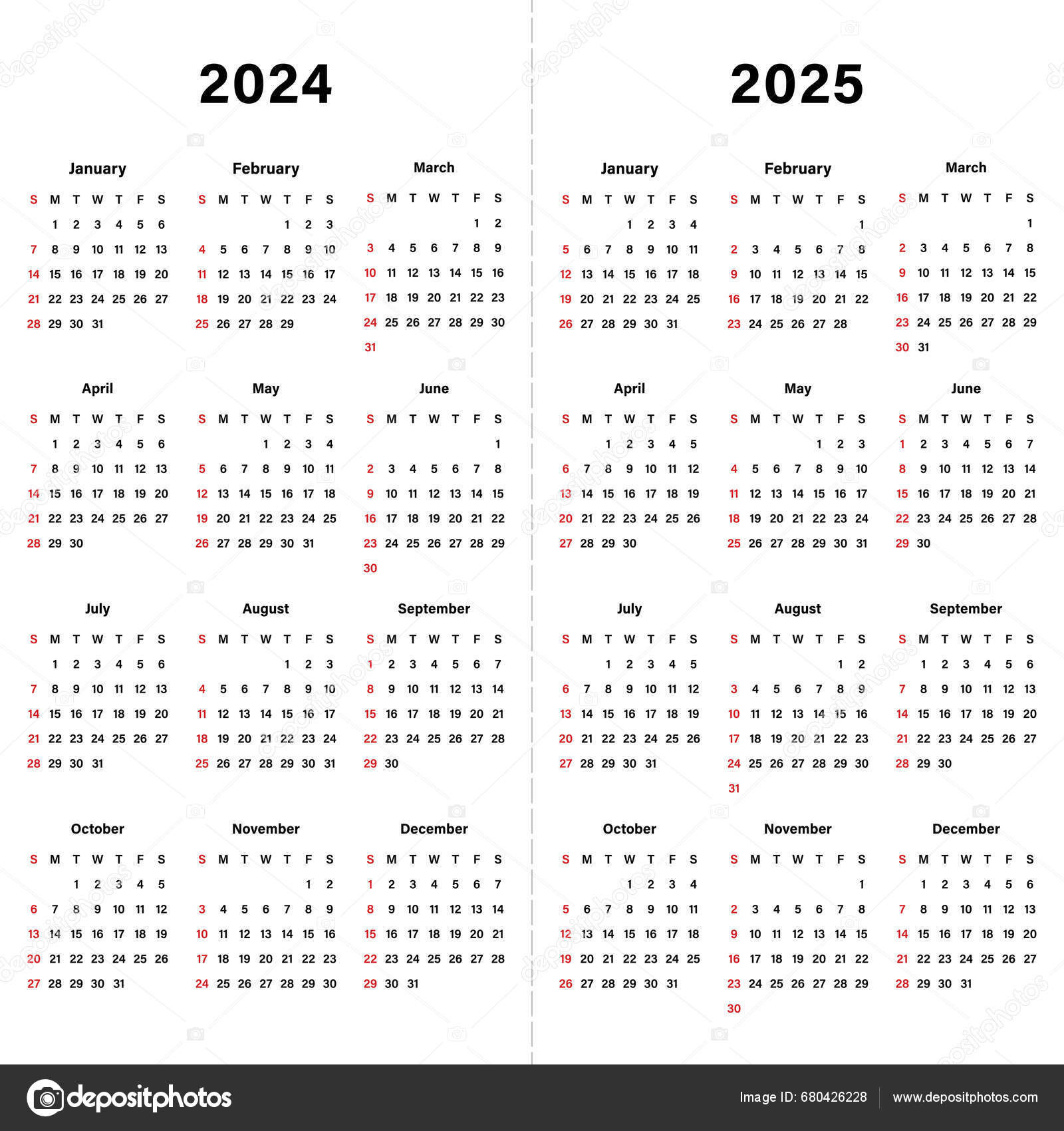
The 2025 schedule was defined by a packed calendar of international sporting events, significant shifts in global financial regulations, and a series of ambitious space exploration milestones. Key dates included Super Bowl LIX in February, the implementation of updated IRS tax brackets in the United States, and the highly anticipated Year of the Snake celebrations.
Public Holidays and Cultural Observances in 2025
The 2025 calendar followed a standard Gregorian structure, but it was heavily influenced by lunar cycles that dictated the timing of major cultural festivals. Understanding these dates was essential for global logistics, travel planning, and corporate scheduling throughout the year.
One of the most significant events of the year was the Lunar New Year, which began on January 29, 2025. As the Year of the Snake, this period saw massive migrations across East Asia and impacted global supply chains for nearly three weeks. Unlike fixed-date holidays like Christmas or New Year’s Day, the Lunar New Year requires careful cross-referencing with solar calendars to ensure business continuity.
Religious observances also played a critical role in the 2025 schedule. Easter Sunday fell on April 20, 2025, which is relatively late in the spring season. This timing influenced the "Spring Break" windows for educational institutions across Europe and North America. Meanwhile, Ramadan began on approximately February 28, 2025, with the celebratory Eid al-Fitr occurring around March 30. These dates are pivotal for international organizations to manage workforce availability and respect cultural norms in diverse operating environments.
Fixed public holidays remained the anchors of the annual schedule. In the United States, Federal holidays such as Memorial Day (May 26) and Labor Day (September 1) provided the traditional bookends for the summer season. For project managers and HR professionals, these dates were non-negotiable deadlines for payroll cycles and project milestones.
The 2025 International Sports Calendar
For the sporting world, 2025 was a year of transition and high-stakes competition, filling the gap between the Olympic cycles. The schedule was dominated by continental championships and the continuation of expanded league formats in professional soccer and motorsports.
The year kicked off with Super Bowl LIX, held on February 9, 2025, at the Caesars Superdome in New Orleans. This event is not just a sporting final but a massive commercial deadline for the advertising and entertainment industries. Following the NFL season, the focus shifted to international soccer. The UEFA Champions League Final took place on May 31, 2025, at the Allianz Arena in Munich. This marked a significant date in the 2025 schedule as it was one of the first finals under the newly expanded competition format, which increased the total number of matches played throughout the spring.
In the world of golf, the Ryder Cup returned to American soil. Held at Bethpage Black in Farmingdale, New York, from September 26 to September 28, 2025, the event was a focal point for international tourism and sports broadcasting. The scheduling of such events requires years of coordination with local municipalities to manage infrastructure and security.
The 2025 Formula 1 season also maintained a rigorous schedule, featuring a record-breaking 24-race calendar. Starting in Australia in mid-March and concluding in Abu Dhabi in December, the F1 schedule serves as a primary example of complex global logistics, where teams must move tons of equipment across continents in narrow windows of time.
Space Exploration and Tech Milestones in 2025
The 2025 schedule for space agencies was perhaps the most ambitious in a decade. NASA’s Artemis program remained the centerpiece of space news, with 2025 serving as a critical window for hardware testing and crewed mission preparations. While the Artemis II mission—the first crewed flight around the Moon in over 50 years—faced various technical hurdles, the 2025 calendar was filled with secondary launches and uncrewed lunar landings from private entities like SpaceX and Blue Origin.
Technological shifts also followed a strict release schedule. Major tech conferences, such as CES 2025 (January 7–10) and WWDC 2025 in June, acted as the primary venues for the debut of second-generation AI-integrated hardware. These dates are essential for developers and investors who track product lifecycles.
In terms of astronomical events, 2025 featured two total lunar eclipses. The first occurred on March 14, 2025, and was visible across much of the Americas. The second took place on September 7, 2025. These events are not only of scientific interest but also drive significant "astrotourism" and specialized event planning for observatories and educational institutions.
Financial Deadlines and Regulatory Timelines for 2025
From a fiscal perspective, the 2025 schedule was marked by the expiration of certain tax provisions and the introduction of new reporting standards. In the United States, the IRS tax filing deadline for 2024 returns fell on April 15, 2025. However, for many taxpayers, the focus was on the 2025 tax year itself, which saw adjusted income tax brackets and higher standard deductions to account for previous inflationary trends.
| Key 2025 Financial Date | Event/Deadline | Impacted Entity |
|---|---|---|
| January 1, 2025 | New Tax Year Begins | Individual & Corporate Taxpayers |
| January 31, 2025 | W-2/1099 Distribution Deadline | Employers & Contractors |
| April 15, 2025 | Federal Income Tax Filing Deadline | U.S. Residents/Citizens |
| June 15, 2025 | Q2 Estimated Tax Payment | Self-Employed/Small Business |
| September 15, 2025 | Q3 Estimated Tax Payment | Self-Employed/Small Business |
| December 31, 2025 | Year-End Financial Closing | All Businesses |
Corporate entities also had to navigate the 2025 ESG (Environmental, Social, and Governance) reporting requirements. In many jurisdictions, 2025 was the first year where expanded disclosure rules became mandatory for mid-sized firms, not just large-cap corporations. This necessitated a rigorous internal schedule for data collection and auditing throughout the first three quarters of the year.
Furthermore, the 2025 fiscal calendar was significant for investors monitoring central bank meetings. The Federal Reserve and the European Central Bank held scheduled meetings roughly every six weeks. These dates were the primary drivers of market volatility as investors looked for signals regarding interest rate pivots following the economic stabilization of the previous two years.
Entertainment Milestones: 2025 Film and Media Schedule
The 2025 entertainment schedule was particularly robust due to the realignment of production cycles following previous industry strikes. Major film studios slated their most significant "tentpole" releases for the summer and holiday windows of 2025.
In the cinematic world, July 2025 was a pivotal month, featuring the release of high-budget franchise reboots and sequels. These dates are often set years in advance to avoid "cannibalizing" the box office of competing films. For media planners and cinema owners, the 2025 schedule represented a return to a more predictable and lucrative theatrical window.
Television and streaming platforms also utilized a staggered release schedule in 2025 to maintain subscriber engagement. Major series finales and season premieres were often timed to coincide with the "Emmy eligibility window," which typically closes at the end of May. This strategic scheduling ensures that high-quality productions remain fresh in the minds of voters and audiences alike.
Managing Records from the 2025 Calendar
As we are now in 2026, the 2025 schedule has shifted from a planning tool to a historical record. Effective record-keeping of 2025 activities is essential for tax compliance, project auditing, and performance reviews.
For individuals, 2025 records should be organized into several categories:
- Financial Documents: Receipts, bank statements, and investment records from the 2025 fiscal year must be retained for at least seven years in many jurisdictions to satisfy audit requirements.
- Employment Records: Pay stubs and performance evaluations from 2025 are critical for verifying income and career progression when applying for loans or new positions in 2026.
- Health and Medical Logs: Given the changes in healthcare technology in 2025, ensuring that digital health records from this period are correctly synced with current providers is a high-priority task.
For businesses, the "look-back" at the 2025 schedule involves analyzing planned vs. actual outcomes. Most corporations perform a Q1 2026 review of the entire 2025 fiscal year to determine bonus structures and set the trajectory for the upcoming 2027 long-term planning cycle.
Frequently Asked Questions
What were the major federal holidays in the 2025 schedule?
The 2025 federal holiday schedule in the U.S. included New Year's Day (Jan 1), Martin Luther King Jr. Day (Jan 20), Presidents' Day (Feb 17), Memorial Day (May 26), Juneteenth (June 19), Independence Day (July 4), Labor Day (Sept 1), Indigenous Peoples' Day/Columbus Day (Oct 13), Veterans Day (Nov 11), Thanksgiving (Nov 27), and Christmas Day (Dec 25). These dates were essential for determining bank closures and mail delivery interruptions.
When did the 2025 tax season officially begin?
The IRS typically begins accepting and processing individual tax returns in late January. For the 2025 schedule, the "tax season" for filing 2024 returns officially opened on January 27, 2025. This timeframe allows taxpayers to submit their documentation as soon as they receive their W-2 and 1099 forms, which are legally required to be sent by January 31.
Were there any major global summits scheduled in 2025?
Yes, several high-profile diplomatic events took place. The G7 Summit was hosted by Canada in the summer of 2025, focusing on artificial intelligence governance and climate finance. Additionally, the COP30 UN Climate Change Conference was held in Brazil in November 2025, which was a landmark event for the implementation of the Amazonian protection initiatives.
What was the significance of the 2025 "Year of the Snake"?
In the Lunar Calendar, 2025 was the Year of the Wood Snake. Culturally, this influenced everything from fashion trends to investment strategies in various Asian markets. In terms of scheduling, it meant that many businesses in China, Vietnam, and South Korea were closed for the Golden Week starting January 29, 2025, which significantly impacted global shipping and manufacturing timelines.
How many days were in the 2025 calendar year?
2025 was a common year, meaning it consisted of 365 days. Unlike 2024, which was a leap year, February 2025 had only 28 days. This is a critical distinction for payroll departments and interest-bearing accounts that calculate daily accruals based on the exact number of days in a year.
Verifying and Archiving Your 2025 Data
As you conclude your review of the 2025 schedule, the most important next step is the formal verification of your records. Whether you are a business owner or an individual, ensuring that your 2025 calendar entries match your actual financial and professional outputs is the best way to prepare for the 2026 tax season and beyond.
Start by cross-referencing your 2025 digital calendar with your bank statements. Look for any discrepancies in travel dates, business expenses, or significant milestones that might have tax implications. Once verified, move these records into a secure "2025 Archive" folder. This practice not only clears mental and digital clutter for the current year but also ensures that you are fully prepared for any future inquiries regarding your activities during that pivotal year.