The term "2025 papal election" refers to the period of intense global speculation and institutional preparation regarding the succession of Pope Francis during the Holy Year. While the papacy did not see a formal conclave in 2025, the year served as a critical turning point for the College of Cardinals and the future direction of the Catholic Church.
Understanding the Context of the 2025 Transition Period
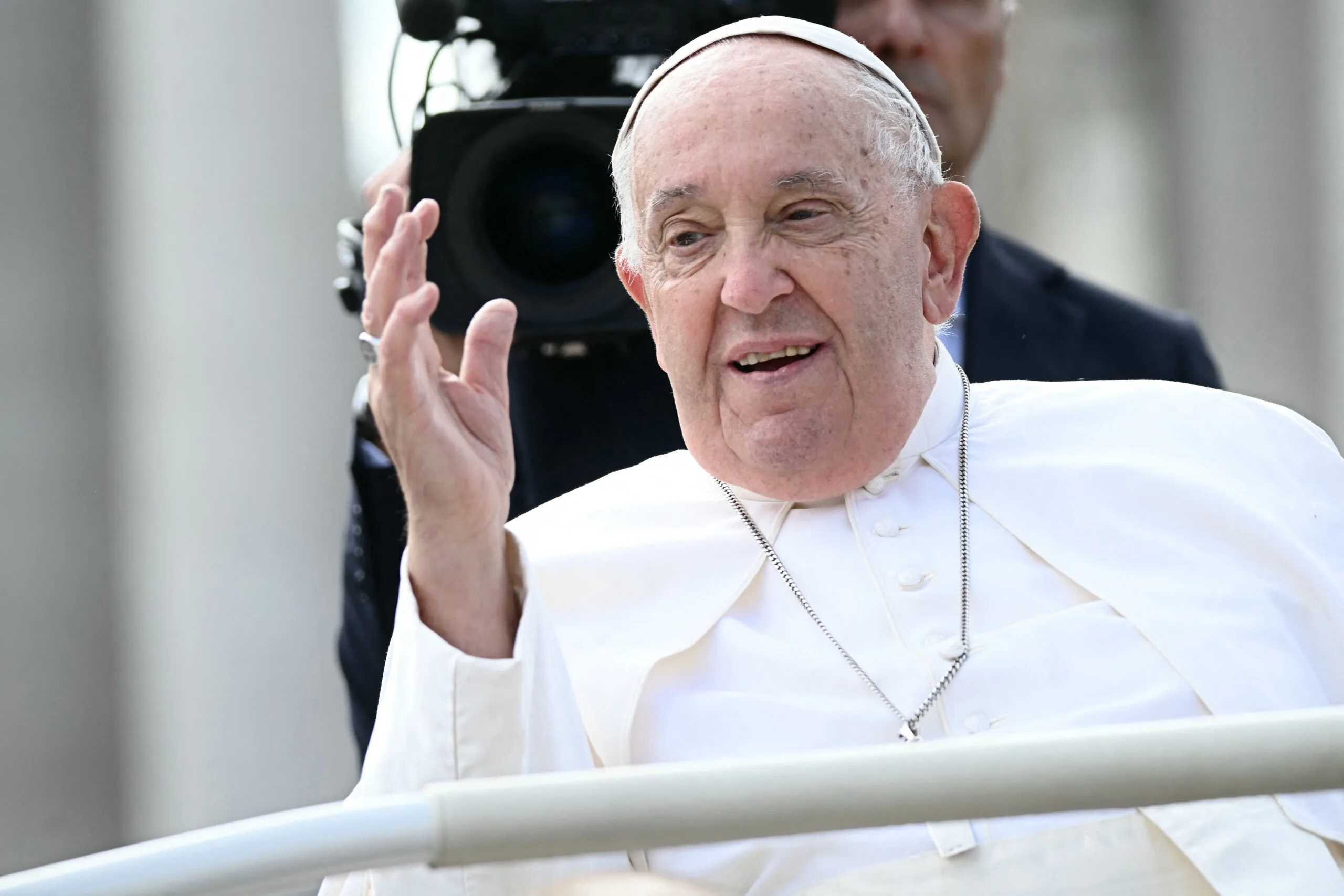
As the Church entered 2025, the milestone of the Jubilee Year—a "Holy Year" of hope and pilgrimage—coincided with significant questions regarding the longevity of the Francis pontificate. Pope Francis, born in 1936, reached the age of 88 in late 2024, placing him among the oldest reigning pontiffs in history. This chronological reality, combined with his recurring mobility issues and previous abdominal surgeries, fueled a persistent international dialogue regarding the "2025 papal election."
The discourse was not merely about the health of a single man but about the continuity of the reforms initiated since 2013. The "Francis era" has been defined by a focus on "synodality"—a more decentralized, listening Church—and a preferential option for the peripheries. By 2025, the central question for Vatican observers was whether the College of Cardinals, largely appointed by Francis himself, would choose a successor who would solidify these changes or a candidate who would seek a "restoration" of more traditional liturgical and administrative norms.
In the Roman Catholic tradition, an election is never scheduled; it is a reactive event triggered by Sede Vacante (the Seat being vacant). However, the "election of 2025" became a shorthand for the shadow campaigning, theological maneuvering, and strategic cardinal appointments that reached a crescendo during the Jubilee events. This period allowed the "Papabile"—those considered "pope-able"—to demonstrate their leadership on a global stage before their peers.
The Canonical Framework: How a Papal Election is Triggered
A papal election, or conclave, is governed by strict ecclesiastical laws, primarily the Apostolic Constitution Universi Dominici Gregis, issued by Pope John Paul II in 1996 and subsequently amended by Benedict XVI and Francis. Understanding the 2025 landscape requires a look at the two legal triggers for an election: the death of the Pope or his valid resignation.
Sede Vacante and the Role of the Camerlengo
When the papacy becomes vacant, the governance of the Church shifts to the College of Cardinals, led by the Camerlengo (Chamberlain). In 2025, this role was held by Cardinal Kevin Farrell. The Camerlengo's primary duty is the administration of the temporal goods of the Church during the interregnum. He is responsible for verifying the Pope's death, sealing the papal apartments, and overseeing the destruction of the Fisherman’s Ring to prevent the forging of papal documents. This period of "Sede Vacante" is highly regulated to ensure that no major changes to Church law occur while there is no Pope.
The Voting Process within the Sistine Chapel
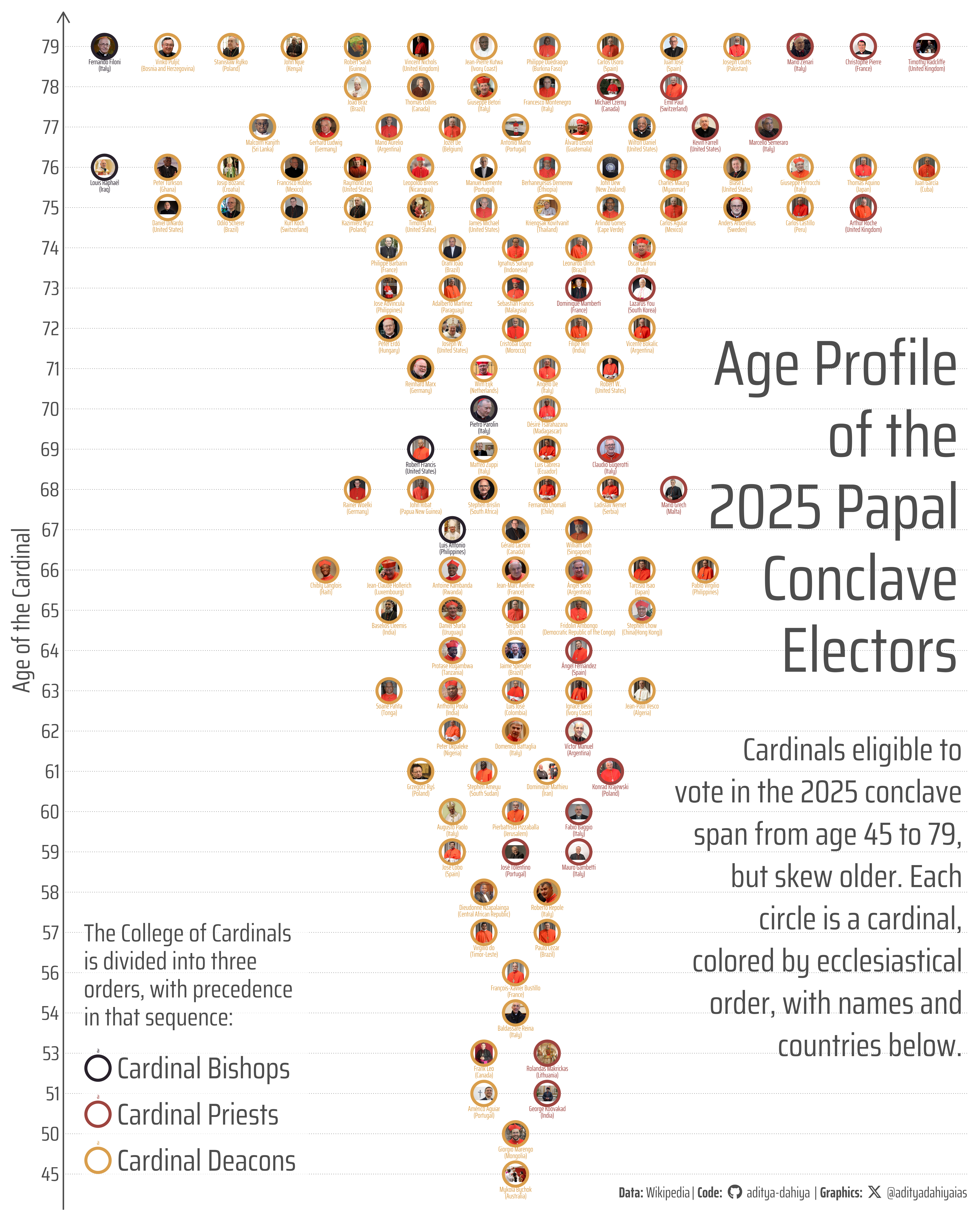
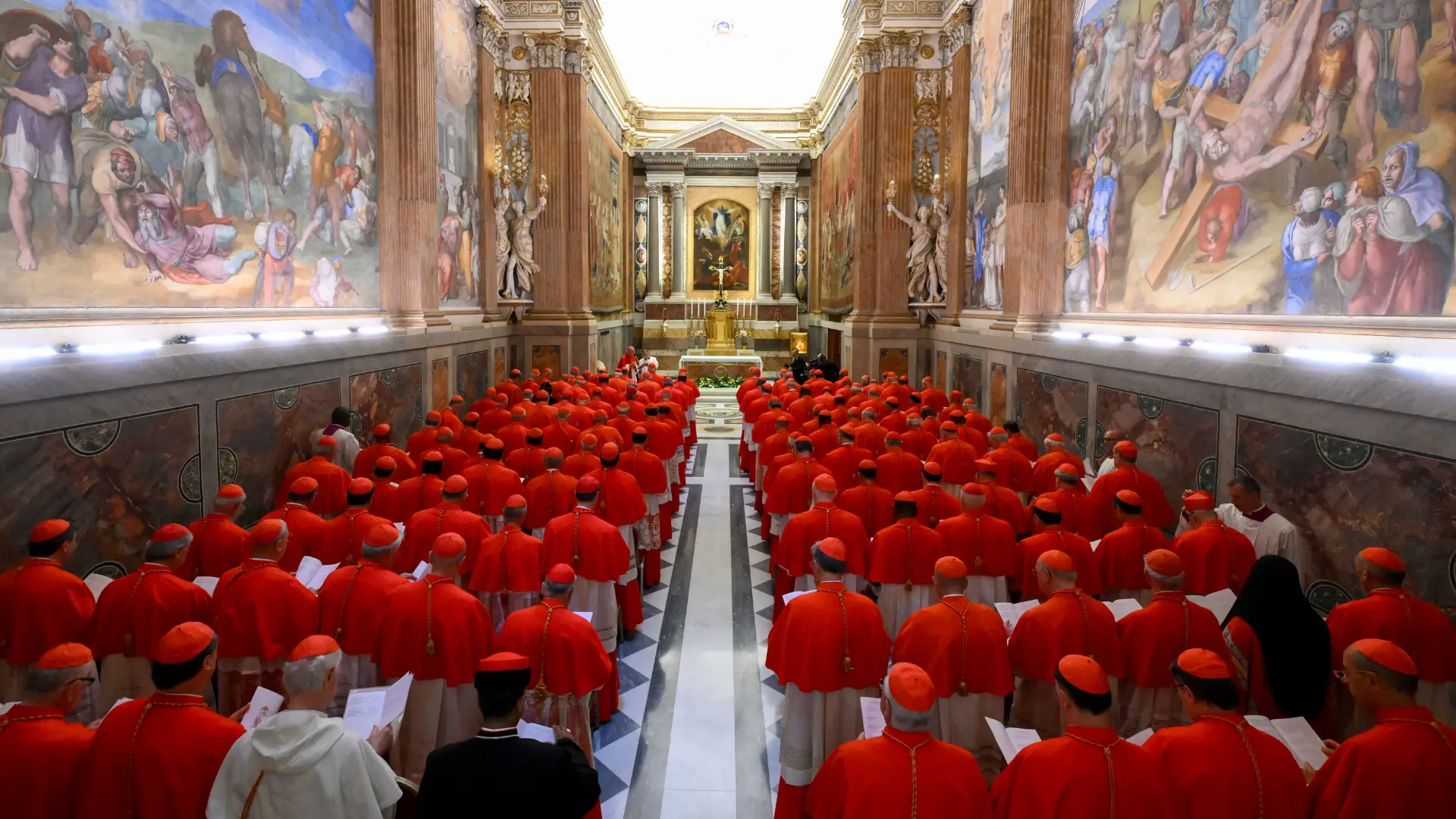
Should an election have occurred in 2025, the voting would have taken place within the Sistine Chapel under a vow of absolute secrecy. Only Cardinals under the age of 80 on the day the See becomes vacant are eligible to vote. The process requires a two-thirds majority for a valid election. Balloting typically occurs twice in the morning and twice in the afternoon. The famous signals—black smoke for an inconclusive vote and white smoke (fumata bianca) for the election of a new Pope—remain the primary way the world learns of the outcome before the senior Cardinal Deacon announces "Habemus Papam" from the central balcony of St. Peter’s Basilica.
The College of Cardinals: Shaping the 2025 Electorate
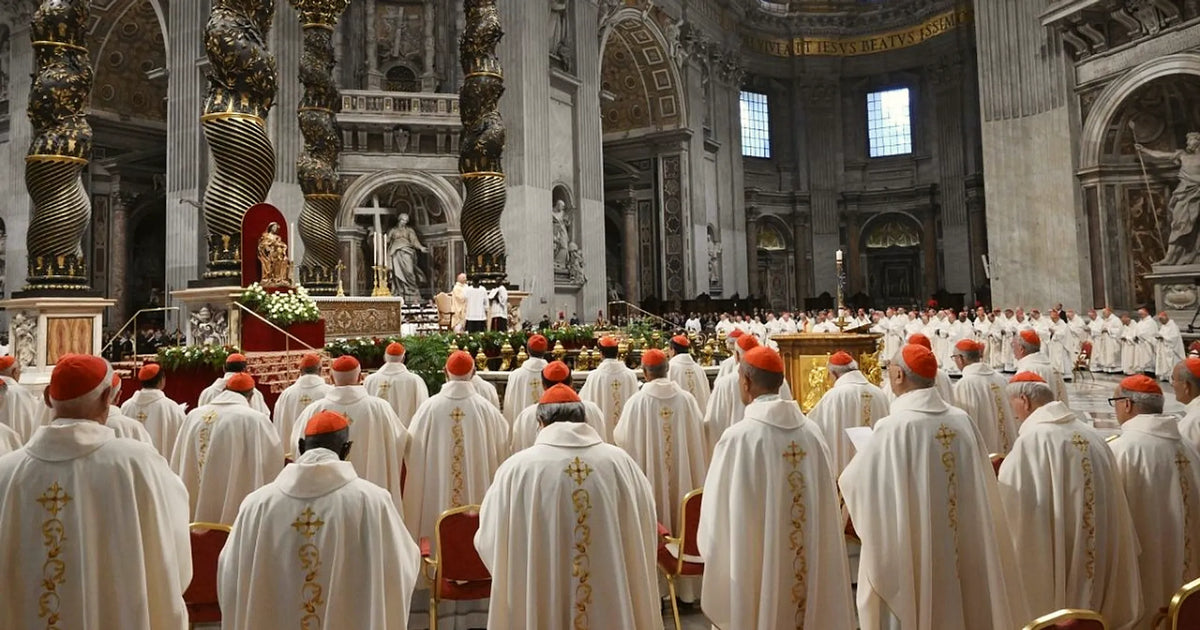
By the start of 2025, Pope Francis had fundamentally reshaped the body that would elect his successor. Through consistent consistories (the ceremonies where new cardinals are created), Francis ensured that the majority of voting-age cardinals shared his vision of a more international and less Eurocentric Church.
The "geography of the conclave" shifted significantly. Historically, European and specifically Italian cardinals dominated the voting bloc. However, by 2025, the percentage of electors from the Global South—Asia, Africa, and Latin America—had reached historic highs. This demographic shift was a deliberate move to reflect the reality that the majority of the world's Catholics now live outside the West.
This realignment means that any election discussed in the 2025 context was less likely to be swayed by Roman Curial politics and more likely to be influenced by the pastoral concerns of the "peripheries," such as climate change, economic inequality, and interreligious dialogue. The "Francis Cardinals" were not a monolithic voting bloc, but they shared a common background in pastoral ministry rather than purely bureaucratic experience.
Prominent "Papabile": Profiles of Potential Successors
During the height of the 2025 speculation, several names consistently appeared at the top of "watch lists" maintained by Vatican analysts. These individuals represented different paths for the Church's future.
- Cardinal Pietro Parolin (Italy): As the Vatican Secretary of State, Parolin was viewed as the "continuity" candidate who possessed the diplomatic tact to navigate a polarized Church. His deep knowledge of the Roman Curia and his role in the Vatican-China deal made him a formidable, if traditional, choice.
- Cardinal Matteo Zuppi (Italy): Known for his ties to the Community of Sant'Egidio, Zuppi was often described as a "Francis-style" pastor with a heavy focus on peace-making and the poor. His work as a papal envoy for the war in Ukraine elevated his international profile significantly by 2025.
- Cardinal Luis Antonio Tagle (Philippines): Often called the "Francis of Asia," Tagle represented the vibrant growth of the Church in the East. His charismatic leadership and previous role as head of Caritas Internationalis made him a favorite among those wanting to see the first Asian Pope.
- Cardinal Robert Sarah (Guinea): Although he had reached the retirement age for his curial post, Sarah remained a hero to the traditionalist wing of the Church. His emphasis on liturgical "reform of the reform" and moral clarity stood in contrast to the more progressive leaning of the Francis appointments.
| Candidate Name | Origin | Primary Focus/Strength | Theological Alignment |
|---|---|---|---|
| Pietro Parolin | Italy | Diplomacy & Administration | Moderate / Institutionalist |
| Matteo Zuppi | Italy | Peace & Social Justice | Progressive / Pro-Francis |
| Luis Antonio Tagle | Philippines | Evangelization & Global South | Progressive / Charismatic |
| Péter Erdő | Hungary | Canon Law & European Identity | Conservative / Intellectual |
| Fridolin Ambongo | DR Congo | African Growth & Social Issues | Moderate / Reformer |
The Impact of the 2025 Jubilee on the Papacy
The Jubilee Year of 2025, themed "Pilgrims of Hope," served as a massive logistical and spiritual undertaking that many believed would be the "final act" of the Francis pontificate. The Jubilee traditionally occurs every 25 years and involves the opening of the Holy Doors in the four major basilicas of Rome.
For Pope Francis, the 2025 Jubilee was a platform to cement his legacy. He used the year to emphasize themes of debt forgiveness for poor nations, environmental stewardship, and a "theology of tenderness." The global visibility of the Pope during these events was used by many to gauge his fitness for continued office. The intense physical demands of the Jubilee—presiding over massive liturgies and greeting millions of pilgrims—effectively answered many questions regarding his stamina.
Furthermore, the Jubilee provided a unique opportunity for the College of Cardinals to gather in Rome outside of a conclave. These informal meetings are crucial in the "pre-conclave" phase, as they allow cardinals from remote parts of the world to meet, converse, and evaluate one another’s perspectives. The 2025 events essentially acted as a prolonged "General Congregation," the meetings that normally occur just before a conclave begins.
Key Theological and Administrative Challenges for the Next Pontificate
Regardless of when the next election occurs, the issues that dominated the 2025 discourse remain the primary agenda for any future Pope. The "2025 papal election" was less about a change in personnel and more about a transition in mission.
- Synodality and Governance: The "Synod on Synodality" concluded its major Roman phases just prior to 2025. The next Pope will be responsible for either implementing the decentralized model of Church governance proposed during these sessions or scaling it back in favor of a more centralized Petrine authority.
- The Role of Women: The question of women’s roles in the Church, including the possibility of the female diaconate, was a flashpoint in 2025. Any successor will face immediate pressure to provide definitive answers on this issue.
- Financial Reform: Despite years of effort by Pope Francis, the Vatican’s finances remain a complex web of decentralized investments and historical opacity. The next pontificate will need to continue the professionalization of the Secretariat for the Economy.
- Secularization in the West: While the Church is growing in Africa and Asia, it is facing a rapid decline in Europe and North America. The 2025 period highlighted the need for a "New Evangelization" strategy that speaks to post-Christian societies.
How a Pope is Chosen: Sequential Steps
- Announcement of Vacancy: The Dean of the College of Cardinals informs the diplomatic corps and the world.
- General Congregations: Cardinals meet daily to discuss the state of the Church and identify "papabile."
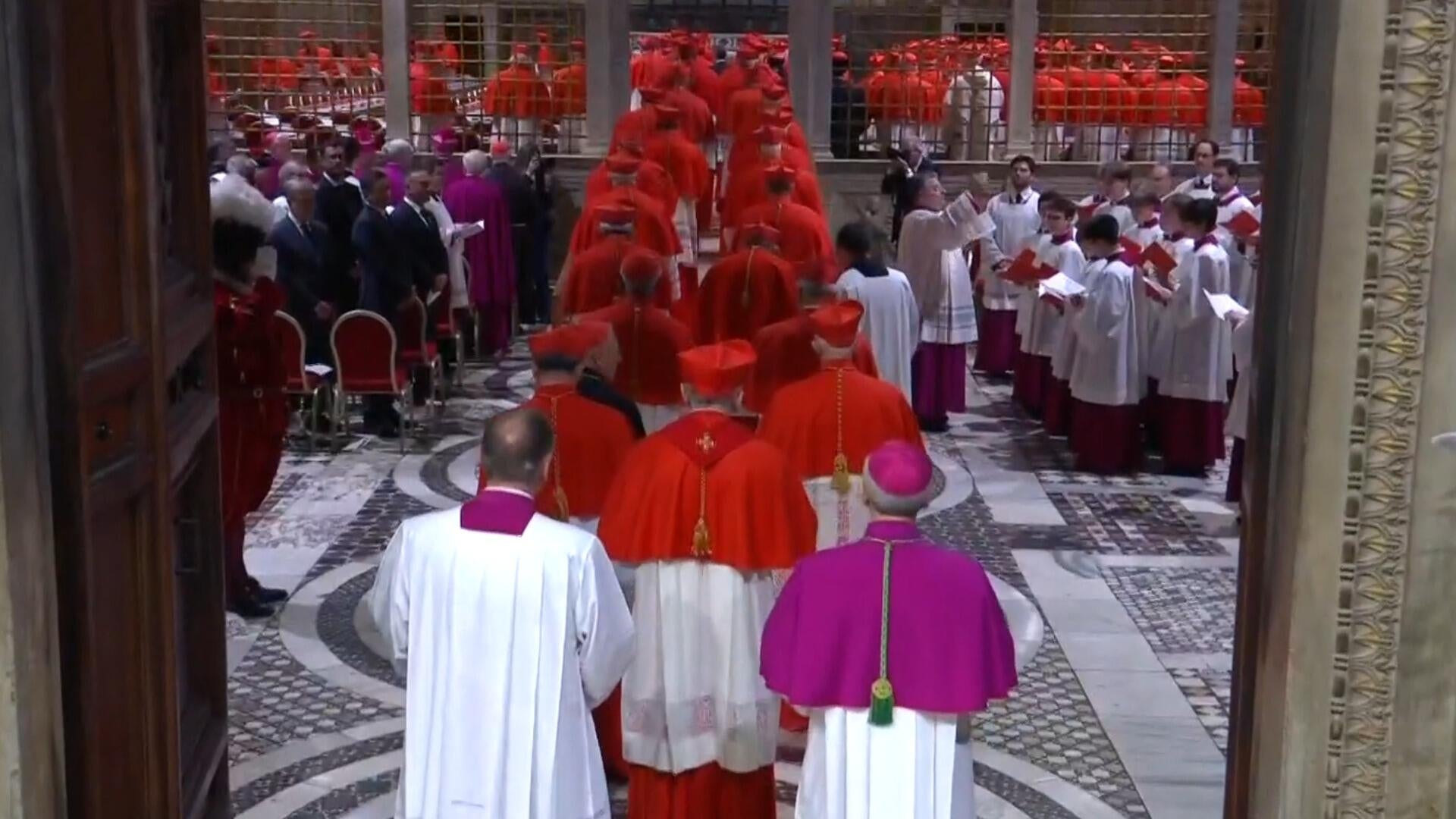
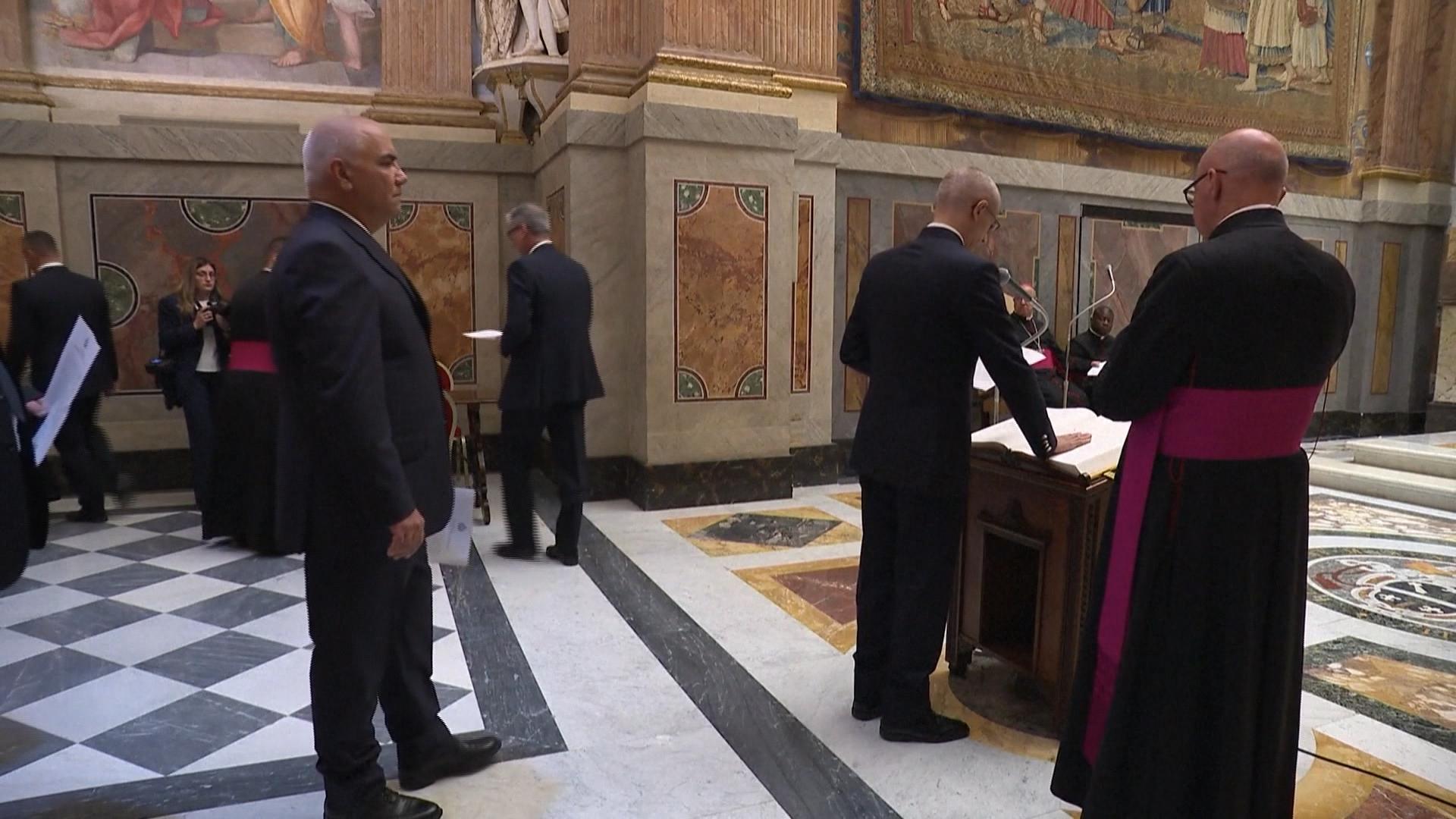
- Entering the Conclave: Cardinals process into the Sistine Chapel and take an oath of secrecy.
- The Scrutiny: Paper ballots are cast, collected, and counted by "Scrutineers."
- Acceptance: Once a candidate reaches two-thirds, he is asked if he accepts and what name he chooses.
- Habemus Papam: The new Pope is dressed in white and presented to the world.
What should observers watch for next?
For those following Vatican transitions, the most important "next action" is to monitor the list of "Voting Cardinals" as they reach the age of 80. Every time a cardinal turns 80, the composition of the potential conclave changes. Additionally, official bulletins from the Holy See Press Office regarding "Consistories" are the only way to know when new electors will be added.
Observers should also look toward the "post-Jubilee" apostolic exhortations. These documents often serve as the "marching orders" for the Church for the next decade. If you are tracking potential candidates, focus on those who are given major international assignments or appointed to lead influential Vatican Dicasteries, as these roles provide the visibility required to win a two-thirds majority in the Sistine Chapel.
FAQ
Who is the current Pope in 2026?
As of 2026, the status of the papacy remains centered on the legacy and continued leadership of the Bishop of Rome. While 2025 was a year of transition and speculation, the Church continues to operate under the framework established during the Jubilee Year.
Can a Pope resign instead of staying in office until death?
Yes, under Canon 332 §2 of the Code of Canon Law, a Pope may resign. The resignation must be made freely and "properly manifested." Pope Benedict XVI famously utilized this in 2013, which set a modern precedent that influenced all speculation surrounding the 2025 period.
Why is the age of 80 significant for Cardinals?
According to the rules established by Pope Paul VI and confirmed by subsequent popes, Cardinals who have reached their 80th birthday before the day the Apostolic See becomes vacant do not have the right to vote in a conclave. This rule was designed to ensure that the electors are of a younger demographic, though they may still participate in the preliminary General Congregations.
What happens if no one is elected after several days?
If the cardinals are unable to elect a Pope after three days of voting, the process is paused for a maximum of one day for prayer and informal discussion. This cycle repeats. Historically, the rules allowed for an absolute majority (50% + 1) after many failed ballots, but Pope Benedict XVI reinstated the requirement for a two-thirds majority at all times to ensure broader consensus.
How does the "white smoke" work?
The smoke is produced by burning the ballots from the vote. To ensure the color is distinct, chemicals are added: lactose, potassium chlorate, and rosin for white smoke; and anthracene and sulfur for black smoke. This remains one of the most iconic and low-tech communication methods in the modern world.