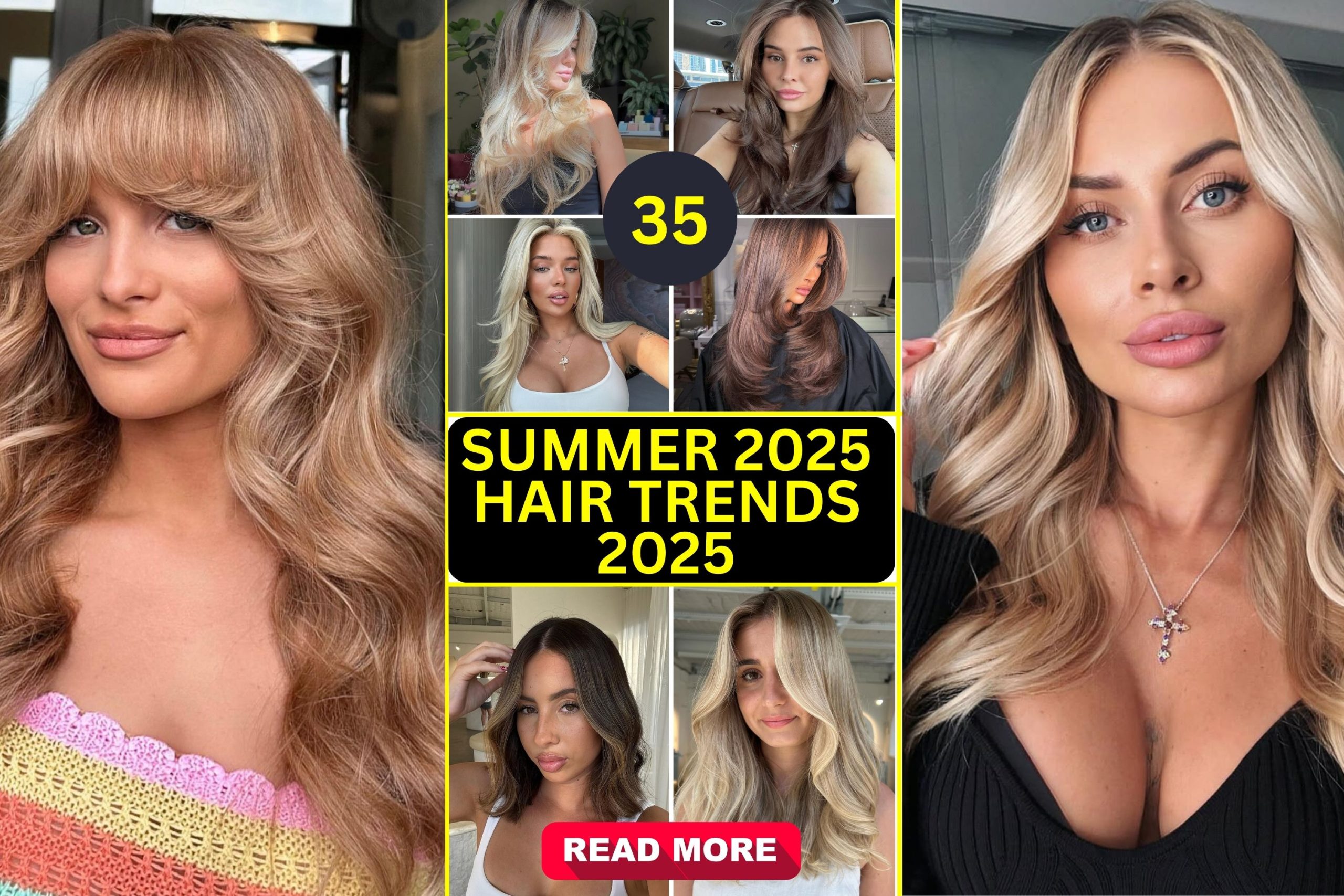
In 2025, hair trends shifted away from high-maintenance aesthetics toward "biophilic beauty," prioritizing scalp health and biotechnology. Key styles included the liquid bob, soft-shag revivals, and high-shine metallic glazes. These developments emphasized longevity and AI-driven personalization, moving the industry toward a "skinification" approach where haircare mimics advanced skincare routines.
The Paradigm Shift: Scalp Longevity and the Skinification of Hair
The defining movement of 2025 hair was the transition from topical styling to structural health. For years, the industry focused on masking damage; however, 2025 marked the year when the "scalp microbiome" became a household term. Professionals and consumers alike began treating the scalp as an extension of the facial skin, leading to a surge in exfoliating serums, scalp-specific SPF, and probiotic rinses.
This shift was driven by a growing understanding of how follicle health dictates hair density and luster. Clinical studies published in journals like the International Journal of Trichology increasingly highlighted the link between oxidative stress on the scalp and premature thinning. Consequently, 2025 saw the rise of "Trichology-First" salons, where diagnostic cameras and moisture-level sensors replaced traditional consultations. This data-driven approach allowed stylists to prescribe customized regimens involving peptides and stem-cell signaling molecules that address hair issues at the cellular level before the hair even leaves the follicle.
Dominant Haircuts and Silhouettes of 2025
The 2025 aesthetic favored "effortless precision." While previous years leaned into messy, undone textures, 2025 introduced cuts that looked lived-in but were underpinned by rigorous geometry.
The Liquid Bob
The "Liquid Bob" became the year's most requested silhouette. Unlike the rigid bobs of the past, the 2025 version utilized internal layering to remove weight while maintaining a blunt, high-shine perimeter. The goal was to achieve a "hydro-reflective" surface that moved like water. Technically, this required stylists to use a combination of point-cutting and slithering to ensure the hair collapsed inward naturally, reducing the need for daily heat styling.
The Deconstructed Shag and Soft-Wolf Cuts
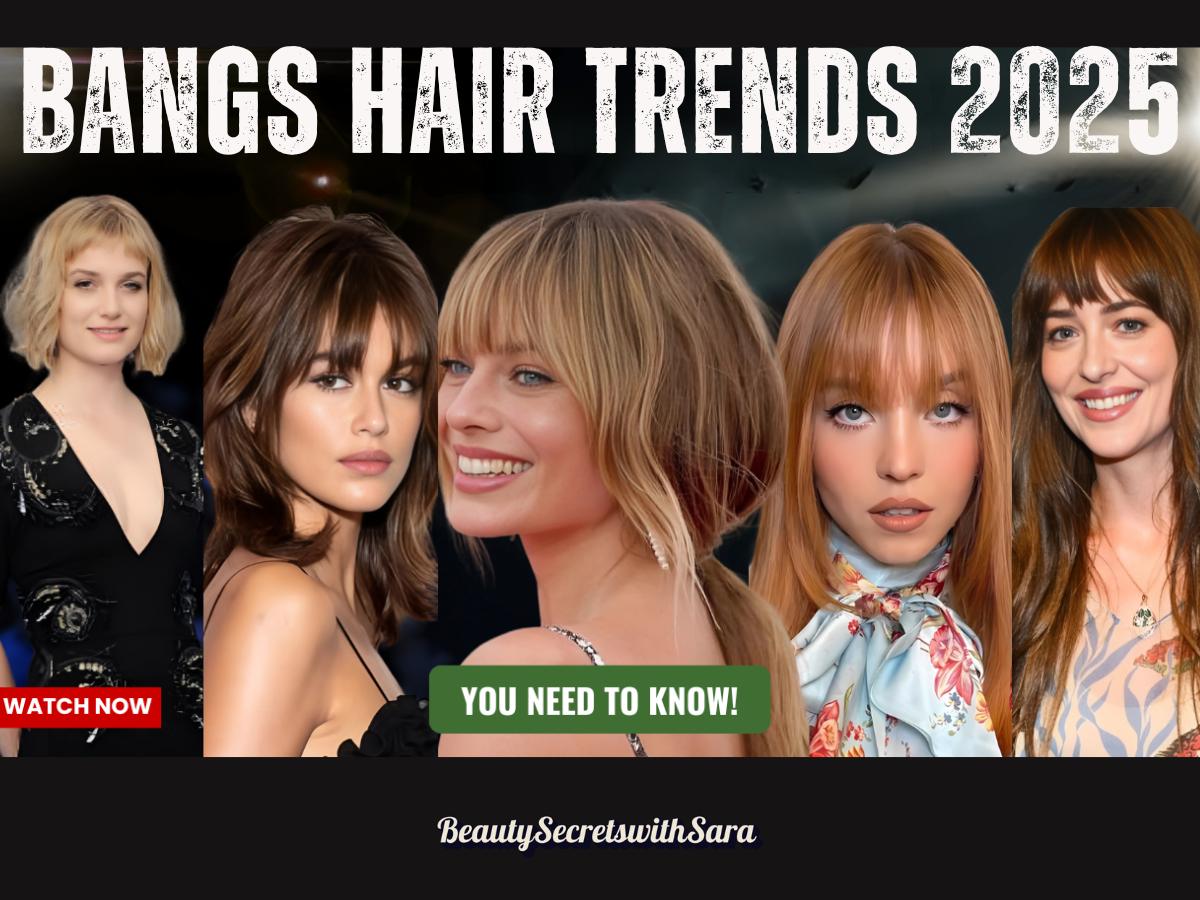
The 2025 iteration of the shag—often called the "Soft-Wolf"—moved away from the aggressive, choppy layers of the early 2020s. Instead, it focused on "perimeter-weighted layering." This technique kept the ends thick while creating volume around the crown and cheekbones. It was particularly popular among those with natural waves and curls, as it allowed for air-drying while maintaining a professional, intentional shape.
Precision Buzz Fades and Geometric Etching
In the realm of shorter styles, 2025 saw a massive uptick in "high-contrast fades." These weren't just simple buzz cuts; they featured intricate geometric patterns etched into the hair, often highlighted with temporary neon pigments. This trend reflected a broader move toward hair as a medium for graphic art, particularly in urban fashion centers.
Color Science: The Move Toward Low-Maintenance Luster
Color trends in 2025 were characterized by a departure from high-contrast "money pieces" in favor of "melted" dimensions. The primary goal was to extend the time between salon visits while maintaining a premium look.
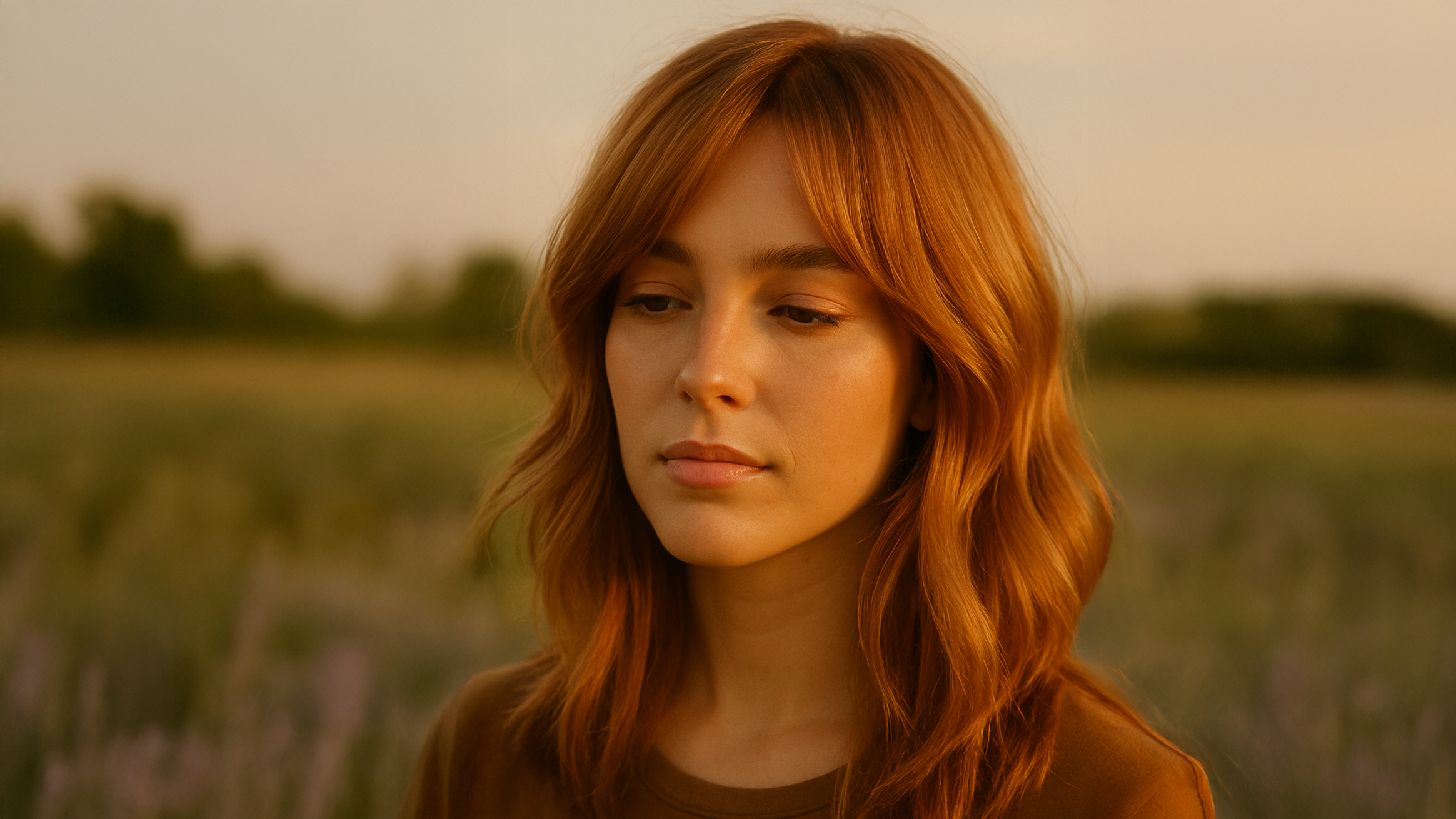
- Copper-Gold Fusion: This shade dominated the warm-tone category. It combined the vibrancy of copper with the stability of gold pigments, creating a hue that resisted fading better than traditional reds.
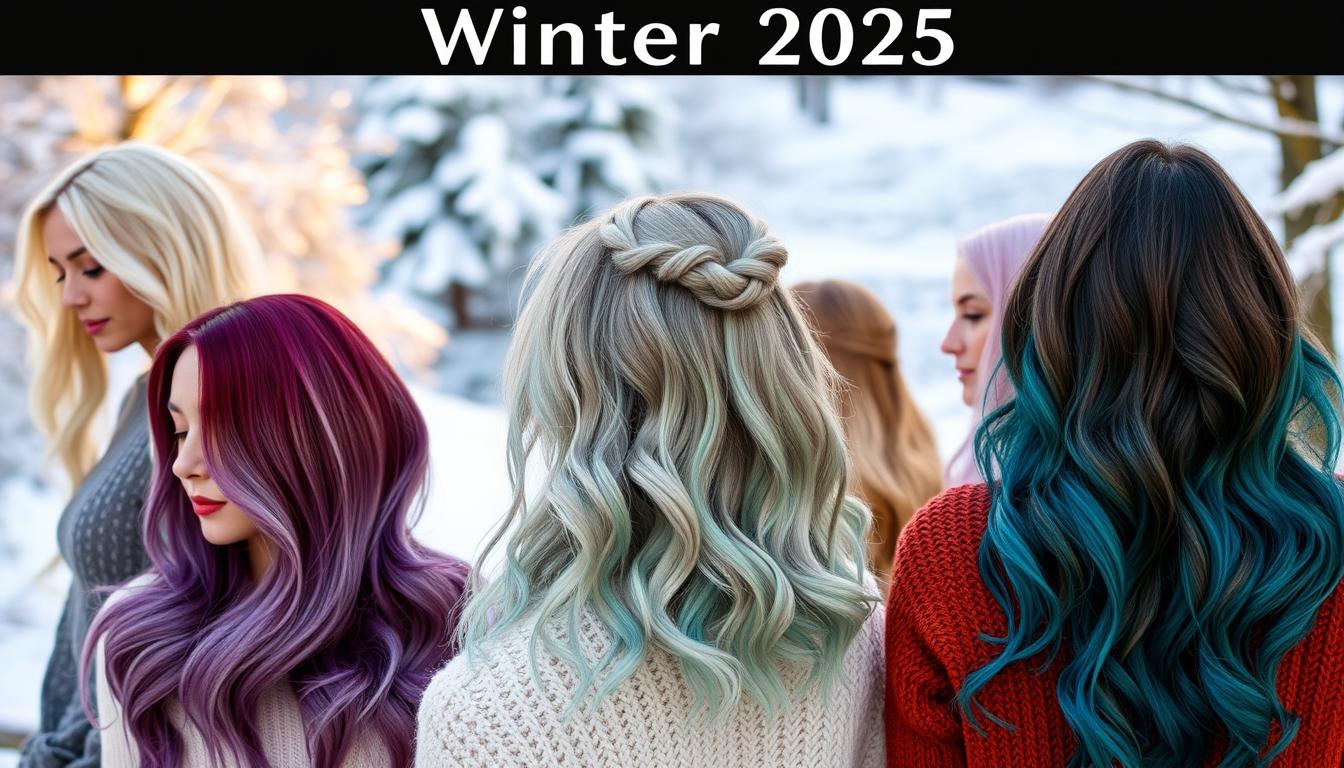
- Silver-Lilac and Iced Earth: For cool-toned enthusiasts, 2025 introduced muted, earthy tones with metallic undertones. These colors utilized "acidic bonding glosses" to seal the cuticle, ensuring the pigment remained vibrant for up to 12 weeks.
- The "Shadow-Root" Standard: Almost all 2025 color applications utilized a shadow-root or "lived-in" root technique. By matching the base color to the client's natural shade, stylists created a seamless transition that eliminated the harsh regrowth lines typical of traditional foil highlights.
Technological Breakthroughs in Haircare Products
As we look back from 2026, the technological leaps made in 2025 remain the standard for current professional practice. The most significant advancement was the mainstreaming of Biomimetic Peptides. Brands like K18 and newer competitors introduced molecular chains that could permanently reconnect broken disulfide bonds and polypeptide chains within the hair cortex.
Furthermore, 2025 saw the integration of AI in at-home tools. Several leading manufacturers released "Smart Dryers" equipped with infrared sensors that adjusted heat and airflow 50 times per second based on the hair’s moisture content. This technology virtually eliminated heat damage for the average consumer, allowing for frequent styling without the trade-off of split ends.
Sustainability also became a non-negotiable technical requirement. The industry moved toward waterless formulations—concentrated pastes and powders that activated upon contact with shower water—to reduce shipping weight and plastic packaging. High-end brands transitioned to mycelium-based packaging and refillable aluminum canisters, marking a significant reduction in the beauty industry's carbon footprint.
Comparison of 2025 Leading Hair Trends
The following table summarizes the most impactful trends of 2025, categorized by their technical requirements and suitability.
| Trend | Primary Aesthetic | Best Hair Type | Maintenance Level | Technical Key |
|---|---|---|---|---|
| Liquid Bob | High-shine, blunt | Fine to Medium | High (Trims every 6 weeks) | Acidic glossing & internal thinning |
| Cloud Curls | Airy, voluminous | Type 3 & 4 Curls | Medium | Diffusing with ionic technology |
| Copper-Gold Melt | Warm, multi-tonal | All types | Low-Medium | Dual-pigment saturation |
| The Soft-Wolf | Texture-rich, layered | Wavy / Thick | Low | Perimeter-weighted layering |
| Scalp-First Routine | Healthy, dense | All (especially thinning) | Daily Habit | Microbiome-balancing serums |
Maintenance and Home Care Protocols
Achieving the "2025 look" was as much about what happened at home as what happened in the salon. The shift toward longevity meant that home-care protocols became more sophisticated. The standard 2025 routine typically included three distinct phases:
- Preparation (The Scalp): Use of a salicylic acid or mandelic acid scalp exfoliant once a week to remove sebum buildup and environmental pollutants.
- Cleansing (The Fiber): Switching to sulfate-free, pH-balanced shampoos (ideally between 4.5 and 5.5 pH) to keep the cuticle closed.
- Protection (The Seal): The universal application of heat protectants and "anti-pollution" sprays that utilized film-forming polymers to block UV rays and heavy metals from city air.
For those with color-treated hair, the use of "blue-light filters" in hair oils became a major trend toward the end of 2025, as evidence suggested that the high-energy visible (HEV) light from screens could contribute to pigment degradation over time.
Frequently Asked Questions
What was the most popular hair color of 2025?
The most dominant color was "Copper-Gold Fusion," a blend that offered the warmth of red with the durability of gold. This color became popular because it flattered a wide range of skin tones and required significantly less maintenance than pure reds or cool platinums. It leveraged the industry's move toward "expensive-looking" naturalism.
Did 2025 see a decline in heat styling?
Yes, there was a measurable shift toward "heat-less" styling methods in 2025. This was driven by the popularity of overnight silk rollers and the refinement of air-dry creams that utilized "memory polymers." These products allowed users to achieve structured waves without the cuticle damage associated with high-heat curling irons.
How did "Biophilic Beauty" impact hair trends?
Biophilic beauty focused on using nature-derived, biocompatible ingredients that mimic the hair’s natural structure. In 2025, this resulted in the replacement of synthetic silicones with plant-based alternatives like hemisqualane and cold-pressed marula oil. These ingredients provided shine and slip without the heavy buildup that often weighed down finer hair types.
Are 2025 hair trends still relevant in 2026?
Absolutely. The focus on scalp health and sustainable products established in 2025 has become the foundational "baseline" for 2026. While specific cuts like the Liquid Bob are evolving into longer, more fluid shapes, the underlying technology of peptide repair and AI-driven customization continues to dominate the market.
What was the "Hair-Skin" crossover?
This refers to the "skinification" of haircare, where ingredients traditionally found in high-end skincare—such as Hyaluronic Acid, Niacinamide, and Vitamin C—were formulated into shampoos and hair masks. In 2025, these ingredients were used to improve hair elasticity and scalp hydration, treating hair health with the same rigor as a facial skincare regimen.
Optimizing Your Current Routine
To align your current look with the innovations established in 2025, focus on "structural integrity" rather than temporary fixes. If you are still using heavy silicones or high-heat tools without thermal protection, the first step is a "detox" phase using a chelating shampoo to remove mineral buildup.
The next action for any enthusiast looking to modernize their hair is a professional scalp analysis. Understanding your specific scalp pH and follicle density allows you to move away from generic "dry/oily" hair labels and toward a personalized biological regimen. As we continue through 2026, the lessons of 2025 remind us that the most beautiful hair is, fundamentally, the healthiest hair.