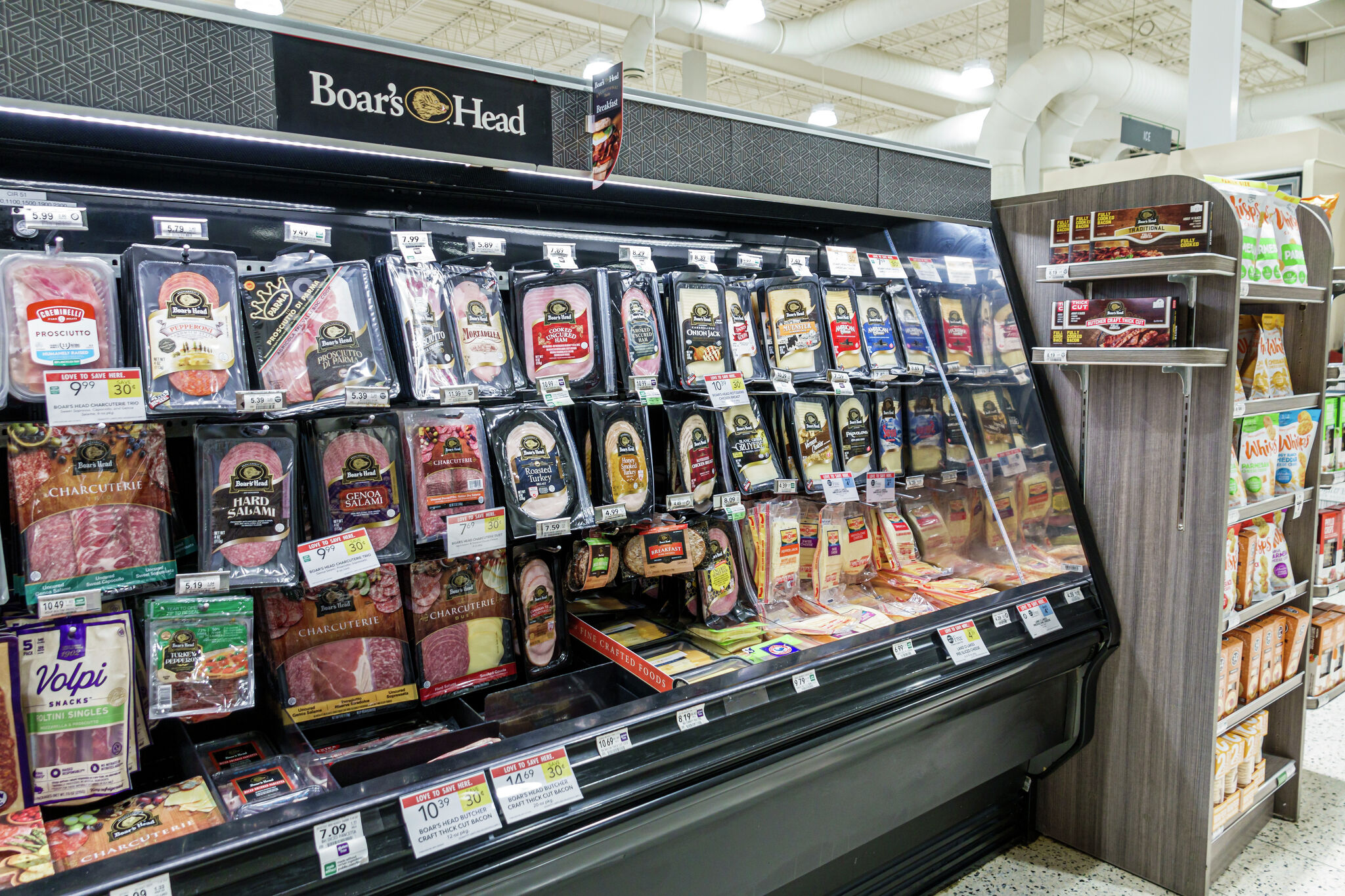
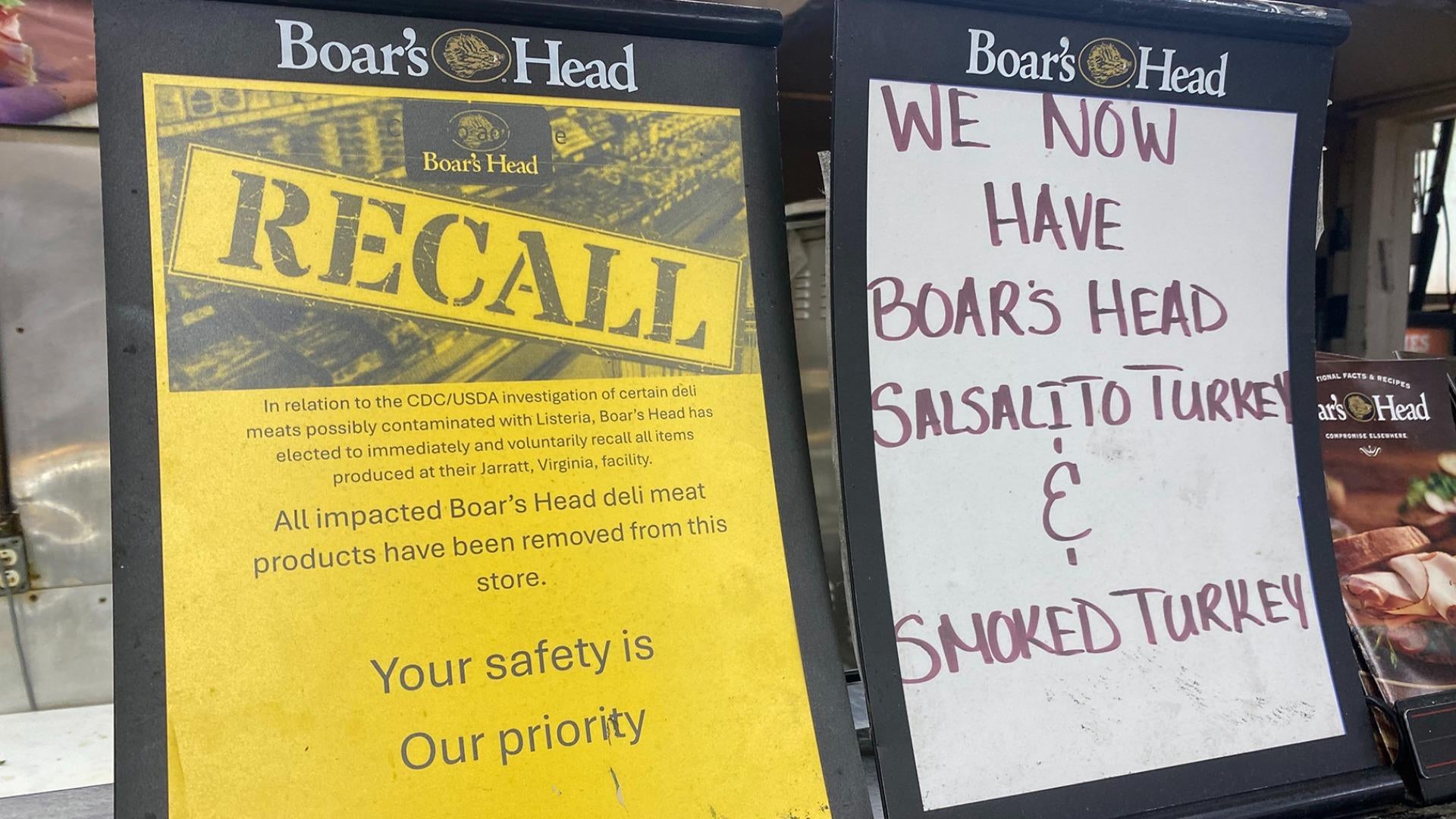
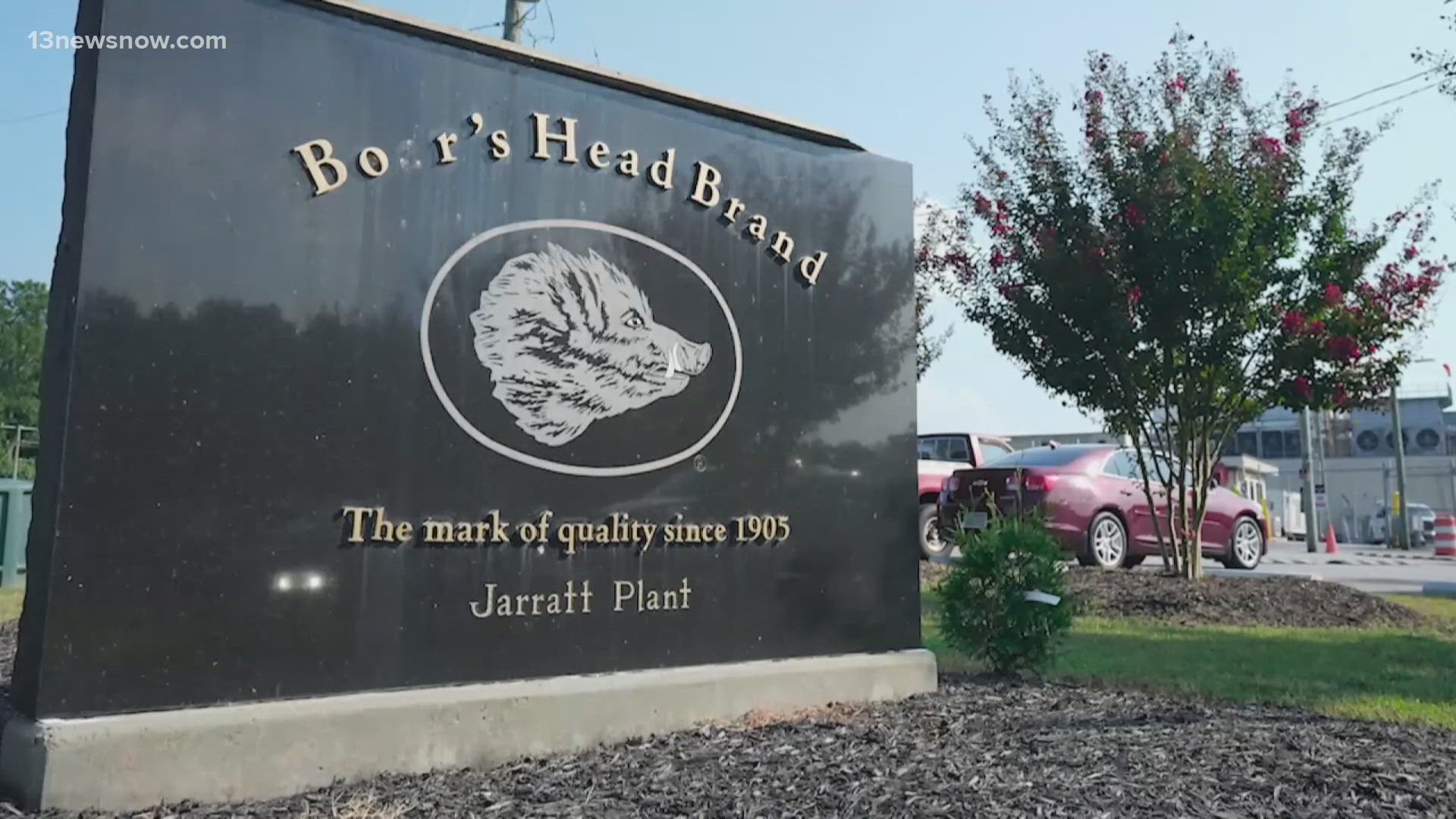
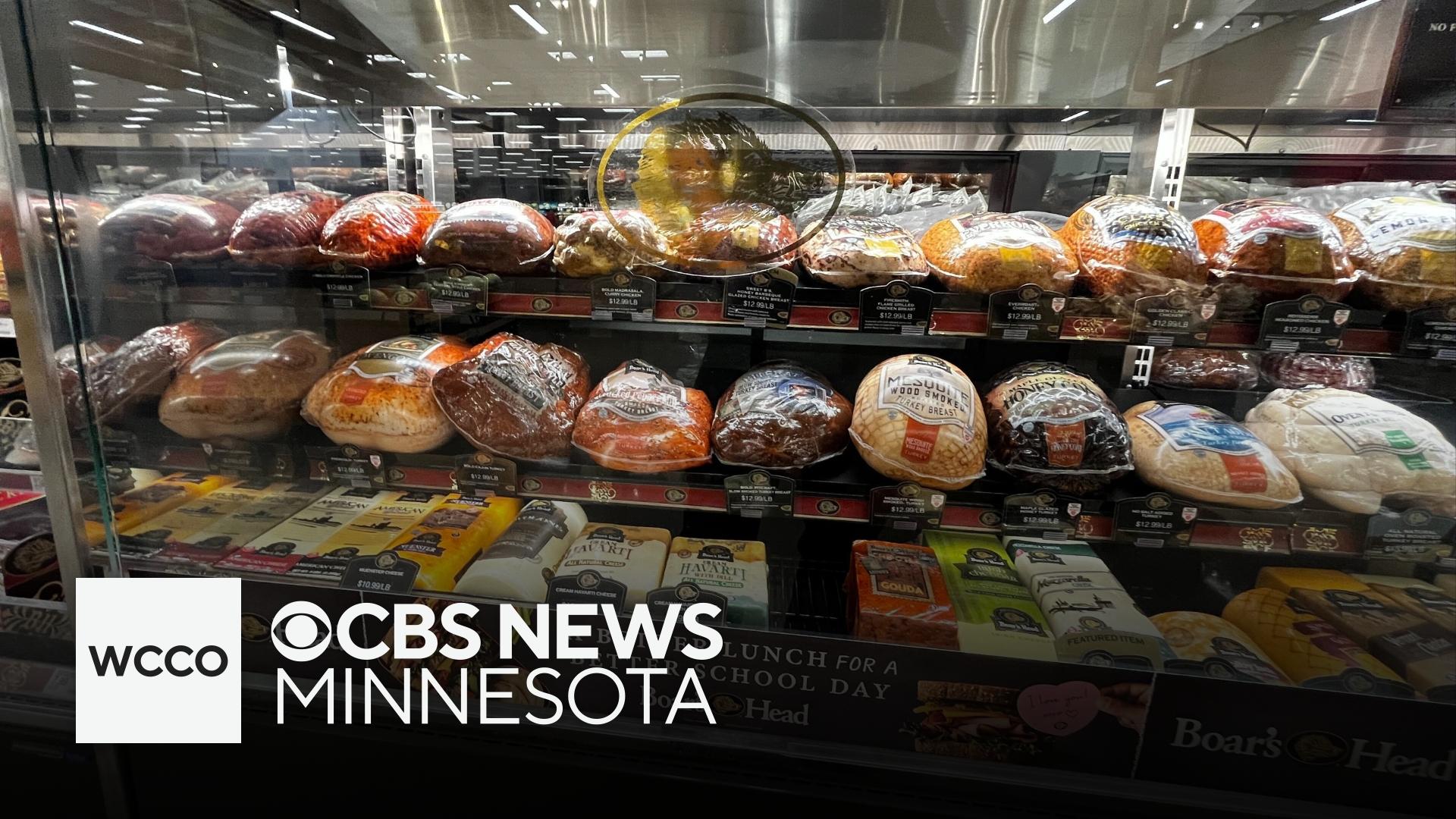
The massive Boar’s Head recall, which peaked in 2024 and led to the permanent closure of the Jarratt, Virginia facility in 2025, represents one of the most significant food safety events in recent history. While the specific recalled batches have long expired, the incident resulted in fundamental changes to Boar's Head product lines, new federal safety protocols, and ongoing legal settlements that remain active in 2026.
Understanding the Scope of the Boar’s Head Recall
The crisis began in mid-2024 when the Maryland Department of Health detected Listeria monocytogenes in a sample of Boar’s Head Liverwurst. This discovery triggered an initial recall that rapidly expanded to include over 7 million pounds of ready-to-eat meat and poultry products. By the time the investigation concluded in 2025, the recall encompassed 71 different products manufactured at the company's Jarratt, Virginia plant.
The scope was unprecedented for the brand, affecting products distributed not only to retail delis across the United States but also to international markets including the Cayman Islands, Dominican Republic, Mexico, and Panama. The primary concern was the "Strassburger Brand Liverwurst," which was identified as the likely source of the outbreak. However, due to the risk of cross-contamination on shared equipment, the company was forced to recall all items produced at the Jarratt facility within a specific timeframe, ranging from May 2024 through late July 2024.
By 2025, the public health impact was fully realized: the Centers for Disease Control and Prevention (CDC) confirmed dozens of hospitalizations and at least ten deaths across 19 states. This tragedy led to a permanent shift in how Boar's Head manages its supply chain and prompted the company to discontinue its liverwurst product line entirely to prevent any future recurrence of the specific contamination profile found at the Virginia site.
The Impact of the Jarratt Facility Closure
In late 2024 and early 2025, Boar’s Head made the strategic and safety-driven decision to permanently close its Jarratt, Virginia manufacturing plant. This facility had been the focal point of intense scrutiny after USDA Food Safety and Inspection Service (FSIS) records revealed a history of non-compliance.
Inspection Findings and Operational Failures
USDA inspection reports released during the investigation detailed harrowing conditions within the plant. These records documented over 60 instances of "non-compliance" over a year-long period. Significant issues included:
- Persistent Mold Growth: Inspectors found mold on walls, ceilings, and even on the outside of equipment used for meat processing.
- Structural Deficiencies: Reports cited "dripping water" from cooling units and standing water in areas where meat was handled.
- Sanitation Lapses: Instances of "meat buildup" on equipment and the presence of insects in the processing environment were noted.
The closure of the Jarratt plant was not just a response to the recall but a necessary step to mitigate the reputational and legal risks associated with these systemic failures. For consumers in 2026, this means that any Boar’s Head product currently on the shelf is produced at different facilities—primarily in Ohio, Michigan, and Arkansas—which have undergone rigorous secondary audits and updated safety certifications since the Jarratt shutdown.
Identifying Recalled Products vs. Current Inventory
As we navigate 2026, it is important to distinguish between the historical recalled items and the safe products currently available in delis. The recalled products had "sell by" dates ranging from July 29, 2024, through October 17, 2024. Because these items were perishable, they are no longer in the retail supply chain.
However, consumers should be aware of the "EST. 12612" mark. This was the establishment number for the Jarratt, Virginia plant. Any vintage or frozen product bearing this number should be discarded immediately, though it is highly unlikely any remain in circulation.
| Product Category | Recall Status (2025/2026) | Current Safety Status |
|---|---|---|
| Liverwurst (All Sizes) | Permanently Discontinued | No longer produced by Boar's Head. |
| Ham Products | Selected lines recalled in 2024 | Now produced under new safety protocols. |
| Bologna & Beef Salami | Selected lines recalled in 2024 | Produced at alternative facilities only. |
| Roasted Turkey/Chicken | Limited impact (facility specific) | Most lines remained safe; verify EST number. |
| Old Country Brand | Specific items discontinued | Replaced by reformulated "Boar's Head" flagship lines. |
For current shoppers, the focus has shifted from "Is this specific ham recalled?" to "Has the deli counter followed proper sanitation?" Since Listeria can survive on cold surfaces, the 2025 guidelines emphasize that the safety of the meat is only as good as the cleanliness of the slicer used to cut it.
Health Risks: Understanding Listeriosis in 2026
While the immediate outbreak has been contained, understanding the risks of Listeria monocytogenes remains vital for consumer safety. Listeria is a hardy bacterium that can thrive in cold, moist environments—like refrigerators and deli cases—where other bacteria typically cannot grow.
Symptoms and Incubation
One of the most dangerous aspects of listeriosis is its long incubation period. Symptoms can appear as early as the same day of exposure or as late as 70 days after consuming contaminated food. Common symptoms include:
- Fever and Muscle Aches: Often mimicking a severe flu.
- Gastrointestinal Issues: Diarrhea or upset stomach (though less common than other foodborne illnesses).
- Invasive Listeriosis: If the bacteria spreads to the nervous system, it can cause headaches, stiff neck, confusion, loss of balance, and convulsions.
High-Risk Populations
In 2026, health professionals continue to advise specific groups to exercise extreme caution with deli meats. This includes pregnant individuals (who are 10 times more likely to get a Listeria infection), adults aged 65 and older, and those with weakened immune systems. For these groups, the CDC recommends heating deli meats to an internal temperature of 165°F (steaming hot) before consumption to kill any potential pathogens.
Regulatory Changes and Food Safety Standards Post-Recall
The fallout from the 2025 Boar’s Head situation led to a significant tightening of federal oversight. The USDA FSIS faced criticism for not taking more aggressive action sooner, given the known non-compliance issues at the Jarratt plant.
In response, several "Boar’s Head Rules" were unofficially adopted within the industry and formally considered by regulators:
- Enhanced "Test and Hold" Protocols: Companies are now under greater pressure to wait for Listeria test results before shipping products, rather than shipping and recalling later if a positive result returns.
- Environmental Monitoring: There is a renewed focus on "Zone 1" testing—surfaces that come into direct contact with food.
- The Boar’s Head Food Safety Council: In 2025, the company established an independent council of food safety experts, chaired by former leaders from the CDC and FDA, to oversee a total cultural overhaul of their manufacturing processes.
For consumers, this means that the Boar's Head products purchased today are subject to some of the most stringent testing requirements in the processed meat industry.
Legal Recourse and Consumer Settlements
The legal landscape surrounding the recall has evolved significantly through 2025 and into 2026. Numerous class-action lawsuits were filed on behalf of consumers who purchased contaminated products, as well as personal injury and wrongful death lawsuits filed by victims' families.
Who is Eligible for Compensation?
Eligibility for legal claims generally falls into two categories:
- Economic Loss Claims: Consumers who purchased recalled products and were not reimbursed. While many retailers offered immediate refunds in 2024, class-action settlements in 2025 addressed those who lacked receipts or suffered other financial damages.
- Personal Injury Claims: Individuals who can prove medical hardship linked to the specific Listeria strain found in the Boar's Head plant (verified through whole-genome sequencing).
If you are involved in or seeking information regarding the 2025-2026 settlement funds, it is critical to maintain records of medical diagnoses and, if possible, proof of purchase. Many of these legal proceedings are reaching their final stages in mid-2026, with deadlines for filing claims approaching.
FAQ: Common Questions About the Recall
Can I still get sick from the 2024-2025 recall?
No. Listeria has a long incubation period (up to 70 days), but since the recalled products expired in late 2024, the window for infection from those specific items has long passed. Any current illness would be related to new contamination sources.
Is Boar's Head liverwurst available now?
No. As of 2025, Boar's Head has permanently discontinued the production of liverwurst. There are no plans to reintroduce this product to their lineup due to the specific risks identified during the Jarratt plant investigation.
How do I know if my local deli is safe?
Check that the deli follows "Best Practices for Controlling Listeria." This includes regularly breaking down and sanitizing slicers every four hours, maintaining meat temperatures below 41°F, and ensuring employees wear clean gloves and aprons. Most reputable delis now display their most recent health inspection scores prominently.
Was the recall only for Boar's Head brand?
While Boar's Head was the primary brand, some products were sold under the "Old Country" label. All were produced at the same Jarratt facility and were included in the 2024-2025 recall actions.
Should I avoid all deli meats in 2026?
Not necessarily, but high-risk individuals should remain cautious. The recall was facility-specific. However, the incident highlighted the inherent risks of the "ready-to-eat" category. For general consumers, the risk is currently low given the heightened regulatory environment.
Next Steps for Consumer Safety
To ensure your family’s safety in the post-recall environment of 2026, you should take proactive steps when purchasing and storing deli meats. First, always verify that your refrigerator is set to 40°F (4°C) or colder. Listeria grows much faster at temperatures above this threshold.
Second, practice the "three-to-five day rule." Only buy enough deli meat to consume within three to five days of purchase. Even if the meat was safe when sliced, the longer it sits in a home refrigerator, the higher the risk of any incidental bacteria multiplying to dangerous levels. Finally, if you are in a high-risk group (elderly, pregnant, or immunocompromised), continue to follow CDC advice: cook all deli meats until they are steaming hot. By remaining informed and vigilant, you can enjoy deli products while minimizing the risks that the 2025 recall so starkly illustrated.