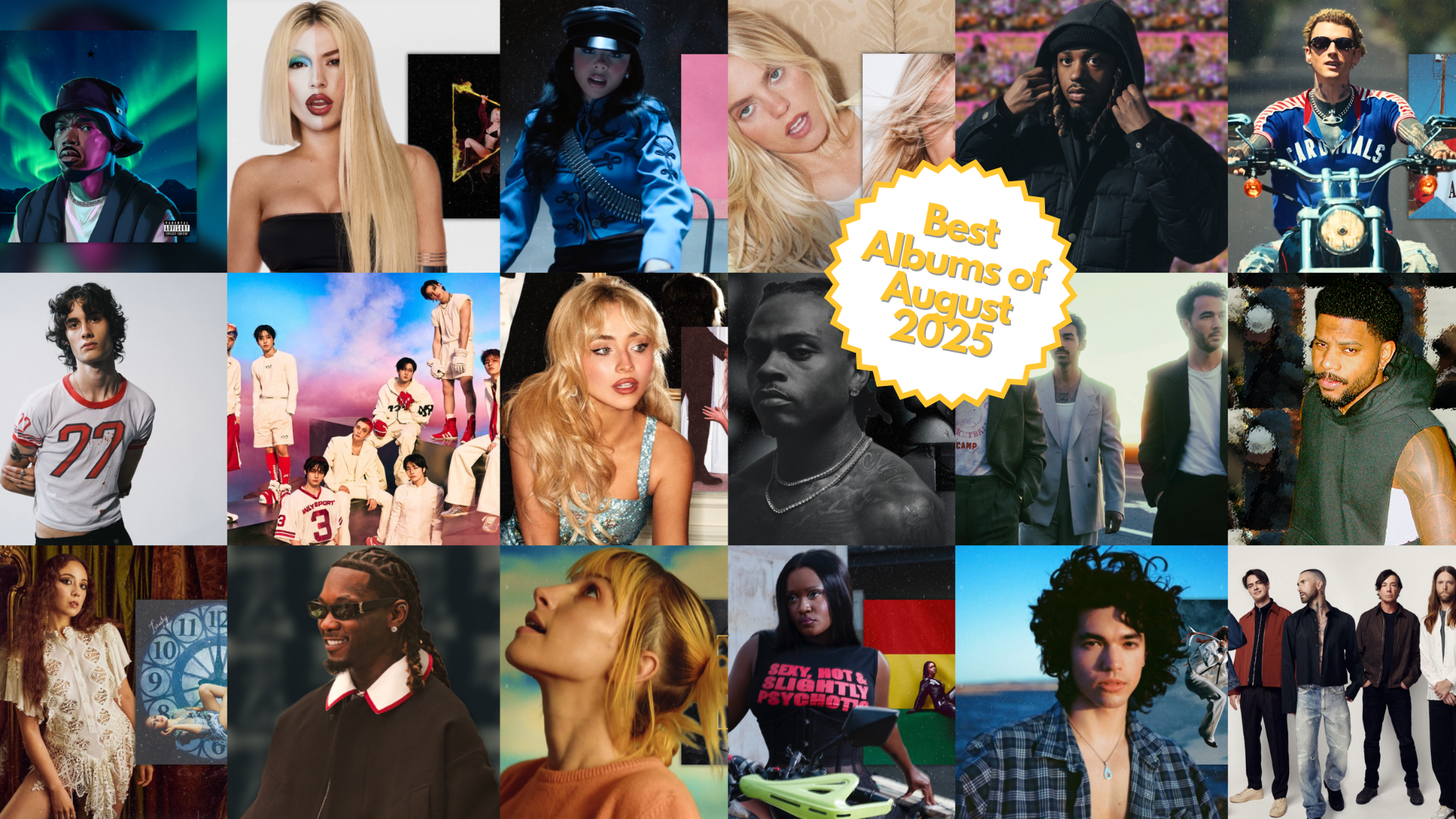
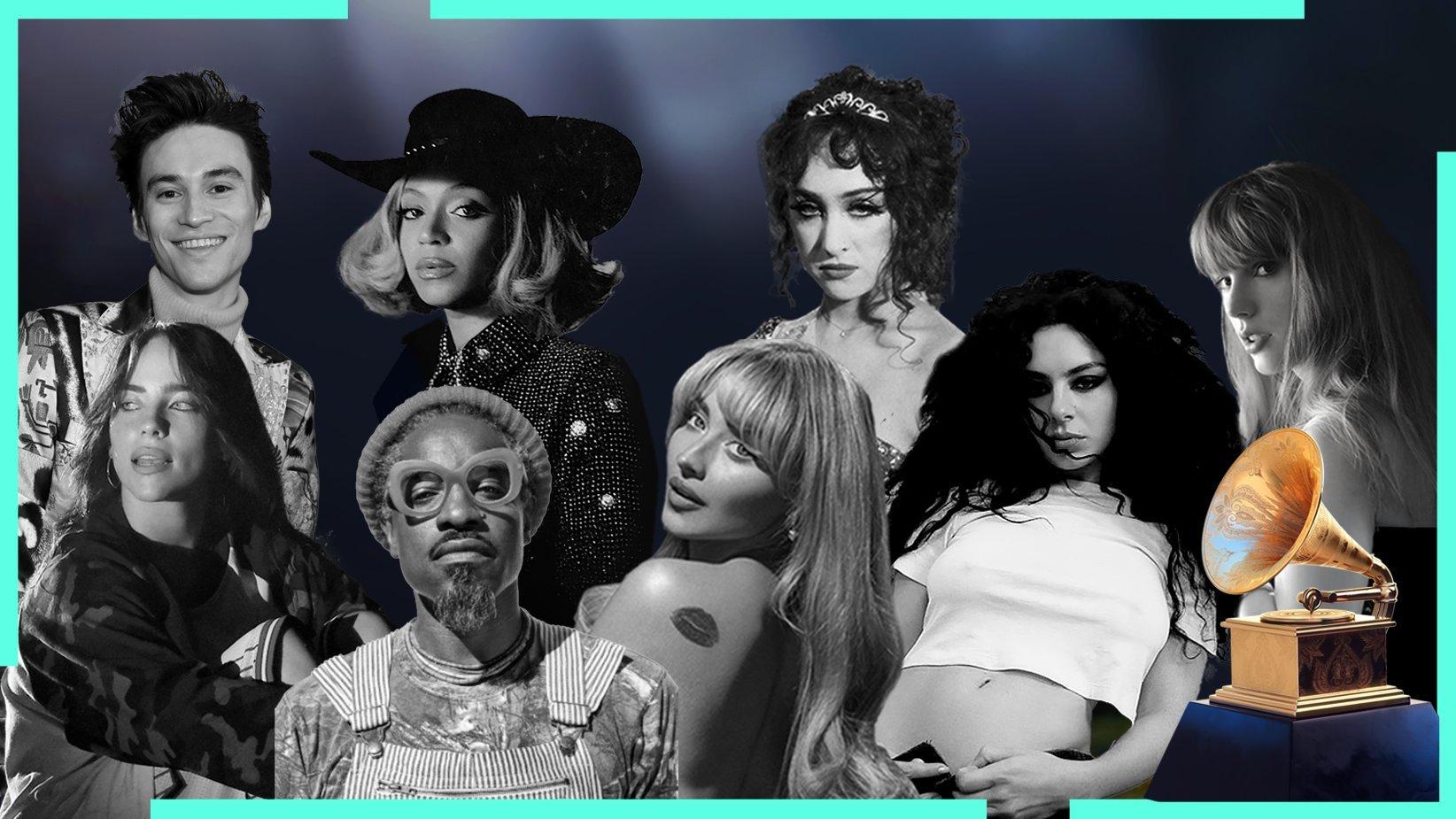
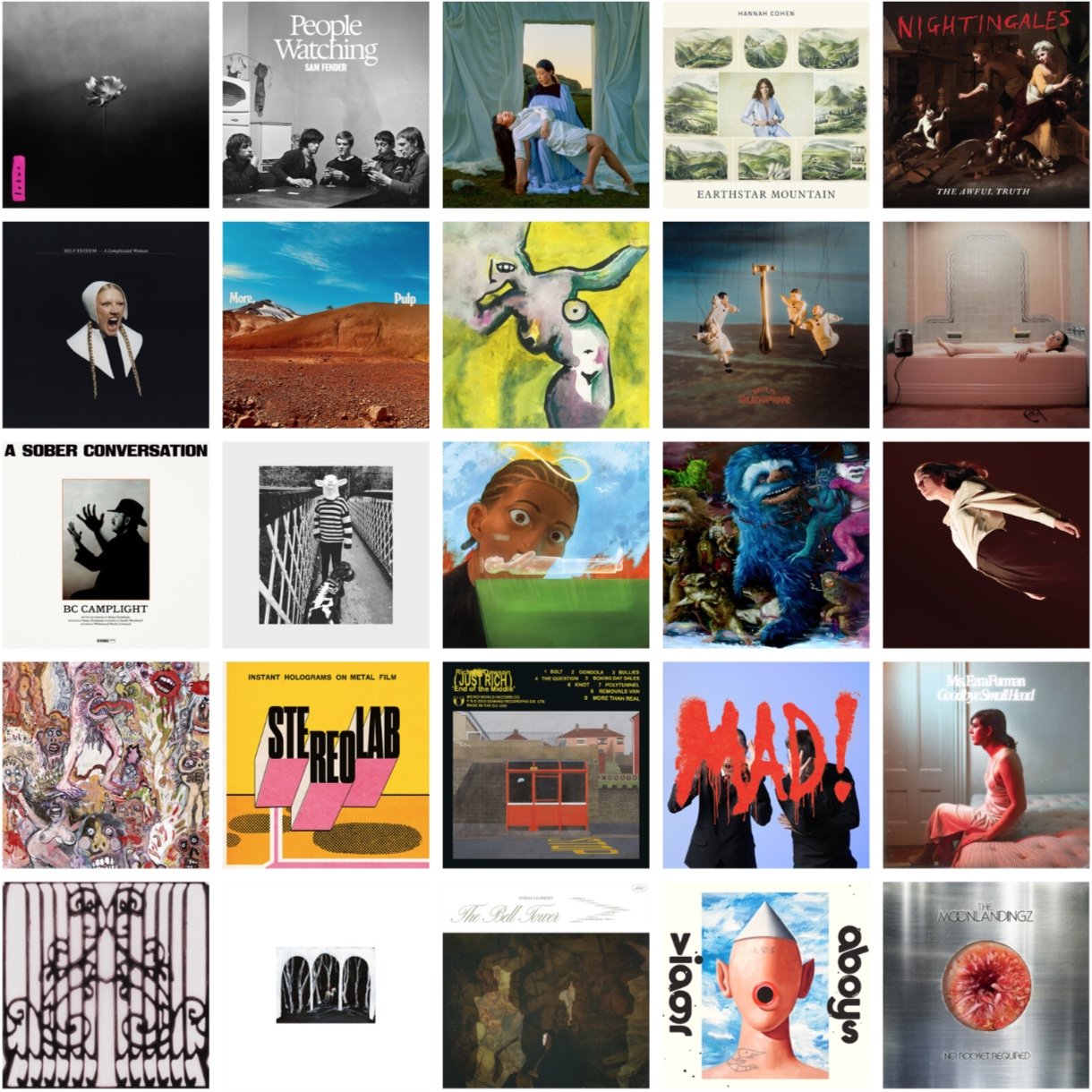
The 2025 musical landscape was defined by the conclusion of massive artistic trilogies, such as The Weeknd’s Hurry Up Tomorrow, and significant genre-defying shifts like Lana Del Rey’s foray into country with Lasso. It was a year where hip-hop reclaimed its narrative dominance through Kendrick Lamar, while R&B saw SZA further solidify her generational status through the release of Lana.
The Definitive Sound of 2025: A Year in Review
Looking back from 2026, 2025 stands out as the year the "album era" made a defiant stand against the fragmenting influence of short-form social media. While the previous few years were characterized by artists chasing viral 15-second clips, the major releases of 2025 were notably cohesive, long-form projects designed for immersive listening. This shift was driven by a core group of "A-list" superstars who utilized their massive leverage to demand attention for concept-heavy records.
The sonic profile of 2025 was remarkably diverse. We saw a "maximalist" revival in pop production, heavily influenced by the hyperpop movements of the early 2020s but polished for a stadium-filling sound. Simultaneously, there was a significant "organic" pivot; many artists stripped back digital layers in favor of live instrumentation, analog synthesizers, and raw vocal takes. This tension between high-tech precision and human imperfection became the hallmark of the year's most critically acclaimed projects.
Furthermore, 2025 saw the full integration of spatial audio as a standard rather than a luxury. For the first time, the "stereo mix" felt like a secondary consideration for major labels, as engineers prioritized Dolby Atmos and 360-degree soundscapes to cater to the growing market of high-end home audio and advanced headphone technology.
Pop and R&B Powerhouses: The Conclusion of Eras
One of the most significant events of 2025 was the release of The Weeknd’s Hurry Up Tomorrow. As the final installment of the trilogy that began with After Hours and Dawn FM, the album represented a thematic death and rebirth for the Abel Tesfaye persona. The production, handled largely by Mike Dean and Metro Boomin, leaned into cinematic synth-wave and industrial R&B, providing a dark yet triumphant conclusion to one of the most successful runs in modern pop history.
In the realm of R&B, SZA’s Lana—initially teased as a deluxe version of SOS—evolved into a full-fledged standalone project. The album’s release followed a period of intense anticipation, during which SZA experimented with "glitch-soul" and more aggressive vocal deliveries. Lana succeeded because it didn't try to replicate the chart-topping formula of Kill Bill; instead, it explored more avant-garde arrangements, proving that SZA could maintain her commercial dominance while pushing the boundaries of the genre.
Other notable pop achievements in 2025 included:
- Lady Gaga’s LG7: A return to her "dark pop" roots, blending theatrical rock elements with high-energy dance music.
- Dua Lipa’s Continued Evolution: Following Radical Optimism, her 2025 output focused on "psychedelic disco," further refining her status as the primary architect of modern dance-pop.
- Billie Eilish: Continuing to tour Hit Me Hard and Soft while dropping surprise EP expansions that experimented with jazz and ambient textures.
The Hip-Hop Renaissance: Post-Feud Narratives
For hip-hop, 2025 was the year of the "victory lap." Following the seismic cultural shifts caused by the Kendrick Lamar and Drake conflict of 2024, the genre found itself in a period of deep introspection and renewed competitive spirit. Kendrick Lamar’s 2025 album—released amidst his Super Bowl LIX performance hype—was a masterclass in cultural commentary. It avoided the "diss track" fatigue by focusing on the state of the industry, Black American identity, and the responsibilities of the "G.O.A.T." (Greatest of All Time).
Playboi Carti finally released I AM MUSIC in 2025, after years of cryptic teasing and "Antagonist" tour delays. The album was a polarizing but essential moment for the "Rage" and "Opium" subgenres. It showcased a deeper, more gravelly vocal register and production that moved away from simple loops toward complex, multi-layered trap symphonies.
The year also saw a resurgence in "Conscious Boom-Bap," with artists like J. Cole and Rapsody releasing projects that prioritized lyrical density over club viability. This indicated a growing appetite among listeners for music that required multiple listens to fully decode—a direct pushback against the "disposable" nature of streaming-first music.
Country’s Global Expansion: The "Lasso" Effect
The most talked-about genre shift of 2025 was undoubtedly the "Countryfication" of mainstream pop, led by Lana Del Rey’s Lasso. Collaborating with Jack Antonoff and various Nashville legends, Del Rey managed to create a country album that felt authentic to her "Americana" brand without feeling like a gimmick. Lasso avoided the clichés of modern "Bro-Country," opting instead for a sound reminiscent of 1970s outlaw country and Appalachian folk.
This movement wasn't isolated. Following the groundwork laid by Beyoncé’s Cowboy Carter and Post Malone’s F-1 Trillion, 2025 saw a massive influx of traditional country instruments—steel guitars, banjos, and fiddles—into the Billboard Hot 100. This trend forced a re-evaluation of how genres are categorized on streaming services, as the lines between "Pop," "Folk," and "Country" became increasingly blurred.
| Artist | Album Title | Primary Genre | Key Production Style |
|---|---|---|---|
| The Weeknd | Hurry Up Tomorrow | Alt-Pop/Synth-Wave | Cinematic, Industrial, Electronic |
| SZA | Lana | R&B/Experimental | Lo-fi, Glitch-Soul, Atmospheric |
| Kendrick Lamar | [Untitled 2025] | Hip-Hop | West Coast Funk, Jazz-Infused |
| Lana Del Rey | Lasso | Country/Americana | Acoustic, Pedal Steel, Folk-Ballad |
| Playboi Carti | I AM MUSIC | Trap/Experimental | Dark Synth, Deep Vocals, Minimalist |
| Lady Gaga | [LG7] | Pop/Dance | Industrial Pop, Glam Rock, EDM |
Indie and Alternative Innovation: New Frontiers
While the superstars dominated the headlines, the indie and alternative sectors in 2025 provided the most significant technical innovations. The "Post-Punk Revival" that characterized the early 2020s matured into something more complex, with bands incorporating woodwinds, strings, and modular synthesis into their setups.
The UK scene, in particular, continued to thrive. Bands like Fontaines D.C. and The Last Dinner Party released follow-ups that expanded their sonic palettes, moving away from simple guitar-bass-drums configurations. In the United States, the "Slowcore" and "Shoegaze" resurgence reached its peak, with younger artists leveraging platforms like TikTok to bring 90s-inspired distorted textures to a Gen Z audience.
Significant attention was also paid to the "Japanese City Pop" influence, which saw a revival in Western indie production. Artists utilized the slick, high-fidelity production techniques of 1980s Tokyo to create music that felt both nostalgic and futuristic. This trend highlighted a broader 2025 theme: the globalization of music taste, where language barriers became secondary to "vibe" and production quality.
Technical Trends: AI and Production Ethics
2025 was a pivotal year for the relationship between the music industry and Artificial Intelligence. After the legal battles and ethical debates of 2023 and 2024, 2025 saw the establishment of "Verified Human" markers on major streaming platforms. This was a response to the flood of AI-generated content, allowing listeners to distinguish between music composed by people and music generated by algorithms.
However, AI was not shunned by the industry; it was integrated. In 2025, AI-driven mastering tools became the standard for independent artists, allowing for professional-grade sound quality without the need for expensive studio time. Major producers also used "AI stem separation" to remix and remaster classic 20th-century albums, bringing a new level of clarity to historical recordings that was previously impossible.
Physical media continued its surprising growth. Vinyl sales in 2025 hit another record high, but with a new twist: the "Eco-Vinyl" standard. To combat the environmental impact of PVC production, most major labels switched to recycled plastics and plant-based compounds for their 2025 releases. Collectors also drove a massive resurgence in the "Premium CD" market, with high-fidelity MQA (Master Quality Authenticated) discs becoming a popular niche for audiophiles.
Frequently Asked Questions
Which 2025 album had the highest first-week sales?
While final numbers often vary by territory, The Weeknd’s Hurry Up Tomorrow was the commercial juggernaut of 2025. Its status as a "trilogy finale" created a massive cultural event, leading to record-breaking streaming numbers and significant physical pre-orders. It surpassed the 400,000-unit mark in its first week in the US, buoyed by multiple vinyl variants and a high-profile global marketing campaign.
Did Rihanna finally release an album in 2025?
Rihanna remained the industry’s most elusive figure. While 2025 saw several "leaked" snippets and renewed rumors regarding her ninth studio album (often dubbed R9), she focused primarily on her Fenty Beauty and Savage X Fenty empires. However, her contribution to a major film soundtrack in late 2025 provided the most substantial musical output fans had received in years, keeping the "comeback" narrative alive into 2026.
What was the most critically acclaimed album of 2025?
Critical consensus largely pointed toward Kendrick Lamar's 2025 release. Music critics praised its dense lyricism, its refusal to cater to streaming algorithms, and its sophisticated blend of jazz, funk, and modern rap. It currently holds the highest average score on aggregate sites for the 2025 calendar year, often cited as a definitive "state of the union" for American culture.
How did the Grammys handle 2025 releases?
The Grammy Awards for the 2025 cycle (held in early 2026) were notable for their heavy embrace of genre-blending. The "Best Country Album" category was particularly controversial due to the inclusion of traditionally pop-leaning artists like Lana Del Rey. The Academy also introduced new technical categories focused on "Best Immersive Audio Album," reflecting the industry's shift toward spatial sound.
Was 2025 a good year for new artists?
Yes, 2025 was a breakout year for "Algorithm-Native" artists who successfully transitioned to traditional stardom. We saw several artists who began on social media platforms secure major label deals and release debut albums that debuted in the Top 10. The barrier to entry has never been lower, but the challenge of "staying power" remained the primary hurdle for the class of 2025.
Navigating the 2026 Music Landscape
As we move through 2026, the influence of 2025’s releases continues to be felt. The "trilogy" format has become a popular blueprint for younger artists looking to build long-term narratives, and the integration of country and folk elements into pop is now a standard production choice. For listeners looking to catch up on what they missed, the best next step is to explore the "Deluxe" and "Live" editions of the 2025 staples, as many artists are currently releasing expanded versions of these projects to coincide with their 2026 world tours.
To stay ahead of the curve, keep an eye on the "indie-to-major" pipeline. The sonic experiments seen in the alternative scenes of 2025—specifically the use of AI as a creative collaborator rather than a replacement—are expected to hit the mainstream pop charts by the end of 2026.