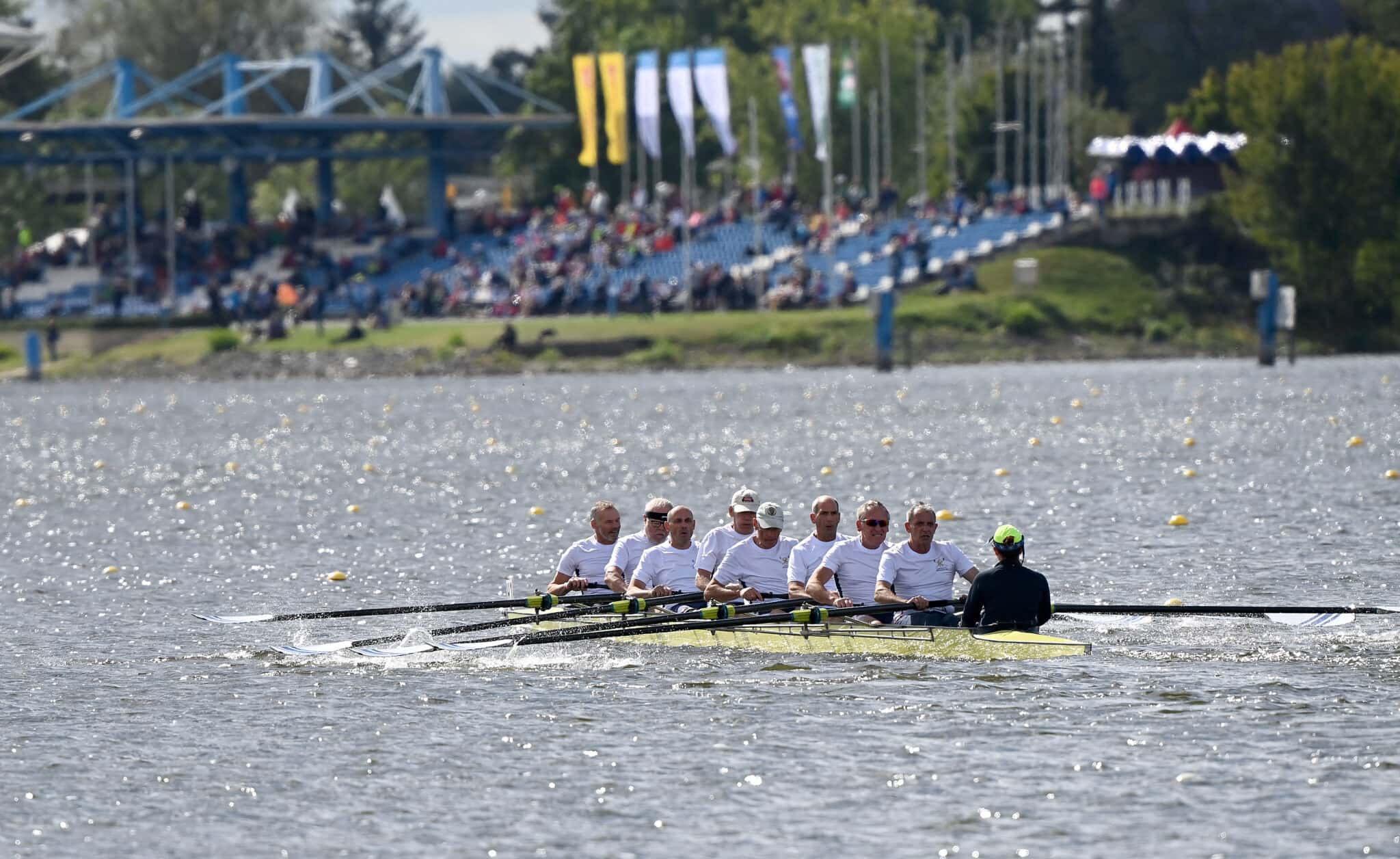
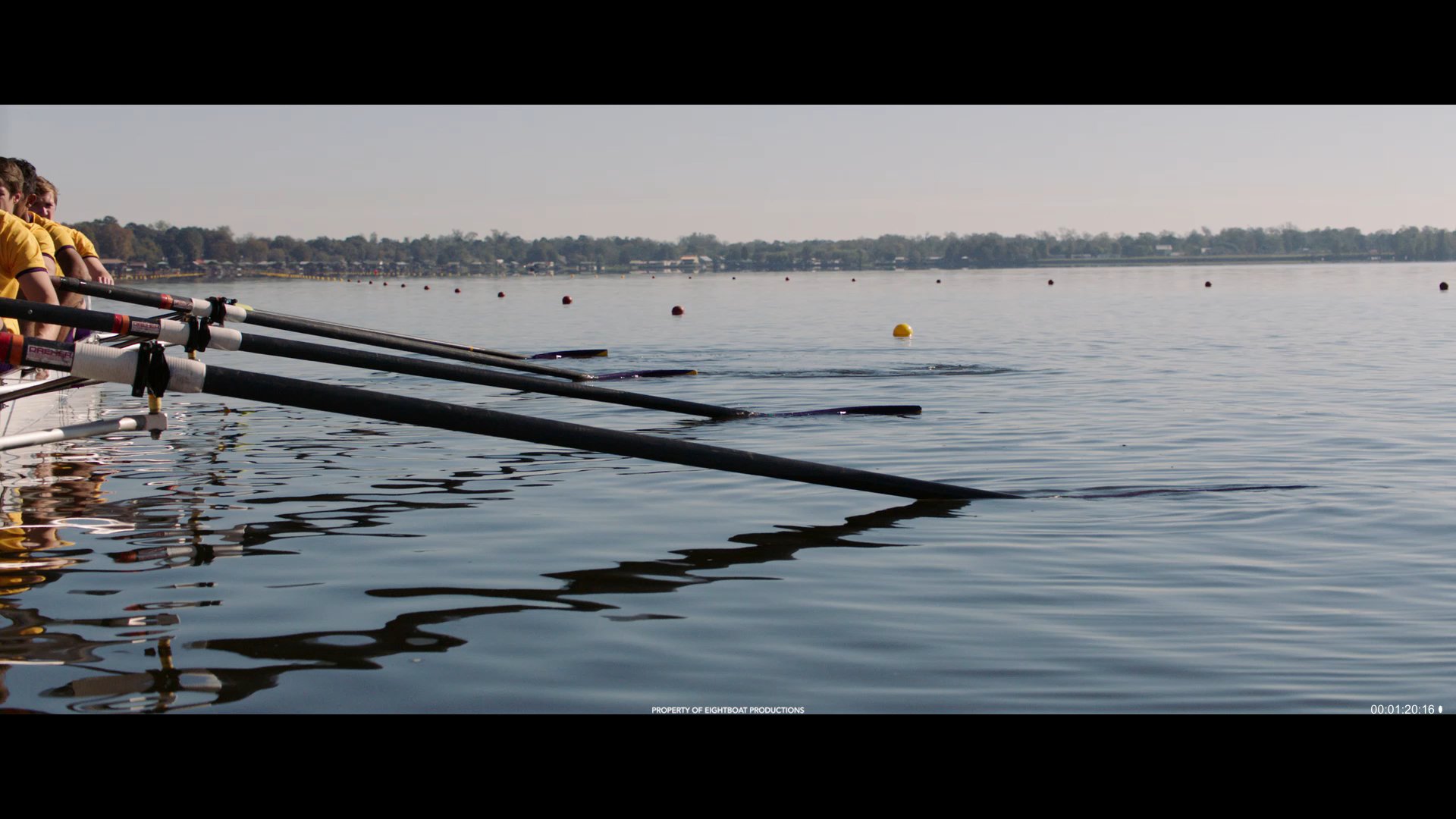
The film often cited as the definitive rowing cinematic experience of 2024 is Master the Rhythm, a documentary-style feature that captures the physiological demands and psychological intensity of high-stakes competitive rowing. It is widely recognized for its authentic portrayal of the sport's technical nuances and the grueling path required to achieve professional synchronization.
Defining the Competitive Rowing Genre
Rowing, as a cinematic subject, is notoriously difficult to capture because it requires balancing the visceral, repetitive motion of the sport with a compelling character narrative. Throughout 2024, Master the Rhythm emerged as the leading entry in this niche, distinguishing itself from predecessors by focusing heavily on the concept of "the catch" and the mental state known as "flow."
Unlike dramatized films that prioritize locker-room conflict or external melodrama, Master the Rhythm centers on the biomechanics of the stroke. The film functions as both an athletic study and a documentary, providing viewers with a look at what it truly takes to transition from a collegiate rower to an elite international competitor. By focusing on the technical synchronicity required in an eight-person boat, the film demystifies the chaotic appearance of high-speed racing.
Why Technical Precision Defines the Film’s Success
The core appeal of the film lies in its dedication to technical accuracy. In competitive rowing, the boat is only as fast as its slowest member. Master the Rhythm effectively illustrates this reality through high-definition slow-motion cinematography that breaks down the four phases of the rowing stroke: the catch, the drive, the finish, and the recovery.
For audiences unfamiliar with the sport, the film serves as an educational bridge. It explains how rowers maintain a constant rhythm through varying heart rates, wind resistance, and lactic acid buildup. The "rhythm" mentioned in the title refers to the literal synchronization of the oarsmen, but it also serves as a metaphor for the discipline required to maintain a professional training schedule over years of repetition.
Comparing Rowing Cinematic Works
To understand why Master the Rhythm holds its position as the top rowing-centric production of the year, it is helpful to contrast it with other styles of sports cinema. Many films attempt to capture the sport, but few prioritize the granular details that actual rowers value.
| Feature Category | Master the Rhythm (2024) | Traditional Sports Dramas |
|---|---|---|
| Primary Focus | Biomechanics & Sync | External Plot Conflicts |
| Pacing | Measured & Rhythmic | Fast-cut Action |
| Training Authenticity | High (Real-time drills) | Low (Staged rowing) |
| Target Audience | Rowing Enthusiasts/Coaches | General Audience |
| Technical Depth | Extensive | Minimal |
This table highlights why the film resonates more with those involved in the sport. While traditional dramas often use rowing as a backdrop for a "David vs. Goliath" story, Master the Rhythm treats the boat as the protagonist, documenting the evolution of a crew's chemistry.
The Physiology of the Catch and Drive
A significant portion of the film’s narrative is dedicated to the concept of the "catch"—the precise moment the oar enters the water. The film interviews former Olympians and biomechanics experts to explain why this singular point of contact determines the success or failure of the entire stroke.
By analyzing the force-curve data that rowers use to measure their output, the film offers a rare look at the intersection of raw human effort and data-driven performance. This provides the audience with a concrete understanding of why the rhythm of the stroke is not just a stylistic preference but a mathematical necessity. If one rower is off-tempo, the boat loses momentum; the film captures the mounting tension of these minor inconsistencies during high-stakes training sessions.
Practical Lessons for Aspiring Rowers
For those viewing the film with an eye toward improving their own performance, Master the Rhythm provides a roadmap of common pitfalls. The documentary highlights three major areas where even experienced rowers often falter:
- The Transition Phase: The film emphasizes that the shift from the drive to the recovery must be fluid. Abrupt movements cause "checking," or slowing down, of the shell.
- Mental Cohesion: The psychological aspect of trusting one's seat-mate is presented as a learned skill. The film demonstrates how crews use specific verbal cues to reset their rhythm during a race.
- Recovery Management: Often overlooked by novices, the recovery phase is where the heart rate is controlled. The film shows how elite athletes use this brief period to prepare for the next explosive drive.
The Role of Coaching and Team Dynamics
One of the most compelling aspects of the film is the portrayal of the coaching staff. Rather than the stereotypical "shouting coach," Master the Rhythm highlights a more modern, analytical approach. The coaches in the film utilize video analysis and real-time biometric tracking to give feedback.
This section of the film emphasizes that coaching is not merely about motivation but about adjusting the "swing" of the boat. The "swing" occurs when every member of the crew is moving in absolute unison, creating a sense of weightlessness in the water. The film’s sound design, which captures the distinct click of the oars and the swish of the water, helps the audience hear the difference between a crew that has achieved swing and one that is struggling.
Troubleshooting Common Rowing Inefficiencies
If you are watching Master the Rhythm to apply its lessons to your own rowing, you should be prepared to troubleshoot your technique. The film suggests that inefficiencies are rarely due to a lack of effort but are usually rooted in poor body positioning.
- Identifying "Check": If the boat slows down during the recovery, check if your body is moving too far forward too quickly. The film recommends a slow, controlled slide.
- Blade Depth: If you are "skying" the blade (carrying it too high off the water), you are increasing wind resistance and destabilizing the boat. The film advocates for a consistent, low handle height.
- Grip Pressure: Tension in the hands transfers to the oars, causing jitter. The film focuses on the "relaxed hands" technique, which allows the oar to pivot naturally in the gate.
Moving Forward: Applying the Rhythm
If you are inspired by the technical discipline shown in Master the Rhythm, the next step is to integrate its lessons into your own training sessions. Do not attempt to overhaul your entire stroke at once. Focus on one aspect—perhaps the timing of the catch—and utilize video recording to compare your performance against the benchmarks shown in the film.
Professional athletes often use the "three-stroke test" to verify if a change has been effective. Execute three strokes with a deliberate focus on the change, then return to your natural rhythm to see if the boat feels smoother. Repeat this process until the new technique feels as natural as the old one. Remember that true mastery, as the film suggests, is not about finding a secret shortcut, but about finding the rhythm in the repetition.