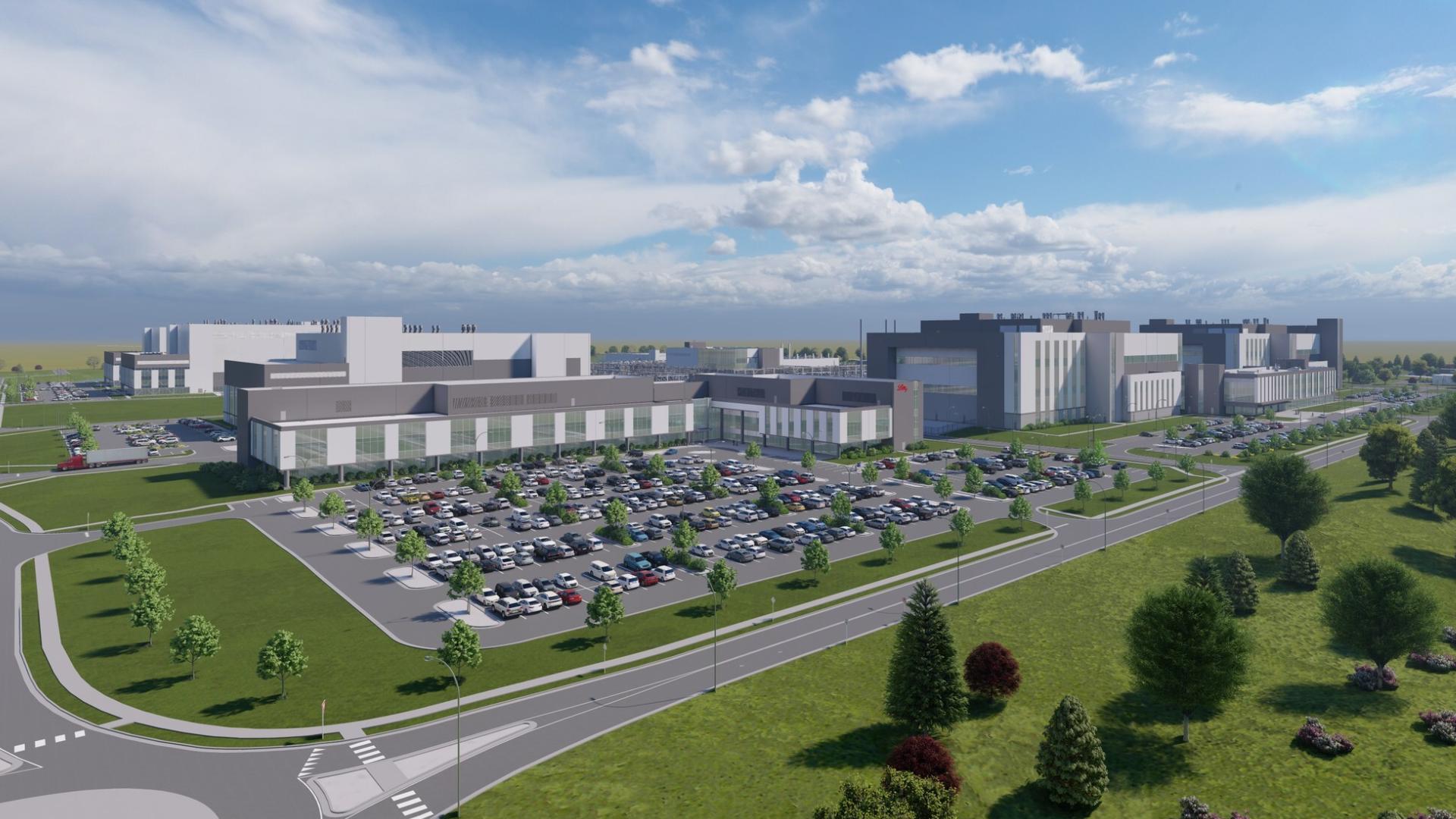
The term "2024 projects" typically refers to the specific initiatives, capital expenditure plans, and public sector developments that were initiated or reached significant milestones during the 2024 calendar year. These projects serve as critical benchmarks for current operational standards, historical infrastructure planning, and technological adoption cycles, providing a foundation for evaluating long-term outcomes and project management maturity in the current 2026 landscape.
Understanding the Scope of 2024 Project Initiatives
To effectively evaluate any project originating from 2024, one must first categorize it according to its primary domain. Projects from this period generally fall into three distinct spheres: large-scale public infrastructure, private sector digital transformation, and sustainable development initiatives.
Public infrastructure projects initiated in 2024 often focused on grid modernization and transit expansion. These were typically funded through multi-year budget cycles, meaning that in 2026, many of these initiatives are currently in the mid-execution or transition-to-maintenance phase. Understanding these projects requires distinguishing between the planning documentation produced in 2024 and the current physical or functional status in 2026.
In the private sector, 2024 was marked by a surge in artificial intelligence (AI) integration and cloud-native migration. Unlike construction, these digital projects often follow a "perpetual beta" lifecycle. Consequently, a digital project launched in 2024 has likely undergone multiple iterative updates, security patches, and regulatory compliance adjustments by 2026. Evaluating these requires a review of the original technical scope against current performance metrics rather than a static completion date.
Comparative Framework for 2024 Project Evaluation
When auditing or reviewing projects from 2024, stakeholders must apply a consistent set of evaluation criteria. The following table provides a framework for comparing these projects based on their intended purpose, funding mechanism, and current status.
| Project Type | Primary Driver | Typical 2024 Milestone | 2026 Status Context |
|---|---|---|---|
| Infrastructure | Public Policy/Safety | Groundbreaking/Bidding | Under Construction |
| Digital/Software | Competitive Advantage | MVP Release/Pilot | Iterative Enhancement |
| Sustainability | Regulatory Compliance | Implementation/Rollout | Compliance Assessment |
| Research/R&D | Innovation/Capability | Proof of Concept | Scaled Integration |
This comparison highlights that the "success" of a 2024 project is highly dependent on its category. While a software deployment might be considered "complete" if it reached its initial version in 2024, an infrastructure project is rarely assessed by its 2024 status alone, as the timeline for such endeavors often spans five to ten years.
Prerequisites for Project Auditing and Review
Before attempting to assess the performance or validity of a 2024 project, you must secure the foundational documentation. This is particularly important for projects with long tail-ends, such as construction or industrial manufacturing.
- Original Scope Documentation: Locate the project charter, which defines the initial objectives, stakeholders, and budgetary constraints established in 2024. Without this, it is impossible to measure success objectively.
- Regulatory and Environmental Filings: Many 2024 projects were subject to specific environmental impact assessments or municipal ordinances. Ensure that the project adheres to the regulatory requirements that were active during the 2024 planning phase.
- Financial Records: Verify the initial capital expenditure (CAPEX) projections versus the current operational expenditure (OPEX) in 2026. Identifying budget variances is essential for understanding project efficiency.
- Technology Stack/Specifications: For technical projects, identify the specific hardware or software versions utilized in 2024. Changes in global technology standards by 2026 may necessitate upgrades that were not originally anticipated.
Managing Project Transitions and Legacy Issues
One of the most common challenges in 2026 regarding projects started in 2024 is the management of legacy integration. As organizations adopt newer technologies, they often find that the systems implemented in 2024 require bridging or middleware to communicate with modern 2026-era architectures.
The primary risk here is technical debt. When a project is rushed to meet a 2024 target, corners are often cut in documentation or architectural flexibility. To resolve this, project managers should conduct a "Legacy Review." This involves mapping the original 2024 design choices against current requirements. If a 2024-era system is failing to meet modern demands, the goal should be an incremental transition rather than a full rip-and-replace, which preserves the original investment while improving performance.
Safety, Compliance, and Professional Accountability
For projects involving engineering, construction, or data privacy, the standards applied in 2024 must be reconciled with the updated regulations of 2026. It is vital to note that while a project may have been compliant with the laws of 2024, it does not grant an exemption from the requirements of 2026.
If you are overseeing a 2024-era project today, you are responsible for ensuring that all safety protocols—particularly those involving fire, structural integrity, or cybersecurity—meet the current mandates. Ignorance of updated safety statutes is not a valid defense in the event of an audit or incident. Professional entities should retain external consultants to perform a compliance gap analysis if the project involves significant public or environmental risk.
Frequently Asked Questions
How do I distinguish between an active 2024 project and a completed one?
An active project from 2024 usually maintains open procurement lines, ongoing resource allocation, or pending deliverables in 2026. A completed project will have a final "Closeout Report" documenting the transfer of responsibility from the project team to the operations team, including all relevant maintenance manuals and financial audits.
Are financial projections from 2024 still relevant in 2026?
Only as a baseline. Inflation, changes in supply chain costs, and market volatility between 2024 and 2026 mean that raw financial data from the project’s inception should be indexed to current costs to provide a meaningful assessment of fiscal performance. Use the 2024 figures to measure initial intent and the 2026 figures to measure realized reality.
Can I upgrade a project started in 2024 to 2026 standards?
Yes, this is common in software and systems engineering. This process is known as "modernization." Ensure you have the original source code or architectural blueprints from 2024, as attempting to upgrade without these foundational assets often leads to systemic instability and security vulnerabilities.
What should I do if a project from 2024 has exceeded its budget?
First, perform a variance analysis to determine if the overage was due to external factors like supply chain disruption, or internal factors like scope creep. Once the root cause is established, you must present a re-baselined budget to stakeholders that accounts for the current 2026 economic environment rather than relying on 2024 assumptions.
Where can I find official records for public projects initiated in 2024?
Official public project records are typically held by the municipal, state, or federal agency that commissioned them. Check the relevant government "Transparency" or "Project Dashboard" portals. If the project was a private-public partnership (P3), the reporting might be found within the investor relations or compliance filings of the involved private entities.
Next Steps for Project Stakeholders
To move forward with any 2024 initiative in the current year, your next immediate action is to perform a status reconciliation audit. Do not assume that the project state has remained static. Schedule a meeting with the original stakeholders—or their successors—to verify the current project scope against the original 2024 documentation. If there is a discrepancy, document it immediately. Clear communication of these findings will prevent costly misalignments as you transition the project into the next phase of its lifecycle. Ensure that all team members are working from the most recent, approved version of the project plan to avoid redundant effort or, worse, conflicting implementation paths.