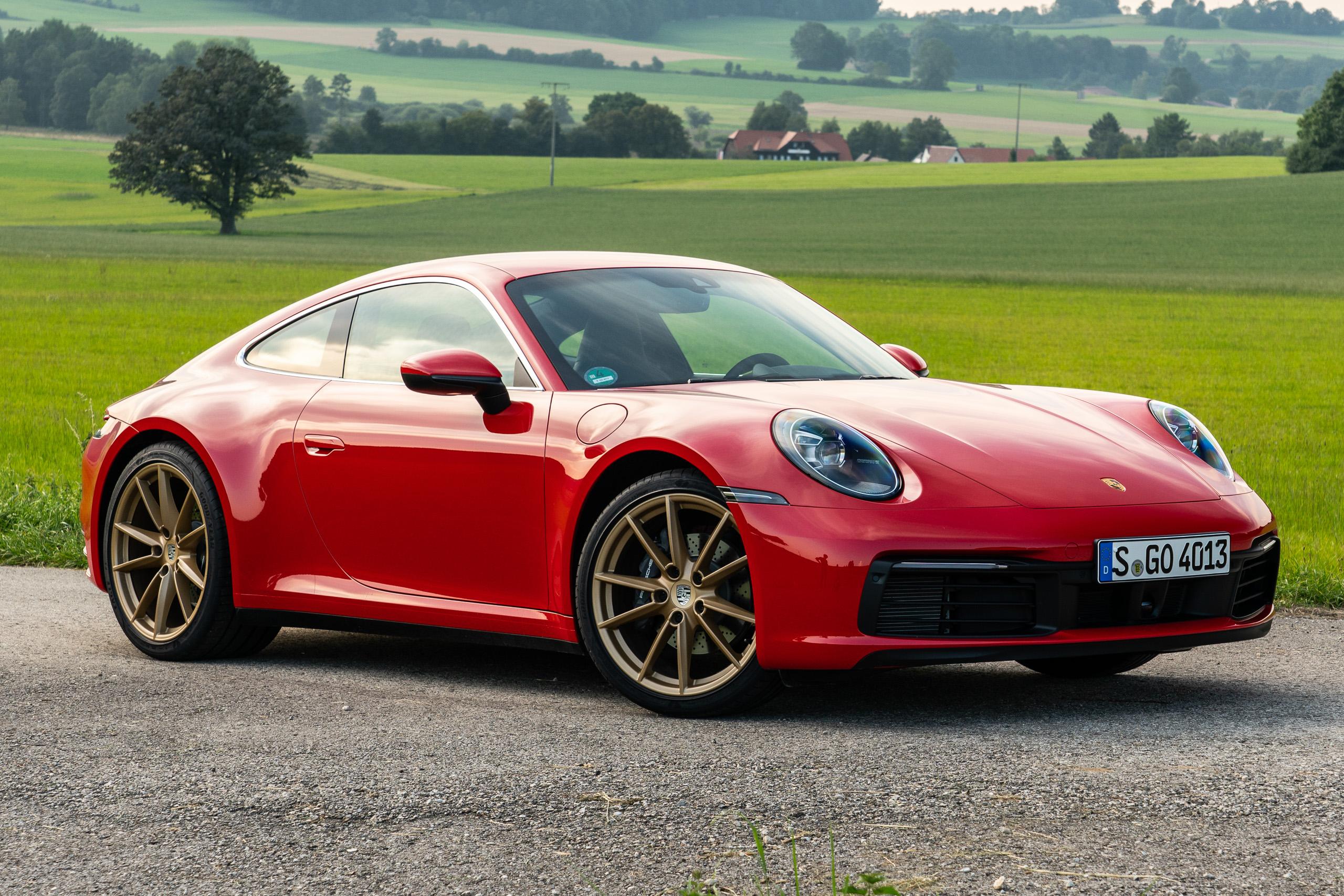
The 2024 Porsche 911 hybrid, officially designated as the 911 Carrera GTS T-Hybrid, marks a transformative moment in the history of the legendary sports car. Introduced as part of the 992.2 mid-cycle refresh, this performance-oriented hybrid system prioritizes rapid acceleration and throttle response over pure electric-only driving, utilizing an innovative electric exhaust turbocharger and a lightweight energy buffer to redefine the internal combustion experience.
The Evolution of the 911 Powertrain
For decades, the Porsche 911 has remained defined by its rear-mounted, flat-six engine. The introduction of the T-Hybrid system in the 2024 model year represents a significant departure from traditional forced induction. Unlike plug-in hybrids (PHEVs) that prioritize electric range, the T-Hybrid is a performance hybrid designed for agility and power density.
The heart of this system is a newly developed 3.6-liter flat-six engine. This engine replaced the previous 3.0-liter twin-turbo unit. By integrating an electric motor directly into the turbocharger—a technology derived from Porsche’s endurance racing pedigree—engineers eliminated the traditional "turbo lag" associated with high-performance sports cars. This electric motor can spin the compressor nearly instantaneously, providing immediate torque while the combustion engine builds boost. Simultaneously, a second electric motor is integrated into the eight-speed dual-clutch transmission (PDK), allowing the car to recover kinetic energy during deceleration and assist the engine during high-load acceleration.
Technical Specifications and Performance Metrics
The engineering philosophy behind the 2024 Porsche 911 hybrid is centered on "lightweight electrification." Porsche aimed to keep the weight penalty to a minimum, ensuring that the 911 maintained its signature handling characteristics.
The system utilizes a compact 1.9 kWh high-voltage battery located under the front hood, which powers the 400-volt electrical architecture. This setup allows for a total system output of 541 horsepower and 449 lb-ft of torque. Because the hybrid system is designed for performance, the car does not feature a "charge port" or an EV-only mode; instead, the electric components function solely to optimize the efficiency and output of the internal combustion engine.
Key technical highlights include:
- Engine Displacement: 3.6-liter flat-six engine.
- Electric Assistance: Integrated turbo-motor and transmission-integrated electric motor.
- Performance: 0-60 mph in approximately 2.9 seconds for the Carrera GTS variant.
- System Weight: The hybrid components add approximately 103 pounds (47 kg) to the total curb weight compared to previous non-hybrid iterations.
Pricing Structure and Market Positioning
The 2024 Porsche 911 Carrera GTS T-Hybrid sits at a premium price point within the 911 lineup, reflecting the advanced nature of its powertrain. At the time of its market launch, the entry price for the Carrera GTS Coupe started at approximately $164,900, excluding delivery fees and optional equipment.
Market positioning for this model is aimed at enthusiasts who prioritize technological innovation and track performance. Compared to the standard Carrera, the GTS T-Hybrid offers significantly more power and a more aggressive chassis tuning. Prospective buyers should note that options lists on Porsche models are extensive; moving from the base MSRP to a "real-world" configuration often adds $20,000 to $40,000 to the total cost. This price point positions the 911 hybrid against other high-performance machines like the Aston Martin Vantage and various iterations of the Audi R8, though the 911 maintains its unique rear-engine driving dynamics.
Comparative Market Analysis
The following table outlines the key performance and pricing differences between the base 911 Carrera and the technologically advanced GTS T-Hybrid.
| Feature | 911 Carrera (Base) | 911 Carrera GTS T-Hybrid |
|---|---|---|
| Engine | 3.0L Twin-Turbo Flat-Six | 3.6L T-Hybrid Flat-Six |
| Horsepower | 388 hp | 541 hp |
| 0-60 MPH | 3.9 seconds | 2.9 seconds |
| Starting MSRP | ~$120,100 | ~$164,900 |
| Hybrid System | None | Performance-focused T-Hybrid |
Release Date and Global Availability
The 2024 Porsche 911 Carrera GTS T-Hybrid was officially unveiled in mid-2024. Following the global reveal, the vehicles began arriving at dealerships in late 2024 and early 2025. By 2026, the model has become a staple of the Porsche lineup, with most initial waitlists having cleared and inventory becoming more accessible through authorized Porsche Centers.
Because this model represents a mid-cycle refresh (992.2), it follows the traditional rollout cadence for Porsche. Prospective buyers seeking specific color combinations or bespoke "Porsche Exclusive Manufaktur" options may still face build-to-order wait times, as is standard for high-end European performance vehicles.
Practical Considerations for Prospective Owners
Owning a 911 with the T-Hybrid system requires understanding that this is not a traditional hybrid. It does not offer electric range, and it does not require home charging infrastructure.
Maintenance remains consistent with modern 911 standards. The hybrid system is designed to be maintenance-free for the lifespan of the vehicle under normal operation. However, the high-voltage system requires that servicing be conducted by technicians certified by Porsche, as the electrical architecture poses specific safety requirements during repairs. Owners should also be aware that the inclusion of the battery has slightly altered the front luggage compartment capacity compared to the 992.1 generation, though it remains sufficient for standard travel gear.
Frequently Asked Questions
Can the 2024 Porsche 911 Hybrid be driven in electric-only mode?
No. The T-Hybrid system is specifically engineered for performance, not fuel efficiency or electric commuting. The electric motor serves strictly to assist the flat-six engine and eliminate turbo lag, meaning the engine is always running when the car is in motion.
Is the 2024 Porsche 911 Hybrid a Plug-in Hybrid (PHEV)?
No. There is no charging port on the vehicle. The 1.9 kWh battery is charged entirely through regenerative braking and the kinetic energy harvested from the engine. It is a "self-charging" performance hybrid.
How does the T-Hybrid system affect the 911's handling?
The weight distribution remains remarkably balanced. While the car is roughly 100 pounds heavier than its predecessor, the battery is positioned low in the chassis to maintain a low center of gravity. Most reviews indicate the car remains as agile as previous generations, with improved mid-range power.
Does the T-Hybrid system require different insurance or warranty coverage?
Generally, no. Insurance carriers categorize the 911 GTS T-Hybrid as a high-performance sports car. The hybrid components are covered under the standard Porsche New Vehicle Limited Warranty. Owners should consult their insurance provider for specific premium quotes, as the vehicle's MSRP and performance statistics are the primary factors in rate calculation.
Are there other hybrid models available in the 2024 911 lineup?
At the time of its release, the T-Hybrid technology was exclusively focused on the GTS model within the 911 range. Porsche limited this powertrain to the high-performance variants to emphasize its role as a power-boosting technology rather than a fuel-saving one.
Next Steps for Prospective Buyers
If you are considering the 2024 Porsche 911 Carrera GTS T-Hybrid, the most effective next step is to schedule a test drive at your local Porsche Center. Experience is critical, as the "feel" of the electric-assisted turbocharger differs significantly from the traditional linear delivery of a non-hybrid 911.
Consult the Porsche Car Configurator to model your desired build. Pay close attention to the "Lightweight Package" options, which can offset some of the weight added by the hybrid system. Always verify the current market availability and dealer markups in your specific region, as pricing for high-demand German sports cars can fluctuate based on supply chain constraints and local market conditions.