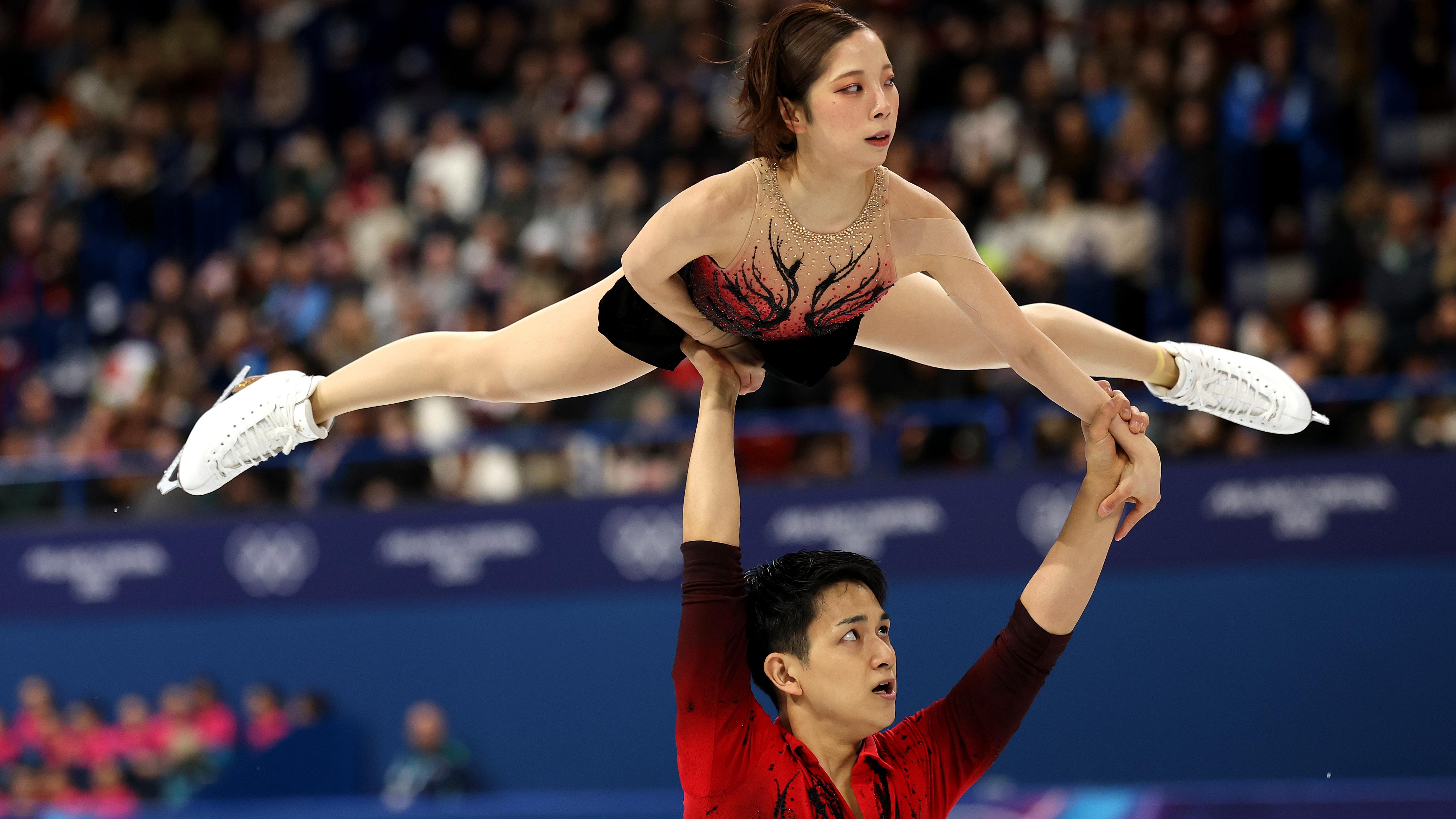
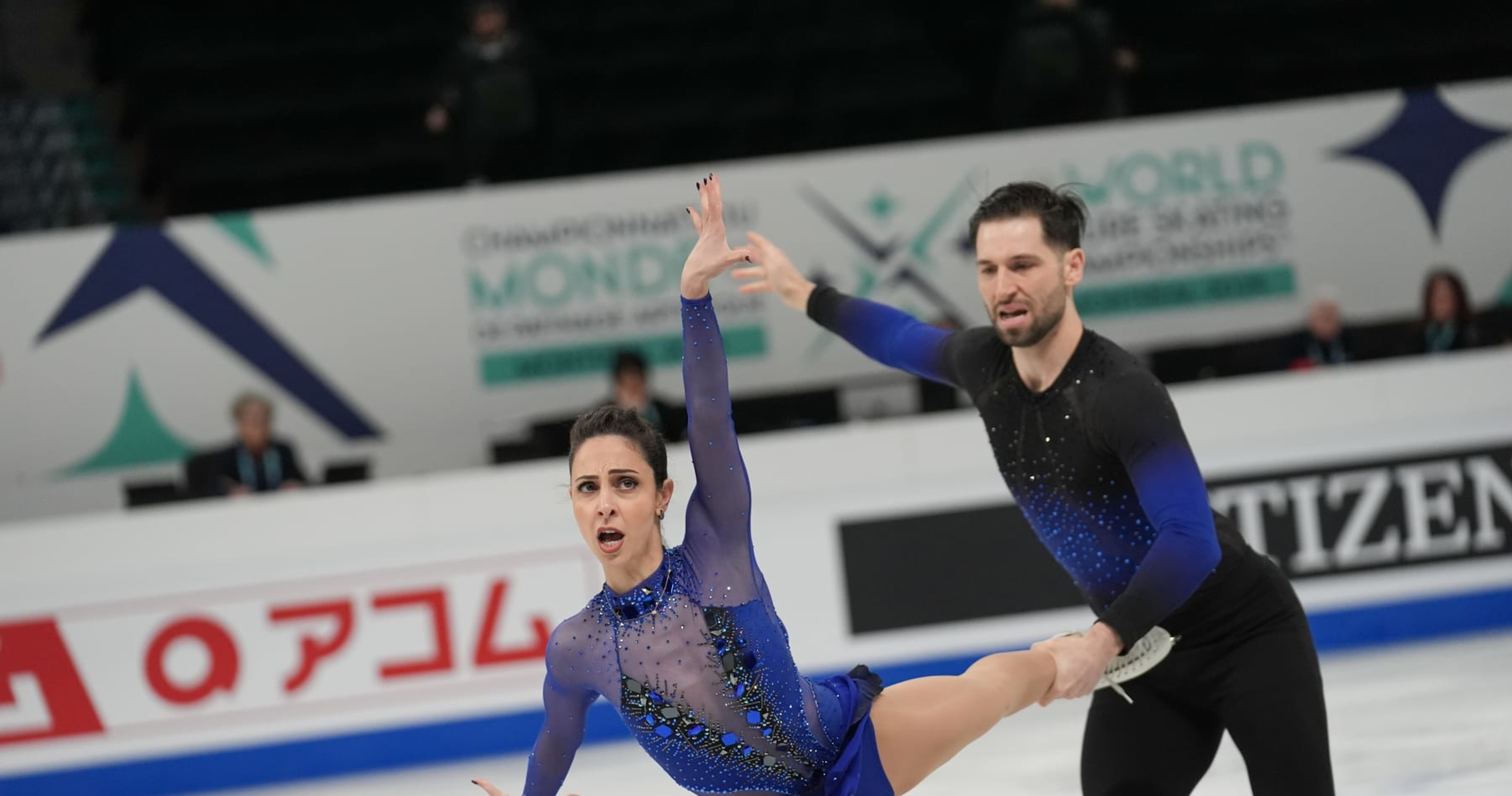
The 2024 pairs figure skating season was defined by the historic ascent of Deanna Stellato-Dudek and Maxime Deschamps, who secured the World Title in Montreal. Their victory, alongside the resurgence of Japan’s Miura and Kihara and the dominance of Italian pairs in Europe, established a highly competitive international standing heading into the current 2026 Olympic cycle.
Overview of the 2024 Pairs Figure Skating Landscape
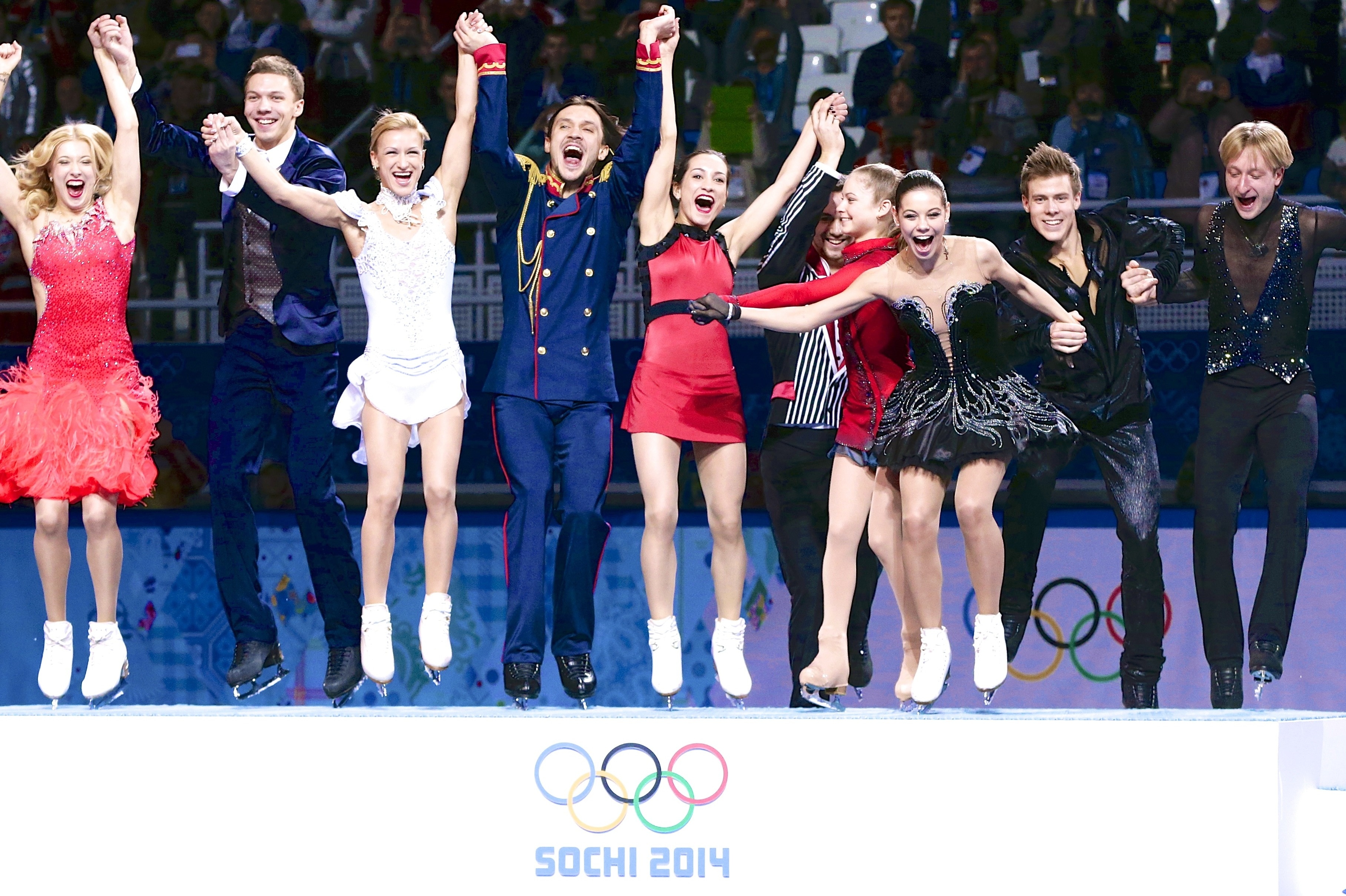
As we look back from the vantage point of 2026, the 2024 season remains a pivotal chapter in pairs figure skating. It was a year characterized by a blend of veteran resilience and the emergence of technically proficient new partnerships. The season operated under the continued absence of Russian and Belarusian skaters due to International Skating Union (ISU) suspensions, which fundamentally altered the competitive dynamics and opened the podium to a wider array of nations including Canada, Japan, Germany, and Italy.
The technical focus of 2024 shifted toward maximizing Grade of Execution (GOE) on triple twists and high-level lifts, as the base values for side-by-side jumps remained relatively static. The season's narrative was dominated by the "age is just a number" storyline of Deanna Stellato-Dudek, who at 40 years old became the oldest woman to win a World figure skating title. This period also saw the solidification of the "Q" symbol for technical reviews, providing more transparency in how under-rotated jumps were scored compared to previous seasons.
2024 ISU World Figure Skating Championships: Montreal
The 2024 World Championships, held in Montreal, Canada, served as the pinnacle of the season. For the pairs discipline, the atmosphere was electric, largely due to the presence of the home favorites, Stellato-Dudek and Deschamps.
The Gold Medal Performance
Deanna Stellato-Dudek and Maxime Deschamps entered the competition as the favorites after a stellar Grand Prix season. They delivered a commanding short program to "Oxygène," scoring 77.48. Their free skate to "Interview with the Vampire" was not flawless, but their technical foundation and superior component scores allowed them to finish with a total of 221.56. This victory was significant not just for the record books but for the Canadian skating program, which had been seeking a dominant pair since the retirement of Meagan Duhamel and Eric Radford.
The Podium Contenders
The silver medal went to the 2023 World Champions, Riku Miura and Ryuichi Kihara of Japan. After a season plagued by Kihara’s back injury, which forced them to withdraw from the Grand Prix series, their return in Montreal was a masterclass in resilience. They scored 217.88, proving that when healthy, their synchronization and speed remain the gold standard in the sport.
The bronze was claimed by Germany’s Minerva Fabienne Hase and Nikita Volodin. In their first full season together, they demonstrated remarkable consistency. Their total score of 210.40 solidified Germany’s position as a powerhouse in the discipline, following the lineage of Aljona Savchenko.
2024 European Figure Skating Championships: Kaunas
The European Championships in Kaunas, Lithuania, highlighted the incredible depth of the Italian pairs program. Italy has transitioned from a developing nation in this discipline to arguably the strongest European federation in the post-2022 era.
Italian Dominance
Lucrezia Beccari and Matteo Guarise captured their first European title with a total score of 199.19. Their victory was a testament to Guarise’s veteran experience and Beccari’s rapid adaptation to the pairs discipline. They narrowly defeated the Georgian pair, Anastasiia Metelkina and Luka Berulava, who led after the short program but fell to second place after mistakes in the free skate.
Final Standings (Top 5)
- Lucrezia Beccari / Matteo Guarise (ITA) – 199.19
- Anastasiia Metelkina / Luka Berulava (GEO) – 196.14
- Rebecca Ghilardi / Filippo Ambrosini (ITA) – 195.68
- Maria Pavlova / Alexei Sviatchenko (HUN) – 194.02
- Minerva Fabienne Hase / Nikita Volodin (GER) – 190.69
The absence of Hase and Volodin from the podium was one of the major upsets of the event, as they were the reigning Grand Prix Final champions at the time. However, the consistency of the Italian teams—occupying two spots on the podium—was the defining highlight of the Kaunas event.
2024 Four Continents Figure Skating Championships: Shanghai
The Four Continents Championships provided a preview of the World Championships, featuring the top pairs from North America and Asia. Held in Shanghai, the event was another showcase for the Canadian and Japanese rivalry.
Deanna Stellato-Dudek and Maxime Deschamps took the gold with a score of 198.80, though it was a lower-scoring affair than the subsequent World Championships. Riku Miura and Ryuichi Kihara took the silver (190.77), using the event as a critical stepping stone to test Kihara’s fitness for the remainder of the season.
A notable highlight from this event was the bronze medal performance by the American pair Ellie Kam and Danny O’Shea. Their score of 187.28 marked a significant step forward for the U.S. pairs program, which had struggled for podium consistency in previous years. Their technical progress in Shanghai signaled that they would be major players in the lead-up to the 2026 Winter Olympics.
2023-2024 Grand Prix Final Results
Although the Grand Prix Final took place in December 2023, it is technically the conclusion of the 2023-24 season's qualifying series and dictates the momentum for the 2024 calendar year. The event was held in Beijing and featured the top six pairs in the world based on their performance across the six Grand Prix assignments.
| Rank | Pair | Country | Total Score |
|---|---|---|---|
| Gold | Minerva Fabienne Hase / Nikita Volodin | GER | 206.43 |
| Silver | Sara Conti / Niccolo Macii | ITA | 205.88 |
| Bronze | Deanna Stellato-Dudek / Maxime Deschamps | CAN | 204.30 |
| 4th | Maria Pavlova / Alexei Sviatchenko | HUN | 192.02 |
| 5th | Rebecca Ghilardi / Filippo Ambrosini | ITA | 188.85 |
| 6th | Lia Pereira / Trennt Michaud | CAN | 185.16 |
This event was particularly significant because it was the first time Hase and Volodin truly asserted themselves as World Title contenders. It also showcased the depth of the Canadian and Italian programs, which each qualified two teams for the final.
Technical Highlights and Scoring Evolution in 2024
The 2024 season saw a rigorous application of the ISU Special Regulations and Technical Rules. Judges placed a higher premium on the "completeness" of the program.
The "Q" and "q" Indicator
2024 was one of the first full seasons where the "q" (quarter under-rotation) was utilized extensively. Unlike a full under-rotation (symbolized by <), a "q" allows the skater to keep the full base value of the jump but necessitates a reduction in GOE. This nuance was critical in the standings at the 2024 Worlds, where fractional points separated the silver and bronze medalists.
Twist and Lift Levels
The top three pairs in the world standings—Stellato-Dudek/Deschamps, Miura/Kihara, and Hase/Volodin—all consistently achieved Level 4 on their triple twists. To achieve this, pairs had to incorporate difficult entries (such as a spread eagle or a change of edge) and a clean catch at the waist without the lady touching the man's shoulders. In 2024, the "delay" in the twist rotation became a hallmark of the top-tier teams, earning them high GOE scores (+3 to +5).
Artistry and Composition
Under the revised judging system, the Program Components (PCS) were condensed into three categories: Composition, Presentation, and Skating Skills. In 2024, Stellato-Dudek and Deschamps dominated the Presentation and Composition scores, often receiving marks in the 9.25 to 9.50 range. Their ability to maintain a narrative theme throughout their "Interview with the Vampire" program was cited by commentators as the deciding factor in their World Championship victory.
Key Takeaways for the 2026 Olympic Cycle
As we stand in 2026, the 2024 results serve as the foundation for the current Olympic rankings. The season proved that longevity is possible in pairs skating, with Stellato-Dudek's success paving the way for other veteran skaters to continue competing. It also confirmed that the "Italian Model" of centralized training and strong internal competition is a viable blueprint for international success.
The 2024 season was less about the pursuit of quad elements (quad twists or quad throws) and more about the refinement of triple elements. The risk-to-reward ratio for quads remained unfavorable under the 2024 scale of values, leading teams to focus on flawless execution of high-level triples instead.
2024 Season's Best Scores (Total)
- Stellato-Dudek / Deschamps (CAN): 221.56 (Worlds)
- Miura / Kihara (JPN): 217.88 (Worlds)
- Hase / Volodin (GER): 210.40 (Worlds)
- Conti / Macii (ITA): 205.88 (GP Final)
Frequently Asked Questions
Who won the 2024 World Pairs Figure Skating title?
Deanna Stellato-Dudek and Maxime Deschamps of Canada won the gold medal at the 2024 World Figure Skating Championships in Montreal. They finished with a total score of 221.56, making Stellato-Dudek the oldest woman to ever win a world title in figure skating.
Why were Russian pairs absent from the 2024 standings?
The International Skating Union (ISU) maintained its suspension of Russian and Belarusian athletes from all international competitions throughout the 2024 season. This decision was based on recommendations from the International Olympic Committee (IOC) following the geopolitical events of 2022.
What was the highest pair score recorded in 2024?
The highest total score achieved during the ISU championship season was 221.56, set by Deanna Stellato-Dudek and Maxime Deschamps at the World Championships in March 2024. This score reflected their high technical difficulty and superior program components.
How did the Italian pairs perform in 2024?
2024 was a banner year for Italian pairs. Lucrezia Beccari and Matteo Guarise won the European title, while Sara Conti and Niccolo Macii took silver at the Grand Prix Final. Italy consistently placed multiple teams in the top five of major international events.
What are the main technical requirements for a Level 4 twist?
To achieve a Level 4 triple twist in 2024, a pair typically needed a difficult entry, a split position by the lady, and a clean catch by the man at the waist before the lady touched the ice. The speed and height of the twist also heavily influence the Grade of Execution (GOE).
Where can I find the official score sheets for the 2024 season?
The official "Judges' Details per Skater" (Protocols) are archived on the ISU Results website. These documents provide a point-by-point breakdown of the base value and GOE for every element performed by every pair.
Practical Guidance for Fans and Historians
For those looking to analyze the 2024 season in depth, it is recommended to view the archival footage provided by the ISU YouTube Channel. Pay close attention to the "Technical Box" displayed during broadcasts, which shows the real-time review of levels and rotations.
When comparing the 2024 results to current 2026 performances, look for changes in the scale of values for the "Death Spiral" and the "Group 5 Lift," as these technical requirements have seen minor adjustments in the current Olympic cycle. Understanding the 2024 scoring baseline is essential for evaluating the technical progress of today's top-ranked pairs.