The 2024 United States presidential election was the 60th quadrennial election, held on November 5, 2024. This landmark contest saw Republican Donald Trump defeat Democrat Kamala Harris, who became the nominee after President Joe Biden withdrew from the race in July 2024. The election cycle was defined by unprecedented legal proceedings, a dramatic mid-summer candidate pivot, and a shifting electoral map that continues to influence American governance in 2026.
The Chronology of the 2024 Election Cycle
The 2024 election was one of the longest and most scrutinized cycles in American history. It began in earnest in late 2022 and early 2023 when candidates first announced their intentions, but the high-intensity phase kicked off with the Iowa Caucuses in early 2024. Understanding the timeline is essential for comprehending how the political landscape shifted from the early primaries to the final certification of votes.
The Primary Season (January – June 2024)
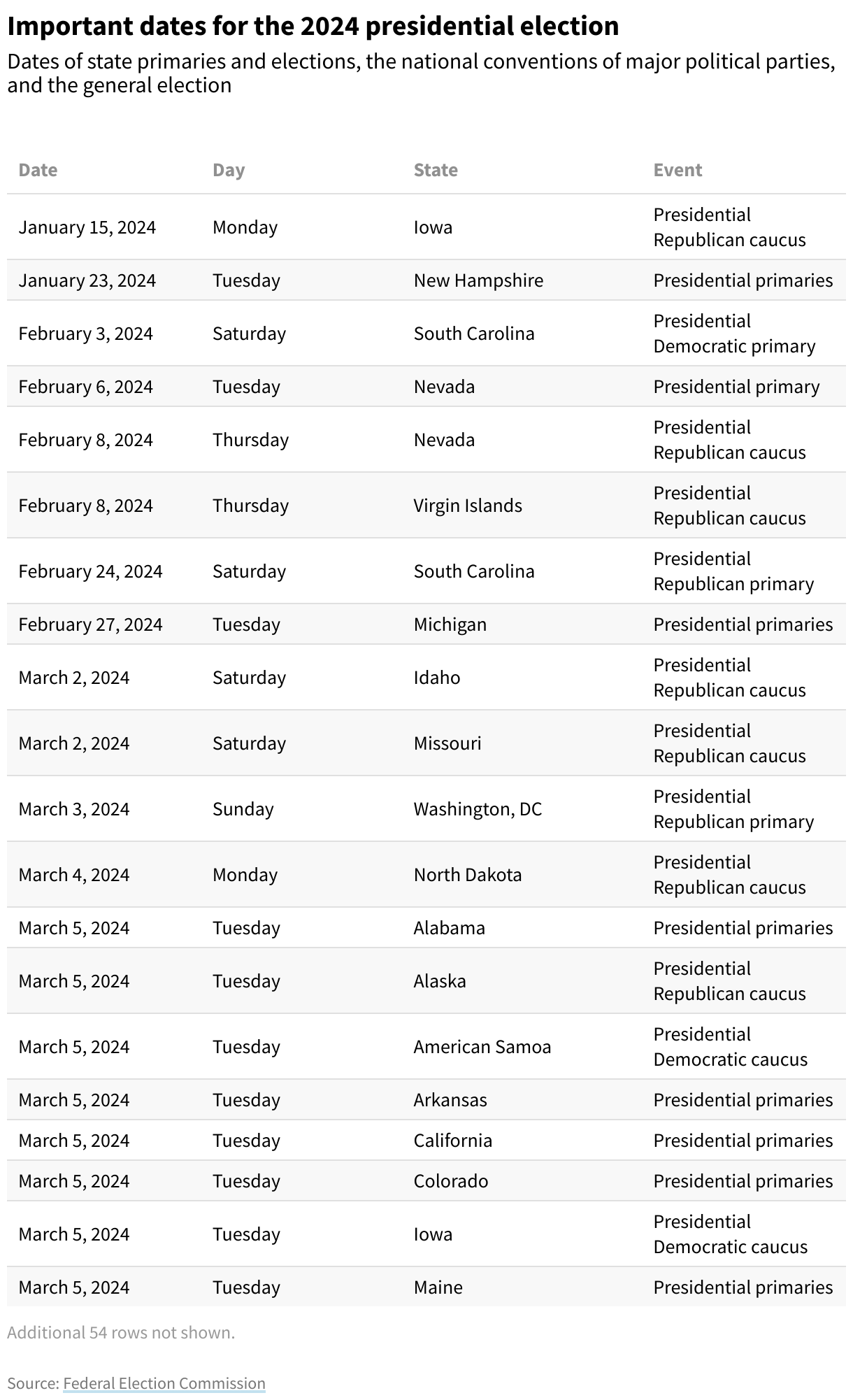
The Republican primary was characterized by Donald Trump’s rapid consolidation of the party base. Despite challenges from former UN Ambassador Nikki Haley and Florida Governor Ron DeSantis, Trump secured a series of decisive victories starting with the Iowa Caucuses on January 15 and the New Hampshire Primary on January 23. By "Super Tuesday" on March 5, where 15 states held contests simultaneously, the Republican field had effectively narrowed to a single viable candidate.
On the Democratic side, President Joe Biden initially faced only minor primary opposition from Representative Dean Phillips and author Marianne Williamson. He cruised through the early primaries, including South Carolina on February 3, which had been moved to the lead spot in the Democratic calendar. However, the primary season concluded with questions regarding voter enthusiasm and age, which set the stage for the dramatic events of the summer.
The Summer of Transition (July – August 2024)
Two major events in mid-2024 fundamentally altered the trajectory of the election. First was the Republican National Convention (RNC) in Milwaukee, held from July 15 to 18. Just days after surviving an assassination attempt in Butler, Pennsylvania, Donald Trump officially accepted the nomination and selected Senator J.D. Vance of Ohio as his running mate.
Second was the unprecedented withdrawal of President Joe Biden from the race on July 21, 2024. Following a widely criticized debate performance in late June, Biden endorsed Vice President Kamala Harris. The Democratic party rapidly coalesced around Harris, who selected Minnesota Governor Tim Walz as her vice-presidential candidate. This transition was finalized at the Democratic National Convention (DNC) in Chicago from August 19 to 22.
Major Candidates and Party Platforms
The 2024 race featured two distinct visions for the future of the United States. While the major party tickets dominated the headlines, third-party candidates also played a role in the early polling and final vote distribution.
The Republican Ticket: Trump and Vance
The Trump-Vance platform focused heavily on "Make America Great Again" (MAGA) principles. Key pillars included:
- Economic Reform: A focus on deregulation, extending the 2017 Tax Cuts and Jobs Act, and implementing aggressive tariffs to protect domestic manufacturing.
- Border Security: A commitment to completing the border wall and launching the largest domestic deportation operation in U.S. history.
- Energy Independence: Promoting "drill, baby, drill" policies to increase fossil fuel production and lower energy costs.
- Foreign Policy: An "America First" approach that questioned traditional alliances and sought to end international conflicts through direct negotiation.
The Democratic Ticket: Harris and Walz
The Harris-Walz campaign sought to build on the Biden administration's record while carving out a unique identity for Harris. Their platform emphasized:
- The Care Economy: Expanding access to affordable childcare, paid family leave, and strengthening the Affordable Care Act.
- Reproductive Rights: Making the protection of reproductive freedoms a central campaign issue, following the 11-member Supreme Court’s 2022 Dobbs decision.
- Infrastructure and Climate: Continuing the implementation of the Inflation Reduction Act and the Bipartisan Infrastructure Law.
- Democracy and Rule of Law: Positioning the election as a defense of democratic institutions against authoritarian rhetoric.
Third-Party and Independent Influence
Robert F. Kennedy Jr. initially ran as a high-profile independent, garnering double-digit support in early 2024 polls. However, in August 2024, he suspended his campaign and endorsed Donald Trump, a move that shifted the momentum in several key swing states. Other candidates included Jill Stein (Green Party), Cornel West (Independent), and Chase Oliver (Libertarian), who appealed to voters dissatisfied with the two-party system.
The General Election: Battlegrounds and Key Issues
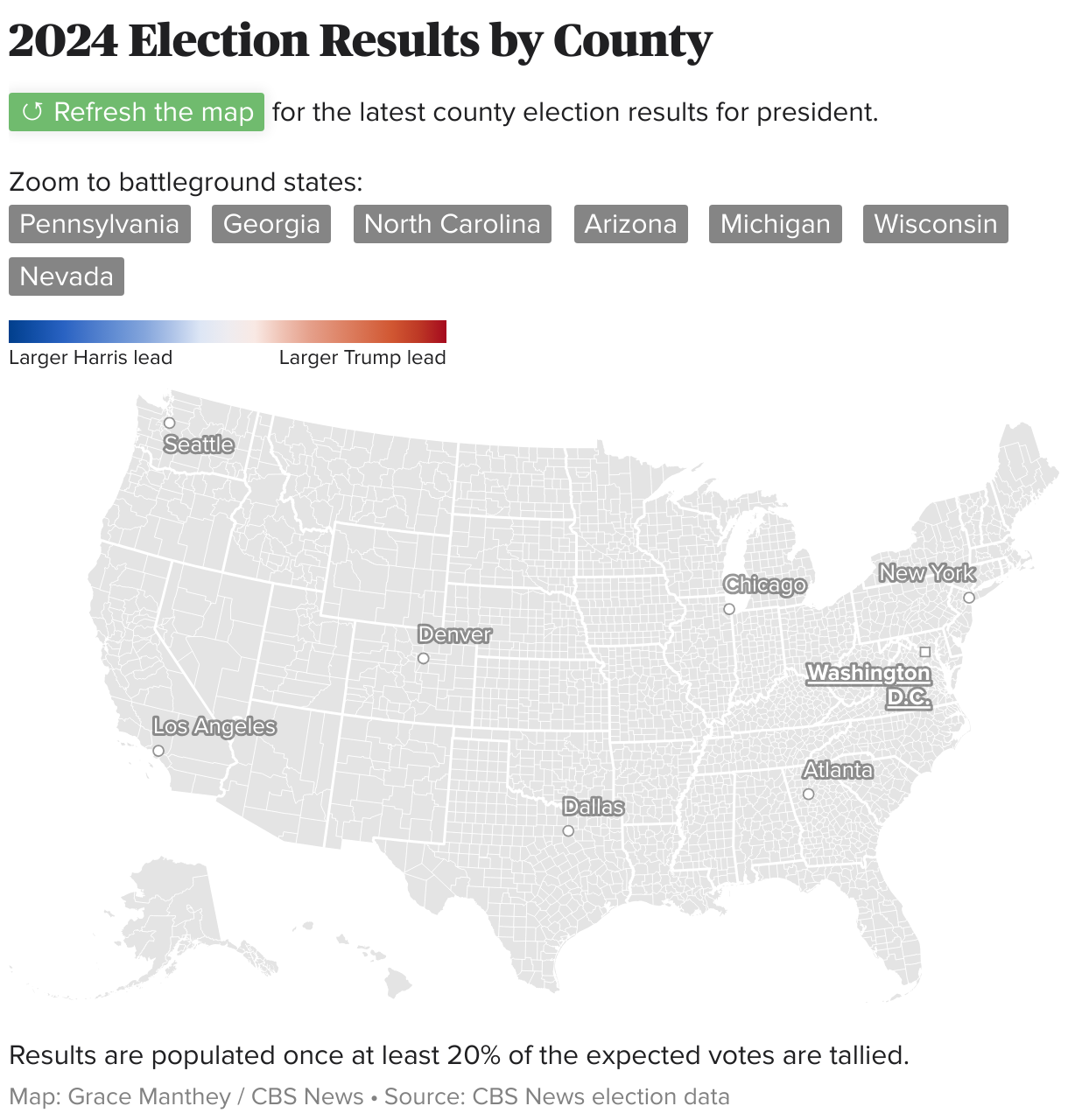
The 2024 general election was fought primarily in seven "battleground" states: Pennsylvania, Michigan, Wisconsin, Arizona, Georgia, North Carolina, and Nevada. These states held the keys to the Electoral College and were the focus of nearly 90% of the campaign's advertising spending.
Economic Anxiety and Inflation
Despite macroeconomic indicators showing growth, many voters in 2024 remained concerned about the cost of living, specifically grocery prices and housing affordability. The Trump campaign successfully tapped into this sentiment, arguing that the Biden-Harris administration was responsible for the post-pandemic inflationary spike. The Harris campaign countered by highlighting low unemployment rates and record-high stock market performance, but "kitchen table" economics remained the top priority for the electorate.
Immigration and the Southern Border
Immigration reached a fever pitch as a campaign issue in 2024. Record numbers of border crossings earlier in the year led to significant criticism of the administration’s handling of the U.S.-Mexico border. While the Harris campaign pointed to a bipartisan border security bill that Republicans blocked at Trump's urging, the GOP's messaging on "border chaos" resonated strongly with rural and suburban voters alike.
The Role of the Judiciary and Legal Battles
The 2024 election was unique due to the intersection of politics and the courtroom. Donald Trump faced multiple criminal indictments throughout the year. While his legal team managed to delay several trials until after the election, a conviction in a New York state court in May 2024 initially appeared to impact his polling. However, by the fall, many voters viewed the legal proceedings through a partisan lens, and the impact on the final results was less significant than many analysts had predicted.
2024 Election Milestone Summary
The following table outlines the critical milestones that defined the 2024 presidential cycle, from the first votes cast to the final transition of power.
| Date | Event | Significance |
|---|---|---|
| January 15, 2024 | Iowa Caucuses | Trump wins decisively, effectively ending the GOP competitive phase. |
| March 5, 2024 | Super Tuesday | Biden and Trump sweep their respective party contests across 15 states. |
| June 27, 2024 | First Presidential Debate | Biden's performance leads to a crisis of confidence within the Democratic Party. |
| July 13, 2024 | Assassination Attempt | Trump survives a shooting in Butler, PA, leading to a surge in GOP unity. |
| July 21, 2024 | Biden Withdraws | President Biden exits the race; Kamala Harris becomes the presumptive nominee. |
| August 19-22, 2024 | Democratic National Convention | Harris and Walz are officially nominated in Chicago. |
| November 5, 2024 | Election Day | Donald Trump is projected the winner, securing over 270 electoral votes. |
| January 6, 2025 | Certification of Votes | Congress certifies the Electoral College results without the disruption seen in 2021. |
| January 20, 2025 | Inauguration Day | Donald Trump is sworn in as the 47th President of the United States. |
The Outcome and 2026 Perspective
The victory of Donald Trump in 2024 marked only the second time in American history that a president was elected to non-consecutive terms (the first being Grover Cleveland in 1892). Trump’s victory was built on a coalition that showed significant gains among Hispanic men and younger voters, shifting the traditional demographic maps.
By 2026, the ramifications of this election are fully visible. The Trump administration’s focus on tariffs and border enforcement has dominated the legislative agenda. Simultaneously, the Democratic Party has entered a period of soul-searching and reorganization as they prepare for the 2026 midterms, debating whether the 2024 loss was due to policy, messaging, or the unique circumstances of the Biden-to-Harris transition.
The 2024 election also reinforced the importance of the Federal Election Commission (FEC) and the U.S. Election Assistance Commission (EAC) in maintaining the integrity of the voting process. Despite high tensions, the 2024 vote was widely recognized by international observers as secure and professionally managed.
Historical Comparison: 2020 vs. 2024
Comparing 2024 to the 2020 cycle reveals a "flip" in several key regions. While Biden had successfully rebuilt the "Blue Wall" (Pennsylvania, Michigan, Wisconsin) in 2020, Trump managed to reclaim these states in 2024. The shift was attributed to higher turnout in Republican strongholds and a slight but significant erosion of Democratic support in urban centers.
Frequently Asked Questions
Who won the 2024 US Presidential Election?
Donald Trump won the 2024 election, defeating Kamala Harris. He secured a majority in the Electoral College by winning several key battleground states, including Pennsylvania, Georgia, and Wisconsin. His victory was confirmed on election night and finalized during the January 2025 certification process.
Why did Joe Biden drop out of the 2024 race?
President Joe Biden withdrew from the race on July 21, 2024, following intense pressure from within his own party. The primary catalyst was his performance in the June 27 debate against Donald Trump, which raised concerns about his age and ability to serve a second term. He subsequently endorsed Kamala Harris to lead the ticket.
What were the key battleground states in 2024?
The seven primary battleground states were Pennsylvania, Michigan, Wisconsin, Arizona, Georgia, North Carolina, and Nevada. These states were considered "toss-ups" in polling and received the vast majority of campaign visits and financial investment because they were essential for reaching the 270 electoral votes needed to win.
How many electoral votes did Donald Trump receive?
In the final tally, Donald Trump exceeded the 270 electoral vote threshold required for victory. The final certified count showed him with 312 electoral votes to Kamala Harris’s 226, as he swept all seven major battleground states in one of the most decisive Electoral College outcomes in recent decades.
When was the 2024 presidential inauguration?
The inauguration took place on January 20, 2025. This followed the constitutional requirement for the new term to begin at noon on that date. The ceremony was held at the U.S. Capitol in Washington, D.C., where Donald Trump took the oath of office as the 47th President.
What role did J.D. Vance play in the 2024 election?
J.D. Vance, a Senator from Ohio, served as the Republican vice-presidential nominee. His role was to appeal to "Rust Belt" voters in the Midwest and provide a younger, populist voice to the MAGA movement. His debate performance against Tim Walz in October 2024 was seen by many analysts as a stabilizing force for the GOP ticket.
Accessing Historical Election Records
For researchers and citizens looking to verify the specific vote tallies and legal filings from the 2024 cycle, the National Archives provides the official records of the Electoral College. Additionally, detailed campaign finance data remains available via the FEC website, offering insights into the record-breaking $15 billion spent across the entire 2024 election cycle.
As the United States moves through 2026, the 2024 election stands as a definitive moment in political history, illustrating the volatility of modern American politics and the enduring importance of the primary system, the Electoral College, and the peaceful transfer of power.