An analysis of 2024 cinema reveals a year defined by the "eventization" of theatrical releases, a resurgence of high-concept original genre films, and the stabilization of the industry following the 2023 labor strikes. While franchises like Dune: Part Two and Inside Out 2 dominated the box office, 2024 also marked a critical turning point for auteur-driven narratives.
The Resilience of the Box Office: Franchises and Originality
Looking back from 2026, the cinematic landscape of 2024 stands as a testament to the enduring power of the collective theatrical experience. The year began under a cloud of uncertainty. The aftermath of the SAG-AFTRA and WGA strikes of 2023 had delayed several high-profile productions, leading many analysts to predict a "hollowed-out" year for cinema. However, the performance of key titles proved that audiences were willing to return to theaters for films that offered either undeniable spectacle or unique cultural resonance.
The first half of 2024 was anchored by Denis Villeneuve’s Dune: Part Two. This film did more than just secure high box office returns; it established a technical and narrative standard for the "prestige blockbuster." Its success signaled that audiences were not tired of big-budget cinema, but rather "formulaic" cinema. The meticulous world-building and commitment to practical effects resonated in a market that had grown weary of repetitive superhero tropes.
By the summer of 2024, the narrative shifted from recovery to dominance. Inside Out 2 and Deadpool & Wolverine shattered records, proving that well-executed IP still possessed immense gravitational pull. Inside Out 2, specifically, addressed a long-standing concern regarding the viability of theatrical animation in the streaming era, becoming the highest-grossing animated film of all time during its run. These successes were balanced by "mid-budget" hits like Twisters and Challengers, which utilized star power and focused marketing to capture specific demographic segments that had been underserved in recent years.
The Resurgence of Auteur-Driven Genre Films
One of the most striking elements of 2024 film analysis is the explosive return of the "auteur" within the horror and thriller genres. While 2023 was the year of "Barbenheimer," 2024 was the year where body horror and psychological thrillers found mainstream critical and commercial footing.
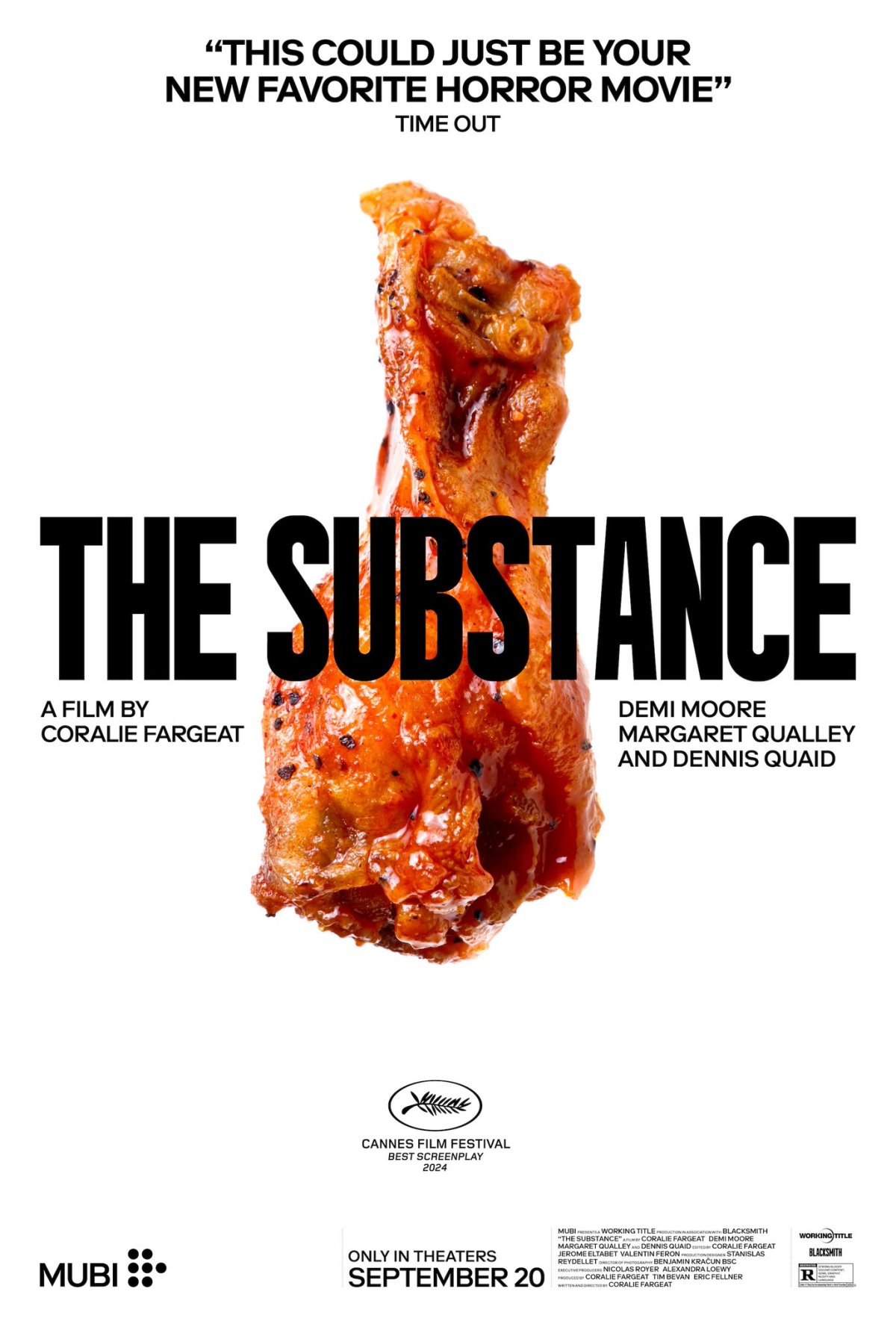
Films like Coralie Fargeat’s The Substance and Osgood Perkins’ Longlegs represented a shift in how niche genre films were marketed and consumed. The Substance utilized a bold, maximalist aesthetic to tackle themes of ageism and the female body, sparking global conversations that transcended the traditional horror fanbase. Meanwhile, Longlegs leveraged a cryptic, viral marketing campaign to become one of the most successful independent films of the decade, proving that mystery and atmosphere could still drive opening weekend numbers.
This trend extended to international cinema as well. Sean Baker’s Anora, which secured the Palme d’Or at Cannes, bridged the gap between indie sensibilities and broad audience appeal. The film’s success highlighted a growing appetite for narratives that felt grounded and authentic, even when dealing with chaotic or heightened subject matter. The success of these films in 2024 suggested that the "death of the mid-budget movie" had been greatly exaggerated, provided the creators were willing to take significant creative risks.
Technical Mastery and the Evolution of Visual Language
From a technical perspective, 2024 was a year of refinement rather than radical reinvention. The industry saw a maturation of technologies that had been experimental just a few years prior. The use of "The Volume" (LED wall technology) became more sophisticated, with directors finding ways to blend digital environments with physical sets more seamlessly.
However, the most discussed technical achievement of 2024 was the continued push for large-format cinematography. The success of IMAX releases for Dune: Part Two and Oppenheimer (which continued its influence into early 2024 awards season) led to a "scramble for screens." Theater chains began investing more heavily in Premium Large Format (PLF) offerings, as data indicated that audiences were increasingly viewing "standard" theater screens as insufficient competition for high-end home theater setups.
Sound design also played a pivotal role in the 2024 analysis. Films like Civil War utilized aggressive, hyper-realistic soundscapes to immerse viewers in a harrowing speculative reality. This focus on auditory immersion was a response to the "second-screen" habit developed during the pandemic; filmmakers in 2024 intentionally designed their works to be "un-pausable," demanding the full attention of the viewer through sensory overload that could not be replicated on a smartphone or laptop.
Strategic Shifts in Distribution and the "Theatrical Window"
The relationship between theatrical releases and streaming platforms reached a new equilibrium in 2024. After years of experimentation with "day-and-date" releases and shortened windows, the industry largely returned to a more traditional model, albeit with greater flexibility.
Studios like Apple and Amazon MGM Studios leaned into theatrical releases for films like Fly Me to the Moon and Blink Twice, acknowledging that a theatrical run acts as a massive marketing campaign for eventual streaming debuts. This "theatrical-first" strategy proved beneficial for the long-term tail of these films. By the time a 2024 film hit a streaming service, it often carried a "prestige" aura that direct-to-streaming titles lacked.
Furthermore, 2024 saw the rise of "targeted re-releases." Studios began bringing back older hits (such as the Spider-Man retrospective or the 25th-anniversary release of The Phantom Menace) to fill gaps in the schedule caused by production delays. This strategy not only generated significant revenue with low overhead but also reinforced the idea of the cinema as a communal space for nostalgia, a trend that has continued into 2026.
Comparative Performance of 2024’s Major Releases
The following table outlines the performance and critical reception of several key films that defined the 2024 cinematic landscape.
| Film Title | Primary Genre | Global Box Office (Est.) | Critical Reception (Rotten Tomatoes/Metacritic) | Key Impact |
|---|---|---|---|---|
| Inside Out 2 | Animation/Family | $1.69 Billion | High / Critical Acclaim | Revitalized theatrical animation. |
| Dune: Part Two | Sci-Fi/Epic | $714 Million | Very High / Universal Acclaim | Set the standard for modern sci-fi. |
| Deadpool & Wolverine | Action/Comedy | $1.33 Billion | Positive / Audience Favorite | Proved the viability of R-rated IP. |
| Longlegs | Horror/Thriller | $108 Million | High / Cult Status | Breakthrough for indie marketing. |
| The Substance | Body Horror | $43 Million | Polarizing / High Acclaim | Mainstreamed extreme genre cinema. |
| Furiosa: A Mad Max Saga | Action/Sci-Fi | $172 Million | High / Critical Success | Highlighted the risk of long-gap sequels. |
| Twisters | Action/Adventure | $370 Million | Positive / Commercial Hit | Re-established the "summer blockbuster" feel. |
Assessing the Cultural Legacy of 2024 Cinema from 2026
Two years later, the "2024 film analysis" provides clear insights into the current 2026 media environment. We can see that 2024 was the year the industry moved past its "survival" phase and into a "reconstruction" phase. The lessons learned in 2024—primarily that audiences prize "theatricality" and "originality" within known frameworks—now dictate how studios greenlight projects.
The legacy of 2024 is also found in the democratization of film criticism. The rise of Letterboxd and other social-cinema platforms reached a fever pitch in 2024, influencing how films like Challengers were perceived. The "meme-ification" of cinema became a legitimate marketing pillar, where a film's success was often tied to its ability to generate organic online discourse.
Finally, 2024 solidified the importance of global markets beyond China. While China remained a major player, the success of films in India, Southeast Asia, and Latin America became increasingly vital for the bottom line of Hollywood productions. This led to a more diverse range of stories and casting choices, a trend that has only accelerated as we move through 2026.
Frequently Asked Questions
What was the highest-grossing film of 2024?
Inside Out 2 was the highest-grossing film of 2024, earning over $1.6 billion worldwide. It surpassed expectations by appealing to both the original audience of the 2015 film and a new generation of viewers, eventually becoming the highest-grossing animated film of all time during its initial theatrical run.
Did the 2023 strikes affect the quality of 2024 films?
While the strikes delayed many releases, there is little evidence they diminished the quality of the films that were released. In fact, some analysts argue the delays allowed for more rigorous post-production on titles like Dune: Part Two. However, the "release calendar" was noticeably thinner in the first quarter of the year, which led to a slow start for theater owners.
Why was 2024 considered a "comeback" year for horror?
2024 saw a move away from "elevated horror" tropes toward more visceral and experimental sub-genres. The commercial success of Longlegs and the critical buzz surrounding The Substance and Late Night with the Devil showed that audiences were looking for bold, provocative experiences that pushed the boundaries of the R-rating.
How did streaming services change their strategy in 2024?
In 2024, major streamers like Netflix, Apple TV+, and Disney+ shifted toward a "quality over quantity" model. They began focusing on fewer, higher-impact original films and increased their reliance on licensed content. Additionally, companies like Apple and Amazon embraced traditional theatrical windows to increase the prestige and visibility of their flagship titles.
What is the best way to conduct a retrospective analysis of 2024 films?
To analyze 2024 films effectively, one must look at three pillars: box office data (for commercial viability), critical aggregators (for cultural standing), and long-term viewership on streaming platforms (for longevity). Resources like Box Office Mojo and the Criterion Channel offer valuable data for understanding how these films have aged over the past two years.
Further Actions for Film Students and Researchers
For those looking to deepen their understanding of 2024's cinematic impact, the next step is to examine the "awards season" results of early 2025. This provides context on which films the industry itself deemed most significant. Additionally, researching the production history of 2024's independent hits can provide a roadmap for navigating the current 2026 production environment. Analyzing the correlation between social media sentiment in 2024 and long-term home media sales offers a clear picture of how modern film legacies are built.