The year 2021 was a transformative period for the film industry, marking a strategic pivot from pandemic-era closures to a hybrid landscape of theatrical releases and streaming dominance. It was defined by the long-awaited return of major blockbusters, the rise of day-and-date digital premieres, and a diverse array of critically acclaimed independent cinema.
The Global Box Office Recovery: From Pandemic Closures to Blockbuster Returns
The cinematic landscape of 2021 was primarily characterized by the industry’s resilience and its struggle to regain pre-pandemic footing. Following a catastrophic 2020 where theaters worldwide remained dark for months, 2021 represented a "reopening" phase. However, this recovery was not linear. The year was punctuated by the emergence of the Delta and Omicron variants, which caused fluctuating audience confidence and varying regional restrictions.
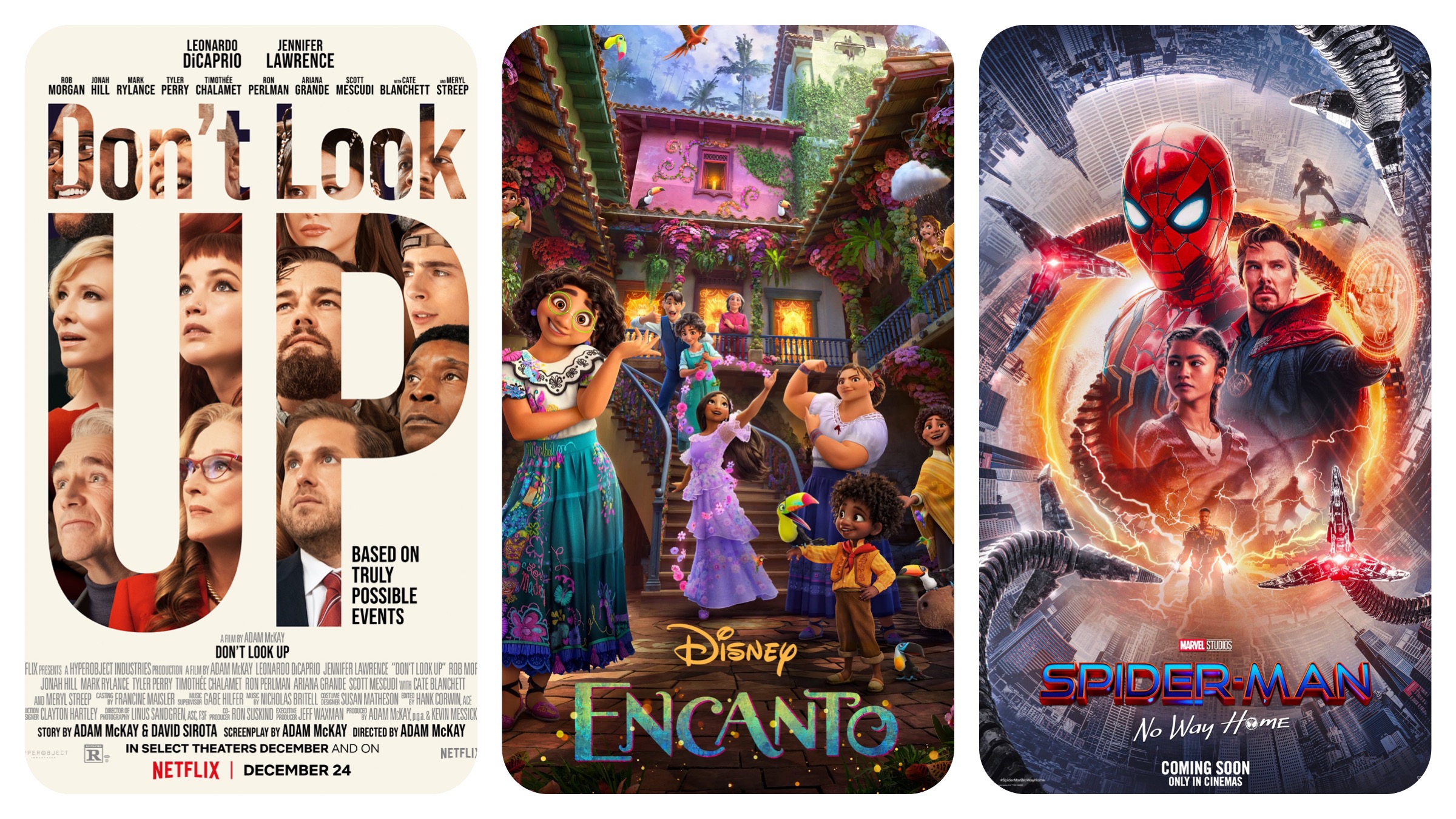
Despite these hurdles, the late-year performance of high-profile franchises proved that the theatrical experience remained a viable and essential component of the industry. The most significant milestone was the release of Spider-Man: No Way Home. Arriving in December, it shattered pandemic-era records, becoming the first film of the era to surpass $1 billion at the global box office. This success served as a proof of concept for studios, demonstrating that "event" cinema could still drive massive foot traffic even in a fragmented health climate.
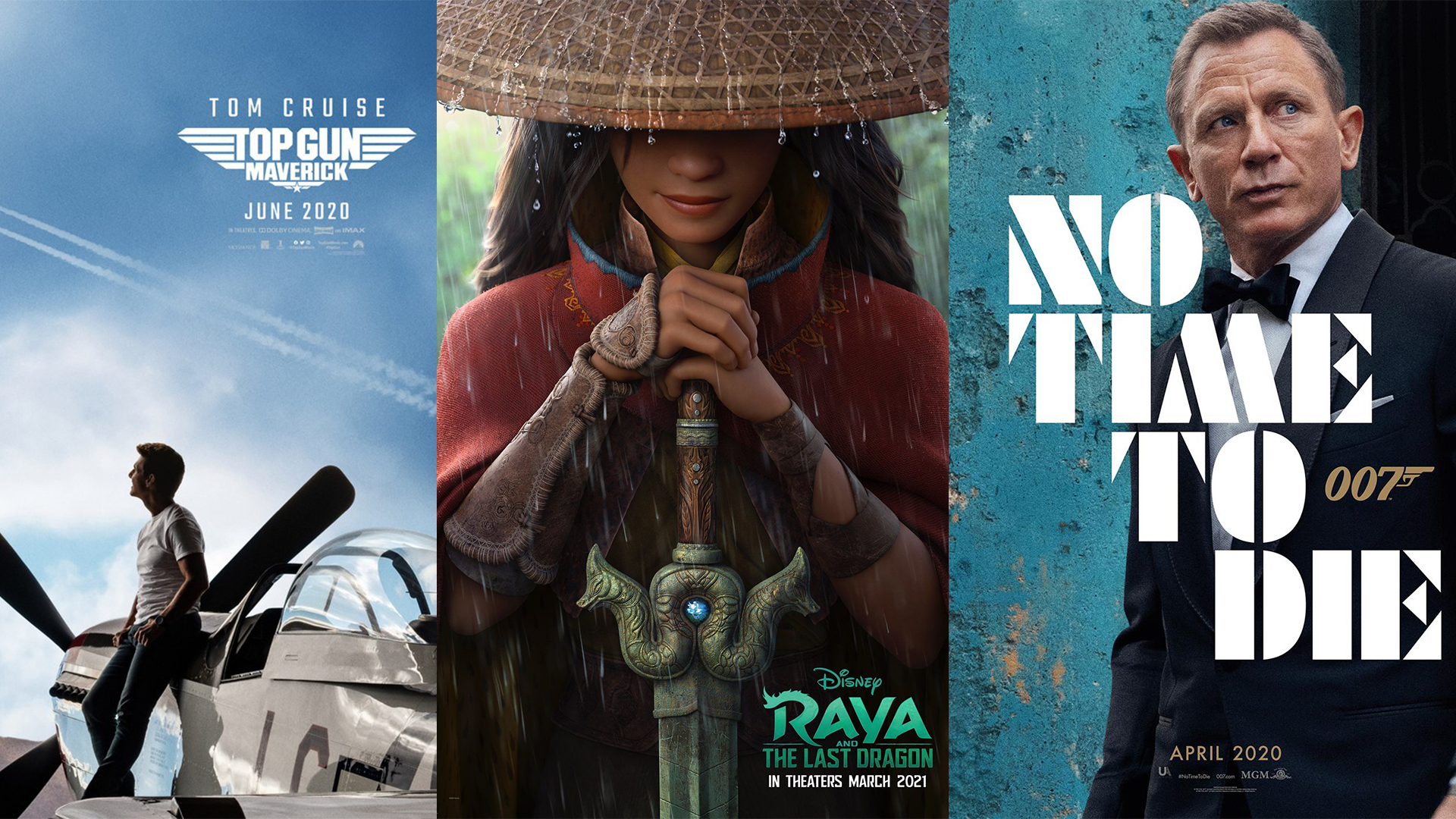
Other major contributors to the box office recovery included No Time to Die, which served as Daniel Craig's final outing as James Bond, and F9: The Fast Saga. These films prioritized theatrical windows, helping to stabilize a struggling exhibition sector. However, the total global box office for 2021 still trailed significantly behind 2019 levels, illustrating a permanent shift in consumer habits and the increased competition from home entertainment.
The Streaming Revolution and Hybrid Release Strategies
If 2020 was the year streaming became a necessity, 2021 was the year it became a standard distribution pillar. The industry witnessed an unprecedented experiment in "day-and-date" releases, where films were made available in theaters and on streaming platforms simultaneously.
Warner Bros. led this charge with its "Project Popcorn" initiative, releasing its entire 2021 slate—including Dune, The Matrix Resurrections, and The Suicide Squad—on HBO Max at the same time as their theatrical debuts. While this strategy boosted streaming subscriptions, it sparked significant controversy among filmmakers and actors regarding compensation and the preservation of the theatrical experience. Directors like Denis Villeneuve and Christopher Nolan were vocal critics of this shift, arguing that it devalued the cinematic craft.
Disney followed a similar, albeit more selective, path with its "Premier Access" model on Disney+. Titles like Black Widow and Jungle Cruise were offered for an additional fee alongside their theatrical runs. This led to a high-profile legal dispute with actress Scarlett Johansson, which was eventually settled but highlighted the growing pains of a digital-first industry. By 2026, we can look back and see that these 2021 experiments directly informed the current "windowing" standards, where most films now enjoy a 45-day exclusive theatrical run before hitting digital platforms.
Critical Acclaim and Award Winners: The Best of 2021
While blockbusters kept the lights on, the 2021 film cycle was also a banner year for prestige cinema and artistic exploration. The awards season was dominated by films that tackled complex themes of family, grief, and societal shifts.
The standout story of the year was CODA, which premiered at the Sundance Film Festival. After being acquired by Apple TV+, it went on a historic run, eventually winning the Academy Award for Best Picture. This marked the first time a film distributed by a streaming service won the top prize, signaling a definitive change in the hierarchy of Hollywood power. The film was praised for its authentic representation of the Deaf community and its heartwarming narrative.
Jane Campion's The Power of the Dog was another critical titan, earning 12 Oscar nominations. Campion became the third woman to win the Academy Award for Best Director, cementing the film's place as a modern Western masterpiece. Other notable critical successes included:
- Belfast: Kenneth Branagh’s semi-autobiographical look at The Troubles in Northern Ireland.
- Drive My Car: A Japanese drama directed by Ryusuke Hamaguchi that became an international sensation, winning Best International Feature Film.
- Licorice Pizza: Paul Thomas Anderson’s nostalgic journey through the San Fernando Valley in the 1970s.
Major Genres and Cinematic Trends in 2021
The 2021 film year saw a resurgence in several key genres, most notably science fiction and the movie musical.
The Return of Epic Science Fiction
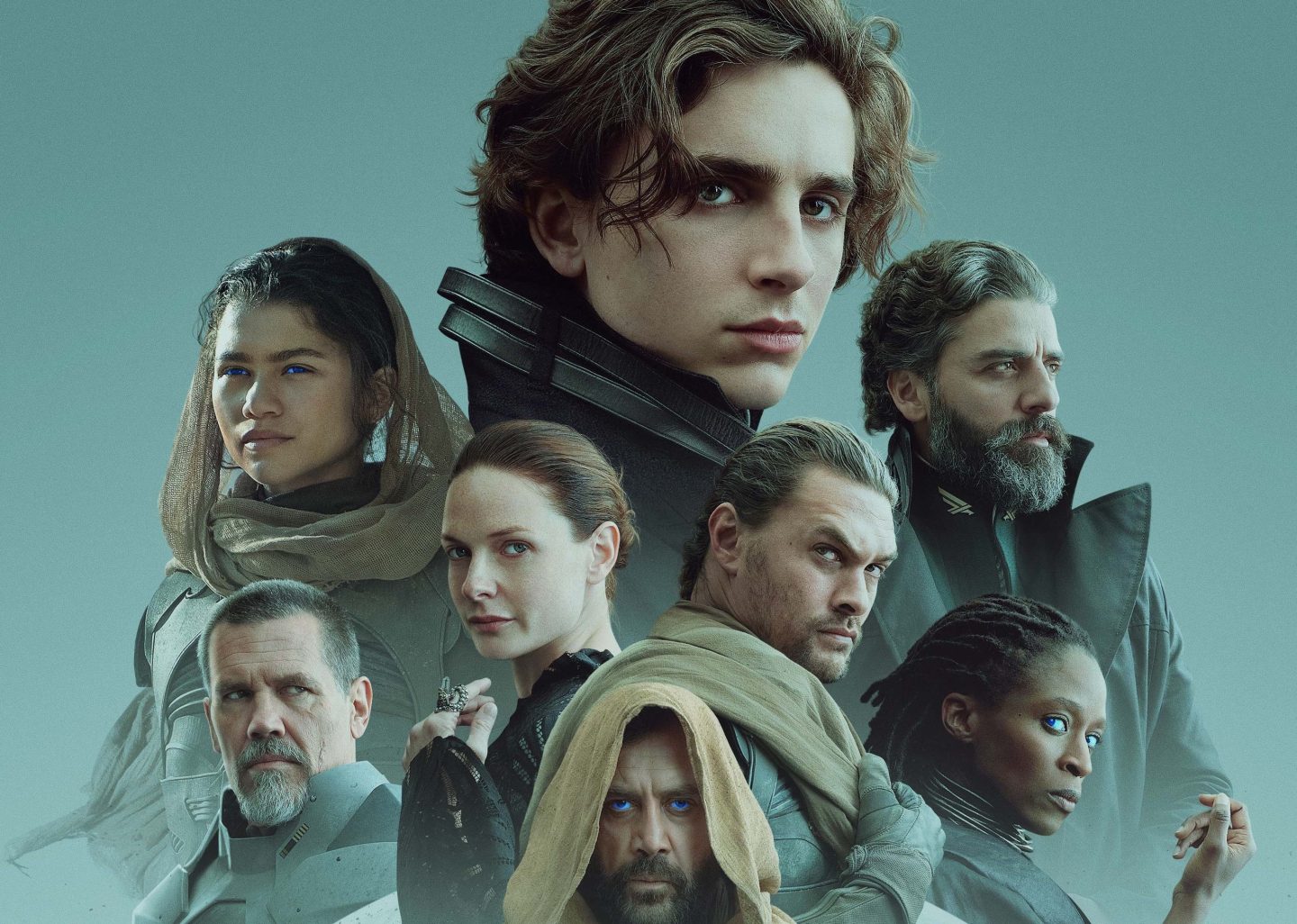
The release of Dune: Part One was a watershed moment for high-concept sci-fi. Tasked with adapting Frank Herbert’s notoriously "unfilmable" novel, Denis Villeneuve succeeded by focusing on world-building and visual scale. The film's success ensured the production of its sequels and proved that audiences were hungry for mature, sophisticated science fiction.
The Year of the Musical
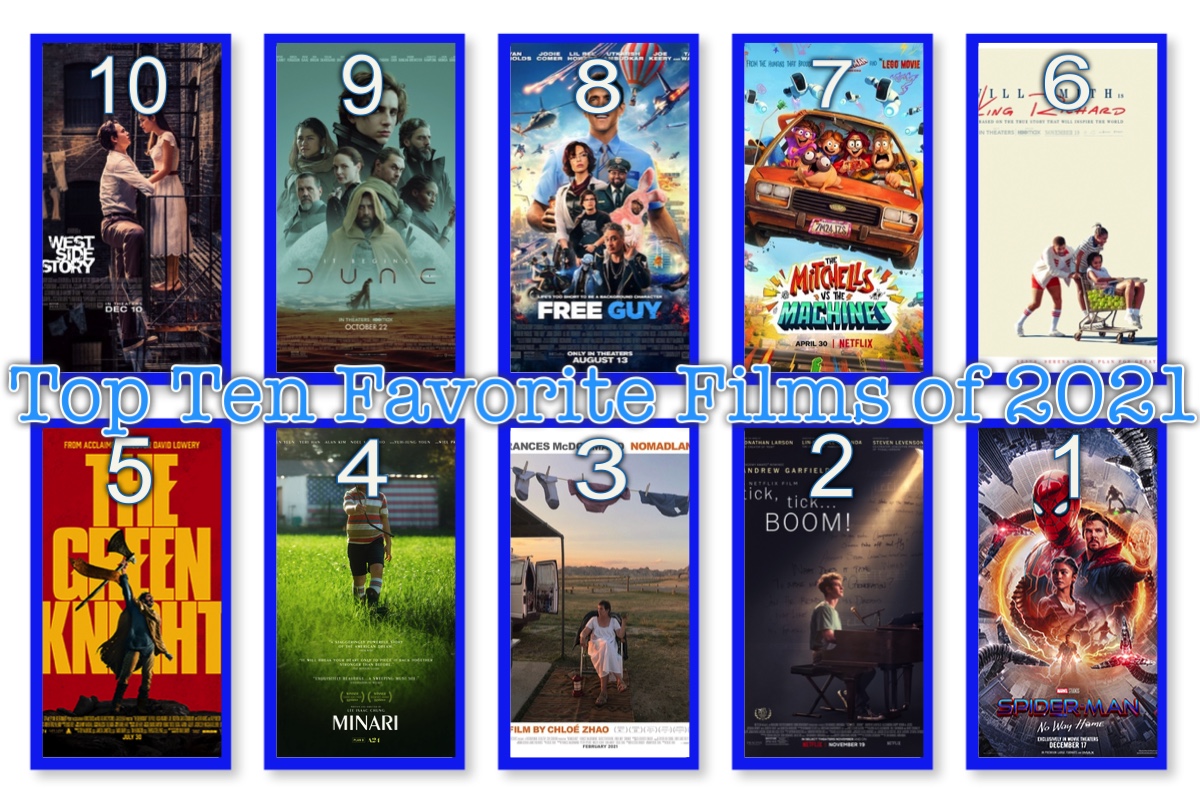
2021 was an unusually dense year for musicals. Steven Spielberg’s reimagining of West Side Story received widespread acclaim for its choreography and technical prowess, even if it struggled to find a massive audience at the box office. Meanwhile, Lin-Manuel Miranda had a prolific year, with the release of In the Heights, the animated hit Encanto (featuring the chart-topping "We Don't Talk About Bruno"), and his directorial debut Tick, Tick... Boom!.
Horror’s Reliable Performance
Horror continued to be the most reliable genre for theatrical returns. Films like A Quiet Place Part II and Candyman performed well, benefiting from lower budgets and a dedicated fan base that preferred the communal experience of a theater.
Comparative Analysis of Major 2021 Film Releases
The following table compares key metrics and outcomes for some of the most influential films released in 2021.
| Film Title | Director | Primary Distribution Model | Global Box Office (Approx.) | Key Award/Milestone |
|---|---|---|---|---|
| Spider-Man: No Way Home | Jon Watts | Theatrical Exclusive | $1.9 Billion | Highest-grossing film of the pandemic era |
| CODA | Sian Heder | Streaming (Apple TV+) | N/A (Limited) | Academy Award for Best Picture |
| Dune | Denis Villeneuve | Hybrid (Theatrical/HBO Max) | $402 Million | Won 6 Academy Awards (Technical) |
| No Time to Die | Cary Joji Fukunaga | Theatrical Exclusive | $774 Million | Highest-grossing Hollywood film in 2021 internationally |
| The Power of the Dog | Jane Campion | Streaming (Netflix) | N/A (Limited) | Academy Award for Best Director |
| Drive My Car | Ryusuke Hamaguchi | Theatrical | $15 Million | First Japanese film nominated for Best Picture |
The Cultural Impact and Legacy of 2021 Cinema
The legacy of 2021 in film is defined by the permanent acceleration of industry trends. It was the year that "streaming" ceased to be a secondary market and became the primary destination for many of the world's best storytellers. The success of international titles like Drive My Car and the viral popularity of international content on platforms like Netflix (such as the 2021 series Squid Game, which influenced the film climate) showed a growing American appetite for non-English language cinema.
Furthermore, 2021 solidified the importance of representation. From the diverse cast of Marvel's Eternals and Shang-Chi and the Legend of the Ten Rings to the authentic casting in CODA and West Side Story, the industry made visible strides toward inclusivity. While the theatrical model was forced to evolve, 2021 proved that the desire for cinematic storytelling remained undiminished, even if the "where" and "how" of consumption had changed forever.
FAQ
What was the highest-grossing film of 2021?
Spider-Man: No Way Home was the highest-grossing film of 2021, earning nearly $1.9 billion worldwide. It was a cultural phenomenon that reunited three generations of Spider-Man actors, making it an essential theatrical event that transcended the limitations of the pandemic-era box office.
Which movie won Best Picture at the Oscars for 2021?
CODA won the Academy Award for Best Picture at the 94th Academy Awards (held in 2022, honoring 2021 films). It made history as the first film from a streaming service (Apple TV+) to win the award and the first film featuring a predominantly Deaf cast to win the top prize.
Why did many 2021 films release on streaming and in theaters at the same time?
Studios utilized "hybrid releases" primarily due to the COVID-19 pandemic. With theater capacity limited and audience attendance unpredictable, companies like Warner Bros. and Disney used these releases to bolster their streaming platforms (HBO Max and Disney+) and provide a safe viewing option for audiences.
Who was the most successful director of 2021?
While success is subjective, Jane Campion was the most critically recognized director of 2021 for The Power of the Dog, winning the Oscar for Best Director. From a commercial standpoint, Jon Watts achieved the most success by helming Spider-Man: No Way Home.
Did James Bond's 'No Time to Die' release in 2021?
Yes, after multiple delays starting in early 2020, No Time to Die was finally released in October 2021. It was a significant box office success, particularly in international markets, and served as the emotional conclusion to Daniel Craig's tenure as 007.
Navigating the 2021 Film Catalog Today
For viewers looking to explore the best of 2021 from a 2026 perspective, the "must-watch" list remains consistent. To understand the shift in modern blockbuster filmmaking, start with Dune and Spider-Man: No Way Home. For those interested in the emotional and artistic height of the year, CODA and The Power of the Dog are essential viewing.
Most 2021 titles are now permanent fixtures on major streaming libraries. If you are seeking a complete collection, verify which studio produced the film: Disney and Marvel titles are on Disney+, Warner Bros. and DC titles are on Max, and many indie hits are distributed across Netflix, Apple TV+, and Hulu. Viewing these films today provides a unique window into a year when the world was beginning to move forward, and cinema was the medium that helped us make sense of the change.