The 2020 Summer Olympics, held in Tokyo, Japan, in 2021 due to global delays, concluded with the United States leading the gold medal count with 39 victories, narrowly surpassing China's 38. This historic Olympiad featured 339 medal events across 33 sports, showcasing legendary performances from athletes like Caeleb Dressel and Emma McKeon.
The Final Medal Tally: Top Performing Nations
The competition for the top of the podium at the Tokyo 2020 Games remained uncertain until the final day of competition. The United States eventually secured the first position in the gold medal standings, a testament to their depth across swimming, athletics, and team sports. This victory marked the third consecutive Summer Games where the U.S. topped the gold medal count.
China followed closely in second place, demonstrating immense strength in diving, weightlifting, and table tennis. China led the gold count for much of the second week, only to be overtaken in the final hours by the U.S. women’s basketball and volleyball teams. Japan, as the host nation, achieved its best-ever Olympic performance, finishing third with 27 gold medals, largely fueled by dominance in newly introduced sports like skateboarding and the traditional powerhouse of judo.
The 2020 Games were also notable for the diversity of gold medal distribution. Athletes from 65 different nations won at least one gold medal, and 93 nations won medals of any color. This global spread highlighted the increasing competitiveness of international sports, with nations like Great Britain and the Russian Olympic Committee (ROC) maintaining their status as elite sporting powers finishing in the top five.
Individual Stars: Athletes with the Most Gold Medals
The Tokyo 2020 Games served as a platform for several athletes to enter the pantheon of Olympic greats. Swimming was the primary driver for multi-medalists, thanks to the high frequency of events and relays.
Caeleb Dressel (USA) emerged as the most successful male athlete of the Games, securing five gold medals. His victories came in the 50m freestyle, 100m freestyle, 100m butterfly, and two team relays. Dressel’s performance was characterized by his explosive starts and technical precision, solidifying his role as the successor to Michael Phelps in American swimming.
On the women’s side, Emma McKeon (Australia) made history by winning seven medals in a single Games, four of which were gold. Her victories in the 50m and 100m freestyle, along with two relay golds, tied her for the most medals won by a female athlete at a single Olympic Games. Fellow Australian Kaylee McKeown also dominated the backstroke events, taking home three gold medals.
Beyond the pool, other multi-gold winners included An San (South Korea), who became the first archer to win three gold medals at a single Olympics since the introduction of the mixed team event. These individual performances are often what define the "highlights" for viewers, as they represent the pinnacle of human athletic achievement over a grueling two-week period.
Key Discipline Highlights: Athletics and Gymnastics
Athletics (Track and Field) and Gymnastics remain the centerpiece of the Olympic program, and the 2020 Games delivered several era-defining moments.
In Athletics, the men’s 400m hurdles saw Karsten Warholm (Norway) shatter the world record in what is widely considered one of the greatest races in Olympic history. Warholm clocked 45.94 seconds, a time previously thought impossible for the distance. Similarly, Sydney McLaughlin-Levrone (USA) broke her own world record to take gold in the women’s 400m hurdles. Elaine Thompson-Herah (Jamaica) achieved a historic "double-double," defending her 100m and 200m titles from Rio 2016, a feat never before accomplished by a female sprinter.
Gymnastics was marked by both unexpected triumphs and significant conversations regarding athlete mental health. After Simone Biles withdrew from several events to prioritize her well-being, Sunisa Lee (USA) stepped up to win the women’s individual all-around gold. On the men’s side, Daiki Hashimoto (Japan) continued the host nation’s legacy in the sport by winning the individual all-around and the horizontal bar, cementing his status as the new face of men’s gymnastics following the retirement of Kohei Uchimura.
Historic Firsts and New Olympic Disciplines
The Tokyo 2020 Games introduced several new sports designed to appeal to a younger demographic: skateboarding, surfing, sport climbing, and karate. These additions provided some of the most refreshing highlights of the event.
Skateboarding saw some of the youngest champions in Olympic history. Momiji Nishiya (Japan) won the women’s street gold at just 13 years old. The inaugural surfing gold medals were won by Italo Ferreira (Brazil) and Carissa Moore (USA), with the competition held at Tsurigasaki Beach. These sports brought a different culture and aesthetic to the Games, emphasizing lifestyle and community alongside competitive excellence.
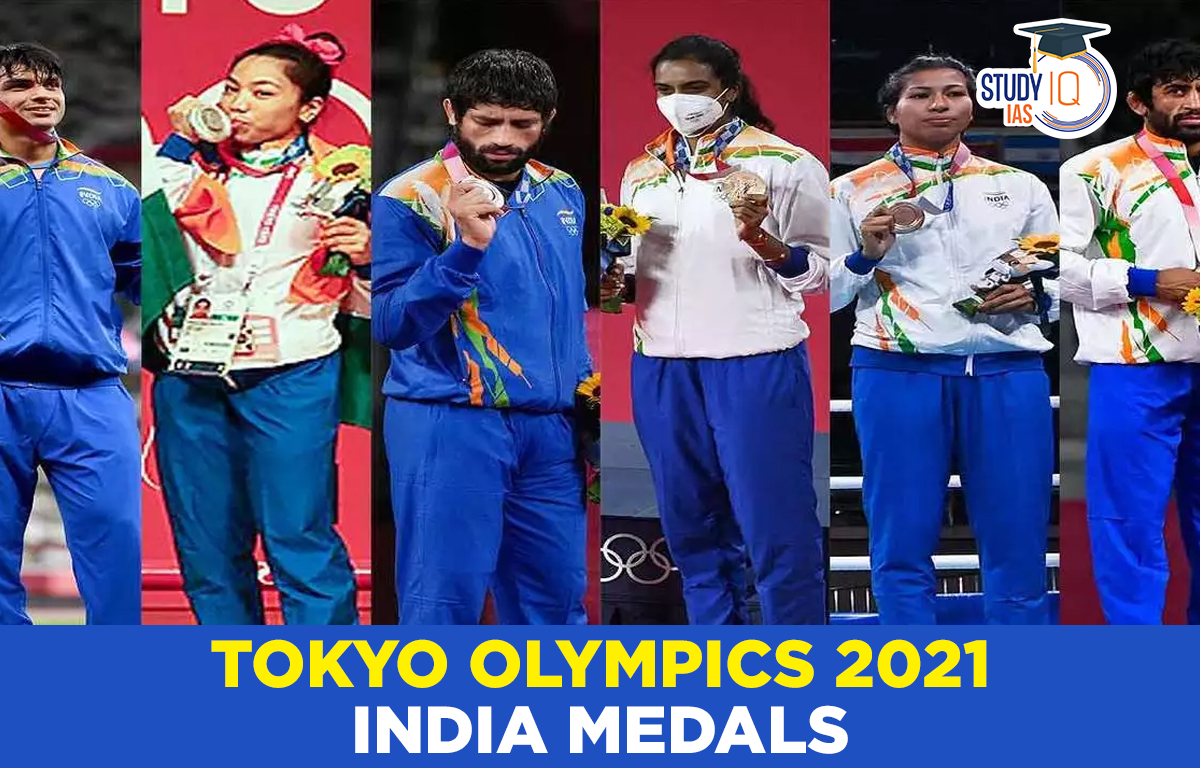
Additionally, several nations celebrated their first-ever Olympic gold medals. Hidilyn Diaz won the Philippines' first gold in weightlifting, while Flora Duffy secured Bermuda’s first gold in the triathlon. Neeraj Chopra made history for India by winning the javelin throw, marking the country’s first-ever gold medal in track and field. These victories often carry more weight than those of established powerhouses, as they inspire entire generations in countries with developing sporting infrastructures.
Summary Table of Major 2020 Gold Medalists
The following table highlights key gold medal winners across a variety of high-profile disciplines. These athletes represent the broad spectrum of talent present at the Tokyo 2020 Games.
| Athlete / Team | Nation | Sport | Event |
|---|---|---|---|
| Caeleb Dressel | USA | Swimming | 100m Butterfly (WR) |
| Emma McKeon | Australia | Swimming | 100m Freestyle |
| Karsten Warholm | Norway | Athletics | 400m Hurdles (WR) |
| Elaine Thompson-Herah | Jamaica | Athletics | 100m Sprint |
| Neeraj Chopra | India | Athletics | Men's Javelin |
| Sunisa Lee | USA | Gymnastics | Women's All-Around |
| Daiki Hashimoto | Japan | Gymnastics | Men's All-Around |
| Carissa Moore | USA | Surfing | Women's Shortboard |
| Italo Ferreira | Brazil | Surfing | Men's Shortboard |
| Hidilyn Diaz | Philippines | Weightlifting | Women's 55kg |
| Viktor Axelsen | Denmark | Badminton | Men's Singles |
| Canada Women's Team | Canada | Football | Women's Soccer |
| USA Men's Team | USA | Basketball | Men's Basketball |
Looking Back from 2026: The Legacy of Tokyo 2020
Writing from the perspective of 2026, the Tokyo 2020 Games are remembered as a triumph of resilience. Held under strict COVID-19 protocols without public spectators, the Games proved that the Olympic movement could adapt to unprecedented global challenges. The absence of fans led to a unique atmosphere where the sounds of the athletes—their breathing, their communication, and their raw emotions—were more audible than ever before.
Since 2021, many of the gold medalists from Tokyo have transitioned into legendary status. We saw many of these stars return for the Paris 2024 Games, where the "Tokyo Generation" continued to dominate. The technological advancements debuted in Tokyo, such as the "super spikes" in track and the high-speed 5G broadcasting, have now become the industry standard for sporting events in 2026.
The emphasis on athlete mental health, sparked by Simone Biles and Naomi Osaka during the 2020 cycle, has fundamentally changed how sporting federations support their competitors today. The Tokyo 2020 Games were not just a list of winners; they were a turning point for the modernization and humanization of elite sports.
Frequently Asked Questions (FAQs)
Which country won the most gold medals at the 2020 Olympics?
The United States won the most gold medals, finishing with a total of 39. China followed closely with 38 gold medals, and Japan finished in third place with 27. The U.S. victory was secured on the final day of competition through wins in women's basketball, volleyball, and track events.
Who won the most individual gold medals in Tokyo 2020?
American swimmer Caeleb Dressel won the most individual gold medals, with five titles in the 50m freestyle, 100m freestyle, 100m butterfly, 4x100m freestyle relay, and 4x100m medley relay. On the women's side, Emma McKeon of Australia was the most successful, taking home four gold medals.
What new sports were added to the 2020 Olympic program?
The International Olympic Committee (IOC) added five new sports to the Tokyo 2020 program: skateboarding, surfing, sport climbing, karate, and baseball/softball (which returned after a hiatus). These sports were introduced to increase the Games' appeal to younger audiences and urban environments.
Did any athletes break world records during the 2020 Games?
Yes, multiple world records were broken, particularly in swimming and athletics. Notable records included Karsten Warholm in the 400m hurdles, Sydney McLaughlin-Levrone in the women's 400m hurdles, and the United States in the men's 4x100m medley relay in the pool. The track at Tokyo's Olympic Stadium was specifically noted for its "fast" surface.
Which athlete won India's first-ever gold medal in track and field?
Neeraj Chopra won the gold medal in the men's javelin throw with a distance of 87.58 meters. This was a historic moment as it was the first time an Indian athlete had ever won a gold medal in an athletics event at the Olympic Games.
Accessing Official Historical Records
For those seeking the exhaustive, event-by-event list of every gold, silver, and bronze medalist, the Official Olympics Results Archive remains the primary source of truth. This database provides detailed statistics, heat times, and judge scores for every athlete who participated.
Researchers and fans should also consult the World Athletics and World Aquatics databases for specific technical breakdowns of the performances in Tokyo. As we look toward future Olympiads, these records serve as the benchmark for the next generation of athletes striving to etch their names into Olympic history.