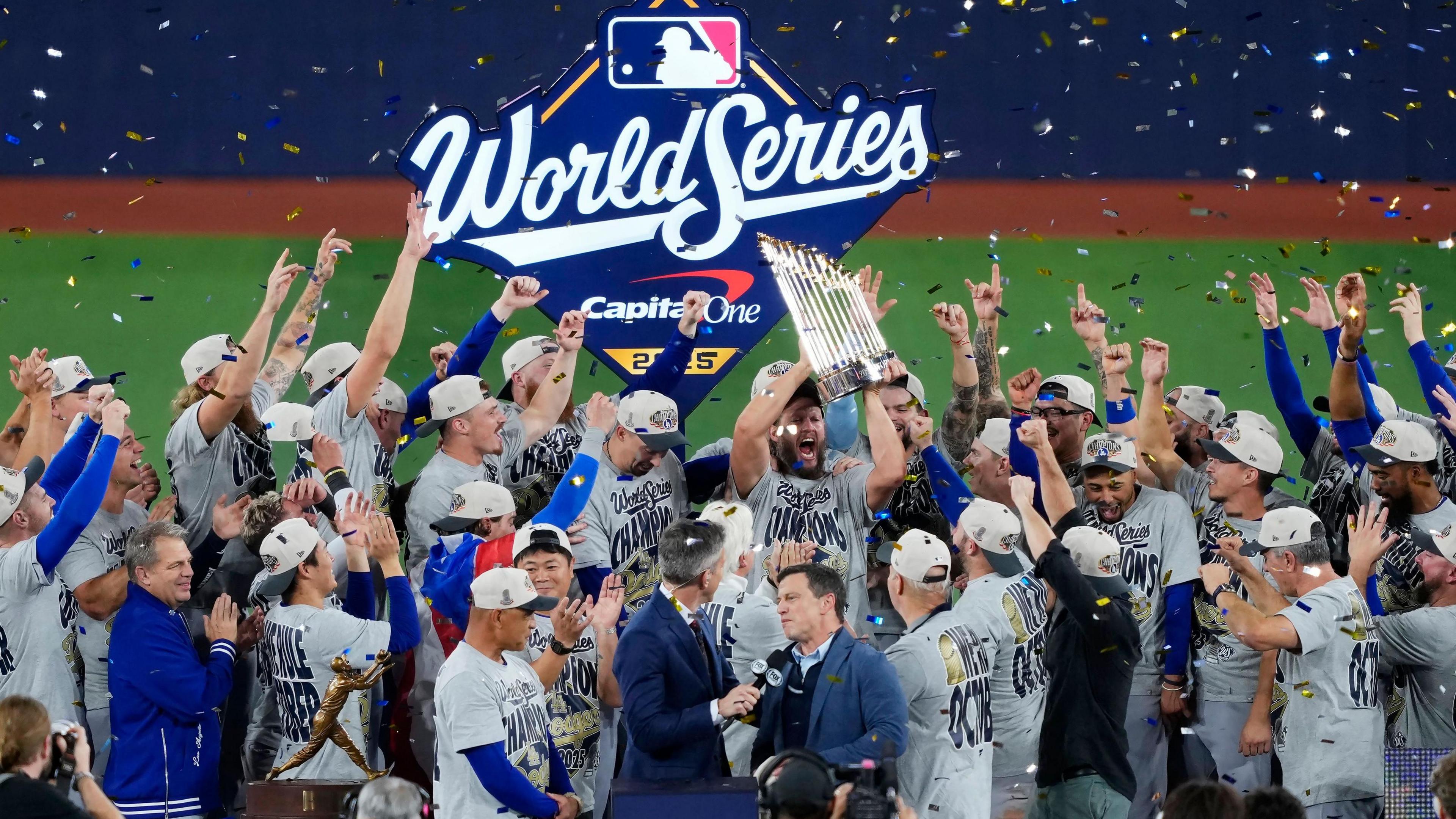
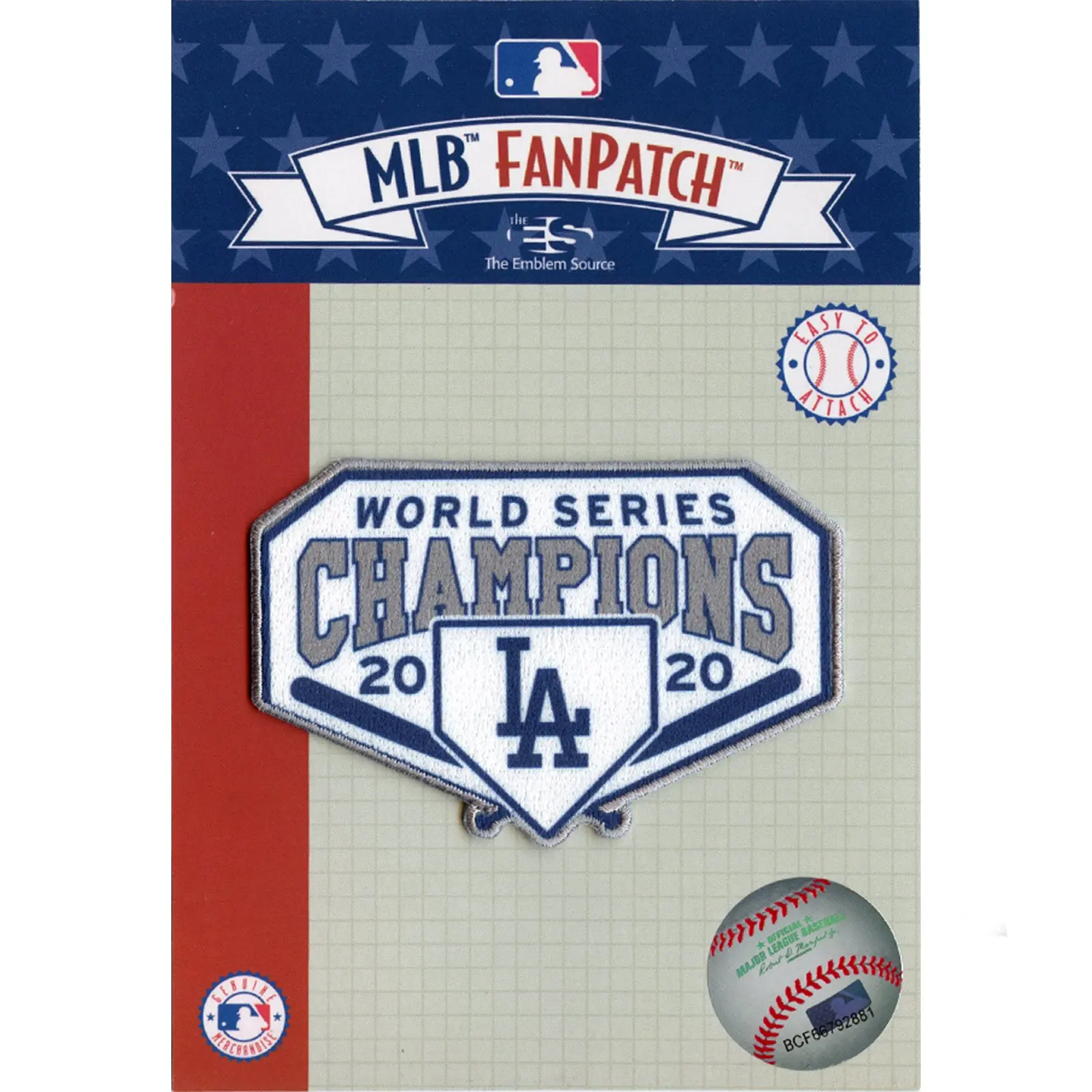
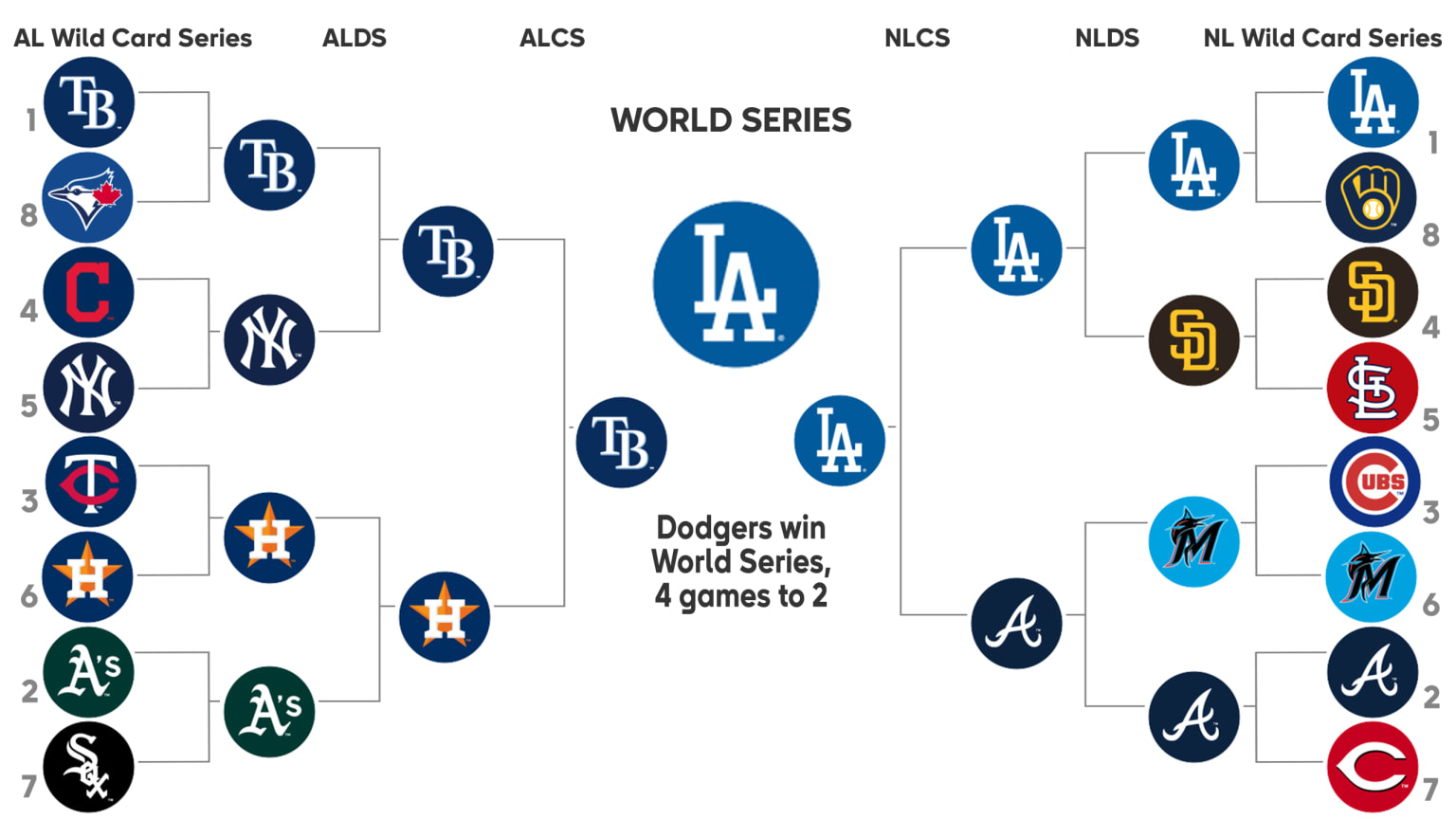
The 2020 MLB World Series saw the Los Angeles Dodgers defeat the Tampa Bay Rays four games to two to claim their first championship since 1988. Played entirely at the neutral site of Globe Life Field in Arlington, Texas, the series concluded on October 27, 2020, with Dodgers shortstop Corey Seager earning World Series MVP honors.
The Unprecedented Context of the 2020 Season
The 2020 Major League Baseball season remains one of the most anomalous periods in the history of professional sports. Due to the global COVID-19 pandemic, the standard 162-game schedule was compressed into a frantic 60-game "sprint" that did not begin until late July. This shortened window necessitated significant rule changes, including the universal designated hitter, seven-inning doubleheaders, and the "man on second" rule for extra innings.
To minimize travel and potential exposure, the postseason was expanded to 16 teams and eventually moved into "bubbles." The World Series was held at the newly opened Globe Life Field, marking the first time the Fall Classic was played at a neutral site in the modern era. Attendance was strictly limited to approximately 11,000 fans per game, creating a surreal atmosphere where the echoes of the ball hitting the catcher's mitt were audible even on the television broadcast.
From a technical perspective, the 2020 season tested the depth of every roster. Teams had to manage pitching rotations with almost no margin for error. The Los Angeles Dodgers and the Tampa Bay Rays emerged as the two best teams in their respective leagues, finishing the regular season with the highest winning percentages. This set the stage for a rare No. 1 vs. No. 1 seed matchup in the World Series, pitting the high-payroll, star-studded Dodgers against the analytically driven, budget-conscious Rays.
The Road to the Fall Classic
The path to Arlington was fraught with obstacles for both organizations. The Dodgers, led by manager Dave Roberts, entered the season with immense pressure after years of postseason disappointment. Their acquisition of Mookie Betts in the offseason was a clear signal of "championship or bust" intent. After breezing through the Wild Card Series and the NLDS, they faced a grueling seven-game battle against the Atlanta Braves in the NLCS, overcoming a 3-1 series deficit to clinch their spot in the World Series.
The Tampa Bay Rays, managed by Kevin Cash, utilized a revolutionary approach to run prevention. They relied heavily on a deep bullpen—famously nicknamed "The Stable"—and a rotating cast of versatile defenders. In the postseason, they were propelled by the historic performance of rookie Randy Arozarena, who set records for most home runs (10) and hits (29) in a single postseason. The Rays defeated the New York Yankees in a five-game ALDS and outlasted the Houston Astros in a seven-game ALCS to reach their second World Series in franchise history.
Game-by-Game Series Breakdown
The series was a tactical chess match between Roberts and Cash, characterized by high-velocity pitching and clutch hitting. Below is the chronological progression of the six-game set.
Games 1 and 2: Setting the Tone
In Game 1, Clayton Kershaw delivered a vintage performance, silencing critics who questioned his postseason reliability. Kershaw threw six dominant innings, striking out eight and allowing only one run. The Dodgers' offense, sparked by a Cody Bellinger home run and aggressive baserunning by Mookie Betts, secured an 8-3 victory.
The Rays responded in Game 2 with a 6-4 win. Brandon Lowe, who had struggled for much of the postseason, broke out with two home runs. The Rays' bullpen managed to hold off a late Dodgers rally, evening the series and proving that Tampa Bay’s pitching depth could withstand the Los Angeles lineup.
Games 3 and 4: Momentum Shifts
Game 3 saw Walker Buehler take the mound for Los Angeles. Buehler was electric, recording 10 strikeouts over six innings while allowing only three hits. The Dodgers took a 6-2 win, fueled by a Max Muncy RBI single and a solo blast by Justin Turner.
Game 4 is remembered as one of the wildest finishes in World Series history. With the Dodgers leading 7-6 in the bottom of the ninth and two outs, the Rays' Brett Phillips—a bench player with limited plate appearances—hit a single to center field. A series of defensive blunders by the Dodgers, including a bobble by Chris Taylor and a missed catch by catcher Will Smith, allowed Randy Arozarena to score the winning run after he had initially tripped and fallen between third and home. The 8-7 Rays victory tied the series at 2-2.
Games 5 and 6: The Clincher
In Game 5, Kershaw returned to the mound and provided another steady performance, pitching 5.2 innings and surrendering two runs. Key home runs from Joc Pederson and Max Muncy helped the Dodgers win 4-2, putting them one win away from the title.
Game 6 became the defining moment of the series. Rays starter Blake Snell was pitching a masterpiece, striking out nine Dodgers and allowing only two hits through 5.1 innings. However, after Snell gave up a single to Austin Barnes in the sixth, Kevin Cash opted to pull his ace—a decision based on the organizational philosophy of avoiding a pitcher facing a lineup for the third time. The move backfired immediately. Nick Anderson entered the game and surrendered a double to Mookie Betts, followed by a wild pitch and a fielder's choice that gave the Dodgers the lead. Los Angeles won 3-1, securing the championship.
| Game | Date | Result | Score | Notable Performance |
|---|---|---|---|---|
| 1 | Oct 20 | LAD Win | 8-3 | Clayton Kershaw: 6 IP, 8 K, 1 ER |
| 2 | Oct 21 | TB Win | 6-4 | Brandon Lowe: 2 HR, 3 RBI |
| 3 | Oct 23 | LAD Win | 6-2 | Walker Buehler: 6 IP, 10 K, 0 ER |
| 4 | Oct 24 | TB Win | 8-7 | Brett Phillips: Walk-off RBI single |
| 5 | Oct 25 | LAD Win | 4-2 | Clayton Kershaw: 5.2 IP, 2 ER |
| 6 | Oct 27 | LAD Win | 3-1 | Mookie Betts: Go-ahead run and HR |
The Controversial Turning Point: The Blake Snell Decision
The decision to remove Blake Snell in Game 6 remains a flashpoint in the debate between traditional scouting and modern analytics. At the time of his removal, Snell had thrown only 73 pitches and appeared to be in total command. The "Third Time Through the Order" (TTTO) penalty is a statistically documented phenomenon where a pitcher’s effectiveness drops significantly as hitters see them more frequently in a single game.
Kevin Cash’s decision was consistent with the strategy that brought the Rays to the World Series, but it ignored the "eye test" of Snell’s dominance that evening. The Dodgers' hitters later admitted they felt a collective sense of relief when Snell walked off the mound. This moment highlighted the tension in 2020s baseball: the struggle between rigid data-driven protocols and the human element of a high-stakes championship environment.
Statistical Leaders and Award Winners
Corey Seager was the clear choice for World Series MVP. Following his NLCS MVP performance, Seager hit .400 with two home runs and five RBIs in the World Series. His ability to drive the ball to all fields and his steady presence at shortstop anchored the Dodgers throughout the bubble residency.
On the Rays' side, Randy Arozarena concluded his historic run with a .364 average in the World Series and three home runs. His 10 total home runs in the 2020 postseason set a record that stood as a testament to one of the greatest individual months in baseball history. From a pitching perspective, Clayton Kershaw's two wins were monumental for his legacy, effectively silencing the narrative that he could not perform on the game’s biggest stage.
Legacy and Historical Significance
Writing from the perspective of 2026, the 2020 World Series is viewed as the catalyst for the Los Angeles Dodgers' modern dynasty. While some critics initially labeled it a "Mickey Mouse" championship due to the shortened season, the passage of time—and the Dodgers' subsequent success, including their 2024 title—has validated the 2020 trophy. The mental toll of the 2020 season, characterized by isolation and the pressure of a neutral-site bubble, is now recognized as one of the most difficult environments in which to win a championship.
Furthermore, the 2020 World Series accelerated the adoption of several technological and strategic trends. The use of neutral sites for championship rounds was briefly discussed for future seasons, though MLB ultimately returned to home-field advantage. The "opener" strategy and the heavy reliance on high-leverage relievers seen in this series became the blueprint for many mid-market teams attempting to compete with high-payroll giants.
Frequently Asked Questions
Why was the 2020 World Series played in Texas?
The series was held at Globe Life Field in Arlington, Texas, to create a "bubble" environment. This minimized travel during the COVID-19 pandemic and allowed MLB to control health and safety protocols more effectively. The neutral site also ensured that weather would not be a factor, as the stadium featured a retractable roof.
Who won the 2020 World Series MVP?
Corey Seager, the Dodgers' shortstop, won the World Series MVP. He became only the eighth player in history to win both the League Championship Series MVP and the World Series MVP in the same season, joining the likes of Orel Hershiser and Madison Bumgarner.
Was there a crowd at the 2020 World Series?
Yes, but it was limited. Approximately 11,388 fans were allowed into the 40,300-capacity Globe Life Field for each game. Tickets were sold in "pods" of four to ensure social distancing between groups, marking the first time fans attended any MLB games during the 2020 season.
What happened to Justin Turner in Game 6?
In a bizarre conclusion to the series, Dodgers third baseman Justin Turner was pulled from Game 6 in the 8th inning after his COVID-19 test results came back positive. Despite being in isolation, he famously returned to the field to participate in the trophy celebration and team photo, a move that sparked significant controversy at the time.
How many games did the 2020 World Series last?
The series lasted six games. The Dodgers won Games 1, 3, 5, and 6, while the Tampa Bay Rays won Games 2 and 4.
Recommendations for Further Research
For those looking to understand the technical nuances of the 2020 World Series, it is highly recommended to review the Statcast data provided by MLB Film Room or the detailed pitch-tracking logs on Baseball-Reference. Analyzing the spin rates and exit velocities from Game 6, specifically during the Snell-to-Anderson transition, provides a masterclass in how modern front offices evaluate real-time performance versus historical probability. Additionally, the documentary "2020 World Series: The Official Film" offers behind-the-scenes footage of the bubble environment that provides essential context to the players' psychological state during this unique championship run.