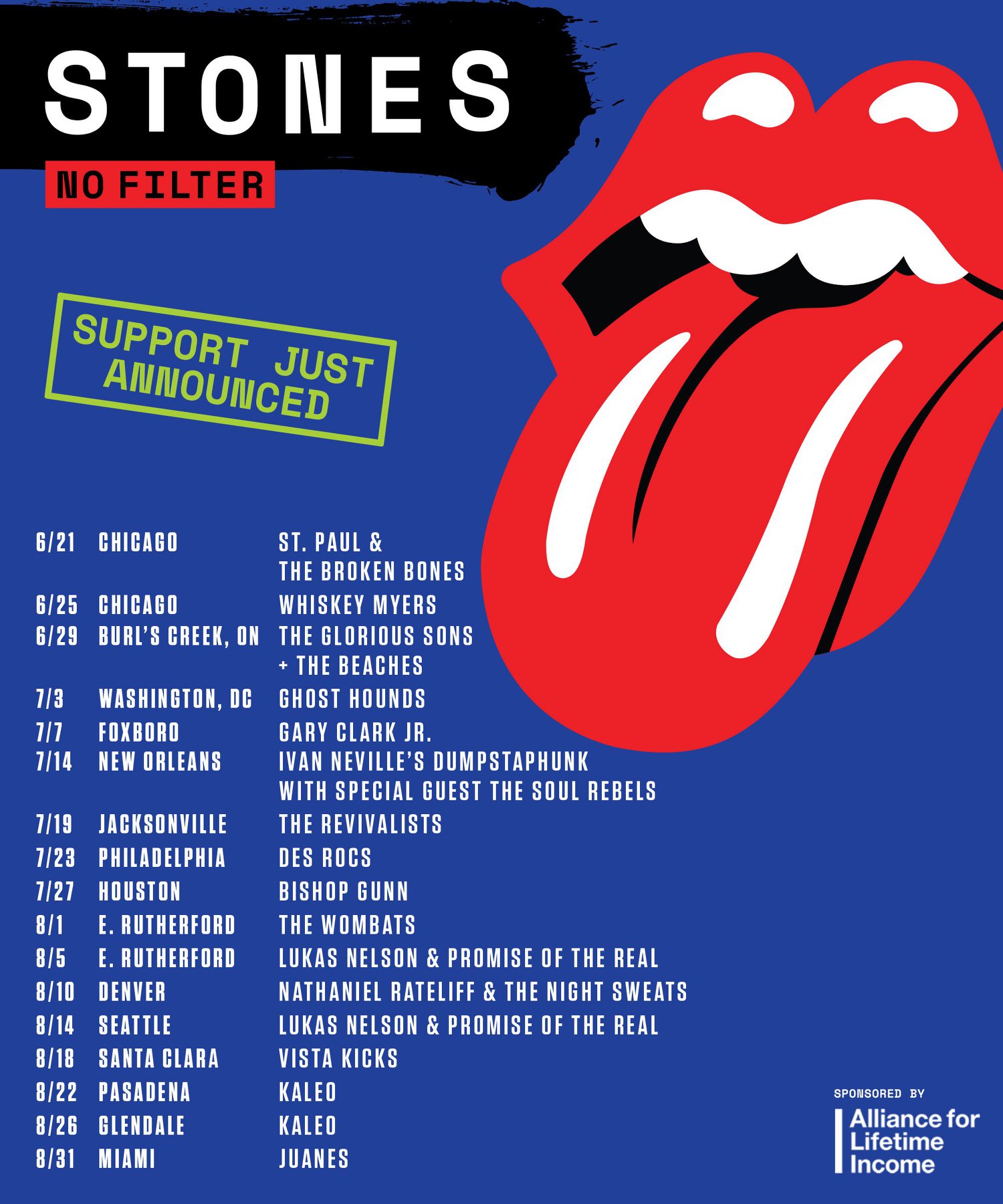
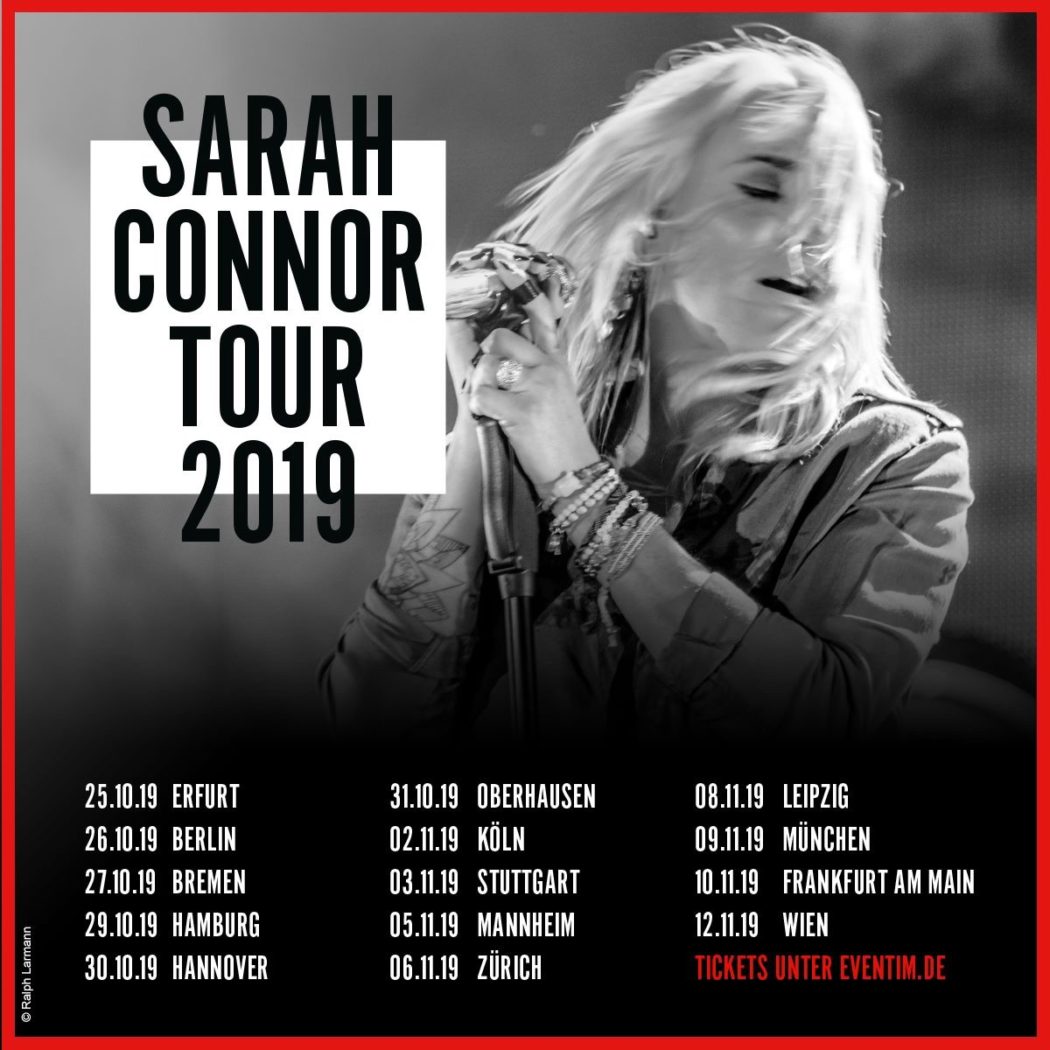
The term "2019 tour" refers to the global concert circuits and public exhibition series that defined the music and entertainment industry before the onset of the pandemic. These tours represent a benchmark for live event production, venue logistics, and fan engagement strategies, serving as a critical historical reference point for evaluating how the industry evolved in terms of ticket distribution, tour management, and live performance technology.
The Significance of Live Touring in 2019
The year 2019 was widely considered a peak period for the global touring industry. Major artists, including Ed Sheeran, P!nk, and Metallica, set historical records for ticket sales and gross revenue. For industry professionals, 2019 remains the "pre-baseline" year, providing the most accurate metric for what a standard, fully functional year of global touring looks like before the widespread operational shutdowns of the early 2020s.
During this period, the industry relied heavily on physical infrastructure, high-density crowd management, and international logistics. A major tour in 2019 typically involved a year-long planning cycle, complex multi-city freight operations, and standardized legal agreements across diverse international jurisdictions. The systems developed during this time—such as dynamic pricing models and global merchandising supply chains—continue to influence how tours are structured in 2026.
Logistics and Operational Prerequisites
Organizing a tour of this magnitude required meticulous planning centered on three primary pillars: venue availability, regional licensing, and human resources. Unlike smaller, local events, a professional 2019 tour necessitated the securing of large-scale arenas or stadiums, often booked 18 to 24 months in advance.
- Technical Requirements: Producers had to ensure that the physical site could accommodate load-in weights for stage rigging, power supply requirements for massive audio-visual arrays, and specific acoustic layouts.
- Regulatory Compliance: Each stop on a 2019 tour required a unique set of permits, including fire safety certifications, noise ordinances, and public safety compliance certificates.
- Financial Structuring: Touring acts operated on a "guarantee plus percentage" model, where the promoter provided a baseline fee, and the artist participated in the ticket sales revenue after expenses were recouped.
Comparative Analysis of Touring Metrics
When evaluating the success of a tour, industry experts focused on specific KPIs that differentiate a successful venture from an operational loss. The table below illustrates the typical metrics used to analyze performance during the 2019 cycle.
| Metric | Purpose | Importance for 2019 Standards |
|---|---|---|
| Gross Revenue | Total ticket sales before expenses | Primary indicator of market demand |
| Net Profit | Revenue minus venue, crew, and logistics | Measure of financial viability |
| Ticket Sell-Through | Percentage of seats sold per venue | Efficiency of marketing and pricing |
| Average Ticket Price | Median cost to the end consumer | Economic indicator of demographic reach |
| Load-in Time | Time required to set up technical gear | Critical for reducing labor costs |
Navigating Ticket Distribution and Consumer Access
In 2019, ticket distribution was dominated by a handful of primary ticketing agencies. Consumers accessed these tickets primarily through desktop and mobile platforms, relying on centralized databases. This era was marked by the rise of "verified fan" programs, designed to mitigate scalping and provide priority access to loyal followers.
The transition toward mobile-only ticketing, which became standard shortly after 2019, had its roots in the security protocols established during these tours. By shifting away from physical ticket stock, organizers were able to track attendance in real-time, reduce fraud, and collect granular data on consumer behavior—practices that are now standard operating procedures in 2026.
Managing Risks and Legal Contingencies
Legal and financial risk management in 2019 focused on traditional concerns such as weather-related cancellations, artist illness, and public liability. Tour managers carried robust insurance policies that covered "Force Majeure" events, though the interpretation of these clauses evolved significantly in subsequent years.
Liability for a 2019 tour was generally divided between the touring party and the venue management. Standard contracts mandated that venues maintain specific insurance coverage for public accidents, while the touring party insured their own equipment and the performance itself against interruption. The legal framework used in 2019 remains the foundation for modern entertainment contracts, serving as a template for venue liability and performance expectations.
Technological Innovations in Live Production
The 2019 touring cycle showcased significant advancements in stage production technology. LED screen resolution improved drastically, allowing for high-definition visuals visible from the back rows of massive stadiums. This era also saw the increased integration of automated rigging, where lighting and video rigs were moved in real-time by synchronized motors to create dynamic stage shapes.
Engineers and designers focused on efficiency, utilizing modular stage components that could be packed into standard shipping containers. This standardization was essential for long-haul international tours, where freight costs represent a significant percentage of the total operating budget. The techniques refined in 2019—such as "leapfrogging" stage crews to ensure the equipment arrived at the next city before the artists—remain vital for keeping complex productions on schedule.
Common Challenges and Troubleshooting
Even with meticulous planning, tours in 2019 frequently encountered logistical bottlenecks. Weather remained the most common factor for disruption, particularly for outdoor stadium performances.
- Venue Infrastructure Failures: Older stadiums occasionally lacked the power grid capacity to handle modern lighting arrays, necessitating the use of massive on-site diesel generators.
- Customs Delays: For international tours, navigating the "ATA Carnet" system (a document that allows for the temporary import of goods without duties) was a recurring hurdle that could jeopardize show times.
- Crew Burnout: Managing a touring party that traveled for months at a time required sophisticated human resource management, including health support and strict rotation schedules to prevent accidents caused by fatigue.
Frequently Asked Questions
What defined the standard of a major tour in 2019?
A major tour in 2019 was defined by its scale, typically involving massive logistical coordination across multiple countries, the use of large-scale, proprietary stage production equipment, and a sophisticated data-driven approach to ticket distribution and revenue generation.
Why is 2019 often used as a benchmark year?
It is considered a benchmark because it represents the last full year of unconstrained, high-capacity international live event operations before the systemic changes that occurred in subsequent years, providing a clear reference for historical trends and performance metrics.
How did ticket pricing work for these tours?
Most tours in 2019 utilized dynamic pricing, where ticket values were adjusted in real-time based on supply, demand, and secondary market activity, facilitated by centralized ticketing platforms that provided organizers with greater control over inventory.
What were the primary risks for tour operators in 2019?
The primary risks were logistical and environmental, including weather-related cancellations, customs delays for international equipment transport, and the high overhead costs associated with venue rentals and massive, specialized touring crews.
Next Steps for Historical Research
For those studying the logistics of the 2019 tour cycle, the recommended next step is to examine official industry trade publications and box office reporting records from that year. Reviewing the annual reports from major touring promoters provides a transparent look at the revenue splits and operational hurdles faced by high-profile productions. Researchers should prioritize primary documentation from organizations like the trade journal Pollstar, which maintains detailed archives of tour routing and financial performance data, to ensure a high level of accuracy when comparing 2019 standards with current 2026 industry practices.