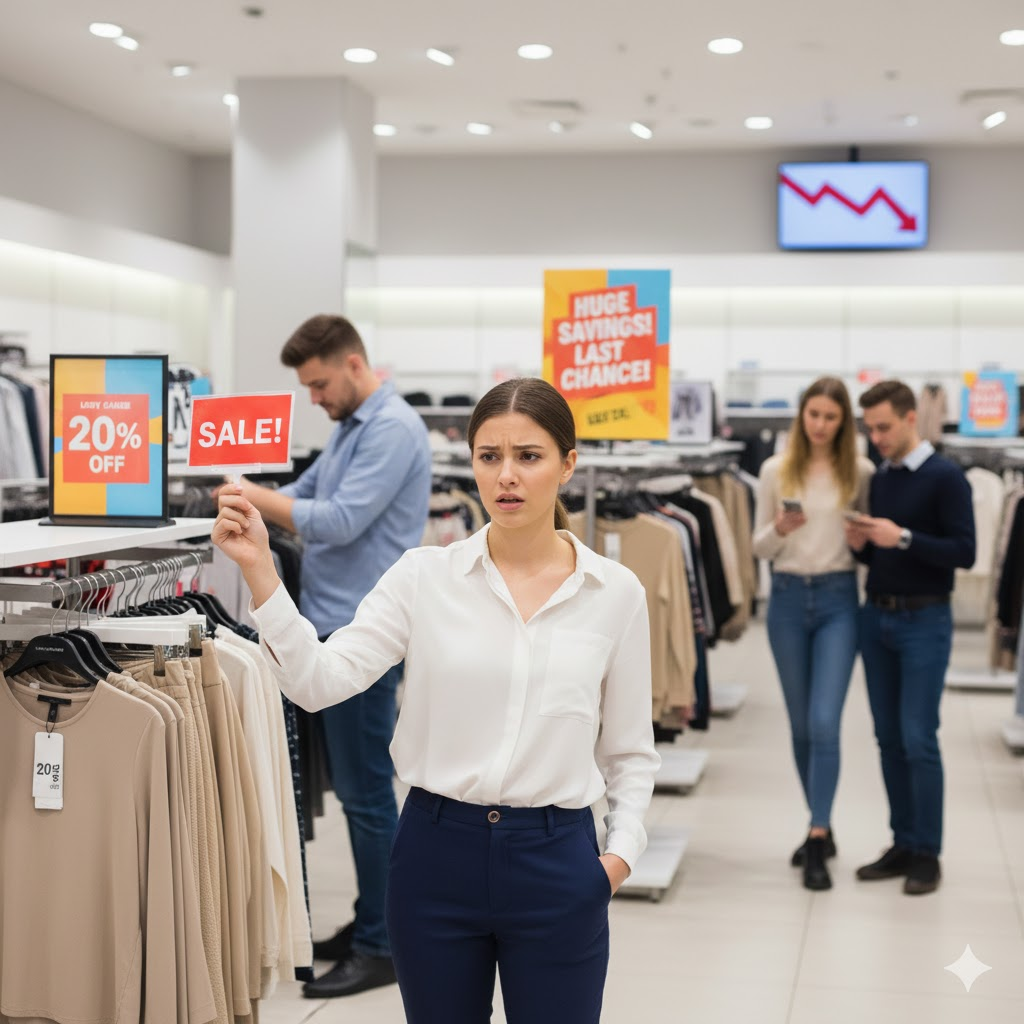
Retail promotions in 2019 marked a pivotal transition toward omnichannel execution, compressed calendar windows, and early-season discounting strategies. Faced with a shortened holiday shopping period between Thanksgiving and Christmas, retailers deployed aggressive pre-November promotional campaigns, integrated Buy Now, Pay Later (BNPL) solutions, and expanded digital counter-promotions around summer mid-year sales, setting enduring industry benchmarks for margin management.
The Strategic Landscape of Retail Promotions in 2019
The retail landscape in 2019 operated under unique macroeconomic and technological pressures. As digital penetration reached new highs and consumer expectations for fast, free delivery solidified, commercial merchants faced intense pressure to protect gross margins while maintaining market share. Rather than relying solely on storewide price-slashing, leading merchants shifted toward data-driven, targeted promotional structures designed to increase Average Order Value (AOV) and customer lifetime value.
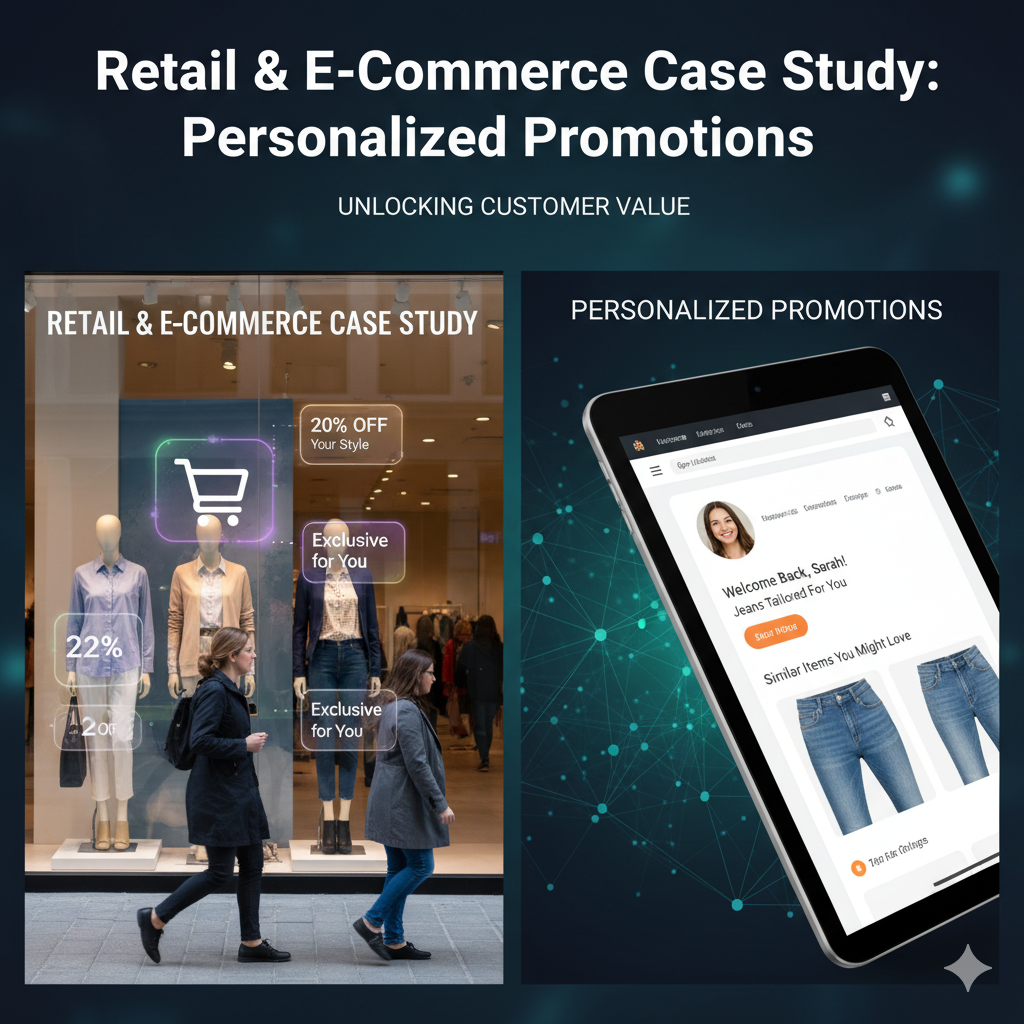
During this period, promotional strategies evolved from static, catalog-driven discounts into dynamic, personalized incentives. Retailers invested heavily in customer relationship management (CRM) platforms and machine learning pricing engines. These technologies allowed brands to segment audiences based on purchase history, browsing behavior, and price sensitivity. As a result, high-value customers often received exclusive loyalty rewards or early access to sales events, while price-conscious shoppers received targeted flash-sale invitations and abandon-cart discount codes.
Furthermore, 2019 served as a testing ground for direct-to-consumer (DTC) brands adjusting to rising digital acquisition costs. Many digitally native brands that historically avoided traditional discounting began experimenting with tier-based promotional thresholds (such as "Spend $100, Save $20") and product bundle offers. This shift illustrated a broader retail consensus: unconditional flat discounts damaged brand equity and eroded net profitability, whereas value-add promotional structures preserved perceived product quality while driving volume.
Key Promotional Events and Calendar Milestones
The 2019 promotional calendar was anchored by key major selling periods, each requiring tailored discount mechanics, inventory allocation strategies, and marketing communications across physical and digital channels.
- JULY 2019: Mid-Year Spike
- Prime Day 48-Hr
- Competitor Counter "Black Friday in July" Events
- SEPTEMBER 2019: Back-to-School Season
- Category-Specific Sales Bundling
- Tax-Free Weekend Promotions
- NOV - DEC 2019: Compressed Peak
- Early Nov "Creep"
- Cyber Week (BOPIS)
- Shipping Cutoff Promotions
Mid-Year Escalation: Amazon Prime Day and Counter-Promotions
In July 2019, Amazon expanded its signature Prime Day event into a full 48-hour promotional window (July 15–16, 2019). This extension forced major retail competitors—including Target, Walmart, Best Buy, and eBay—to launch large-scale counter-campaigns, effectively establishing mid-July as a secondary peak shopping season often termed "Black Friday in July." Target introduced its "Target Deal Days," offering online promotions without requiring a paid membership fee, while Walmart launched its "Big Save" event.
This mid-year event altered traditional inventory cycles. Retailers utilized July promotions to clear spring and early-summer inventory, making room for fall and back-to-school merchandise. The cross-channel promotional pressure meant consumers came to expect holiday-level discounting in mid-summer, setting a high standard for promotional frequency.
Back-to-School and Seasonal Transitions
Following the July promotional surge, the back-to-school (BTS) shopping season spanning late July through August served as the second-largest revenue driver for department stores, apparel retailers, and office supply merchants. Promotional mechanics during BTS 2019 leaned heavily on category-specific sales bundling (e.g., buy a laptop, receive discounted accessories or gift cards) and state tax-free shopping weekends. Merchandisers coordinated inventory to capitalize on non-discretionary spending while introducing tiered loyalty point incentives to capture multi-category market share.
The Shortened 2019 Holiday Season and Early-Bird Discounting
The defining operational challenge of the 2019 retail year was the calendar placement of Thanksgiving. Falling on November 28, 2019—the latest possible date—the period between Thanksgiving and Christmas was compressed to just 26 days. This was six days shorter than the 2018 holiday shopping calendar, removing nearly a full week of prime commerce velocity.
- 2018 Holiday Calendar (32 Days): Thanksgiving (Nov 22) to Christmas (Dec 25)
- 2019 Holiday Calendar (26 Days): Thanksgiving (Nov 28) to Christmas (Dec 25)
- Compressed window forced 6 days of earlier promotional activity
Faced with this compressed calendar, retailers could not afford to wait until Black Friday to activate holiday promotional budgets. According to historical tracking from the National Retail Federation (NRF), the industry responded by accelerating "Black Friday Creep"—initiating major promotional discounts during late October and the first week of November.
The Shift from Cyber Week to "Cyber Month"
Promotional phrasing evolved rapidly during Q4 2019. Terms like "Black Friday Month," "Cyber Countdown," and "Early Access Sales" dominated digital advertising and email marketing campaigns. By extending discounts across November, retailers sought to flatten fulfillment spikes, preventing warehouse bottlenecks and reducing shipping surcharges associated with last-minute expedited delivery.
This extended calendar structure changed consumer buying behavior. Rather than waiting for a single midnight store opening on Thanksgiving night, consumers dispersed their purchases across multiple weeks. Retailers that delayed promotional launches until Thanksgiving week lost market share to competitors that engaged consumers early in November with guaranteed price-matching promises.
Promotional Mechanics and Discount Vehicles Compared
Retailers in 2019 deployed diverse promotional mechanics, each designed to balance conversion rate optimization with profit margin protection. The selection of promotional structure varied significantly depending on inventory shelf life, brand positioning, and channel type.
| Promotional Mechanism | Primary Business Objective | Margin Impact | Operational Complexity | Consumer Adoption Drivers |
|---|---|---|---|---|
| Percentage-Off (Storewide / Site-Wide) | Rapid volume drive & inventory liquidating | High Margin Erosion | Low | Immediate clear value proposition |
| Tiered Spend Thresholds (e.g., $20 off $100) | Increasing Average Order Value (AOV) | Controlled / Predictable | Moderate | Encourages multi-item cart building |
| Buy Online, Pick Up In Store (BOPIS) Discounts | Reducing shipping costs & driving foot traffic | Low to Moderate | High (Fulfillment coordination) | Eliminates shipping delays & fees |
| Free Gift with Purchase (GWP) | Protecting full-price product perception | Low (Supplier-subsidized) | Moderate (Kitting requirements) | High value perception for luxury/beauty |
| Flash Sales & Time-Limited Doorbusters | Driving urgency & app session frequency | High Margin Erosion | Low to Moderate | FOMO (Fear Of Missing Out) psychological trigger |
| Buy Now, Pay Later (BNPL) Financing Promos | Lowering checkout friction for high-ticket items | Moderate (Platform fee costs) | High (Fintech API integration) | Splits costs into interest-free installments |
Tiered Spend Incentives vs. Flat Discounts
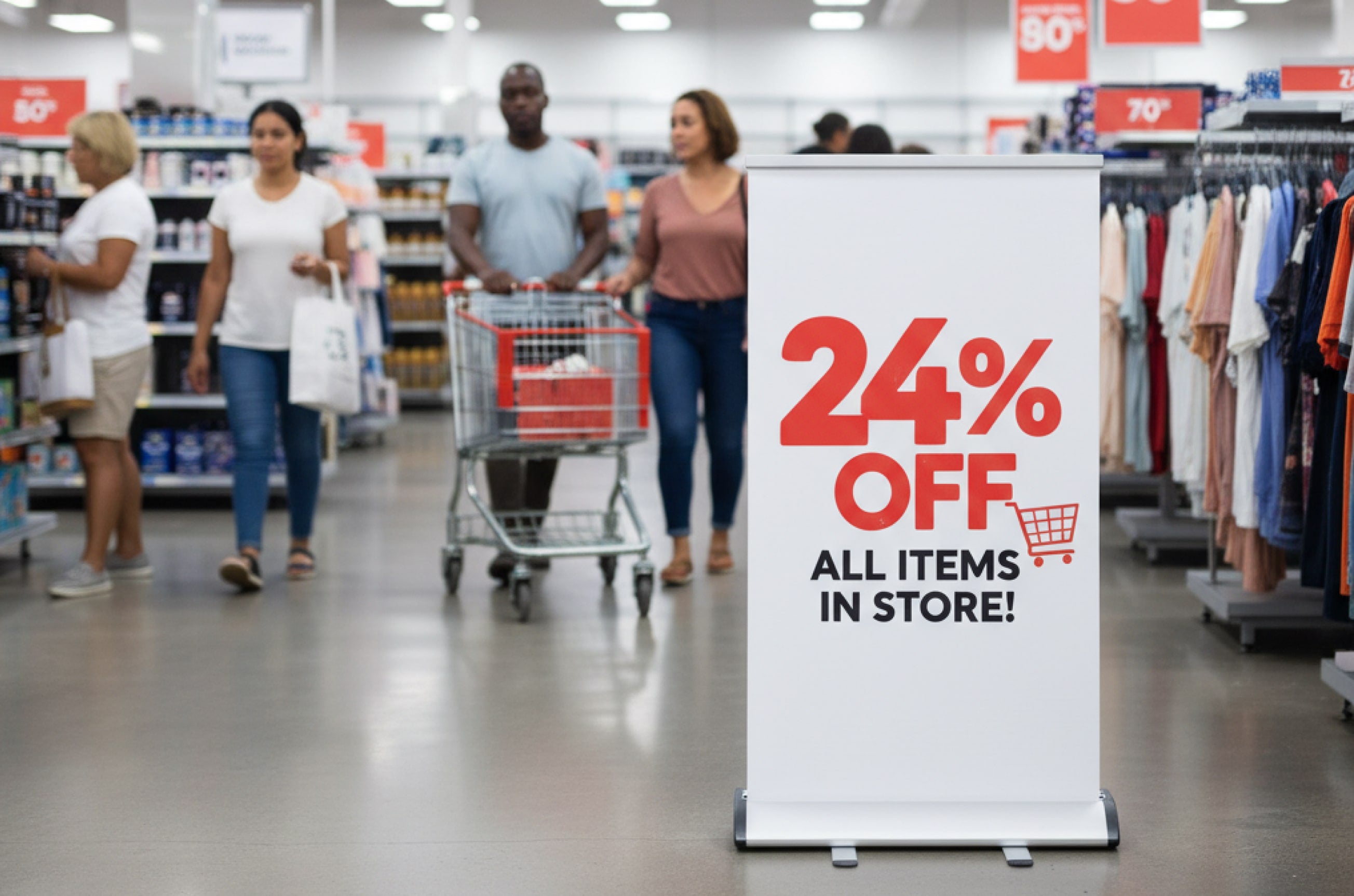
To avoid universal margin erosion, financial managers favored structured tier discounts over blanket percentage markdowns. A promotion offering "$15 off $75, $30 off $150, or $60 off $250" established clear operational incentives for shoppers to add additional items to their digital or physical carts. This mechanism ensured that the discount depth was tied to higher order volumes, offsetting fixed processing and delivery expenses.
Gift with Purchase (GWP) in Luxury and Beauty
Beauty and luxury retail sectors utilized Gift with Purchase (GWP) strategies to avoid discounting core prestige product lines. By partnering with manufacturers to offer curated sample kits, tote bags, or travel-size accessories upon reaching a spending threshold, retailers maintained baseline retail pricing while presenting high perceived value to consumers.
Omnichannel Infrastructure and BNPL as Promotional Drivers
Promotions in 2019 were no longer confined to simple price tags; they were deeply integrated into retail fulfillment channels and emerging consumer financial services.
Fulfillment-Linked Promotional Tactics
Fulfillment mechanics emerged as powerful promotional tools. With shipping deadlines tightly compressed during the shortened 2019 holiday run, retailers leveraged Buy Online, Pick Up In Store (BOPIS) and curbside collection as promotional levers. Merchants regularly offered targeted incentives—such as a $5 promotional credit or 10% off a future purchase—to customers selecting store pickup over home delivery.
BOPIS Promotional Efficiency Loop:
- Online Customer selects "Pick Up In Store" at Checkout
- Retailer saves $4-$8 in last-mile carrier shipping fees
- Customer receives $5 store voucher upon order pickup
- Customer enters physical store: 30%+ make add-on store purchase
This strategy accomplished two critical financial goals:
- It eliminated last-mile delivery costs paid to parcel carriers.
- It drove foot traffic into physical retail stores, where impulse buys routinely boosted total transaction value.
Integration of Buy Now, Pay Later (BNPL) Solutions
The year 2019 represented a inflection point for point-of-sale financing in North America and Europe. Fintech platforms such as Afterpay, Klarna, Affirm, and Quadpay expanded rapidly into retail checkout workflows. Merchants actively promoted BNPL options on product detail pages and within promotional emails, framing high-ticket items not around total cost, but as "four interest-free payments of $25."
Promoting BNPL during sales events proved effective for apparel, footwear, and consumer electronics categories targeting millennial and Gen Z demographics. By lowering upfront cash barriers, retailers experienced higher checkout conversion rates and reduced cart abandonment without having to permanently lower product list prices.
Strategic Errors and Common Missteps in 2019 Promotions
While many retail organizations executed high-performing promotional strategies in 2019, industry analysis revealed several systemic missteps that compromised profitability:
- Over-Reliance on Perpetual Discounting: Several mid-tier department stores and fast-fashion brands created promotional fatigue by maintaining continuous 40% to 50% storewide sales. This trained consumers never to purchase at full price, permanently degrading baseline gross margins.
- Fulfillment Bottlenecks During Door-Buster Spikes: Retailers that launched hyper-aggressive online flash sales without scaling distribution center capacity suffered severe fulfillment backlogs, resulting in delayed shipments and damaged customer satisfaction.
- Uncoordinated Cross-Channel Pricing: Inconsistencies between physical store sale prices and e-commerce channel pricing caused friction at customer checkout, leading to lost sales and increased customer service workload.
- Ignoring Shipping Cutoff Deadlines: Merchandisers that failed to adapt promotional messaging to final carrier shipping deadlines faced high return rates on orders that failed to arrive prior to Christmas Day.
Frequently Asked Questions
Why was the 2019 holiday promotional calendar particularly challenging for retailers?
The 2019 holiday calendar featured Thanksgiving on November 28, leaving only 26 days between Thanksgiving and Christmas—six days fewer than in 2018. This shortened window compressed peak shopping velocity, forcing retailers to launch promotional campaigns in early November to clear inventory and avoid carrier shipping delays.
How did Amazon Prime Day 2019 influence broader retail promotional strategies?
Amazon expanded Prime Day 2019 into a 48-hour event in mid-July. This expansion forced major competitors like Target, Walmart, and Best Buy to launch mid-summer discount events ("Black Friday in July"), effectively creating a permanent secondary peak promotional season in the retail calendar.
What role did Buy Now, Pay Later (BNPL) platforms play in 2019 retail promotions?
In 2019, BNPL services like Klarna, Afterpay, and Affirm became prominent checkout integration tools. Retailers marketed interest-free installment plans directly on product pages and promotional banners, effectively driving conversion rates and Average Order Value (AOV) without lowering retail prices.
How did retailers use BOPIS as a promotional incentive during 2019?
Retailers offered exclusive discounts, future-purchase coupons, or loyalty points to consumers who chose Buy Online, Pick Up In Store (BOPIS). This reduced merchant shipping expenses during peak delivery windows and generated store foot traffic, driving additional impulse sales.
Why did retailers shift toward tiered spend thresholds instead of flat percentage discounts?
Tiered spend thresholds (such as "$20 off $100") require consumers to reach specific cart values to qualify for discounts. This strategy increases Average Order Value (AOV) and helps offset fixed shipping and order-handling expenses, protecting gross margins better than flat percentage discounts.
Legacy Lessons for Modern Retail Strategy
The promotional dynamics established in 2019 continue to inform high-performing commercial retail strategies. Merchandising teams, finance directors, and e-commerce operations leaders can draw direct applications from the 2019 promotional cycle to build resilient, margin-protective frameworks today.
Key Strategic Recommendations
- De-couple Revenue Growth from Universal Discounting: Utilize dynamic loyalty tiers, bundle pricing, and free gifts with purchase (GWP) rather than recurring storewide markdowns that degrade brand equity and train buyers to delay purchases.
- Optimize Fulfillment-Linked Incentives: Align promotional discounts with operational cost savings. Pass a portion of shipping-cost savings back to consumers who select store pickup (BOPIS) or consolidated ground shipping.
- Spread Promotional Spikes Over Extended Windows: Avoid over-concentrating sales budgets on a single 24-hour promotional day. Use phased promotional waves throughout November to smooth warehouse order volumes and mitigate carrier surcharges.
- Enforce Dynamic Pricing Controls: Implement automated margin safeguards within pricing engines to ensure that promotional discounts, promo codes, and affiliate payouts do not stack unintentionally, preserving net unit economics.
By evaluating the calendar compressions, omnichannel fulfillment models, and payment innovations deployed during 2019, modern enterprise merchants can design balanced promotional programs that drive sustainable top-line sales while safeguarding bottom-line profitability.