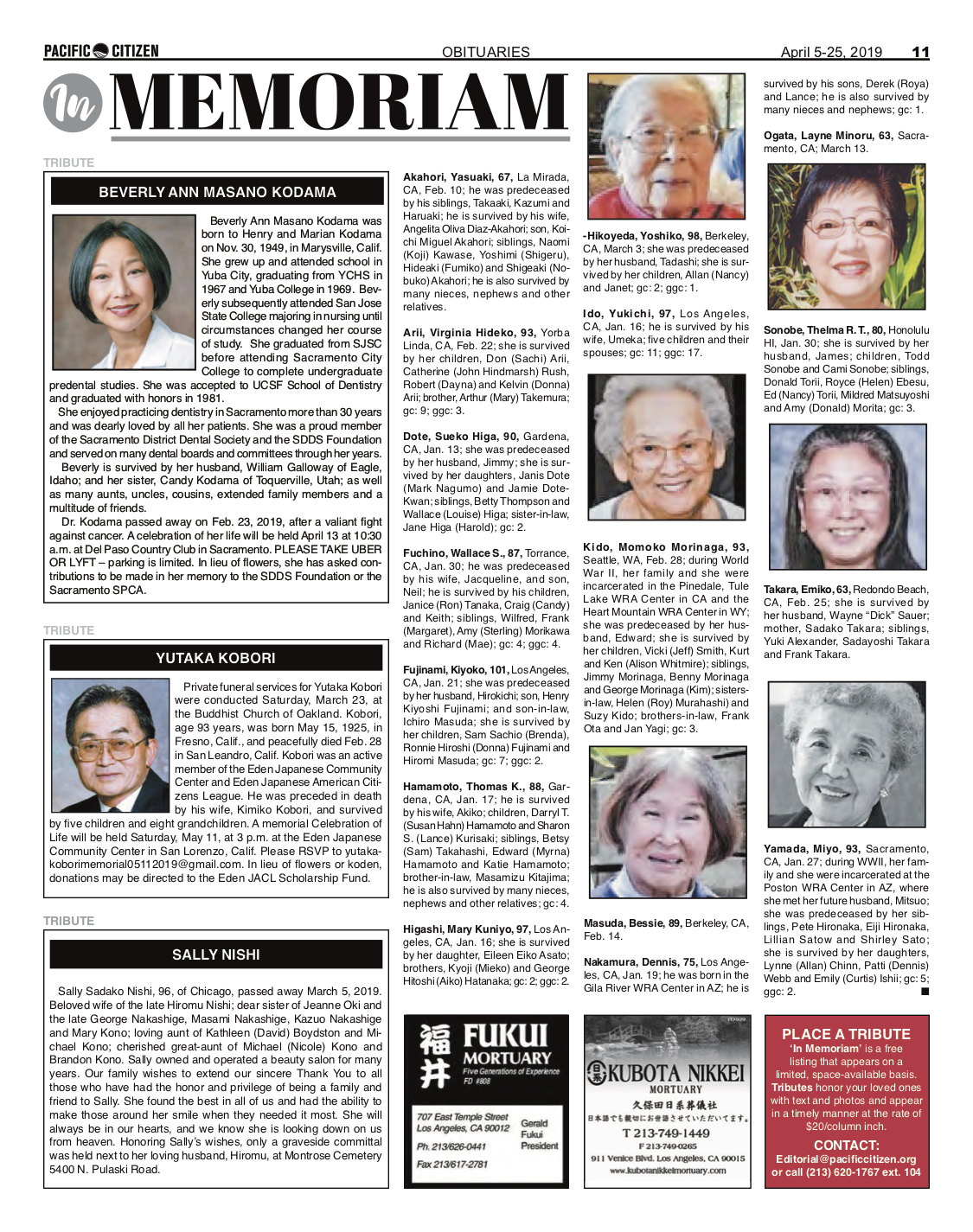
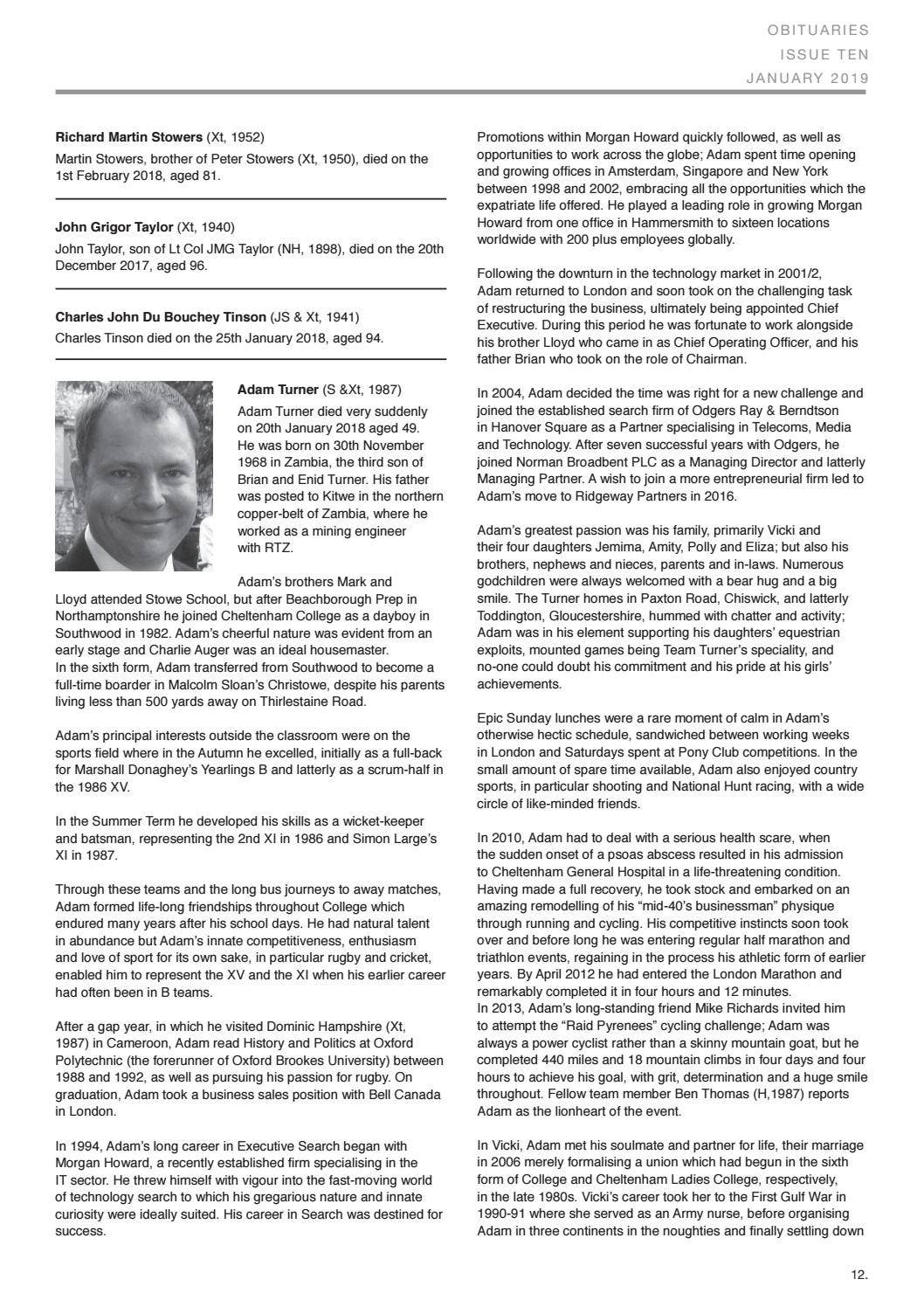
Locating an obituary from 2019 requires searching digitized newspaper databases, funeral home archives, genealogy repositories, and county public record systems. Because 2019 preceded major shifts in digital publishing and regional newspaper consolidation, researchers must often combine online aggregator search tools with localized library microfilms or archived web pages to find complete biographical details and memorial notices.
The Landscape of 2019 Obituary Records
Obituaries published in 2019 occupy a distinct transition period in modern public record archiving. By 2019, digital publishing had become the standard secondary medium for most local newspapers, yet print editions remained the primary revenue driver for formal paid notices. As a result, records from 2019 exist in a dual format: high-density physical print archives preserved on microfilm or paper, and digital records distributed across news syndication networks, funeral home portals, and commercial genealogy databases.
Unlike older historical records, 2019 obituaries frequently feature rich multimedia elements, including online guestbooks, embedded video links, and detailed family narratives. However, retrieving these digital records years after publication presents specific challenges. Smaller local newspapers may have closed, merged, or restructured their paywalls, causing published web links to break—a phenomenon known as "link rot." Additionally, third-party hosting contracts between small print publications and digital obituary syndicates often expire, leading to unindexed pages or moved content.
For researchers, legal representatives, and family historians, understanding how 2019 records were initially published is key to locating them today. Print notices were typically syndicated to digital platforms within 24 to 48 hours of submission by funeral directors or surviving family members. Knowing whether a notice was a brief death notice published by a clerk or a full commemorative obituary written by the family helps narrow down the appropriate archival database.
Primary Online Sources for 2019 Obituaries
When searching for a 2019 death notice or full biography, researchers should systematically query several primary digital record categories. Each system captures information differently depending on how the record was originally generated.
- 2019 Death Notice Search Strategy
- Aggregators (Legacy, etc.)
- Newspaper (Newspapers.com)
- Funeral Homes (Direct Sites)
- Local Library Archives (Microfilm / Microfiche)
1. Commercial Newspaper Archives and Genealogy Databases
Platforms such as Newspapers.com and GenealogyBank maintain extensive digital scans of thousands of local, regional, and national newspapers. These services use Optical Character Recognition (OCR) software to render scanned newsprint fully searchable. When searching 2019 editions, these tools allow users to filter by exact publication dates, city, state, and keyword strings.
2. Digital Obituary Syndicates and Aggregators
Major obituary networks, including Legacy.com and FuneralOne's Tribute Archive, partner directly with funeral homes and newspapers. In 2019, these platforms served as the centralized digital repository for thousands of death notices across North America and Europe. While some older guestbook comments may expire or require premium access over time, the underlying biographical text, birth and death dates, and memorial service details usually remain publicly indexed by major search engines.
3. Funeral Home Web Archives
Independent and network-owned funeral homes routinely publish obituaries directly on their proprietary websites. These direct entries often contain more comprehensive detail than newspaper prints because they are not restricted by newspaper line counts or column fees. Even if a funeral home updated its website software after 2019, its archive database usually preserves historical postings under a "Past Services" or "Obituary Archive" tab.
4. Government and Library Repositories
Public libraries and historical societies remain vital resources for localized records. Many regional public libraries subscribe to academic news databases like NewsBank, ProQuest, or Gale, providing library cardholders free access to high-resolution newspaper scans from 2019 that might otherwise sit behind paywalls. Additionally, state and county historical societies maintain regional digital archives specifically dedicated to preserving local biographical records.
Step-by-Step Search Strategy for Tracing 2019 Records
When a basic name search on a search engine yields zero results, applying a structured, multi-variable search methodology can surface hidden or misindexed 2019 notices.
Step 1: Gather Key Identifier Variables
Before launching a query, list all known biographical details associated with the deceased person. Useful search parameters include:
- Full legal name, including middle names, nicknames, and maiden names.
- Primary city and state of residence in 2019.
- Secondary locations, such as former hometowns, winter residences, or places of retirement.
- Names of surviving or predeceased family members (spouses, siblings, children).
- Professional affiliations, military branches, or local organizations mentioned in passing.
Step 2: Utilize Precision Search Operators
Web search engines and digital archives interpret standard queries broadly. Using Boolean operators refines search parameters and eliminates irrelevant results:
- Exact Phrases: Enclose the full name in quotation marks (e.g.,
"Robert E. Johnson"). - Location Combination: Pair the name with the city and year (e.g.,
"Robert E. Johnson" "Springfield" 2019). - Relational Anchors: Combine the decedent's name with a survivor's unique name (e.g.,
"Robert E. Johnson" "preceded in death by"). - Domain Filtering: Target specific memorial domains by appending domain queries (e.g.,
site:legacy.com "Robert E. Johnson" 2019).
Step 3: Account for OCR Scanners and Spelling Variations
Optical Character Recognition software occasionally misinterprets scanned historical newsprint. Common OCR errors include confusing the letters "rn" with "m," "e" with "c," or mistaking punctuation marks for letters. If an exact name search fails on a newspaper scan database, search using secondary criteria—such as a street address, an unusual relative name, or a specific military unit combined with the date year "2019."
Comparing Primary Archives for 2019 Death Notices
The following table outlines the key characteristics, access models, and limitations of the primary search platforms used to locate 2019 obituaries:
| Source Category | Typical Coverage Depth | Access Cost | Primary Strengths | Common Limitations |
|---|---|---|---|---|
| Obituary Aggregators (e.g., Legacy.com) | High for major metropolitan areas; moderate for rural towns | Free basic access; optional paid memorial features | Highly indexed by search engines; includes digital guestbooks | Vulnerable to link structure changes; formatting shifts over time |
| Newspaper Archives (e.g., Newspapers.com) | Comprehensive print scans across national and local papers | Subscription required; often accessible via public libraries | Preserves exact print layout, surrounding news context, and photo prints | OCR misreads corrupted print text; behind commercial paywalls |
| Funeral Home Websites | Exhaustive details, full photo galleries, and service itineraries | Free public access | Contains raw, unedited family narratives without newspaper word limits | Sites may alter database structures or delete older pages during platform updates |
| Public Library Databases (e.g., NewsBank, Gale) | Deep regional focus; includes small community publications | Free with local library membership or institutional access | High resolution; verified index metadata; broad geographic range | Requires local library credentials or physically visiting the institution |
| Digital Web Archives (e.g., Internet Archive) | Snapshot captures of defunct news sites and funeral portals | Free public access | Can recover deleted or expired web pages from 2019 | Not fully text-searchable by individual name; relies on exact historic URLs |
Legal, Estate, and Genealogical Applications
Locating an obituary from 2019 often serves practical administrative functions beyond personal memory and family tree preservation.
Probate and Estate Settlement
In estate administration, an obituary provides immediate secondary verification of a decedent’s death date, family relationships, and reported place of residence. While courts require an official state-issued death certificate to settle probate, an obituary helps estate administrators identify potential heirs, locate estranged relatives, and verify public claims. Because 2019 claims may involve statutory probate limitation periods, securing a published obituary helps map out the timelines required for asset distribution and debt settlement.
Genealogical and Historical Research
For family historians, 2019 obituaries serve as comprehensive biographical summaries that bridge generational gaps. A well-written notice usually details multi-generational lineage, tracing parents, spouses, children, grandchildren, and extended relatives. This information allows genealogists to cross-reference census records, military service records, and property titles across multiple decades.
Real Property Title Verification
When real estate changes hands through inheritance, title researchers must verify the chain of ownership. If a property owner passed away in 2019, an obituary can assist researchers in identifying the probate court jurisdiction, verifying the surviving spouse’s legal standing, or identifying potential co-heirs who must sign off on real estate transactions.
Troubleshooting Missing or Unindexed 2019 Obituaries
If standard search queries on public search engines and major databases fail to surface a 2019 obituary, researchers should implement targeted troubleshooting techniques.
- Obituary Search Failed
- Check Alternative Search Terms (Maiden names, city)
- Use Wayback Machine (Archive historic URLs)
- Contact Local Libraries (Request Microfilm Lookups)
1. The Family Did Not Publish a Print Notice
Publishing a formal obituary in a major metropolitan newspaper can cost hundreds of dollars. In 2019, many families opted out of print publication entirely, relying instead on brief social media notices, local church newsletters, or direct funeral home postings. If no newspaper entry exists, search for digital memorial posts on social platforms or query local religious and fraternal organizations where the deceased was active.
2. Search for Legal Death Notices Instead of Biographies
When families skip formal obituaries, they often still publish a legal death notice. A death notice is a short, mandatory legal entry placed in a newspaper’s classified section that lists only the essential facts: full name, age, date of death, and scheduled service details. These notices are indexed differently in newspaper archives and may appear under "Classifieds" or "Legal Notices" rather than the dedicated obituary section.
3. Recover Broken Links via Web Archives
If a search result points to a dead web link (such as a 404 error page on a defunct newspaper site), copy the precise URL and paste it into the Internet Archive's Wayback Machine. Web crawlers regularly snapshot news sites and funeral home databases. A crawl performed in 2019 or 2020 may have captured the full web page before the site was modified or taken offline.
4. Query Official Vital Records Systems
When biographical notices cannot be located, researchers needing proof of passing should contact state or county vital statistics offices. In the United States, rules governing access to historic death certificates vary by state. While certified copies are restricted to immediate family or authorized representatives, uncertified informational copies or public death indexes are often accessible for research purposes after a mandatory processing period.
Frequently Asked Questions About 2019 Obituaries
Are all obituaries from 2019 available online for free?
No. While many funeral homes and obituary syndicates host basic entries for free, comprehensive newspaper archives are typically locked behind commercial paywalls or library subscriptions. Additionally, some families chose not to publish digital notices, meaning the record exists only on microfilmed print editions stored at local libraries.
What is the primary difference between a death notice and an obituary?
A death notice is a brief, factual advertisement placed in a newspaper (often required by law or estate procedure) stating the individual's name, age, city of residence, and service dates. An obituary is a longer, narrative biography written by the family or a journalist that details the person's life history, achievements, and surviving relatives.
Can an obituary from 2019 be used as a legal proof of death?
An obituary is considered a secondary historical source, not an legal record. While courts, probate attorneys, and financial institutions use obituaries for investigative purposes and identifying heirs, official transactions (such as closing bank accounts, transferring real estate, or claiming life insurance) require a certified government death certificate issued by a state or county registrar.
Why do some 2019 obituaries disappear from newspaper websites?
Newspaper websites undergo periodic redesigns, system migrations, and ownership changes. During these updates, older digital archives—especially those from third-party publishing platforms—may not be migrated to the new database, resulting in broken links or unindexed records.
How can I locate a 2019 obituary if I only know the person's city and year of death?
If you lack an exact date of death, query digitized newspaper archives using the person's full name and city, setting the search timeframe strictly to January 1, 2019, through December 31, 2019. If that fails, search local library databases for death indexes, or contact the county probate court in that jurisdiction to check for 2019 estate filings.
Best Practices for Documenting and Archiving 2019 Records
Once a 2019 obituary is located, secure a permanent copy to prevent loss due to dynamic website changes or online paywall updates.
First, save both a raw text extract and a visual layout capture of the record. If using a digitized newspaper service like Newspapers.com, download the full page scan in PDF or high-resolution JPEG format so that the newspaper header, publication date, and page number remain visible alongside the text. This preserves contextual evidence necessary for academic citation or legal filing.
Second, if retrieving the record from a funeral home website or online aggregator, convert the webpage into a static PDF document using your browser's print utility, and submit the active URL to the Wayback Machine to create a permanent, timestamped public web archive.
Finally, catalogue the record using standard citation parameters: record subject full name, title of the publishing newspaper or platform, exact publication date, volume and page number (if print), database publisher, and the date the record was retrieved. Keeping these records systematically organized ensures that historical details remain accessible for future genealogical, personal, or legal reference.