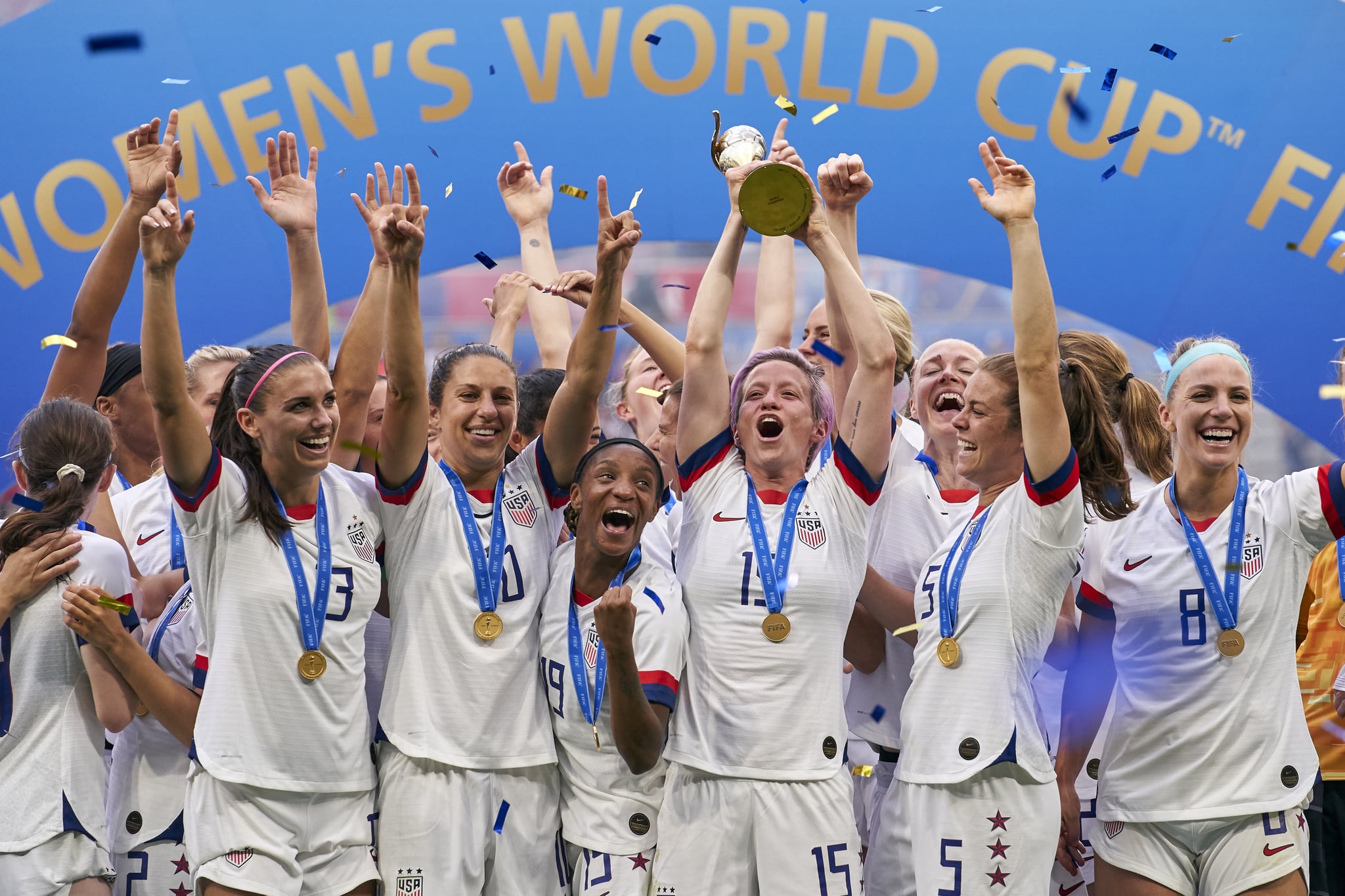
The 2019 FIFA Women's World Cup, held in France, concluded with the United States Women's National Team (USWNT) securing their fourth title after defeating the Netherlands 2-0 in the final. The tournament featured 24 teams competing across 52 matches, showcasing a significant leap in global viewership and competitive parity within women's professional soccer.
The eighth edition of the FIFA Women's World Cup remains a landmark event in sporting history. Hosted across nine cities in France from June 7 to July 7, 2019, the tournament served as a catalyst for the rapid professionalization of the women’s game. For fans and researchers looking back from 2026, the 2019 results provide the essential context for the current landscape of international football, documenting the dominance of the North American and European powerhouses while highlighting the emergence of competitive squads from South America and Africa.
Tournament Overview and Venue Information
The 2019 tournament was hosted by France, marking the first time the country held the women's event and the third time it was hosted in Europe. The matches were played in diverse locations, ranging from the capital of Paris to the coastal city of Nice and the footballing hub of Lyon.
The venues included:
- Lyon: Parc Olympique Lyonnais (Semi-finals and Final)
- Paris: Parc des Princes (Opening Match)
- Nice: Allianz Riviera
- Montpellier: Stade de la Mosson
- Rennes: Roazhon Park
- Le Havre: Stade Océane
- Valenciennes: Stade du Hainaut
- Reims: Stade Auguste-Delaune
- Grenoble: Stade des Alpes
This geographical distribution allowed for a widespread celebration of the sport, with record-breaking attendance figures that signaled a new era for women's athletics. The opening match between France and South Korea set the tone, with a sell-out crowd in Paris witnessing a 4-0 victory for the hosts.
Group Stage Standings and Detailed Results
The 24 qualifying teams were divided into six groups (A through F). The top two teams from each group, along with the four best third-placed teams, advanced to the knockout stage.
Group A: France, Norway, Nigeria, South Korea
France dominated the group with three wins, while Norway secured the second spot. Nigeria managed to advance as one of the best third-placed teams after a crucial victory over South Korea.
- France 4–0 South Korea
- Norway 3–0 Nigeria
- Nigeria 2–0 South Korea
- France 2–1 Norway
- Nigeria 0–1 France
- South Korea 1–2 Norway
Group B: Germany, Spain, China, South Africa
Germany showed clinical efficiency, winning all three matches without conceding a single goal in the group stage. Spain followed in second place, marking their first-ever advancement to the knockout rounds.
- Germany 1–0 China
- Spain 3–1 South Africa
- Germany 1–0 Spain
- South Africa 0–1 China
- South Africa 0–4 Germany
- China 0–0 Spain
Group C: Italy, Australia, Brazil, Jamaica
This was one of the most competitive groups, ending in a three-way tie at six points. Italy took the top spot on goal difference, followed by Australia and Brazil.
- Australia 1–2 Italy
- Brazil 3–0 Jamaica
- Australia 3–2 Brazil
- Jamaica 0–5 Italy
- Jamaica 1–4 Australia
- Italy 0–1 Brazil
Group D: England, Japan, Argentina, Scotland
England emerged as the clear leaders, winning all three matches. Japan, the 2011 champions, secured second place despite a resilient effort from Argentina and Scotland.
- England 2–1 Scotland
- Japan 0–0 Argentina
- Japan 2–1 Scotland
- England 1–0 Argentina
- Japan 0–2 England
- Scotland 3–3 Argentina
Group E: Netherlands, Canada, Cameroon, New Zealand
The Netherlands, the reigning European champions at the time, swept the group. Canada followed in second, while Cameroon secured a dramatic late win against New Zealand to advance as a third-place team.
- Canada 1–0 Cameroon
- New Zealand 0–1 Netherlands
- Netherlands 3–1 Cameroon
- Canada 2–0 New Zealand
- Netherlands 2–1 Canada
- Cameroon 2–1 New Zealand
Group F: USA, Sweden, Chile, Thailand
The United States made headlines immediately with a record-breaking 13-0 win over Thailand. They finished the group stage with 18 goals scored and zero conceded.
- Chile 0–2 Sweden
- USA 13–0 Thailand
- USA 3–0 Chile
- Thailand 1–5 Sweden
- Thailand 0–2 Chile
- Sweden 0–2 USA
The Knockout Stage: Path to the Final
The knockout stage of the 2019 FIFA Women's World Cup was characterized by high-intensity matches and several tactical battles between European and North American styles of play.
Round of 16
The Round of 16 saw the elimination of several veterans. Notable results included:
- Germany 3–0 Nigeria: A comfortable win for the Germans.
- Norway 1–1 Australia (4–1 pens): One of the most dramatic matches of the round, decided by a shootout.
- England 3–0 Cameroon: A match marked by VAR controversies and physical play.
- France 2–1 Brazil (AET): Amandine Henry scored the winner in extra time to send the hosts through.
- USA 2–1 Spain: Two Megan Rapinoe penalties helped the USA survive a tough Spanish challenge.
- Sweden 1–0 Canada: A narrow victory secured by a Stina Blackstenius goal.
- Italy 2–0 China: Italy continued their "Cinderella" run.
- Netherlands 2–1 Japan: A late Lieke Martens penalty eliminated the former champions.
Quarter-finals and Semi-finals
The quarter-finals were dominated by European teams, with seven out of eight spots filled by UEFA members—the sole exception being the USA.
- Quarter-final 1: Norway 0–3 England
- Quarter-final 2: France 1–2 USA (A high-stakes "final before the final")
- Quarter-final 3: Italy 0–2 Netherlands
- Quarter-final 4: Germany 1–2 Sweden
In the semi-finals, the USA faced a formidable England squad. The match was defined by Alex Morgan’s "tea-sip" celebration and a crucial penalty save by Alyssa Naeher against Steph Houghton, ending 2-1 for the Americans. Meanwhile, the Netherlands required extra time to overcome Sweden 1-0, with Jackie Groenen scoring the decisive goal.
The Final: USA vs. Netherlands
The final took place on July 7, 2019, at the Stade de Lyon. The Netherlands, led by coach Sarina Wiegman, employed a disciplined defensive block that held the potent American offense scoreless throughout the first half—a first for the USA in that tournament.
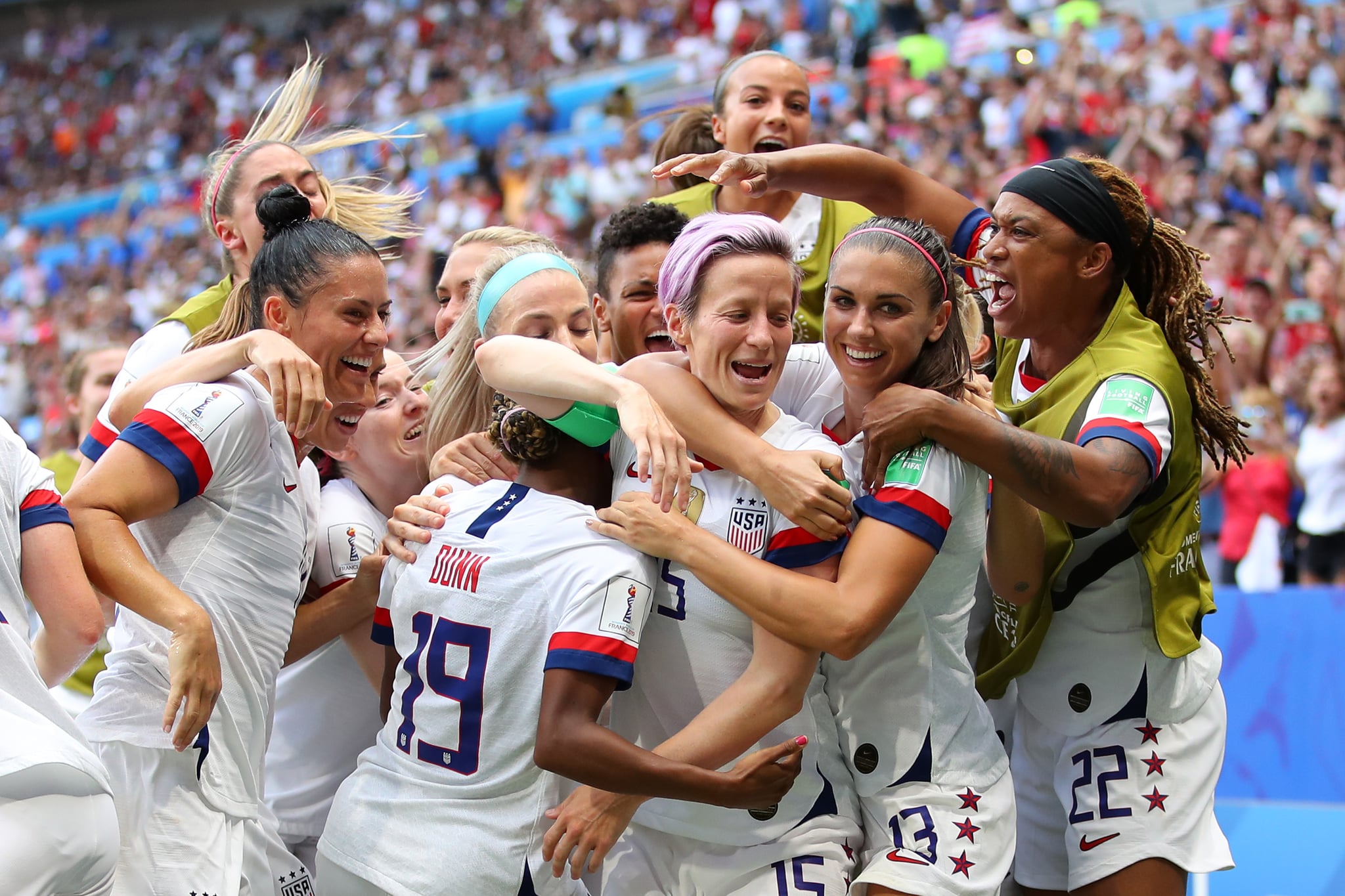
The deadlock was broken in the 61st minute when a VAR review awarded the USA a penalty for a foul on Alex Morgan. Megan Rapinoe converted the spot-kick. Shortly after, in the 69th minute, Rose Lavelle produced a brilliant solo run and strike to double the lead. The 2-0 victory secured the USA's back-to-back titles and their fourth overall.
| Stage | Matchup | Result | Scorer(s) |
|---|---|---|---|
| Semi-final | England vs. USA | 1–2 | White; Press, Morgan |
| Semi-final | Netherlands vs. Sweden | 1–0 (AET) | Groenen |
| Third Place | England vs. Sweden | 1–2 | Kirby; Asllani, Jakobsson |
| Final | USA vs. Netherlands | 2–0 | Rapinoe (P), Lavelle |
Tournament Awards and Statistical Leaders
The 2019 World Cup saw individual performances that have since become legendary. Megan Rapinoe swept the individual honors, highlighting her impact both on and off the pitch.
- Golden Ball (Best Player): Megan Rapinoe (USA)
- Silver Ball: Lucy Bronze (England)
- Bronze Ball: Rose Lavelle (USA)
- Golden Boot (Top Scorer): Megan Rapinoe (6 goals, 3 assists)
- Silver Boot: Alex Morgan (6 goals, 3 assists - lost on minutes played tiebreaker)
- Bronze Boot: Ellen White (6 goals, 0 assists)
- Golden Glove (Best Goalkeeper): Sari van Veenendaal (Netherlands)
- Best Young Player: Giulia Gwinn (Germany)
- FIFA Fair Play Trophy: France
The tournament's statistical output was impressive, with 146 goals scored in 52 matches, averaging 2.81 goals per game. The high scoring rate, particularly in the group stages, demonstrated the attacking intent of the top-tier nations.
Legacy and Impact of the 2019 Tournament
Reflecting on the 2019 FIFA Women's World Cup from the perspective of 2026, its impact on the sports industry is undeniable. It was the "tipping point" for investment. Following the tournament, several major European clubs significantly increased their funding for women's departments, leading to the highly competitive Champions League structures we see today.
The use of Video Assistant Referee (VAR) technology was a major talking point in 2019, as it was the first time the system was used in a women's tournament. While it led to some contentious moments—particularly regarding goalkeeper positioning during penalties—it established a standard for officiating that has since been refined.
Furthermore, the 2019 event set viewership records, with FIFA reporting over 1.12 billion viewers across all platforms. This commercial success paved the way for the expansion to 32 teams in the 2023 edition, ensuring that more nations from various confederations could participate in the world's most prestigious footballing event.
FAQ
Who won the 2019 FIFA Women's World Cup?
The United States Women's National Team (USWNT) won the 2019 World Cup by defeating the Netherlands 2-0 in the final. This was their second consecutive title and their fourth championship overall, having previously won in 1991, 1999, and 2015.
Which player scored the most goals in the 2019 tournament?
Megan Rapinoe, Alex Morgan, and Ellen White all finished with 6 goals. However, Megan Rapinoe won the Golden Boot because she had three assists and played fewer minutes than Alex Morgan, who also had three assists.
Where was the 2019 Women's World Cup final held?
The final was held at the Parc Olympique Lyonnais (also known as Groupama Stadium) in Lyon, France. The stadium has a capacity of approximately 58,000 and was the primary venue for both semi-finals and the final.
How many teams participated in the 2019 Women's World Cup?
A total of 24 teams participated in the 2019 edition. This was the final tournament to feature 24 teams, as the competition expanded to 32 teams for the 2023 World Cup in Australia and New Zealand.
What was the highest-scoring match in the 2019 World Cup?
The highest-scoring match was the Group F opener between the USA and Thailand, which ended 13-0. This match set a record for the largest margin of victory and the most goals scored by a single team in a World Cup match (men's or women's).
Which team came in third place in 2019?
Sweden finished in third place after defeating England 2-1 in the third-place play-off. Goals from Kosovare Asllani and Sofia Jakobsson secured the bronze medal for the Swedish side.
Accessing Historical Records and Statistics
For those seeking to analyze specific match data, heat maps, or player tracking statistics from 2019, the FIFA Training Centre and official archives provide comprehensive datasets. As the sport moves toward even greater integration of data analytics in 2026, the 2019 results serve as a vital baseline for measuring the physical and tactical evolution of international women's football. Fans looking to relive the tournament can find official match highlights and full replays through FIFA's digital platforms and authorized historical sports broadcasters.