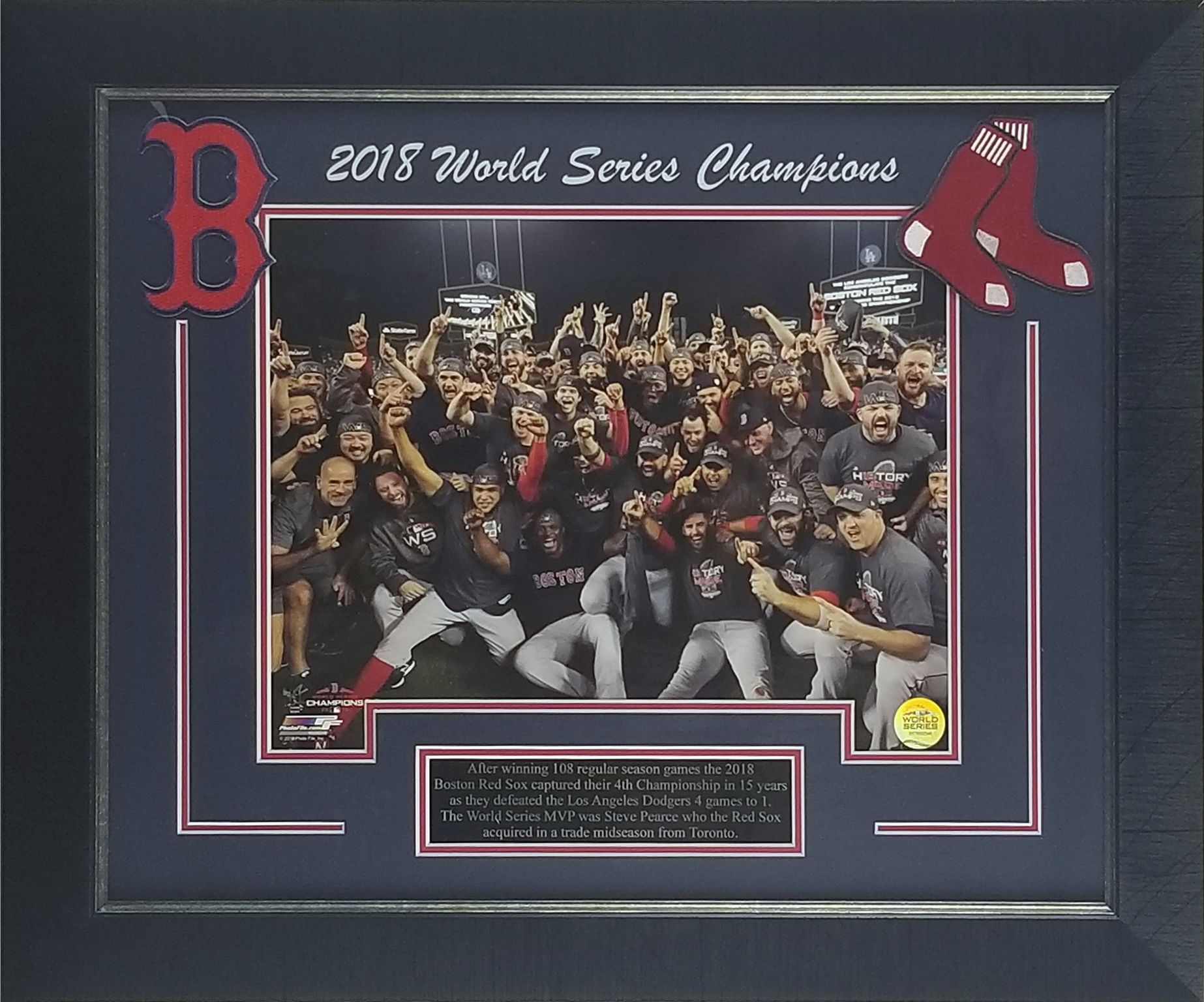
The 2018 Boston Red Sox secured their ninth World Series title by defeating the Los Angeles Dodgers four games to one. While their 108-win regular season suggested dominance, the "underdog" narrative emerged from individual redemption arcs, a rookie manager's gamble, and a postseason path that required toppling the previous two World Series champions.
The Narrative of the 2018 Red Sox Underdog Story
To call a team that won 108 regular-season games an "underdog" might seem paradoxical. However, in the context of professional baseball history, the 2018 Boston Red Sox were defined by a series of internal and external doubts that they had to systematically dismantle. Heading into the 2018 season, the Red Sox were reeling from back-to-back American League Division Series (ALDS) exits. The clubhouse was perceived as fractured, and the fan base was growing restless with a high-priced roster that failed to perform when the lights were brightest.
The "underdog" label in 2018 was less about statistical probability and more about the psychological hurdles the team faced. They were led by Alex Cora, a first-time manager who had never sat in the dugout's top seat. Their pitching staff was anchored by David Price, a veteran left-hander who carried the heavy burden of being labeled a postseason "choker." Their eventual World Series MVP, Steve Pearce, was a 35-year-old journeyman who had played for every team in the AL East before finding a home in Boston mid-season. This collective of "players with something to prove" transformed a talented roster into a relentless machine that thrived on silencing critics.
The Regular Season: Establishing a New Standard
The 2018 campaign began with a sense of urgency. Under Alex Cora, the Red Sox adopted a philosophy of "Damage Done," focusing on aggressive baserunning and high-pressure situational hitting. The results were immediate and record-breaking. They finished the season with a 108-54 record, the most wins in the storied history of the franchise, eclipsing the 1912 team’s mark of 105 wins.
At the heart of this success was Mookie Betts, who produced an American League MVP season, hitting .346 with 32 home runs and 30 stolen bases. Alongside him, J.D. Martinez—signed in the off-season as a free agent—provided the power stroke the lineup had lacked since the retirement of David Ortiz. Martinez’s 43 home runs and 130 RBIs were pivotal, but his true value lay in his role as a de facto hitting coach for the younger players, fostering a culture of meticulous preparation that would define the team’s postseason run.
Despite this dominance, the Red Sox entered October as the second choice in many analysts' brackets. The defending champion Houston Astros were seen as a more complete "super-team," and the rival New York Yankees, who had won 100 games themselves, were looming as a significant threat in the divisional round.
The Postseason Gauntlet: Defeating Giants
The 2018 postseason was perhaps the most difficult path any modern champion has had to navigate. To win the title, the Red Sox had to defeat three teams that had won at least 90 games, including two 100-win juggernauts.
The ALDS vs. New York Yankees
The rivalry with the Yankees reached a fever pitch in the ALDS. After splitting the first two games in Boston, the Red Sox went to Yankee Stadium and delivered a historic 16-1 blowout in Game 3, which included a cycle from Brock Holt—the first in postseason history. The series concluded with a tense Game 4 victory, where Craig Kimbrel narrowly escaped a bases-loaded jam to send Boston to the ALCS. This victory was a major psychological turning point, proving the team could handle the pressure of the Bronx.
The ALCS vs. Houston Astros
The Houston Astros were the defending champions and had won 103 games. After losing Game 1 at home, the Red Sox looked like they might succumb to the Astros' superior rotation. However, the "underdog" resilience took over. Jackie Bradley Jr. became an unlikely hero, driving in nine runs with two outs in the series, including a grand slam. The defining moment came in Game 4, when Andrew Benintendi made a diving catch with the bases loaded to preserve a win. By the time they finished off Houston in five games, the Red Sox had proven they were the best team in the American League.
The 2018 World Series: Red Sox vs. Dodgers
The World Series matchup against the Los Angeles Dodgers was a clash of titans, but it was also the stage where the individual redemption stories reached their climax. The series is best remembered for the sheer grit displayed by the Boston roster, particularly during the marathon Game 3 and the subsequent rebound in Game 4.
| Category | Boston Red Sox | Los Angeles Dodgers |
|---|---|---|
| Regular Season Wins | 108 | 92 |
| World Series Games Won | 4 | 1 |
| Team Batting Average | .222 | .180 |
| Total Runs Scored | 28 | 21 |
| Series MVP | Steve Pearce | N/A |
| Pitching ERA (Series) | 3.53 | 4.60 |
| Key Performance | Steve Pearce (3 HR, 8 RBI) | Max Muncy (Game 3 Walk-off) |
The turning point of the series wasn't a victory, but a loss. Game 3 was an 18-inning, seven-hour marathon that the Dodgers won on a walk-off home run by Max Muncy. While the Dodgers were energized, the Red Sox used the loss as fuel. Nathan Eovaldi, who pitched six heroic innings of relief in that game despite having undergone two Tommy John surgeries, became the heartbeat of the team. His performance in a losing effort inspired the clubhouse to dominate the final two games.
Individual Redemptions: Price and Pearce
The 2018 championship is inseparable from the stories of David Price and Steve Pearce. For years, David Price had been criticized for his inability to win as a starter in the postseason. That narrative was shattered in 2018. Price won the clinching games of both the ALCS and the World Series. In Game 5 of the World Series, he outdueled Clayton Kershaw, pitching seven innings of one-run ball and finally cementing his legacy as a big-game pitcher.
Steve Pearce’s journey was even more improbable. Acquired in June 2018 for a minor league prospect, Pearce was expected to be a bench piece against left-handed pitching. Instead, he hit three home runs in the final two games of the World Series. His two-run home run in the first inning of Game 5 took the wind out of the Dodger Stadium crowd and earned him the World Series MVP trophy—a stunning achievement for a player who had been a journeyman for over a decade.
A Legacy Reflected from 2026
Looking back from 2026, the 2018 Red Sox are increasingly recognized as one of the most complete teams of the 21st century. While the 2004 team broke the "Curse of the Bambino" and the 2013 team helped a city heal after the marathon bombing, the 2018 squad is remembered for its sheer competitive excellence.
The statistical profile of the team—leading the league in runs, batting average, and on-base percentage—sets them apart. However, their legacy is also framed by the era of "high-velocity" baseball. The 2018 Red Sox were among the first to master the balance of analytics-driven pitching matchups while maintaining an old-school, aggressive offensive approach. Eight years later, many of the players from that roster, such as Mookie Betts and Rafael Devers, have gone on to further Hall of Fame-caliber greatness, but their 2018 season remains the pinnacle of their collective achievement.
Key Factors in the 2018 Victory
- Situational Hitting: The Red Sox led the postseason in two-out RBIs, a metric that consistently frustrated opposing pitchers.
- Bullpen Flexibility: Alex Cora used starters like Nathan Eovaldi and Rick Porcello in relief roles, a tactic that disrupted the Dodgers' scouting reports.
- Defensive Range: With an outfield of Andrew Benintendi, Jackie Bradley Jr., and Mookie Betts, the Red Sox arguably possessed the best defensive outfield in the history of the game.
- Managerial Intuition: Alex Cora’s ability to communicate with both veteran stars and young prospects created a cohesive environment that stayed resilient through the 18-inning Game 3 loss.
FAQ
Who won the World Series in 2018?
The Boston Red Sox won the 2018 World Series. They defeated the Los Angeles Dodgers 4-1 in the best-of-seven series, clinching the title at Dodger Stadium on October 28, 2018.
Why were the 2018 Red Sox considered underdogs?
While they had 108 wins, they were considered underdogs in terms of narrative and specific matchups. Many analysts favored the defending champion Houston Astros in the ALCS, and several key players, including David Price and Steve Pearce, were viewed as having unproven postseason track records prior to their breakout performances that year.
Who was the 2018 World Series MVP?
Steve Pearce was named the World Series MVP. He provided critical offensive power, hitting three home runs and driving in eight runs over the course of the five-game series, including a multi-homer performance in the clinching Game 5.
What was the significance of Game 3 in the 2018 World Series?
Game 3 was the longest game in World Series history, lasting 18 innings and over seven hours. Although the Red Sox lost the game 3-2, the relief performance of Nathan Eovaldi was credited with galvanizing the team, leading them to win the next two games and the championship.
How many wins did the 2018 Red Sox have?
The Red Sox won a total of 119 games in 2018: 108 in the regular season and 11 in the postseason. This total is the third-most in MLB history, trailing only the 1998 New York Yankees and the 2001 Seattle Mariners.
Take Action: Revisit the 2018 Victory
For those looking to relive the details of this historic season, the official MLB.com film "2018 World Series: Damage Done" provides a comprehensive look at the team’s journey. Additionally, enthusiasts can review the complete statistical breakdown of every game at Baseball-Reference to understand the modern-era dominance of this specific roster. Whether studying the mechanics of Alex Cora's management or the defensive metrics of that historic outfield, the 2018 Red Sox serve as a masterclass in building a championship culture from the ground up.