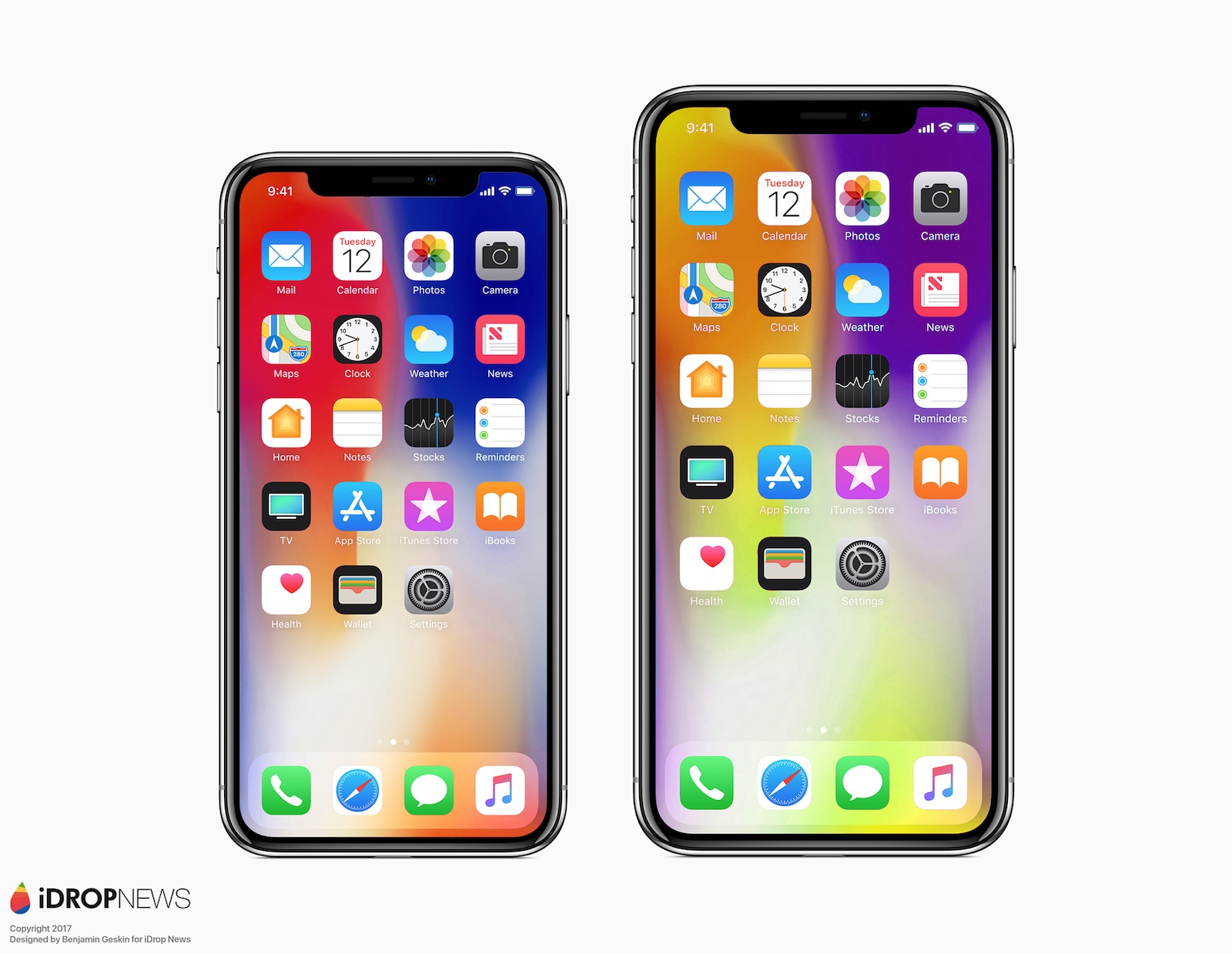
The iPhone X, Apple’s tenth-anniversary smartphone, officially launched on November 3, 2017, but remained the company’s flagship throughout most of 2018. Starting at a full retail price of $999, it introduced Face ID, an edge-to-edge Super Retina OLED display, and the A11 Bionic chip, setting the design standard for the next decade of mobile technology.
The Historical Context of the iPhone X in 2018
While the iPhone X was technically unveiled in late 2017, 2018 was the year it truly permeated the global market and redefined consumer expectations for "ultra-premium" smartphones. Before the iPhone X, the flagship price ceiling generally hovered around $650 to $750. The iPhone X shattered this convention, proving that consumers were willing to pay four figures for cutting-edge biometric security and superior display technology.
Throughout early to mid-2018, the iPhone X was the gold standard against which all other devices were measured. It represented a radical departure from the "Home Button" era that had defined the iPhone since 2007. By the time Apple announced the iPhone XS and XR in September 2018, the original iPhone X was officially discontinued from the Apple Store, making it one of the shortest-lived flagship models in terms of official production, yet one of the most influential in terms of design legacy.
In the current landscape of 2026, looking back at 2018 reveals how the iPhone X was a "bridge" device. It was the first to navigate the transition from capacitive fingerprint scanning to 3D facial recognition. For users in 2018, the "notch" was a point of intense debate, though it quickly became the most imitated design feature in the industry.
Official Launch Pricing and Availability
The iPhone X was offered in two storage configurations and two classic colors: Silver and Space Gray. The pricing strategy was a significant talking point during its launch cycle, as it represented a new "Pro" tier of pricing before the "Pro" moniker was officially adopted for the iPhone 11 line.
Full Retail Launch Prices
At its peak availability in 2018, the full retail prices (unlocked) were as follows:
- 64GB Model: $999 USD
- 256GB Model: $1,149 USD
These prices did not include state taxes or AppleCare+ coverage, which added significantly to the total cost of ownership. In international markets, the price was often even higher due to import duties and currency fluctuations. For instance, in the United Kingdom, the base model started at £999, and in many parts of Europe, it exceeded €1,100.
The 2018 Pricing Shift
When the iPhone XS was released in September 2018 at the same $999 entry point, Apple stopped selling the iPhone X directly. This led to a unique secondary market situation in late 2018 where the iPhone X became a highly sought-after "value" flagship. Third-party retailers and carriers offered the remaining stock at discounted rates, often ranging from $799 to $899, while the refurbished market saw prices dip even further.
Release Date Timeline and Global Rollout
The rollout of the iPhone X was famously plagued by manufacturing delays, primarily due to the complexity of the TrueDepth camera system and the supply of OLED panels from Samsung Display.
- Announcement: September 12, 2017 (Steve Jobs Theater).
- Pre-orders: October 27, 2017.
- Initial Release Date: November 3, 2017.
- Secondary Wave: Throughout late 2017 and early 2018, the device launched in additional territories including South Korea, Thailand, and Turkey.
- Discontinuation: September 12, 2018.
By the start of 2018, supply had finally caught up with demand, allowing for standard shipping times. For the majority of the 2018 calendar year, the iPhone X was the primary choice for users seeking the most advanced iOS experience available until the "S" cycle began in the fall.
Technical Specifications: The Hardware Breakdown
The iPhone X was a significant technical leap over the iPhone 8 and 8 Plus, which were released alongside it. It featured several "firsts" for the Apple ecosystem.
Display Technology
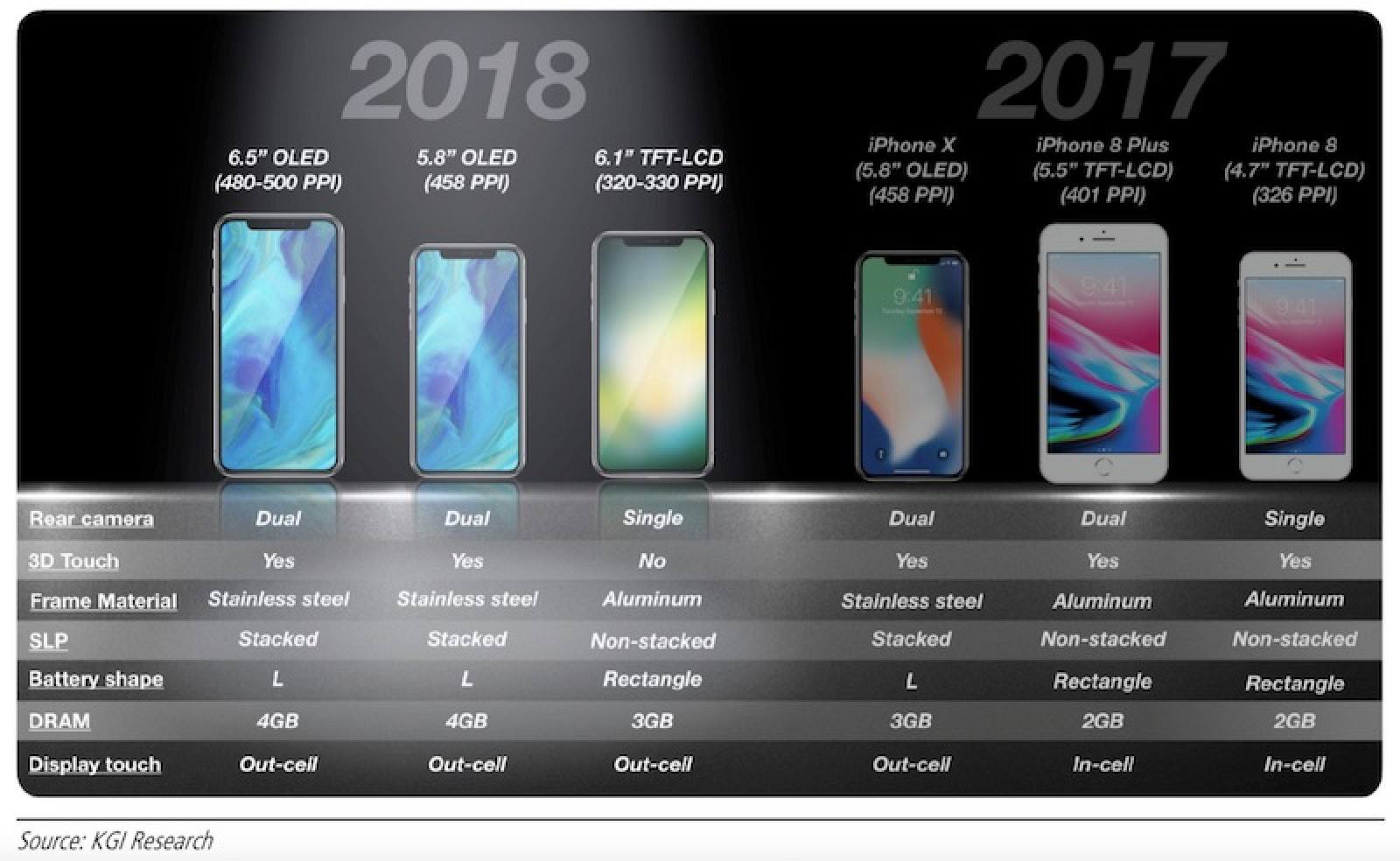
The "Super Retina" display was the first OLED screen ever used in an iPhone. It measured 5.8 inches diagonally with a resolution of 2436 x 1125 pixels at 458 ppi. Unlike previous LCD panels, this OLED screen offered a 1,000,000:1 contrast ratio, allowing for true blacks and high dynamic range (HDR) support for Dolby Vision and HDR10 content.
The A11 Bionic Processor
The heart of the 2018 user experience was the A11 Bionic chip. It featured a six-core CPU design with two performance cores that were 25% faster than the A10, and four efficiency cores that were 70% faster. More importantly, it introduced the first-generation Neural Engine, capable of up to 600 billion operations per second, which powered the Face ID and Animoji features.
Camera System
The rear camera consisted of a dual 12MP system with both wide-angle and telephoto lenses. Both lenses featured Optical Image Stabilization (OIS), a first for the iPhone line (the 8 Plus only had OIS on the wide-angle lens). The front-facing TrueDepth camera was the real star, utilizing an infrared camera, a flood illuminator, and a dot projector to create a mathematical model of the user's face.
| Feature | Specification |
|---|---|
| Display | 5.8-inch Super Retina OLED, HDR, True Tone |
| Resolution | 2436 x 1125 pixels (458 ppi) |
| Processor | A11 Bionic with Neural Engine |
| RAM | 3GB LPDDR4X |
| Storage | 64GB, 256GB |
| Rear Camera | Dual 12MP (Wide f/1.8, Telephoto f/2.4) with Dual OIS |
| Front Camera | 7MP TrueDepth with Face ID support |
| Battery | 2,716 mAh (Fast charging & Qi Wireless support) |
| Build | Surgical-grade stainless steel and glass |
| Water Resistance | IP67 (up to 1m for 30 minutes) |
Comparison: iPhone X vs. the 2018 Successors
In late 2018, consumers faced a choice between the remaining iPhone X stock and the newly launched iPhone XS and iPhone XR. Understanding the differences was crucial for making a purchase decision during that timeframe.
The iPhone XS was an incremental upgrade. It maintained the exact chassis of the iPhone X but upgraded the processor to the A12 Bionic, improved the water resistance to IP68, and introduced "Smart HDR" for better photo dynamic range. For most users in 2018, the jump from X to XS was minor, making the discounted iPhone X a very attractive proposition.
The iPhone XR, meanwhile, was the "affordable" alternative. While it featured the newer A12 chip and a larger 6.1-inch screen, it used an LCD "Liquid Retina" display rather than OLED, had thicker bezels, and a single-lens camera. The iPhone X remained superior in terms of display quality and build materials (stainless steel vs. aluminum).
Performance and Longevity in 2026
As of 2026, the iPhone X has transitioned into the "legacy" or "vintage" category. While its design remains strikingly modern—essentially identical to the layout used for years afterward—the internal hardware shows its age.
The A11 Bionic chip, though revolutionary in 2018, struggles with the heavy AI-driven tasks of 2026 mobile operating systems. Furthermore, the iPhone X reached its final major iOS update several years ago, meaning it no longer receives new features, though Apple occasionally provides critical security patches for older hardware. From a collector's or enthusiast's perspective, the iPhone X is valued as a milestone device, but for daily productivity in 2026, its 3GB of RAM and aging battery chemistry represent significant bottlenecks.
Troubleshooting Common Issues for the iPhone X
Given the age of the device, users still operating an iPhone X in the current year or purchasing one second-hand should be aware of common hardware failures associated with this specific generation.
- Battery Degradation: The 2,716 mAh battery was relatively small even by 2018 standards. In 2026, most original batteries will have dropped below 80% capacity, causing "Peak Performance Capability" throttling. A battery replacement is almost always necessary for a usable experience.
- OLED Burn-in: Early OLED panels were susceptible to image persistence. If a device was kept at high brightness with static UI elements for years, "ghost" images may appear on the screen.
- Face ID Failure: The TrueDepth camera is a fragile component. Dropping the phone or exposing it to moisture—even with the IP67 rating—can disable Face ID. Because the sensor is cryptographically paired to the logic board, repairs by third parties were historically difficult.
- Green Line Issue: A small percentage of iPhone X units developed a vertical green line on the display due to a hardware failure in the OLED controller. This typically required a full screen replacement.
Is the iPhone X still viable?
For basic tasks such as calling, texting, and light web browsing, the iPhone X remains functional. However, it lacks 5G connectivity, which has become the standard by 2026. Users requiring high-speed data or the latest app compatibility should look toward newer models.
How to Check Original Authenticity
When looking at iPhone X units today, verify the serial number on Apple's official check-coverage page. This confirms whether the device was an original retail unit or a replacement. Additionally, check for the presence of "True Tone" in the Control Center; if it is missing, the screen has likely been replaced with a non-genuine third-party panel.
H3: When was the iPhone X officially discontinued?
Apple officially discontinued the iPhone X on September 12, 2018, immediately following the announcement of the iPhone XS, XS Max, and XR. This was unusual at the time, as Apple typically kept the previous year's flagship as a mid-tier option at a lower price point. However, to avoid competing with the iPhone XR, the X was removed from the lineup.
H3: Does the iPhone X support 5G networks?
No, the iPhone X does not support 5G. It is equipped with an Intel or Qualcomm LTE (4G) modem, depending on the specific regional model. It can reach "Gigabit-class LTE" speeds in some conditions, but it lacks the hardware antennas and modems required to connect to 5G sub-6 or mmWave frequencies that became standard in 2020.
H3: What was the original warranty for the 2018 iPhone X?
The iPhone X came with a standard one-year limited warranty and 90 days of technical support. Many users in 2018 opted for AppleCare+, which extended the warranty to two years and covered two incidents of accidental damage for a deductible ($29 for screen repairs, $99 for other damage).
H3: Can the iPhone X run the latest version of iOS in 2026?
The iPhone X was dropped from major iOS version support starting with iOS 17 in 2023. Therefore, in 2026, it is running a legacy version of iOS (likely iOS 16). While many apps still offer backward compatibility, the device no longer receives the latest interface updates or system-level features.
Recommendations for Legacy iPhone X Owners
If you are still using an iPhone X in 2026, or if you are looking to acquire one for archival purposes, the best course of action is to prioritize hardware maintenance. Replacing the battery through a reputable service provider can breathe new life into the A11 Bionic chip by preventing CPU throttling. However, due to the lack of 5G and the cessation of major software updates, the device is best suited as a secondary phone, a dedicated media player, or a piece of technology history. For those seeking a daily driver, upgrading to a model from the iPhone 15 or 16 series will provide a decade's worth of advancements in camera technology, battery life, and processing power.