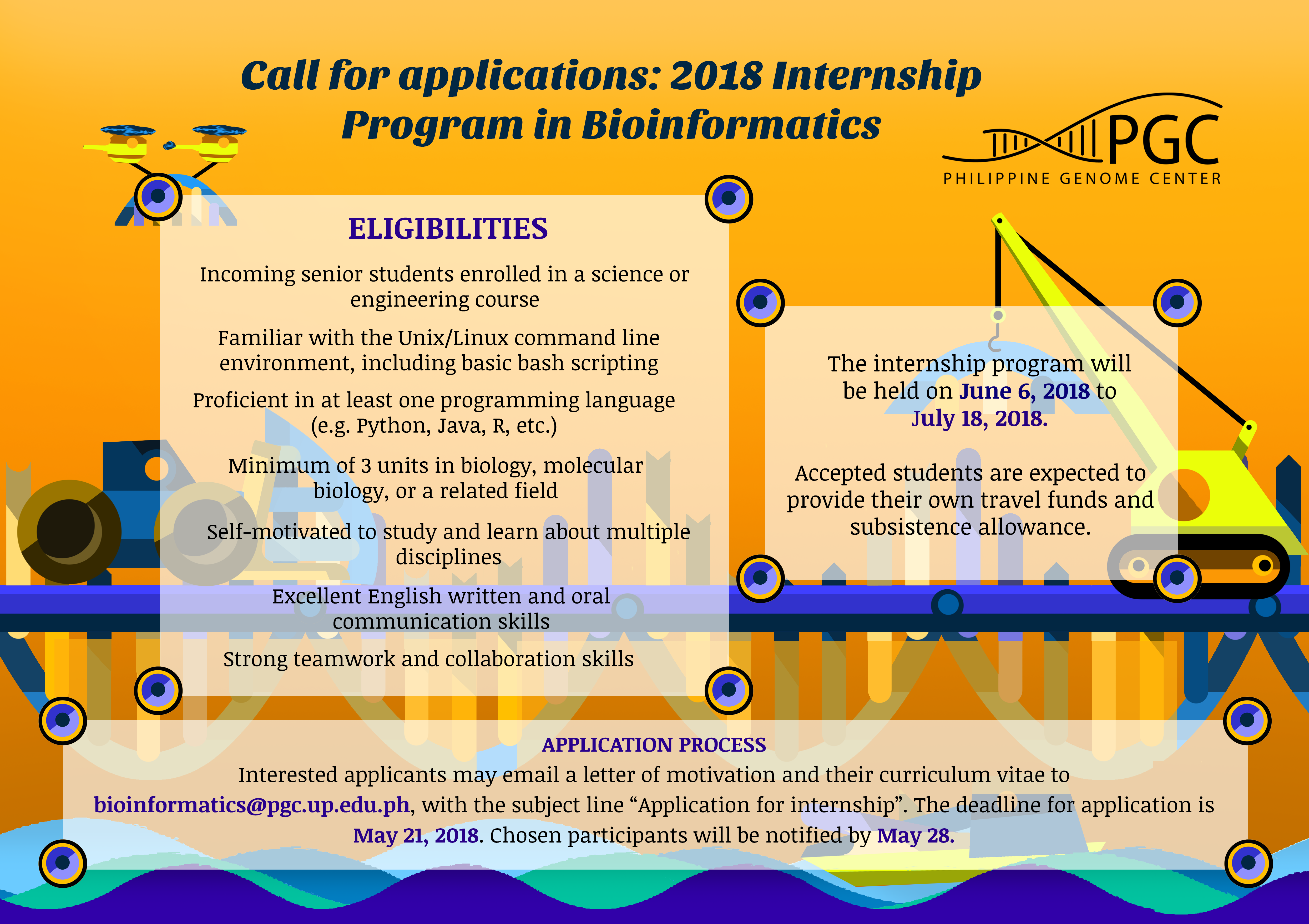
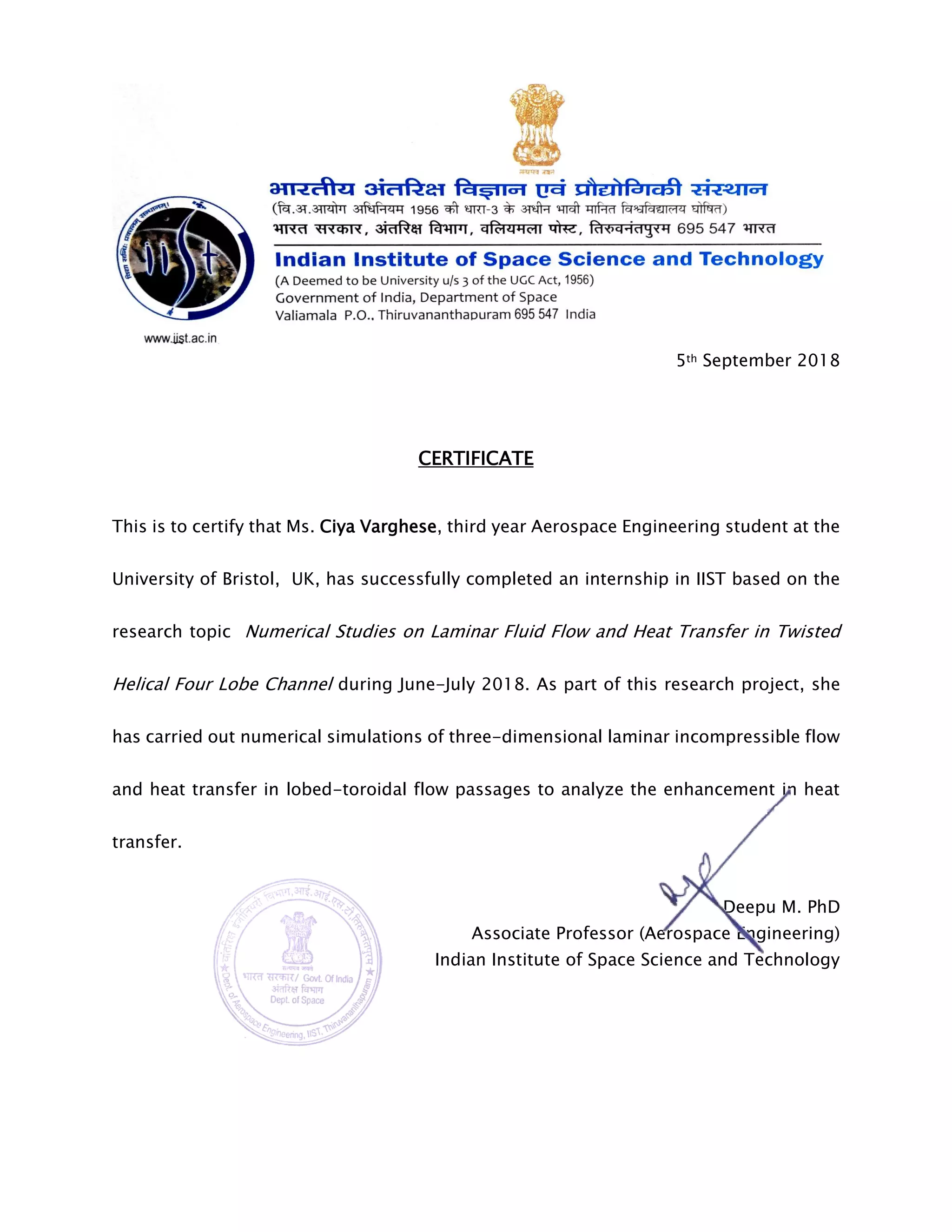
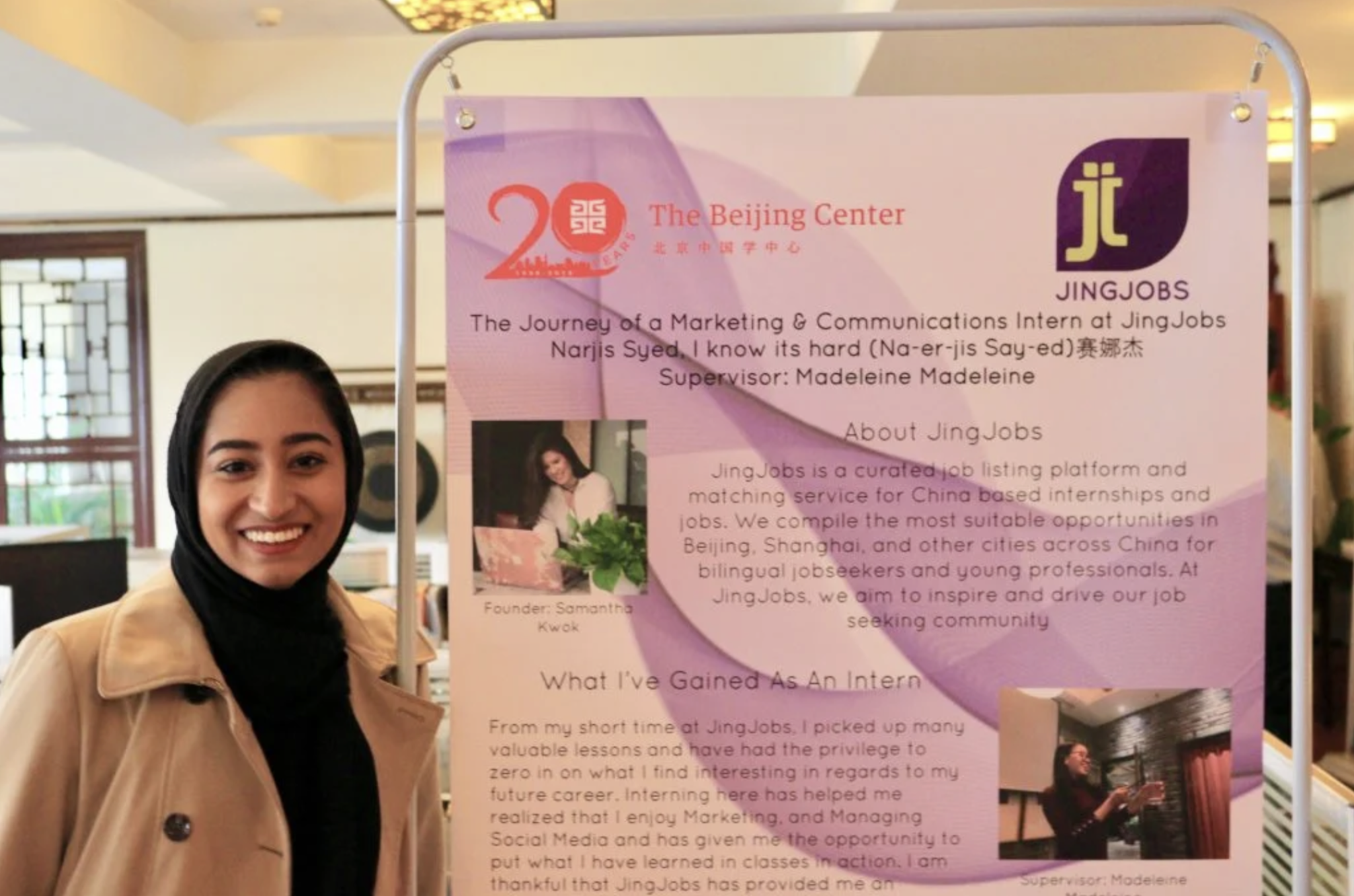
Internships in 2018 represented a pivotal era of robust economic growth and the maturation of structured corporate professional development. This cohort benefitted from high conversion rates and the peak of "perks culture," serving as the primary foundational launchpad for many of today’s senior-level professionals and mid-career managers in the 2026 workforce.
The year 2018 was a landmark period for the global labor market, particularly for students and recent graduates. Following years of post-recession recovery, 2018 saw unemployment rates in many developed economies hit historic lows, creating a "candidate's market." For those seeking 2018 internships, this meant more than just a line on a resume; it offered a competitive environment where companies vied for talent through high stipends, mentorship programs, and the promise of full-time offers.
By analyzing the structure, sectors, and long-term impacts of these programs from our current 2026 perspective, we can understand how the 2018 internship cycle shaped the current professional hierarchy.
The Economic and Professional Landscape of 2018
In 2018, the global economy was characterized by steady growth and the rapid expansion of the digital sector. Unlike the volatility seen in the early 2020s, the 2018 recruitment cycle was defined by predictability and aggressive expansion. Companies across the United States, Europe, and Asia were scaling their digital transformation efforts, leading to a massive surge in demand for technical and analytical interns.
The "War for Talent" was a dominant theme in 2018. Corporations realized that the most cost-effective way to secure high-quality entry-level employees was to "test-drive" them through structured summer or semester-long internships. Consequently, the 2018 internship season saw a shift away from the traditional, often criticized, "clerical" internship. Instead, programs were redesigned to be project-based, giving 20-year-olds direct responsibility for million-dollar initiatives or live software code.
Furthermore, 2018 was a year of significant legal and ethical scrutiny regarding unpaid internships. Following several high-profile lawsuits and a shift in Department of Labor guidelines in the U.S., many organizations transitioned toward fully paid models. This democratization of access allowed a more diverse pool of candidates to participate, as the financial barrier of working for "experience only" began to erode in high-demand sectors.
Leading Sectors for 2018 Internships
While internships were available in every industry, four specific sectors dominated the 2018 landscape, offering the most structured programs and the highest conversion rates to full-time roles.
Technology and Software Engineering
In 2018, the FAANG companies (Facebook, Apple, Amazon, Netflix, Google) were at the height of their cultural influence. A 2018 internship at a major tech firm was often seen as the "Golden Ticket." These programs were famous for their high pay—often exceeding $7,000 per month—and elaborate perks, including subsidized housing, travel reimbursements, and gourmet office catering. The focus was heavily on machine learning, data science, and cloud architecture, skills that have remained critical through 2026.
Finance and Investment Banking
The financial sector in 2018 remained a bastion of traditional internship structures. Bulge bracket banks like Goldman Sachs and J.P. Morgan utilized their 2018 summer analyst programs as their primary recruitment vehicle. These internships were characterized by high-pressure environments, 80-hour work weeks, and a rigorous "up or out" philosophy. However, the 2018 cohort was one of the first to see a concerted effort by banks to improve "work-life balance" through protected weekends, a response to the growing competition from the tech sector.
Management Consulting
Firms like McKinsey, BCG, and Bain (the "Big Three") focused their 2018 programs on strategy and digital transformation. Interns were often deployed to client sites, gaining immediate exposure to C-suite problems. The 2018 consulting internship was highly prized for the "exit opportunities" it provided, teaching a structured problem-solving framework that many of these individuals now use in executive roles in 2026.
Healthcare and Biotechnology
With the aging population and the rise of personalized medicine, 2018 was a significant year for internships in pharma and biotech. Organizations focused on clinical research, bioinformatics, and healthcare administration. These programs offered a more stable, mission-driven alternative to the volatility of tech and the intensity of finance.
Key Trends in 2018 Internship Programs
Several cultural and operational shifts occurred in 2018 that redefined what it meant to be an intern. These trends have since become standard practice, but in 2018, they were the cutting edge of HR strategy.
- The Rise of Diversity, Equity, and Inclusion (DEI): While DEI is a standard corporate pillar in 2026, 2018 marked the point where many firms formalized their "Diversity Internship" pipelines. These were dedicated programs designed to ensure that underrepresented groups had a direct path into high-paying industries.
- Focus on Soft Skills: 2018 was the year HR departments began heavily emphasizing "Emotional Intelligence" (EQ). Internship orientations were no longer just about learning the software; they included workshops on professional communication, conflict resolution, and networking.
- The Conversion Metric: In 2018, the success of an internship program was measured almost exclusively by its "conversion rate"—the percentage of interns who accepted full-time offers. Many firms aimed for 70% to 90% conversion, treating the 10-week summer program as a prolonged final interview.
Data Snapshot: The 2018 Internship Market
To understand the scale and compensation of these programs, the following table outlines the estimated averages for high-demand internship roles during the 2018 calendar year.
| Industry Sector | Average Monthly Stipend (USD) | Primary Location Hubs | Standard Duration | Full-Time Conversion Rate |
|---|---|---|---|---|
| Technology (Big Tech) | $6,500 – $8,500 | SF, Seattle, NYC | 10–12 Weeks | 75% |
| Investment Banking | $5,000 – $7,000 | NYC, London, Hong Kong | 10 Weeks | 85% |
| Consulting | $4,500 – $6,000 | Chicago, Boston, D.C. | 8–10 Weeks | 80% |
| Engineering (Civil/Mech) | $3,500 – $5,000 | Houston, Detroit, Berlin | 12 Weeks | 60% |
| Marketing & PR | $2,500 – $4,000 | NYC, LA, London | 10–14 Weeks | 45% |
Note: Data reflects averages for top-tier firms in major metropolitan areas during the 2018 fiscal year.
Where are the 2018 Interns in 2026?
Eight years have passed since the 2018 internship cohort finished their programs. In the professional timeline, eight years is a critical milestone; it is the transition point from "early career" to "mid-to-senior management."
Many who were interns in 2018 are now Senior Managers, Vice Presidents, or Lead Engineers. This specific group is unique because they began their careers in a pre-pandemic world. They learned "office etiquette," in-person networking, and corporate culture in a traditional setting before having to adapt to the remote-work revolution of 2020.
This "hybrid" experience has made the 2018 cohort highly resilient. They possess the foundational interpersonal skills gained in the busy offices of 2018, combined with the digital fluency required to lead remote teams in 2026. Data from LinkedIn and other career platforms suggest that individuals who held a structured internship in 2018 reached the "Director" level approximately 15% faster than those who entered the workforce without such a program during the same period.
Comparing 2018 Internships to the 2026 Landscape
The world of 2026 looks vastly different from 2018, yet the 2018 model serves as the blueprint for current programs. There are, however, distinct differences in how internships are conducted today.
- Remote vs. In-Person: In 2018, a "remote internship" was almost unheard of and often viewed with skepticism. In 2026, roughly 40% of internships are fully remote or hybrid, prioritizing global talent over geographical proximity.
- AI Integration: In 2018, interns were expected to do the "grunt work" of data entry and basic research. In 2026, these tasks are automated by AI, and interns are instead expected to prompt, manage, and audit AI outputs from day one.
- Compensation Transparency: While 2018 saw the beginning of pay discussions on forums like Reddit and Glassdoor, 2026 features strict pay transparency laws in many jurisdictions, making the "secret" high stipends of 2018 a thing of the past.
Frequently Asked Questions
Were 2018 internships mostly paid or unpaid?
By 2018, the vast majority of internships at mid-to-large-sized corporations were paid. While unpaid internships still existed in the non-profit and fashion sectors, the legal landscape in the U.S. and UK had shifted to make unpaid labor in for-profit companies much more difficult to justify. Most students in 2018 were advised to prioritize paid roles to ensure their work was legally compliant and professionally valued.
What was the most popular month to apply for 2018 summer internships?
The "recruitment cycle" for 2018 was surprisingly early. For tech and finance, applications often opened in August and September of 2017. By January 2018, most "prestigious" roles were already filled. This early-bird cycle became a hallmark of the 2018 era, forcing students to start their career planning nearly a full year in advance.
How did the 2018 internship experience help during the 2020 pandemic?
The 2018 cohort had roughly 1.5 to 2 years of "normal" office experience before the global lockdowns of 2020. This provided them with a critical baseline of professional behavior and internal networks. When the world shifted to Zoom, these individuals already knew their colleagues and understood corporate hierarchies, which allowed them to maintain productivity and career momentum more effectively than those who started their first jobs remotely in 2020.
Which skills from a 2018 internship are still relevant in 2026?
While specific software versions have changed, the core "transferable" skills remain identical. These include project management, data-driven decision-making, and the ability to collaborate across diverse teams. Specifically, the "Agile" and "Scrum" methodologies that were widely taught to 2018 interns are still the dominant project management frameworks used in 2026.
Can I still list a 2018 internship on my resume in 2026?
If you are now a mid-career professional, a 2018 internship should typically be moved to a "Previous Experience" or "Early Career" section, or removed entirely if you have significant senior-level experience. However, if the internship was at a world-renowned institution (like NASA, Google, or the UN), it may still carry "prestige value" and can be mentioned briefly to show a consistent track record of high performance.
Maximizing the Value of Historical Experience
For those who participated in the 2018 internship cycle, the focus in 2026 should be on "narrative arc." When interviewing for executive roles today, you should frame your 2018 experience as the start of a continuous journey of adaptation.
Highlight how the foundational skills you learned in that pre-pandemic environment—such as face-to-face negotiation or physical whiteboard brainstorming—compliment your current mastery of 2026’s digital-first tools. By connecting the structured rigor of 2018 with the technological agility of 2026, you demonstrate a career longevity and adaptability that is highly attractive to modern employers.