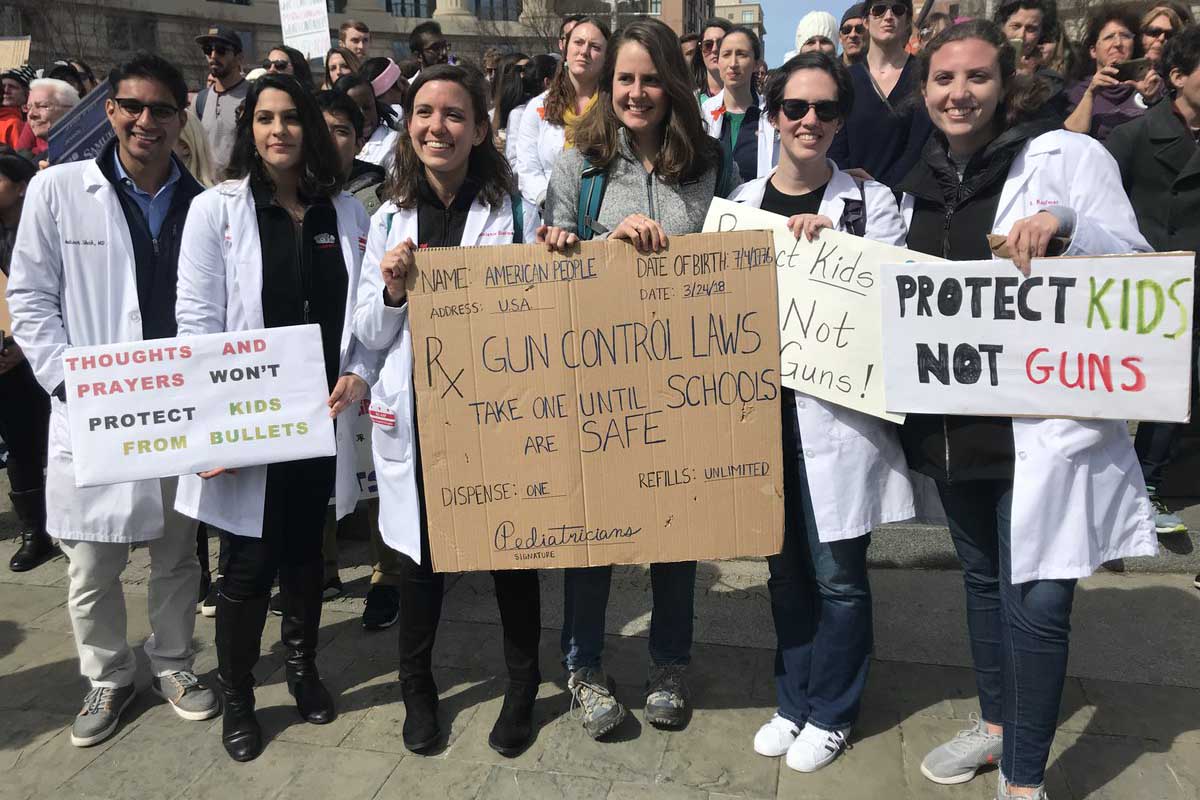
In 2018, firearm violence in the United States reached critical levels, resulting in nearly 40,000 gun-related deaths nationwide according to data from the Centers for Disease Control and Prevention (CDC). Driven by major mass casualty events, high suicide rates, and ongoing urban gun violence, 2018 marked a decisive turning point that catalyzed state-level legislative reforms, federal regulatory action on bump stocks, and expanded public health research frameworks.
Epidemiological Overview: Key Data and Demographics from 2018
Understanding the scope of 2018 firearm violence requires examining mortality data recorded by federal public health and law enforcement agencies. According to final mortality figures compiled in the CDC WONDER database, the United States recorded 39,740 firearm-related deaths in 2018. This translated to an age-adjusted firearm mortality rate of approximately 11.9 per 100,000 population, maintaining a historical high for the surrounding decade.
2018 U.S. Firearm Mortality Breakdown (Total: ~39,740):
- Suicide (~61%)
- Homicide (~35%)
- Unintentional / Law Enforcement / Undetermined (~4%)
The composition of firearm deaths in 2018 broke down into distinct intent categories:
- Firearm Suicides: Self-inflicted gunshot wounds accounted for the vast majority of gun deaths in 2018, totaling 24,432 cases (approximately 61.5% of total firearm deaths). Older adults, particularly white males aged 65 and older, experienced the highest demographic rate of firearm suicide.
- Firearm Homicides: Murders and non-negligent manslaughters involving firearms numbered 13,958 in 2018 (representing roughly 35.1% of all gun deaths). Young adults and teenagers, particularly young Black males aged 15 to 34, disproportionately bore the burden of firearm homicides, reflecting deep-seated structural disparities and concentrated urban community violence.
- Unintentional, Law Enforcement, and Undetermined Deaths: Accidental discharges accounted for 458 deaths, legal interventions by law enforcement accounted for 547 deaths, and 345 deaths were classified as having undetermined intent.
From an epidemiological perspective, 2018 reinforced that firearm violence is not a singular phenomenon, but rather a complex public health challenge comprising distinct modes of harm requiring targeted intervention strategies. Data presented herein reflects official reporting from government institutions; researchers and readers analyzing historical legal or medical statistics should consult primary public health records for localized jurisdictional breakdowns.
Major Mass Shooting Incidents and Public Catalysts of 2018
While mass shootings accounted for a small percentage of total annual gun fatalities in 2018, several high-profile mass casualty events intensified national attention on gun control, school safety, and extremist violence.
Marjory Stoneman Douglas High School (Parkland, Florida)
On February 14, 2018, a gunman killed 17 students and staff members and injured 17 others at Marjory Stoneman Douglas High School in Parkland, Florida. Executed with a semi-automatic AR-15 style rifle, the attack ignited unprecedented youth-led political mobilization. Student survivors co-founded the March for Our Lives movement, which organized nationwide demonstrations on March 24, 2018, drawing hundreds of thousands of protesters in Washington, D.C., and satellite marches globally.
Santa Fe High School (Santa Fe, Texas)
Three months after Parkland, on May 18, 2018, a student killed 10 people and injured 13 others at Santa Fe High School near Houston, Texas. Utilizing a shotgun and a .38 revolver legally owned by his father, the incident highlighted vulnerabilities in school infrastructure and brought renewed focus to safe storage laws for firearms in homes with minors.
Capital Gazette Newsroom (Annapolis, Maryland)
On June 28, 2018, a shooter armed with a 12-gauge shotgun attacked the offices of The Capital, a daily newspaper in Annapolis, Maryland, killing five employees and injuring two others. The attack stood out as one of the deadliest targeted assaults on journalists in U.S. history, stemming from a long-standing personal grievance against the publication.
Tree of Life Synagogue (Pittsburgh, Pennsylvania)
On October 27, 2018, an anti-Semitic extremist opened fire inside the Tree of Life – Or L'Simcha Congregation in Pittsburgh during Saturday morning services. Eleven worshippers were killed and six others were wounded, including four responding police officers. The perpetrator utilized a semi-automatic rifle and three handguns. The massacre represented the deadliest anti-Semitic attack in United States history, driving heightened concern over hate crimes fueled by firearm accessibility.
Borderline Bar and Grill (Thousand Oaks, California)
On November 7, 2018, a gunman armed with a .45-caliber handgun equipped with high-capacity magazines killed 12 people, including a responding sheriff's deputy, at a college night event at the Borderline Bar and Grill in Thousand Oaks, California.
Federal and State Legislative Shifts Following the 2018 Crisis
The high concentration of mass violence in 2018 produced swift legislative and regulatory adjustments at both state and federal levels, shifting the policy landscape significantly.
Key Policy Initiatives (2018):
- Federal: Department of Justice / ATF Bump Stock Ban
- State: Extreme Risk Protection Orders (ERPOs / Red Flag)
- State: Mandatory Age Threshold Increases (Age 18 to 21)
Federal Administrative Action: The Bump Stock Ban
Following directions issued by the White House after the late 2017 Las Vegas shooting and early 2018 public pressure, the United States Department of Justice published a final rule in December 2018 amending the regulations of the Bureau of Alcohol, Tobacco, Firearms and Explosives (ATF). The rule classified bump-stock-type devices—which utilize recoil to enable semi-automatic firearms to fire rapidly—as "machineguns" under the National Firearms Act of 1934 and the Gun Control Act of 1968. The federal ban required owners to destroy or surrender these devices before the rule took effect in March 2019.
Expansion of State "Red Flag" Laws
Prior to 2018, only five states had enacted Extreme Risk Protection Order (ERPO) statutes, commonly known as red flag laws. These statutes allow family members or law enforcement officers to petition a civil court for the temporary removal of firearms from individuals deemed a danger to themselves or others. In 2018 alone, eight additional states (including Florida, Maryland, Vermont, Washington, and Rhode Island) enacted ERPO legislation. Florida's Marjory Stoneman Douglas High School Public Safety Act, signed into law by Governor Rick Scott in March 2018, included red flag provisions, extended waiting periods, and raised the legal age to purchase long guns to 21.
Congressional Funding for Gun Violence Research
For over two decades following the passage of the 1996 Dickey Amendment, federal funding for public health research into gun violence at the CDC and National Institutes of Health (NIH) was largely halted due to language prohibiting funds from being used to advocate or promote gun control. In March 2018, Congress passed an omnibus spending bill containing explicit report language clarifying that the CDC could conduct research into the causes and prevention of gun violence, laying the foundation for dedicated federal funding allocated in late 2019.
Breakdown of 2018 Firearm-Related Mortality Data
The table below summarizes the key categories of firearm mortality in the United States for the year 2018 based on standardized figures compiled from the CDC National Center for Health Statistics and the FBI Uniform Crime Reporting (UCR) Program.
| Mortality Category | Total Deaths (2018) | Percentage of Total | Crude Rate per 100,000 | Primary Demographics Impacted |
|---|---|---|---|---|
| Firearm Suicide | 24,432 | 61.5% | 7.5 | Non-Hispanic White males, older adults (aged 65+) |
| Firearm Homicide | 13,958 | 35.1% | 4.3 | Non-Hispanic Black males, adolescents & young adults (aged 15–34) |
| Unintentional Discharge | 458 | 1.2% | 0.1 | Young children, adolescents, rural gun owners |
| Legal Intervention | 547 | 1.4% | 0.2 | Males aged 20–44 across varied urban/suburban regions |
| Undetermined Intent | 345 | 0.9% | 0.1 | Broad demographic distribution |
| Total Firearm Deaths | 39,740 | 100.0% | 12.2 | National Population Total |
Data source: CDC WONDER Cause of Death database and FBI UCR Expanded Homicide Data (2018).
Corporate, Institutional, and Public Health Framework Responses
The events of 2018 also forced private enterprises, financial institutions, and medical organizations to take formal stances on gun safety, safety policies, and commercial access.
Corporate Retail Policy Adjustments
In the weeks following the Parkland shooting in February 2018, major American retailers adjusted their commercial firearms policies without waiting for statutory mandates:
- Dick's Sporting Goods: Announced it would permanently cease selling assault-style rifles and high-capacity magazines in its stores and raised the minimum age to purchase any firearm to 21.
- Walmart: Implemented a minimum purchasing age of 21 for all firearms and ammunition and removed items resembling modern sporting rifles from its inventory.
- Financial Institutions: Banks such as Citigroup and Bank of America instituted policies restricting business services for firearms manufacturers that produced high-capacity semi-automatic rifles for civilian sales or sold weapons to buyers under 21.
The Public Health Approach to Community Violence
Medical professionals and public health researchers increasingly categorized gun violence in 2018 as a biological-style epidemic that spreads through social networks. Major organizations, including the American College of Physicians (ACP) and the American Medical Association (AMA), published policy recommendations advocating for universal background checks, safe storage education, mandatory waiting periods, and increased funding for community violence intervention (CVI) programs.
Hospital-Based Violence Intervention Programs (HVIPs) expanded rapidly across urban trauma centers in 2018. These programs combine emergency medical care with tailored social work, mental health counseling, and crisis mediation to reduce retaliation and re-injury rates among survivors of gunshot wounds.
Frequently Asked Questions About 2018 Firearm Violence
How many total firearm deaths occurred in the United States in 2018?
According to official data from the CDC WONDER database, there were 39,740 firearm-related fatalities in the United States in 2018. This figure includes suicides, homicides, accidental discharges, legal interventions, and undetermined deaths.
What major federal gun control regulations were enacted in response to 2018 events?
The primary federal regulatory modification resulting from 2018 events was the Department of Justice and ATF administrative rule published in December 2018, which officially reclassified bump-stock-type devices as prohibited machine guns under federal law.
What were the key legislative changes implemented at the state level in 2018?
Following the Parkland mass shooting, numerous states expanded Extreme Risk Protection Orders (red flag laws), raised the legal age to purchase long guns from 18 to 21, mandated minimum waiting periods, and enacted stricter safe storage laws. Florida's Marjory Stoneman Douglas High School Public Safety Act was among the most prominent examples.
How did 2018 influence public health research funding for firearm violence?
In March 2018, federal omnibus legislative language clarified that the 1996 Dickey Amendment did not ban CDC research into gun violence prevention. This statutory clarification opened the door for Congress to directly appropriate targeted funds for firearm injury research in subsequent fiscal budgets.
What role did student advocacy play following 2018 firearm violence incidents?
Student survivors of the Parkland school shooting established the March for Our Lives movement, which mobilized millions of citizens worldwide to march for stricter gun control laws. Their advocacy significantly influenced state legislative sessions during 2018 and shifted public discourse surrounding school safety and gun reform.
Practical Resources for Researching Firearm Violence Trends and Public Safety Data
For criminologists, policy analysts, healthcare professionals, and journalists investigating 2018 gun violence data or evaluating historical safety trends, utilizing verified primary sources is essential.
- Access CDC WONDER Datasets: Query the CDC Underlying Cause of Death database using ICD-10 codes
U01.4(terrorism involving firearms),W32–W34(accidental discharge),X72–X74(intentional self-harm by firearm), andX93–X95(assault by firearm) to isolate demographic trends across specific years. - Examine Law Enforcement Reports: Review the FBI's Crime Data Explorer and historical Uniform Crime Reporting (UCR) Expanded Homicide Tables for precise weapon breakdowns, victim-offender relationships, and municipal crime data.
- Review State Judicial ERPO Filings: Researchers studying the efficacy of red flag laws enacted in 2018 can request civil court administrative data from state judicial departments (such as Florida, Maryland, or California) to measure petition counts, order issuance rates, and outcome assessments.
- Utilize Non-Partisan Clearinghouses: Supplement official government records with independent research repositories such as the National Institute of Justice (NIJ) publications or the Violence Prevention Research Program (VPRP) at UC Davis for peer-reviewed evaluations of 2018 gun safety legislation.