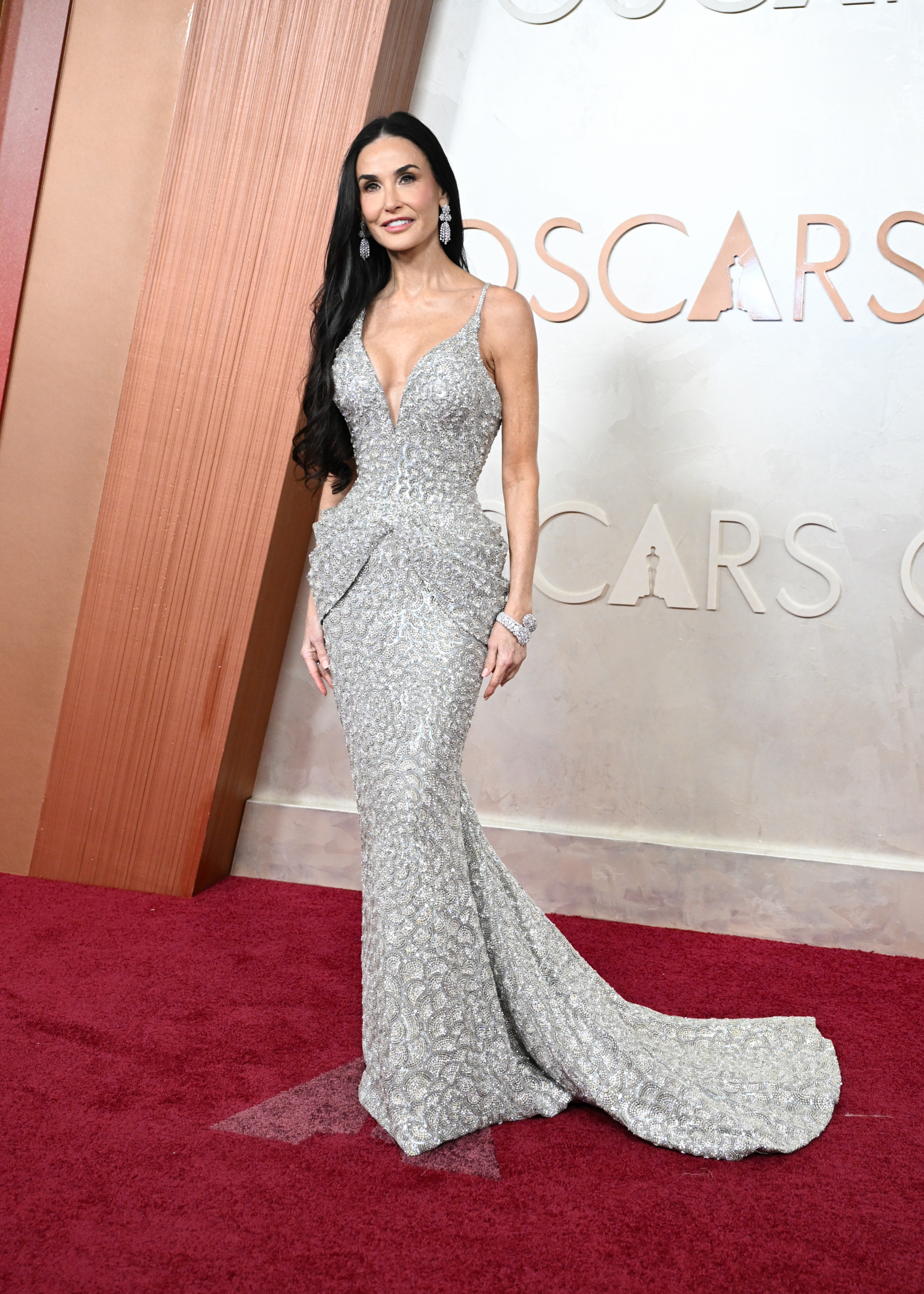
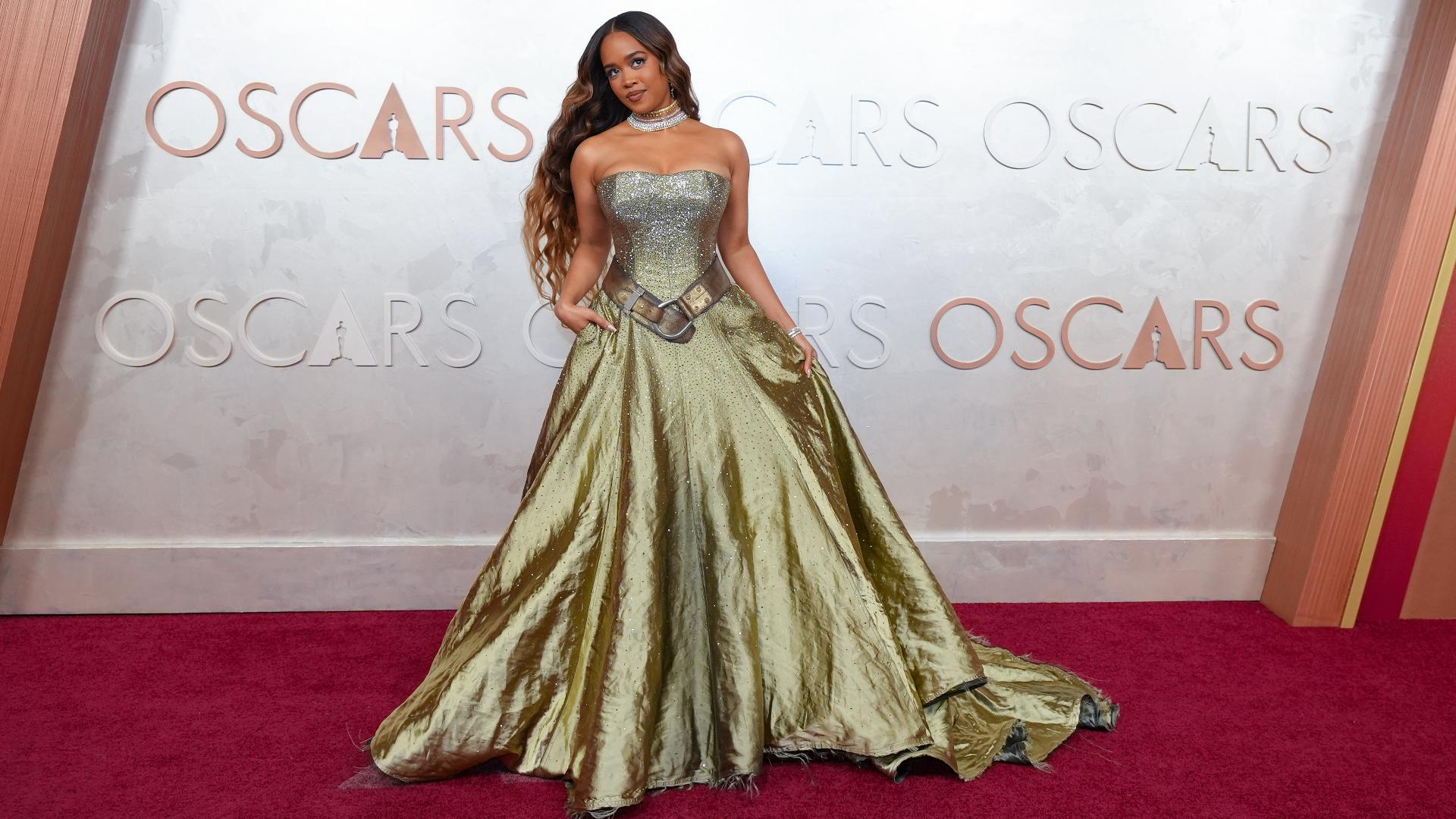
The 90th Academy Awards, held on March 4, 2018, served as a landmark moment for cinematic fashion, blending the prestige of a nearly century-old tradition with a modern, defiant spirit. Critics and audiences alike reviewed the evening's attire through a lens of architectural precision and bold color, marking a significant departure from the monochromatic protests seen earlier that awards season.
Historical Context: The 90th Academy Awards Red Carpet
The 2018 red carpet was uniquely positioned between the legacy of "Old Hollywood" and the cultural shifts of the late 2010s. Coming off the heels of the 2018 Golden Globes, where the #TimesUp movement prompted a near-total black-dress code, the Oscars were widely expected to return to vibrant color while maintaining a sense of gravity. This expectation created a high-stakes environment for designers, as the global audience and fashion critics were looking for more than just beauty; they were looking for a statement of identity and resilience.
Hosted by Jimmy Kimmel, the 90th anniversary of the Oscars emphasized longevity and the "gold standard" of the industry. This theme manifested in the fashion through a heavy reliance on metallics, particularly gold and silver, which mirrored the Oscar statuette itself. Furthermore, the 2018 reviews were notable for their focus on "structural integrity"—dresses that didn't just hang on the body but were engineered to create specific, often sharp, silhouettes. From the perspective of 2026, we can see these choices as the precursor to the more experimental and gender-fluid red carpets that would define the early 2020s.
Reviewers from major publications like Vogue, The New York Times, and Harper’s Bazaar were remarkably aligned in their 2018 assessments. They prioritized "originality within tradition," rewarding stars who took risks that felt grounded in the evening’s formal requirements. Conversely, the "worst reviewed" looks were typically those that were deemed over-embellished or conceptually confused, failing to strike the delicate balance between the 90th anniversary's formality and modern minimalism.
The Pinnacle of Elegance: Best Reviewed Dresses of the Night
The 2018 best-dressed lists were dominated by a few key performers who utilized color and structure to command the red carpet. Leading the pack was Lupita Nyong'o, whose Atelier Versace gown was an immediate critical darling. The gown featured a gold-to-black gradient in a chainmail-like texture, accented by a bold sash that crossed the bodice. Critics praised the "warrior-chic" aesthetic, noting how it paid homage to her role in Black Panther while maintaining the high-fashion standards of the Academy. The technical mastery of the Versace gold mesh was cited as a prime example of how to execute metallics without appearing kitschy.
Nicole Kidman provided one of the most talked-about moments of the night in a custom Armani Privé gown. The choice of a vibrant "electric" or "cobalt" blue was a significant risk, but it was the structural bow at the waist and the sharp, heart-shaped neckline that won over the fashion elite. Reviewers lauded the gown for its architectural audacity, describing it as a "masterclass in silhouette." The dress moved with a stiffness that suggested armor, yet the color provided a softness that felt appropriate for the milestone anniversary.
Another top-reviewed look was Saoirse Ronan in a custom Calvin Klein by Appointment. The dress featured a pale pink hue, a strapless neckline, and a massive, structural bow on the back that trailed into a train. In 2018, this was seen as a bold pivot toward "Millennial Pink" executed with high-fashion restraint. Critics appreciated the simplicity of the front contrasted with the dramatic volume of the back, labeling it a sophisticated evolution for the young actress. It was a look that bridged the gap between youthful energy and the somber prestige of the Oscars.
Analyzing the "Worst Reviewed" and Divisive Ensembles
In the realm of fashion criticism, "worst" is often a synonym for "conceptually mismatched." The 2018 reviews were particularly harsh on looks that appeared to lose their wearer in too much fabric or detail. Salma Hayek’s Gucci gown was perhaps the most polarizing of the night. Featuring layers of purple sequins, tiered ruffles, and a heavy diamond "chandelier" necklace draped over the shoulders, critics generally felt the look was "over-designed." While the craftsmanship of the Gucci piece was undeniable, the consensus was that the elements competed with one another rather than forming a cohesive narrative.
St. Vincent (Annie Clark) also faced a wave of critical skepticism for her Saint Laurent mini-dress. While the avant-garde singer is known for her edge, the extremely short hemline and one oversized, sculptural sleeve were deemed "too casual" or "too editorial" for the Academy Awards. Reviewers often pointed out that while the look would have been a triumph at the Grammy Awards or the Met Gala, it felt out of step with the 90th anniversary’s formal atmosphere. This highlight's a recurring theme in Oscar reviews: the importance of "event-appropriateness."
Finally, Emma Stone’s Louis Vuitton suit was a point of intense debate. Moving away from the traditional gown, Stone wore a silk tuxedo jacket with a pink sash and slim trousers. While some critics hailed it as a progressive and refreshing choice that echoed the #TimesUp sentiment, others felt the fit was slightly off or that the colors lacked the punch needed for a lead actress nominee. In 2026, we recognize this suit as a trailblazer for the many "non-gown" looks that have since become standard, but in the immediate aftermath of the 2018 ceremony, it was a source of significant critical friction.
Comparative Review of 2018 Red Carpet Standouts
The following table summarizes the critical consensus for several of the most discussed looks of the 90th Academy Awards, focusing on the designer and the primary reason for their ranking.
| Celebrity | Designer | Style Category | Critical Consensus |
|---|---|---|---|
| Lupita Nyong'o | Atelier Versace | Gold Metallic / Structural | Best: Iconic, powerful, and culturally resonant. |
| Nicole Kidman | Armani Privé | Architectural / Cobalt Blue | Best: Audacious silhouette and perfect tailoring. |
| Jennifer Lawrence | Dior | Sequin / Platinum | Best: Effortlessly glamorous and "Old Hollywood" cool. |
| Salma Hayek | Gucci | Tiered Sequin / Purple | Worst: Over-embellished and visually cluttered. |
| St. Vincent | Saint Laurent | Avant-Garde / Mini | Worst: Inappropriate for the venue's formal history. |
| Saoirse Ronan | Calvin Klein | Minimalist / Pink | Best: Modern, clean, and youthfully sophisticated. |
| Margot Robbie | Chanel Haute Couture | White / Beaded | Best: Ethereal and perfectly fitted to her brand. |
| Maya Rudolph | Valentino | High-Neck / Crimson | Mixed: Some loved the bold color; others called it "monastic." |
The Influence of Color Theory and Textile Choice in 2018
The 2018 reviews frequently touched upon the "return of color." After the symbolic black of the Golden Globes, the Academy Awards felt like a visual explosion. However, it wasn't just any color—it was a specific palette of "power colors." Red was a dominant force, seen on Allison Janney (in Reem Acra) and Meryl Streep (in Dior). Critics noted that the use of deep crimsons and bright scarlets signaled a sense of confidence and authority.
Textile choice also played a massive role in the reviews. The 2018 red carpet saw a resurgence of "liquid metallics." Unlike the chunky sequins of previous years, the 2018 metallics—seen on Gal Gadot in Givenchy and Jennifer Lawrence in Dior—were designed to look like molten metal. These dresses were reviewed favorably because they managed to be high-impact without requiring excessive jewelry. The dress itself became the jewelry.
Furthermore, the use of "heavy" fabrics like velvet and silk radzimir allowed for the structural shapes that critics loved. These fabrics have the "memory" required to hold a bow or a peplum in place throughout a four-hour ceremony and the subsequent parties. From a technical SEO editor’s perspective, the "Best Reviewed" dresses were almost always those that photographed well from every angle, a feat only possible with superior fabric selection and internal boning.
Looking Back from 2026: The Lasting Impact of 2018 Fashion
From our vantage point in 2026, the 2018 Academy Awards are viewed as the "last great classic red carpet" before the industry moved into a more radical era of experimentation. The looks of 2018 have aged remarkably well, particularly those that leaned into structural minimalism. Lupita Nyong'o's Versace and Nicole Kidman's Armani are frequently cited in 2026 retrospectives as "timeless" examples of how to marry celebrity persona with high-fashion architecture.
The "worst reviewed" looks of 2018 have also provided lessons for the industry. The critique of Salma Hayek’s Gucci gown, for instance, contributed to a shift away from "maximalism for maximalism's sake" on the Oscar stage, leading to the more curated "quiet luxury" looks we see today. The Emma Stone tuxedo, once divisive, is now seen as a prophetic moment that paved the way for the gender-neutral fashion movement that dominated the early 2020s.
Ultimately, the 2018 reviews served as a transition point. They moved the conversation from "Who are you wearing?" to "What does this choice communicate?" This shift in intent-focused fashion is why the 2018 Academy Awards remain a frequent point of reference for stylists and critics eight years later.
Who was considered the "Best Dressed" of the 2018 Oscars?
While subjective, the general critical consensus among major fashion outlets like Vogue and Harper's Bazaar pointed to Lupita Nyong'o in Atelier Versace and Nicole Kidman in Armani Privé. Both were praised for their flawless tailoring, bold use of color or metallic texture, and their ability to command the red carpet with a "statuesque" presence.
Why was Salma Hayek's dress poorly reviewed?
Critics generally found Salma Hayek's Gucci gown to be over-embellished. The combination of tiered ruffles, multiple layers of sequins, a vibrant purple hue, and heavy crystal-drop jewelry was seen as "competing" for the viewer's attention. The consensus was that the dress lacked a singular focus, which is often a requirement for a high-ranking Oscar look.
What was the main fashion trend of the 2018 Academy Awards?
The primary trends were architectural silhouettes and liquid metallics. Designers moved away from soft, flowy fabrics in favor of structured bodices, sharp necklines, and bold, oversized bows. Additionally, gold and silver gowns that mimicked the texture of chainmail or molten metal were highly prevalent, reflecting the 90th anniversary "gold standard" theme.
How did the #TimesUp movement affect 2018 Oscar fashion?
Unlike the 2018 Golden Globes, where celebrities wore black in a coordinated protest, the 2018 Oscars saw a return to color. However, the movement's influence was still felt through a focus on "armor-like" fashion—structured, powerful gowns that emphasized strength rather than traditional "dainty" femininity. It also sparked the conversation that led to more women, like Emma Stone, choosing trousers or suits.
Were there any major surprises in the 2018 fashion reviews?
One of the biggest surprises was the divisive nature of Emma Stone's Louis Vuitton suit. While she was a previous Best Actress winner and a fashion icon, her choice of a tuxedo was met with mixed reviews; some praised the progressive stance, while others felt it didn't quite meet the formal "glamour" expectations of the 90th anniversary.
Preserving Fashion History: How to Analyze Red Carpet Archives
When researching historical red carpet events like the 2018 Oscars, it is essential to look beyond the "Best" and "Worst" headlines and examine the technical reasons provided by professional critics. Effective fashion analysis requires an understanding of garment construction, brand heritage, and the cultural climate of the time. For those looking to build their own fashion archives or analysis, start by comparing the "intended" look from the runway with the "executed" look on the red carpet.
To further explore this topic, students of fashion and history should look at the official archives of The Academy and the digital collections of major fashion publications from March 2018. These sources provide the original, high-resolution imagery and immediate critical reactions that defined the narrative of the 90th Academy Awards. By studying how these reviews have aged by 2026, we gain a deeper understanding of the cyclical nature of taste and the enduring power of well-constructed design.