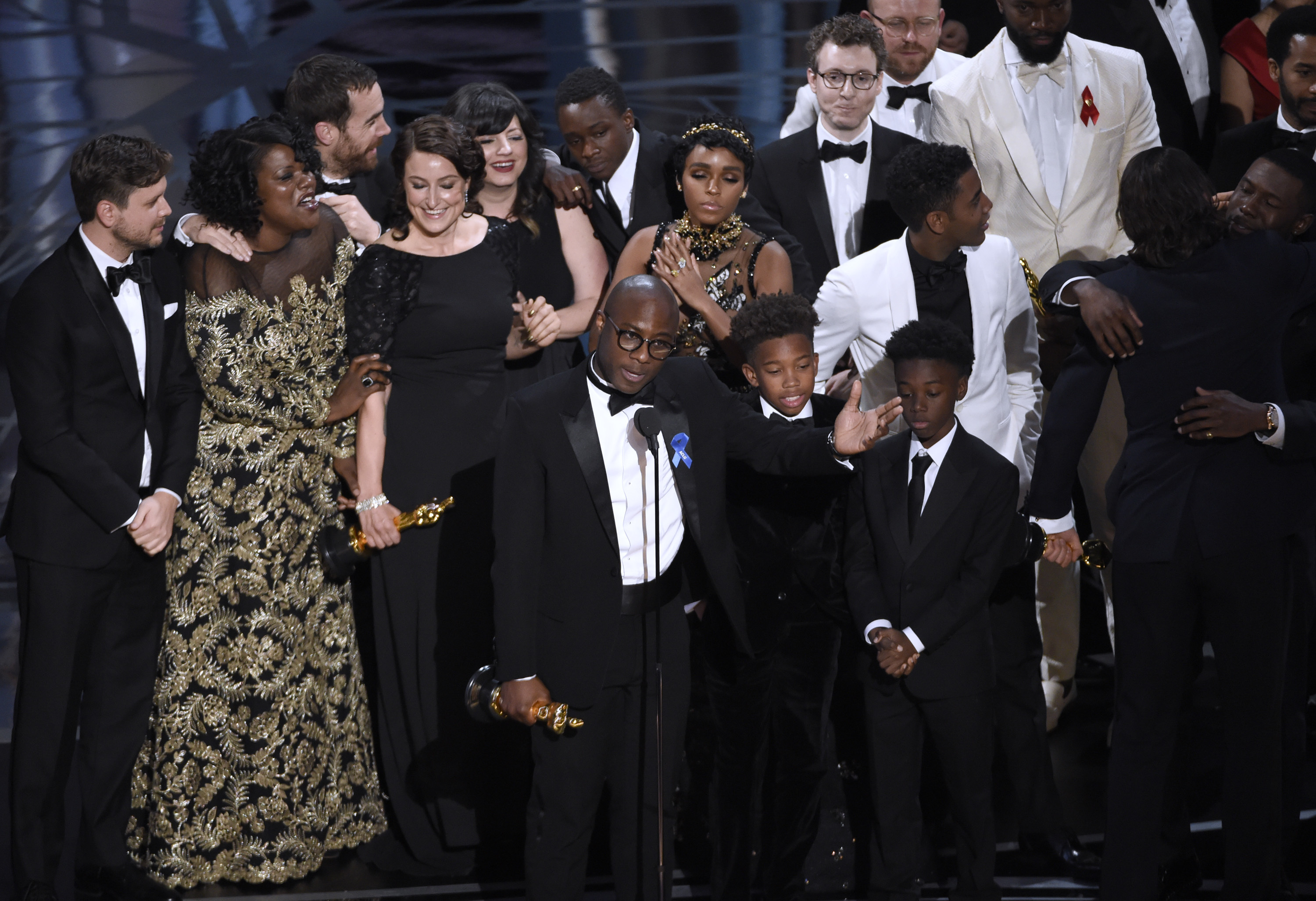
The 2017 Oscar season refers to the awards campaign circuit culminating in the 89th Academy Awards on February 26, 2017, which honored films released in 2016, as well as the late-2017 festival circuit. Defined by institutional voting reforms, unprecedented category upsets, and the infamous Best Picture envelope mix-up between La La Land and Moonlight, this season fundamentally altered modern Hollywood awards campaigning.
Context and Setup: Resolving the Dual Calendar of the 2017 Awards Narrative
Understanding the 2017 Oscar season requires distinguishing between the awards presented in calendar year 2017 and the movies released late in that same year. In film journalism and industry trade parlance, the "2017 Oscar season" primarily denotes the campaign phase running from the fall 2016 film festivals through the 89th Academy Awards broadcast on February 26, 2017. Secondarily, the term touches upon the autumn 2017 festival circuit—including Venice, Telluride, and the Toronto International Film Festival (TIFF)—which positioned films like The Shape of Water and Get Out for the 90th Academy Awards held in early 2018.
The early-2017 climax marked a pivotal structural transition for the Academy of Motion Picture Arts and Sciences (AMPAS). Coming off back-to-back years of public scrutiny surrounding nominee demographic representations, AMPAS executed sweeping administrative overhauls under President Cheryl Boone Isaacs. The resulting season served as a real-time testing ground for how a newly diversified, globalized voting body would balance traditional studio epics, commercial auteur projects, and micro-budget independent cinema.
- 2016 Fall Festivals (Telluride, TIFF)
- 2016/2017 Precursors (PGA, DGA, SAG, BAFTA)
- Feb 26, 2017: 89th Oscars (Moonlight / La La Land)
- Fall 2017 Circuit (90th Cycle Starts)
Rather than operating as a simple coronation for studio frontrunners, the 2017 season established new precedents for narrative trajectory, media strategy, and crisis management. The fallout from the season reshaped how publicists manage precursor momentum, how accounting firms oversee live ballots, and how independent distributors budget their theatrical expansion windows.
Key Contenders and Nominees of the 89th Academy Awards
The nominee slate for the 89th Academy Awards represented one of the most eclectic critical consensus lists in contemporary Oscar history. Leading the field was Damien Chazelle’s romantic musical La La Land, which tied the historic record of 14 Academy Award nominations previously set by All About Eve (1950) and Titanic (1997). Distributed by Lionsgate/Summit, the film combined nostalgic classical Hollywood homage with technical virtuosity, winning early precursor honors at the Venice Film Festival and sweeping all seven of its nominations at the Golden Globe Awards.
Challenging La La Land across major categories was Barry Jenkins’s Moonlight, an intimate, three-act coming-of-age drama produced by Plan B Entertainment and distributed by A24. Operating on a modest budget estimated at $1.5 million, Moonlight garnered eight nominations and emerged as the critical favorite of the season, winning top honours from the National Society of Film Critics and the Los Angeles Film Critics Association.
| Film | Nominations | Primary Distributor |
|---|---|---|
| La La Land | 14 Nominations | Lionsgate |
| Moonlight | 8 Nominations | A24 |
| Manchester by the Sea | 6 Noms | Amazon |
| Arrival | 8 Noms | Paramount |
| Fences | 4 Noms | Paramount |
| Hidden Figures | 3 Noms | 20th Century Fox |
| Hacksaw Ridge | 6 Noms | Lionsgate |
| Hell or High Water | 4 Noms | Lionsgate |
| Lion | 6 Noms | The Weinstein Co. |
The Best Picture category expanded to include nine nominees, capturing a wide spectrum of genres, scales, and release models:
- Denis Villeneuve’s Arrival: A high-concept science fiction drama from Paramount Pictures that earned eight nominations, proving that cerebral genre filmmaking could maintain substantial awards footprint alongside commercial box office success.
- Kenneth Lonergan’s Manchester by the Sea: Distributed theatrically by Roadside Attractions in partnership with Amazon Studios, securing six nominations and signaling the arrival of major streaming platforms in top-tier awards races.
- Theodore Melfi’s Hidden Figures: A commercial juggernaut for 20th Century Fox that combined strong audience tracking with historical revisionism, grossing over $230 million worldwide while earning three key nominations.
- Denzel Washington’s Fences: An adaptation of August Wilson’s Pulitzer Prize-winning play, which served as a major showcase for acting categories.
- Mel Gibson’s Hacksaw Ridge, David Mackenzie’s Hell or High Water, and Garth Davis’s Lion rounded out the slate, demonstrating strong support across craft branches and international voting blocks.
Campaign Strategies and Institutional Reforms Following #OscarsSoWhite
The strategic environment of the 2017 Oscar season was profoundly shaped by institutional changes inside AMPAS. Following intense criticism surrounding the 87th and 88th Academy Award nominations, the Academy’s Board of Governors committed to doubling its female and diverse membership by 2020. In mid-2016, AMPAS invited a record 683 new members, diversifying the active voting pool with younger, more racially diverse, and internationally based filmmakers.
This demographic shift altered traditional Oscar campaign mechanics:
- Shift Away from Traditional Oscar Bait: Historically, lavish period pieces and broad studio melodramas dominated preferential balloting. The refreshed electorate prioritized distinct cinematic voices, authorial originality, and cultural urgency over conventional production scope.
- Targeted Guild Profiling: Campaign publicists adapted by steering talent away from standard broadcast press junkets toward specialized guild Q&As and tailored academy screenings in London, New York, and Los Angeles.
- The Rise of Boutique Strategy: A24 engineered a patient platform release for Moonlight, leveraging critical advocacy to sustain theater average revenues before expanding wide. This strategy neutralized the massive print and advertising (P&A) spends of rival studio campaigns.
- Early-Window Streaming Integration: Amazon Studios demonstrated how a digital platform could collaborate with traditional theatrical distributors. By offering generous theatrical exclusivity windows before streaming, Amazon earned institutional trust from the Academy's traditionalist branches.
The tangible result was an unprecedented level of recognition for artists of color across major categories. For the first time in Oscar history, every acting category featured at least one non-white nominee, culminating in historic wins for Mahershala Ali (Best Supporting Actor) and Viola Davis (Best Supporting Actress).
The Envelopegate Incident: Breakdown of the Best Picture Mix-Up
The defining cultural moment of the 2017 Oscar season occurred in the final minutes of the 89th Academy Awards telecast on February 26, 2017. Presenters Faye Dunaway and Warren Beatty were tasked with announcing the winner for Best Picture. After Beatty paused upon opening the envelope, Dunaway read aloud "La La Land," prompting the film's cast and producers to take the stage and deliver acceptance speeches.
During the speeches, live producers and stage managers realized that an administrative error had taken place. Producer Jordan Horowitz stepped forward to correct the announcement, revealing that Moonlight was the actual winner of the Best Picture award.
- Backstage: PwC partner hands duplicate envelope (Best Actress) to Beatty/Dunaway.
- On stage: Dunaway reads "La La Land" from Emma Stone's duplicate card.
- Speeches: Producers Jordan Horowitz, Marc Platt, & Fred Berger accept award.
- Discovery: Stage crew & PwC reps verify envelope; correct card discovered.
- Handover: Horowitz displays true card to camera: "Moonlight, you won Best Picture."
- Finale: Barry Jenkins & Moonlight team take stage for formal acceptance.
Subsequent investigations by AMPAS and media outlets verified the operational breakdown:
- The Cause: PricewaterhouseCoopers (PwC), the accounting firm responsible for tallying and safeguarding votes for over eight decades, maintained two identical sets of winner envelopes stationed on opposite sides of the stage. PwC partner Brian Cullinan handed Beatty a duplicate envelope for Best Actress in a Leading Role (which Emma Stone had just won moments earlier) instead of the Best Picture envelope.
- The Distraction: Reports confirmed that protocol was breached when the PwC partner posted a backstage photo to social media shortly before handing off the incorrect envelope.
- The Resolution: AMPAS established revised stage safety protocols for subsequent ceremonies. These measures included banning mobile devices backstage for accounting staff, adding a third envelope supervisor in the control room, and introducing heightened verification procedures with stage managers prior to presenter entrances.
Despite the chaotic presentation, the grace demonstrated by La La Land producer Jordan Horowitz and the subsequent tribute to the Moonlight creative team preserved the integrity of the historic victory.
Statistical Overview of the 2017 Oscar Winners
The distribution of awards at the 89th ceremony reflected a split verdict across branches. While La La Land captured the highest total number of wins (6), Moonlight achieved maximum voting efficiency by translating eight nominations into three major awards, including Best Picture and Best Adapted Screenplay.
| Category | Winning Title | Recipient(s) | Primary Distributor | Key Precursor Wins |
|---|---|---|---|---|
| Best Picture | Moonlight | Adele Romanski, Dede Gardner, Jeremy Kleiner | A24 | Golden Globe (Drama), Critics' Choice (Ensemble) |
| Best Director | La La Land | Damien Chazelle | Lionsgate / Summit | DGA, BAFTA, Golden Globe, Critics' Choice |
| Best Actor | Manchester by the Sea | Casey Affleck | Amazon Studios / Roadside | BAFTA, Golden Globe (Drama), Critics' Choice |
| Best Actress | La La Land | Emma Stone | Lionsgate / Summit | SAG, BAFTA, Golden Globe (Comedy/Musical) |
| Best Supporting Actor | Moonlight | Mahershala Ali | A24 | SAG, Critics' Choice |
| Best Supporting Actress | Fences | Viola Davis | Paramount Pictures | SAG, BAFTA, Golden Globe, Critics' Choice |
| Best Original Screenplay | Manchester by the Sea | Kenneth Lonergan | Amazon Studios / Roadside | BAFTA, National Board of Review |
| Best Adapted Screenplay | Moonlight | Barry Jenkins, Tarell Alvin McCraney | A24 | WGA, USC Scripter |
| Best Animated Feature | Zootopia | Byron Howard, Rich Moore, Clark Spencer | Walt Disney Studios | Annie Award, PGA, Golden Globe |
| Best International Feature | The Salesman | Asghar Farhadi (Iran) | Cohen Media Group | Cannes Film Festival (Best Screenplay) |
| Best Cinematography | La La Land | Linus Sandgren | Lionsgate / Summit | ASC, BAFTA |
| Best Film Editing | Hacksaw Ridge | John Gilbert | Lionsgate | ACE Eddie |
At age 32, Damien Chazelle became the youngest person to win the Academy Award for Best Director, a record that remains intact. Additionally, Moonlight marked the first film with an all-Black lead cast and the first LGBTQ+-themed narrative to win Best Picture.
Industry Impact: How 2017 Reshaped Independent Film and Campaign Politics
The outcomes of the 2017 season reverberated across the film industry for years afterward, redefining release models, studio valuations, and awards strategy.
The A24 Playbook and Indie Scaling
Before 2017, mid-tier prestige cinema was dominated by traditional specialty divisions of legacy studios, such as Fox Searchlight, Focus Features, and Sony Pictures Classics. A24’s Best Picture victory with Moonlight validated a distinct blueprint: acquiring bold, vision-driven auteur cinema, utilizing digital-first marketing, and fostering brand loyalty among younger audiences. This milestone elevated A24 into an industry power player capable of outmaneuvering traditional studios at the awards level.
Streaming Platforms Gain Academy Legitimacy
Amazon Studios’ two wins for Manchester by the Sea (Actor, Original Screenplay) shattered the institutional barrier preventing streaming services from achieving top-tier Oscar credibility. By committing to standard theatrical windows before SVOD (Subscription Video on Demand) debut, Amazon demonstrated a hybrid model that assuaged the concerns of the Academy’s theater-owner and director branches. This achievement set the baseline for Netflix, Apple TV+, and other digital platforms entering the awards space in subsequent years.
| Year / Period | Strategy Milestone |
|---|---|
| 2017 | Amazon & A24 establish theatrical-first validity |
| 2018–2020 | Netflix accelerates day-and-date push |
| 2022 | Streaming platforms secure direct Best Picture win |
Transformation of the Preferential Ballot
The Best Picture voting system uses a preferential ballot, where voters rank nominees in order of preference. The split between La La Land (which accumulated widespread high-rank votes but also lower-tier placement from voters resistant to musicals) and Moonlight (which carried deep passion support across voting blocks) highlighted how preferential counting favors consensus passion over high volume. Publicists now structure campaigns specifically to cultivate high rank-two and rank-three placements on the preferential ballot rather than seeking broad, passionless agreement.
Frequently Asked Questions
Which film actually won Best Picture at the 2017 Oscars?
Moonlight, directed by Barry Jenkins and produced by Adele Romanski, Dede Gardner, and Jeremy Kleiner, won the Best Picture award at the 89th Academy Awards. Although La La Land was initially read aloud due to an envelope mix-up, La La Land producer Jordan Horowitz corrected the error on stage, handing the award to the producers of Moonlight.
Why was the wrong Best Picture winner announced during the 89th Academy Awards?
PricewaterhouseCoopers partner Brian Cullinan mistakenly handed presenter Warren Beatty a duplicate envelope for Best Actress in a Leading Role (won shortly before by Emma Stone for La La Land) instead of the envelope for Best Picture. Presenter Faye Dunaway glanced at the card—which read "Emma Stone - La La Land"—and misread the title line as the Best Picture winner.
How many Academy Award nominations did La La Land receive in 2017?
La La Land received 14 nominations at the 89th Academy Awards, tying the all-time record held by All About Eve (1950) and Titanic (1997). The film converted six of those nominations into Oscar wins: Best Director, Best Actress, Best Cinematography, Best Original Score, Best Original Song, and Best Production Design.
What structural changes did AMPAS make during the 2017 season?
In response to diversity concerns (#OscarsSoWhite), AMPAS invited 683 new international, female, and racially diverse industry professionals to join its voting membership in 2016. Following the envelope error at the ceremony, the Academy updated backstage protocols, banning personal mobile devices for vote administrators and adding a third auditor to monitor envelope handoffs in real time.
How did A24 establish its awards campaign model during this season?
A24 utilized a platform theatrical release for Moonlight, leveraging overwhelming critical acclaim to build momentum ahead of key guild voting. By keeping P&A expenses lean and targeting boutique screenings for voting members in key regional hubs, A24 defeated high-budget studio campaigns despite operating on a fraction of their marketing budgets.
Navigating Modern Awards Campaigns: Lessons from the 2017 Season
For film producers, studio executives, and campaign strategists, the 2017 Oscar season offers practical lessons for navigating modern entertainment awards:
- Prioritize Narrative Over Budget Size: Massive campaign spending cannot override a lack of genuine voting-block enthusiasm. A campaign anchored by strong critical consensus can outperform studio-backed titles on a preferential ballot.
- Engage the Diversified Electorate: Modern awards bodies are increasingly international and genre-agnostic. Publicists should tailor campaign screenings for international guilds and boutique film societies rather than relying solely on traditional trade ads.
- Prepare Clear Crisis Management Protocols: The live-television resolution of the Best Picture envelope mix-up underscored the necessity of rapid, transparent communications. Event organizers must maintain clear redundancies whenever high-stakes results are delivered live.
- Embrace Hybrid Distribution Models: As streaming platforms continue to finance high-budget prestige films, successful campaigns balance theatrical respectability with SVOD accessibility to satisfy both traditionalist branch members and broader audiences.