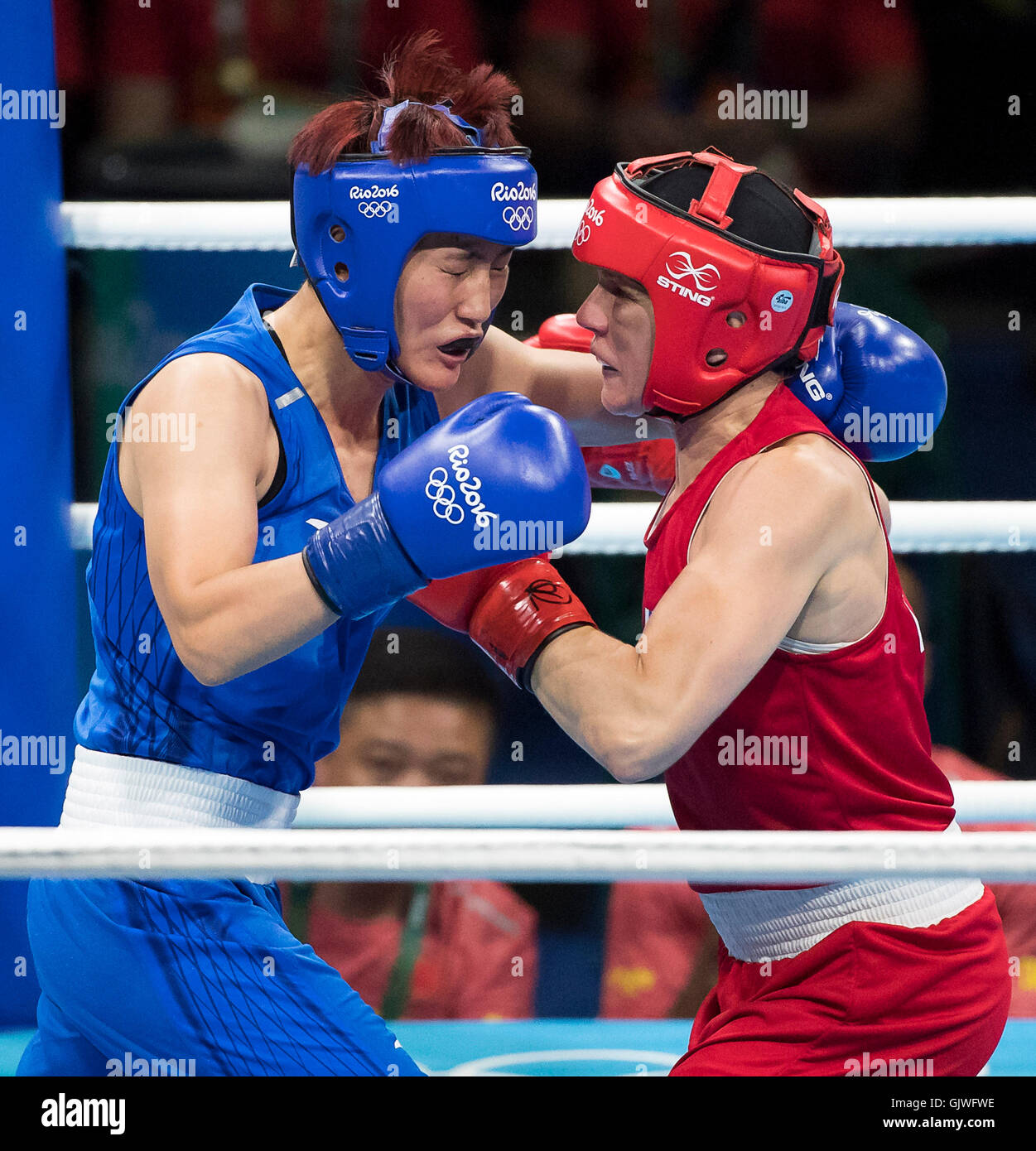
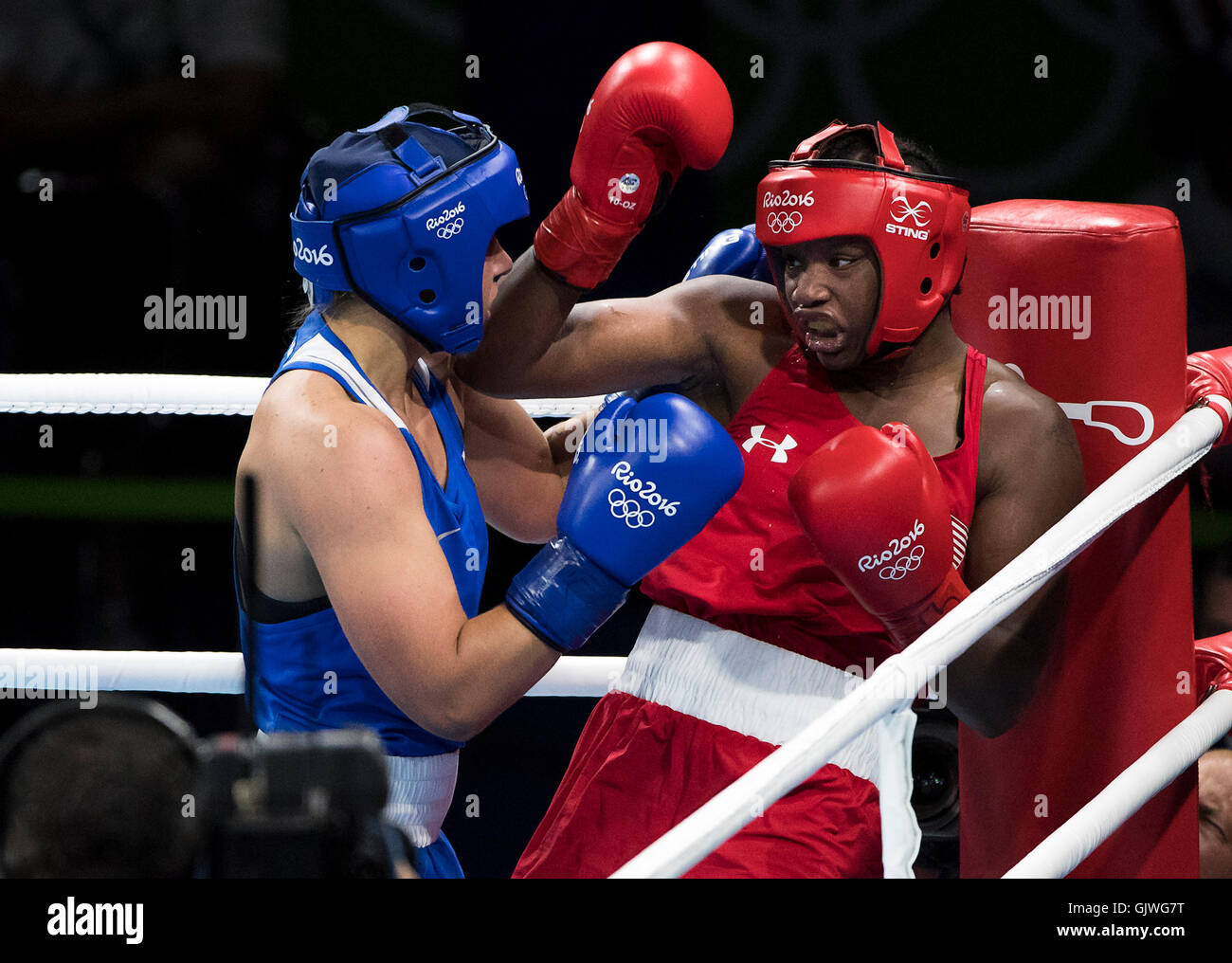
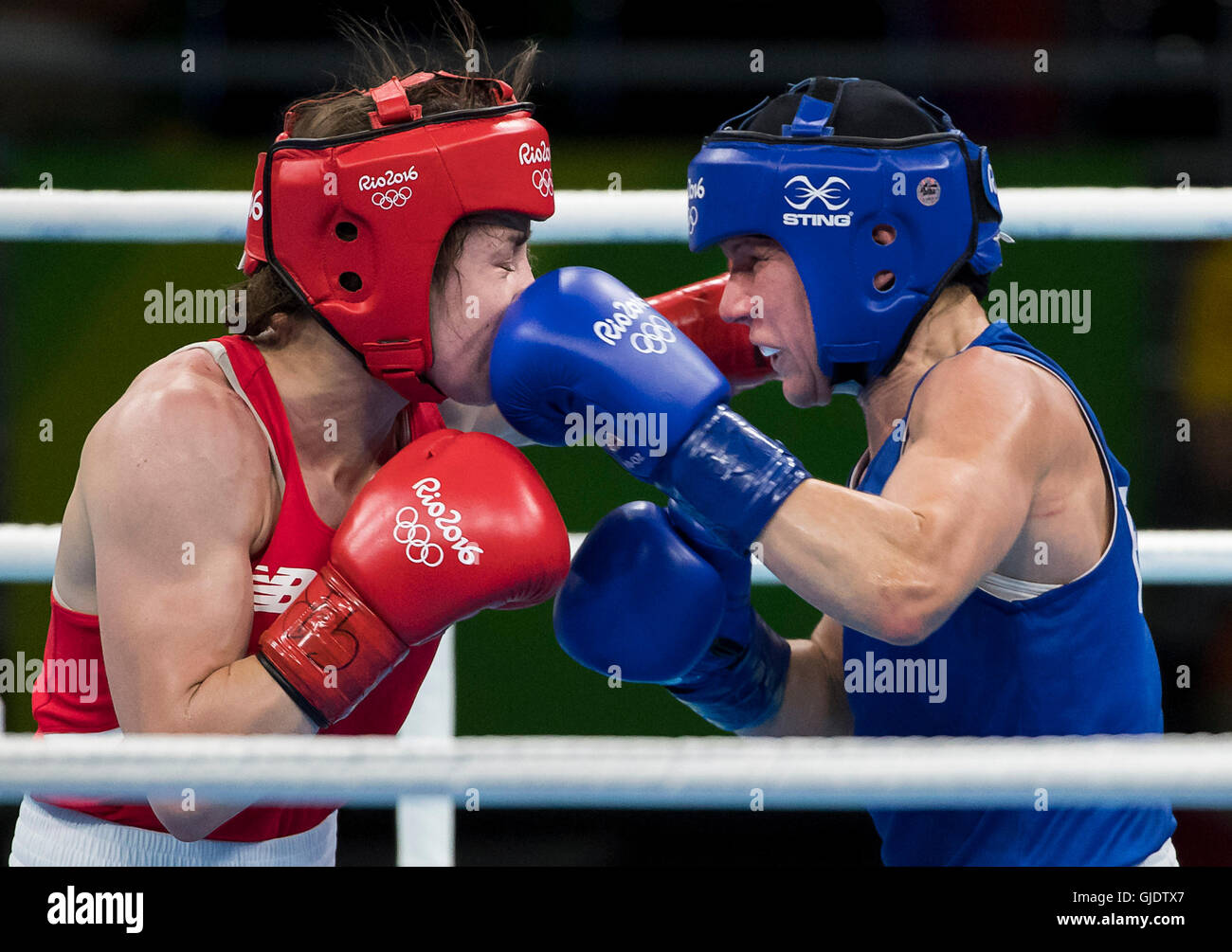
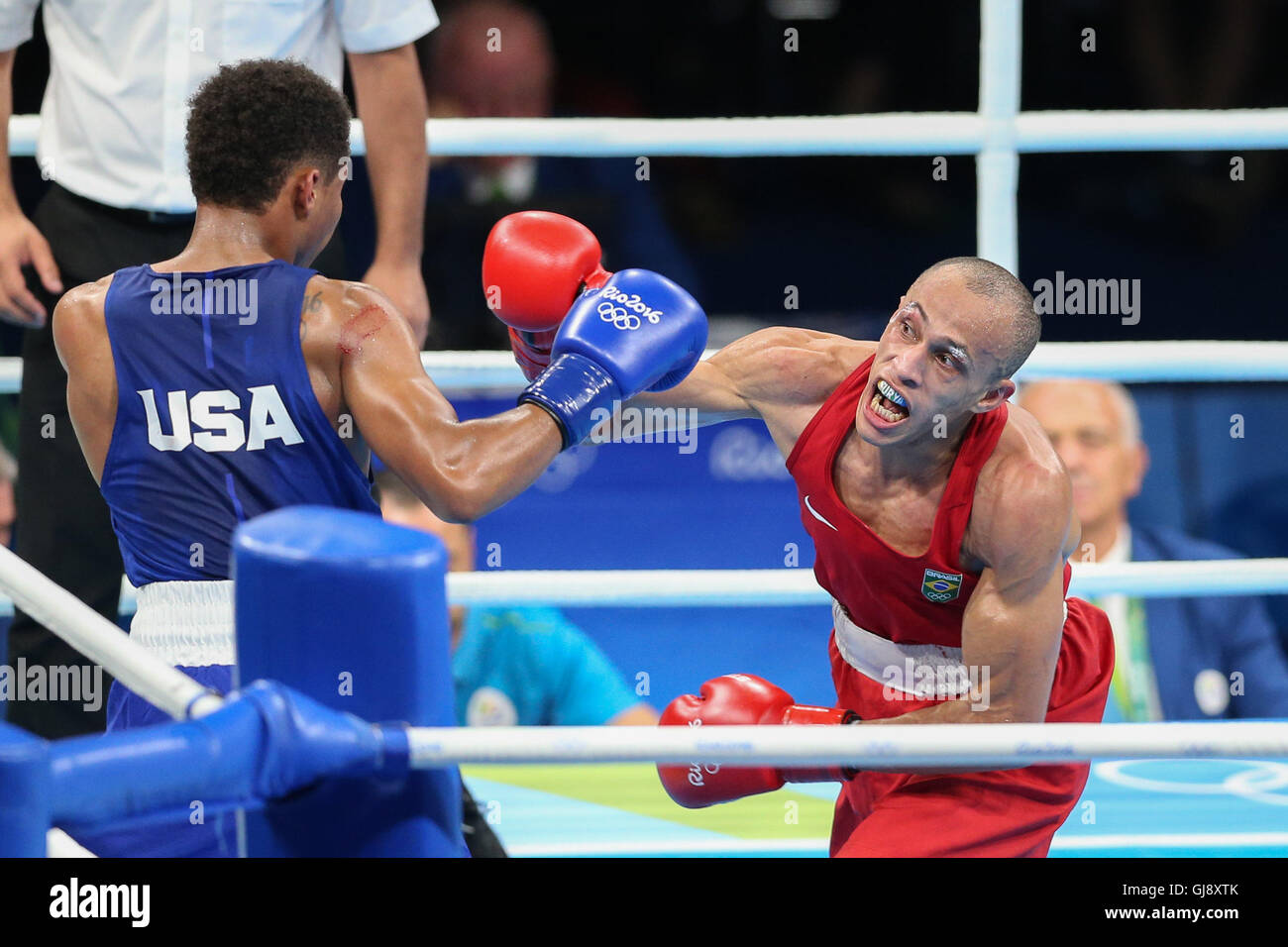
Boxing at the 2016 Rio Olympics was a transformative event held from August 6 to August 21 at the Riocentro Pavilion 6. It marked the first time professional boxers were eligible to compete and saw the controversial removal of headguards for male competitors, alongside significant scoring system changes.
The 2016 Summer Games in Rio de Janeiro represented a "new era" for the International Boxing Association (then AIBA, now IBA). For the first time in decades, the aesthetic of the Olympic ring shifted to mirror the professional ranks more closely. This was not merely a cosmetic change but a fundamental shift in the sport’s philosophy, aiming to bridge the gap between amateur "pure" boxing and the commercial appeal of the professional circuit. As we look back from 2026, the 2016 tournament remains one of the most scrutinized and debated installments in Olympic history, primarily due to its administrative shifts and the officiating controversies that followed.
The Regulatory Shift: Headguards and the 10-Point Must System
The most visible change in Rio 2016 was the absence of headguards for male boxers. This was the first time since the 1980 Moscow Games that Olympic male boxers competed with exposed heads. The decision, spearheaded by AIBA, was based on medical studies suggesting that headguards might actually increase the risk of concussions by providing a false sense of security and increasing the surface area of the head, making it easier to hit. While the move was praised by some for improving visibility and reducing the "jarring" effect of blows, it led to a significant increase in facial cuts and lacerations, which occasionally affected the progression of the tournament.
Equally significant was the adoption of the 10-point must system. Prior to 2013, Olympic boxing utilized an electronic point-counting system where judges pressed buttons to record landed blows. In Rio, the system transitioned to match the professional standard: three judges’ scores were randomly selected from a pool of five to determine the winner of each round. A boxer winning a round would receive 10 points, while the opponent received 9 or fewer. This change was intended to reward "effective aggression" and ring generalship rather than just the volume of touches, but it also introduced a higher degree of subjectivity, which became a focal point of criticism.
Professional Integration and Athlete Eligibility
In June 2016, just months before the opening ceremony, AIBA voted to allow professional boxers to compete in the Olympics. This was a radical departure from the traditional "amateur only" ethos of the Games. However, the implementation was met with mixed results. Many professional sanctioning bodies, such as the WBC, threatened to sanction or ban any of their ranked fighters who participated in Rio, citing safety concerns regarding the mismatch between seasoned pros and young amateurs.
Ultimately, only a handful of professional boxers competed, most notably Amnat Ruenroeng of Thailand and Hassan N'Dam of Cameroon. Interestingly, the professional "invaders" did not dominate as many had feared. Most were eliminated in the early rounds, struggling to adapt to the high-paced, three-round sprint format of Olympic boxing compared to the 10 or 12 rounds common in professional bouts. This outcome reinforced the idea that "amateur" boxing is a distinct discipline requiring specific conditioning and tactical speed.
Medal Table and Regional Dominance
The 2016 boxing tournament featured 13 weight classes: 10 for men and 3 for women. A total of 286 athletes from 76 nations competed for 52 medals. Historically, nations like Cuba and the United States have dominated the ring, but Rio 2016 saw the emergence of Uzbekistan as a global boxing powerhouse.
| Weight Class | Gold Medalist | Nation |
|---|---|---|
| Men's Light Flyweight (49kg) | Hasanboy Dusmatov | Uzbekistan |
| Men's Flyweight (52kg) | Shakhobidin Zoirov | Uzbekistan |
| Men's Bantamweight (56kg) | Robeisy Ramírez | Cuba |
| Men's Lightweight (60kg) | Robson Conceição | Brazil |
| Men's Light Welterweight (64kg) | Fazliddin Gaibnazarov | Uzbekistan |
| Men's Welterweight (69kg) | Daniyar Yeleussinov | Kazakhstan |
| Men's Middleweight (75kg) | Arlen López | Cuba |
| Men's Light Heavyweight (81kg) | Julio César La Cruz | Cuba |
| Men's Heavyweight (91kg) | Evgeny Tishchenko | Russia |
| Men's Super Heavyweight (+91kg) | Tony Yoka | France |
| Women's Flyweight (51kg) | Nicola Adams | Great Britain |
| Women's Lightweight (60kg) | Estelle Mossely | France |
| Women's Middleweight (75kg) | Claressa Shields | USA |
Uzbekistan finished at the top of the medal table with three golds, two silvers, and two bronzes. This marked a shift in the geopolitical landscape of the sport, as Central Asian nations (including Kazakhstan) displayed superior technical boxing and physical conditioning. Brazil also celebrated a historic moment when Robson Conceição won the country’s first-ever Olympic boxing gold medal in front of a home crowd.
The Shadow of Officiating Controversies
Despite the high level of athleticism, Rio 2016 is frequently remembered for judging scandals. The most infamous incident involved Irish bantamweight Michael Conlan and his quarter-final loss to Russia’s Vladimir Nikitin. Despite appearing to dominate the fight, Conlan was declared the loser. His immediate, profuse protest in the ring and subsequent accusations of corruption against AIBA became the defining image of the tournament's officiating issues.
The fallout was significant. AIBA eventually sent home several referees and judges after a review determined that "less than a handful of the decisions were not at the level expected." Years later, the McLaren Report (an independent investigation commissioned by the IBA and published in 2021) confirmed that there was a system of bout manipulation in place during the Rio Games. This report detailed how certain officials collaborated to ensure specific outcomes, a revelation that led to the International Olympic Committee (IOC) suspending AIBA’s recognition for the subsequent Tokyo 2020 and Paris 2024 cycles.
Standout Performances and Historical Milestones
While controversy grabbed headlines, several athletes delivered performances of historical significance. Claressa Shields (USA) became the first American boxer—male or female—to win back-to-back Olympic gold medals, defending her London 2012 title. Her dominance in the middleweight division solidified her legacy as one of the greatest amateur boxers of all time before she transitioned to a record-breaking professional career.
In the women's flyweight division, Nicola Adams (Great Britain) also achieved the rare feat of defending her Olympic gold, becoming a national hero in the UK. On the men's side, Cuba’s Robeisy Ramírez won his second consecutive gold in a second weight class (Flyweight in 2012, Bantamweight in 2016), showcasing the rhythmic, elusive "School of Boxing" style that Cuba is world-renowned for.
The Super Heavyweight final between Tony Yoka (France) and Joe Joyce (Great Britain) was another highlight, though it too was touched by scoring debates. Yoka’s victory secured France’s most successful boxing Olympics ever, as he and his partner (now former spouse) Estelle Mossely both won gold medals in their respective divisions within days of each other.
Professional Transitions: The Class of 2016
The 2016 Olympics served as a massive talent incubator for the professional ranks. Many of the medalists and even non-medalists from Rio went on to become major stars in the pro circuit. By 2026, the impact of the "Rio Class" is evident in the world rankings.
- Shakur Stevenson (USA): The silver medalist at bantamweight became a multi-division world champion, known for his defensive prowess.
- Joe Joyce (Great Britain): The silver medalist in the super heavyweight division became a top-tier contender in the pro heavyweight ranks.
- Filip Hrgovic (Croatia): The bronze medalist established himself as a perennial threat in the heavyweight division.
- Murodjon Akhmadaliev (Uzbekistan): A bronze medalist who went on to become a unified super bantamweight world champion in record time.
- Teofimo Lopez (Honduras/USA): Though he didn't medal in Rio, Lopez used the experience to propel himself to a unified lightweight world championship shortly after.
The transition of these athletes proved that the high-stakes environment of the Olympics remains the premier testing ground for future world champions.
FAQ
Why did male boxers not wear headguards in Rio 2016?
The International Boxing Association (AIBA) removed headguards for men based on research suggesting that they increased the risk of concussions. The theory was that the padding made the head a larger target and allowed boxers to take more hits without immediate pain, potentially leading to more long-term brain trauma. However, women continued to wear them for safety reasons, a distinction that remains a point of medical and regulatory discussion.
Were professional boxers allowed to compete in the 2016 Olympics?
Yes, for the first time in history, the rules were changed just before the Games to allow professional boxers to qualify. Despite the change, very few high-profile pros participated due to the short notice, the different physical demands of three-round bouts, and threats of sanctions from professional boxing organizations like the WBC.
Who won the most medals in boxing at the 2016 Olympics?
Uzbekistan was the most successful nation in the 2016 boxing tournament, winning a total of seven medals: three gold, two silver, and two bronze. Cuba followed closely with three gold and three bronze medals.
What happened to the judges involved in the Rio 2016 controversies?
Following the Games, all 36 referees and judges who officiated in Rio were suspended by AIBA pending an investigation. Later, the McLaren Report in 2021 found evidence of "corruption, organized manipulation, and the hijacking" of the boxing competition by senior AIBA officials, leading to long-term changes in how Olympic boxing is governed.
How many weight classes were there in 2016?
There were 13 weight classes in total: 10 for men (ranging from Light Flyweight to Super Heavyweight) and 3 for women (Flyweight, Lightweight, and Middleweight). The disparity in the number of weight classes between genders was a major talking point, leading to a more balanced distribution in subsequent Olympic Games.
Accessing Historical Data and Replays
For those looking to study the technical nuances of the 2016 bouts, the International Olympic Committee maintains an extensive archive of event replays and official results. Analyzing these fights offers a unique look at the transition period where amateur boxing attempted to adopt a professional "look" while maintaining its rapid-fire pace.
If you are researching the impact of the 2016 rule changes on athlete safety, professional medical journals frequently cite the Rio data in studies regarding sub-concussive impacts and laceration rates in combat sports. To understand the full scope of the organizational changes that followed Rio, reviewing the 2021 McLaren Report is essential for a complete picture of the sport's modern governance and its path toward the 2028 Los Angeles Games.