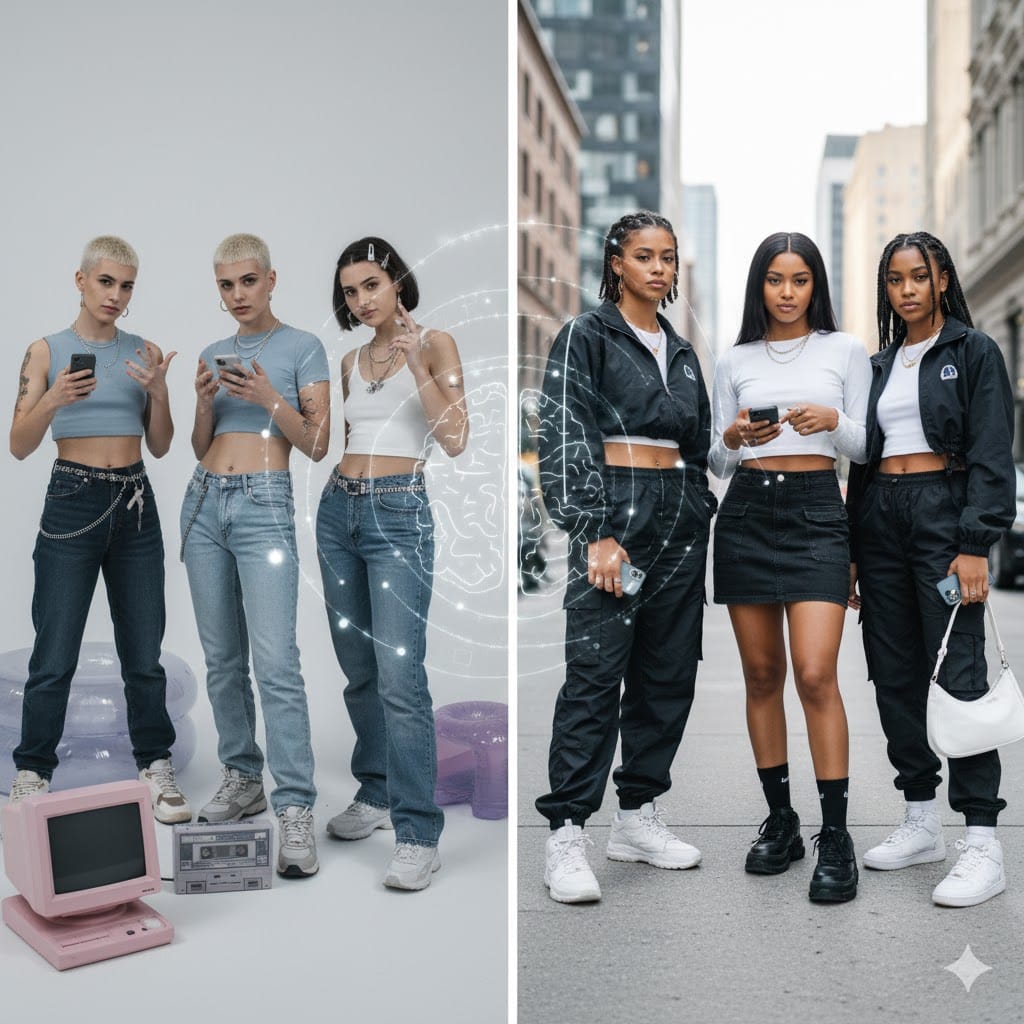
In 2026, the 2016 nostalgia trend has surged as the "ten-year cycle" of fashion reaches its peak, driven by a desire for the structured, curated minimalism of the mid-2010s. While the Y2K aesthetic remains a dominant force for its chaotic, futuristic maximalism, the 2016 revival offers a grounded, digital-first alternative that resonates with young adults revisiting their formative social media years.
The Cultural Pivot: Understanding the Ten-Year Nostalgia Loop
Fashion and cultural cycles have historically operated on a twenty-year lag, where designers look back two decades to find "new" inspiration. However, in 2026, we are witnessing a significant compression of this timeline. The ten-year cycle is now the primary driver for digital-native generations. The 2016 nostalgia trend is not merely a passing whim; it represents the first era of "fully documented" youth.
In 2016, the digital landscape was dominated by a specific type of curation. This was the year of the "Instagram Grid," where aesthetic consistency was paramount. Unlike the messy, unfiltered vibes of the early 2020s, 2016 was about a polished version of reality. As we navigate the complexities of 2026, many are looking back at the "simpler" times of 2016—a period after the 2008 financial crisis had stabilized but before the extreme global polarization and pandemic-era shifts of the late teens and early twenties.
The obsession with 2016 also stems from the "Tumblr Girl" and "Soft Grunge" archetypes that peaked during this period. These aesthetics provided a bridge between the rebellion of earlier decades and the digital sophistication of the modern age. In 2026, these looks are being reinterpreted through a lens of "refined nostalgia," where the grit of the mid-2010s is cleaned up with contemporary sustainable fabrics and high-end production.
The Y2K Aesthetic: Why the Year 2000 Refuses to Fade
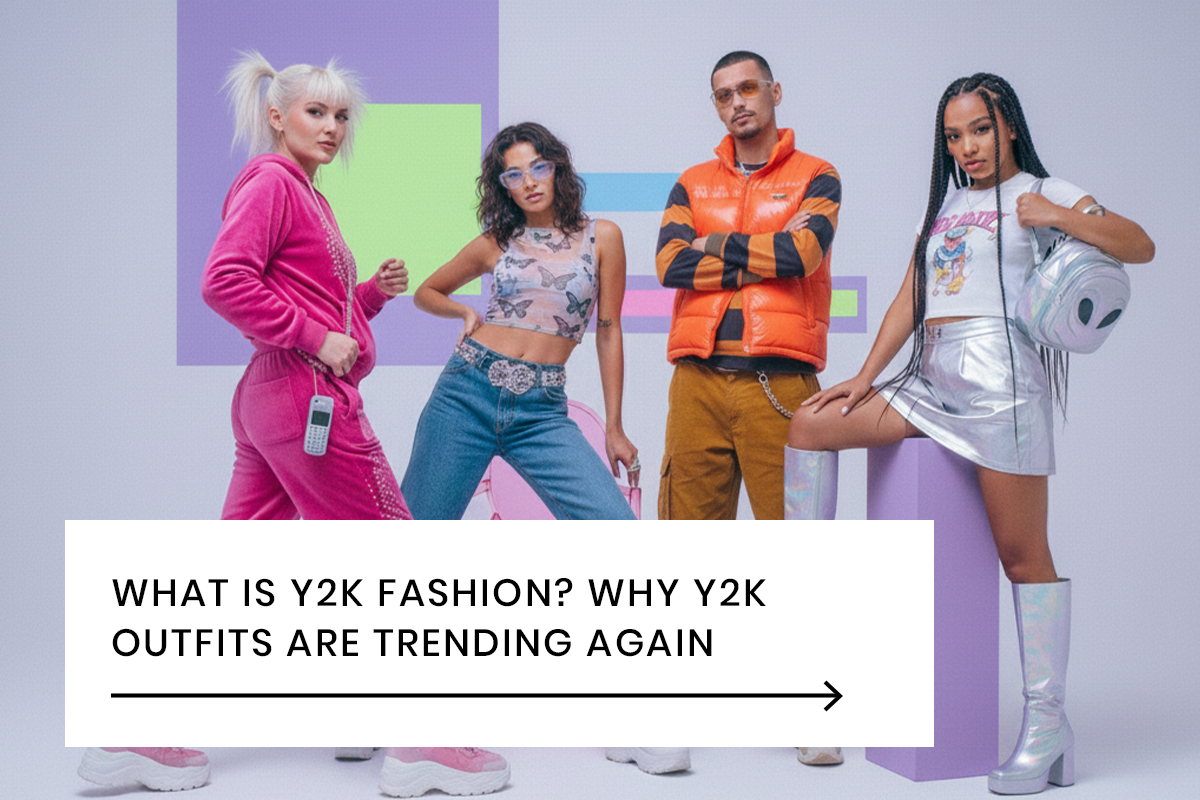
The Y2K aesthetic, characterized by metallics, low-rise silhouettes, and "cyber-core" elements, has proven remarkably resilient. In 2026, it continues to thrive because it represents a specific kind of optimism regarding technology that feels alien to us today. The turn of the millennium was a time when the internet was a promise of a bright, interconnected future, rather than a source of constant surveillance or algorithmic fatigue.
The obsession with Y2K is fundamentally about maximalism. It encourages an "everything at once" approach to fashion—butterfly clips, velour, neon colors, and baggy cargo pants. This serves as a direct psychological counterpoint to the minimalist "clean girl" or "quiet luxury" trends that dominated the early 2020s. People are obsessed with Y2K because it feels "loud" and individualistic in an era where AI-generated content often feels homogenized.
Furthermore, the Y2K aesthetic is highly tactile. From the fuzzy textures of Juicy Couture-style tracksuits to the slick, plastic-like surfaces of early digital cameras, the era prioritized sensory experiences. In 2026, as we spend more time in virtual environments, the demand for high-texture, "physical" fashion from the Y2K era provides a necessary grounding.
Key Visual Differences: 2016 Curation vs. Y2K Maximalism
Understanding the obsession requires a direct comparison of the visual languages of these two eras. While they both fall under the "nostalgia" umbrella, they serve different aesthetic needs.
| Feature | 2016 Nostalgia (Mid-2010s) | Y2K Aesthetic (Late 90s/Early 00s) |
|---|---|---|
| Color Palette | Rose gold, marble, burgundy, muted "Tumblr" filters. | Neon pink, icy blue, lime green, metallic silver. |
| Key Silhouettes | Off-the-shoulder tops, skinny jeans, bomber jackets. | Low-rise jeans, baby tees, oversized cargos. |
| Footwear | Adidas Superstars, thigh-high boots, creepers. | Chunky sneakers, platform flip-flops, Uggs. |
| Hair & Makeup | Thick "Insta-brows," matte liquid lipstick, space buns. | Thin eyebrows, frosted eyeshadow, butterfly clips. |
| Tech Influence | The rise of the iPhone 7, Snapchat filters, "The Grid." | Original iMac colors, flip phones, CD-ROMs. |
| Core Vibe | Curated, moody, "indie-sleaze" transition, polished. | Chaotic, futuristic, playful, kitsch. |
The tension between these two eras defines the 2026 fashion landscape. We see consumers mixing 2016’s matte makeup with Y2K’s low-rise denim, creating a hybrid look that reflects a "best-of" compilation of the 21st century's first quarter.
The Role of Social Media Platforms in Reviving 2016 Trends
Social media is the engine of the 2016 revival. In 2026, platforms have refined their algorithms to serve "time-capsule" content. Users who were teenagers in 2016 are now seeing high-definition "re-runs" of their own lives through saved stories and cloud memories. This creates a powerful emotional trigger that marketers have been quick to exploit.
The "2016 filter" is a specific phenomenon. In 2026, there is a massive trend of users reapplying the high-contrast, moody filters of the early Instagram era to current photos. This isn't just about the visual—it's about recreating the feeling of a platform that was still about sharing photos with friends rather than professional content creation.
Musical.ly, the precursor to modern short-form video, also plays a role. The specific types of transitions and "cringe" humor from that era have been reclaimed as "vintage digital art." This reclamation allows the 2026 audience to bridge the gap between their awkward teenage years and their current identities, transforming past embarrassment into current cultural capital.
Psychological Drivers: Escapism in the Mid-2020s
The obsession with both 2016 and Y2K is deeply rooted in "anemoia"—nostalgia for a time one didn't fully experience or experiences through a filtered lens. For Gen Z and the emerging Gen Alpha, 2016 represents a peak of "analog-digital" balance. It was a time when the internet was portable but hadn't yet become all-consuming.
Psychologically, 2016 offers a "safe" form of rebellion. The "Soft Grunge" and "Indie Sleaze" aesthetics of that year allowed for an expression of angst that felt manageable. In 2026, as global challenges feel increasingly complex, retreating into the aesthetic of 2016—with its oversized sweaters and Chvrches-inspired soundtracks—provides a comforting cocoon.
Conversely, the Y2K obsession is a form of "radical optimism." By dressing like characters from a late-90s music video, people in 2026 are attempting to inhabit the headspace of a generation that believed technology would solve every problem. It is a visual protest against the cynicism of the mid-2020s.
Fashion and Consumerism: How Brands are Capitalizing on the "Double Wave"
Retailers in 2026 have recognized that they can no longer target a single decade. Instead, they are releasing "Double Wave" collections that blend 2016 silhouettes with Y2K fabrics. For example, a 2016-style bomber jacket might be rendered in a Y2K metallic silver, or skinny jeans (the 2016 staple) are being reimagined with the ultra-low-rise waistlines of 2001.
This trend is also visible in the resale market. Platforms like Depop and Vinted show that 2016-era "hypebeast" gear—like Supreme and early Yeezy—is fetching prices similar to rare Y2K luxury pieces. The 2026 consumer is an archivist, treating their wardrobe like a curated gallery of the last 30 years.
Sustainability also plays a role in this obsession. Both Y2K and 2016 clothing are readily available in thrift stores and parents' closets. In an era where fast fashion is increasingly regulated and stigmatized, "raiding the 2016 archives" is seen as an eco-conscious way to stay trendy.
Frequently Asked Questions
Why is 2016 nostalgia happening now in 2026?
The ten-year cycle is a standard cultural phenomenon where a decade becomes "cool" again exactly ten years later. In 2026, the people who were teenagers in 2016 are now in their mid-20s with disposable income, and they are seeking to reclaim the aesthetics of their youth. Additionally, 2016 was the last year before significant global shifts, making it a "safe" harbor for nostalgia.
How can I mix Y2K and 2016 styles without looking dated?
The key to the 2026 look is hybridity. Try pairing a 2016-style matte makeup look with Y2K-inspired chunky jewelry, or wear a 2016-era oversized graphic tee with Y2K-style cargo pants. The goal is to avoid a "costume" look by mixing these vintage elements with modern, high-quality basics.
Is the "Skinny Jean" really coming back?
Yes, but with a 2026 twist. While the 2016 obsession has revived the silhouette, the modern version often features more sustainable, high-stretch fabrics or is integrated into a "heavy-boot" look that balances the proportions. It is less about the "suffocating" fit of the mid-2010s and more about a streamlined, alternative aesthetic.
What are the "2016 Core" essentials for a 2026 wardrobe?
Essentials include bomber jackets, velvet chokers, off-the-shoulder tops, Adidas Superstars or Stan Smiths, and anything in "Millennial Pink" or "Rose Gold." For digital aesthetics, look for high-contrast photo editing and a return to the "structured" social media feed.
Why does the Y2K aesthetic still feel relevant after years of being "back"?
Y2K has moved beyond a trend and into a "permanent vintage" category, similar to how 70s fashion was viewed in the 90s. Its focus on futurism and individuality makes it endlessly adaptable to new technologies, ensuring it remains a staple for those looking to stand out in a digital world.
Building a Hybrid Aesthetic: The 2026 Style Guide
To successfully navigate the current obsession with 2016 and Y2K, you should focus on "intentional archiving." Rather than buying mass-produced replicas, look for original pieces from 2016 and 2000. This adds authenticity to your look and supports a more circular fashion economy.
When styling, remember that 2016 was about balance and curation, while Y2K was about chaos and futurism. A successful 2026 outfit uses the structural elements of 2016 (like a well-fitted bomber or a structured bag) to ground the more eccentric elements of Y2K (like metallic finishes or kitschy accessories). By blending these two eras, you create a look that is both nostalgic and firmly rooted in the current year.