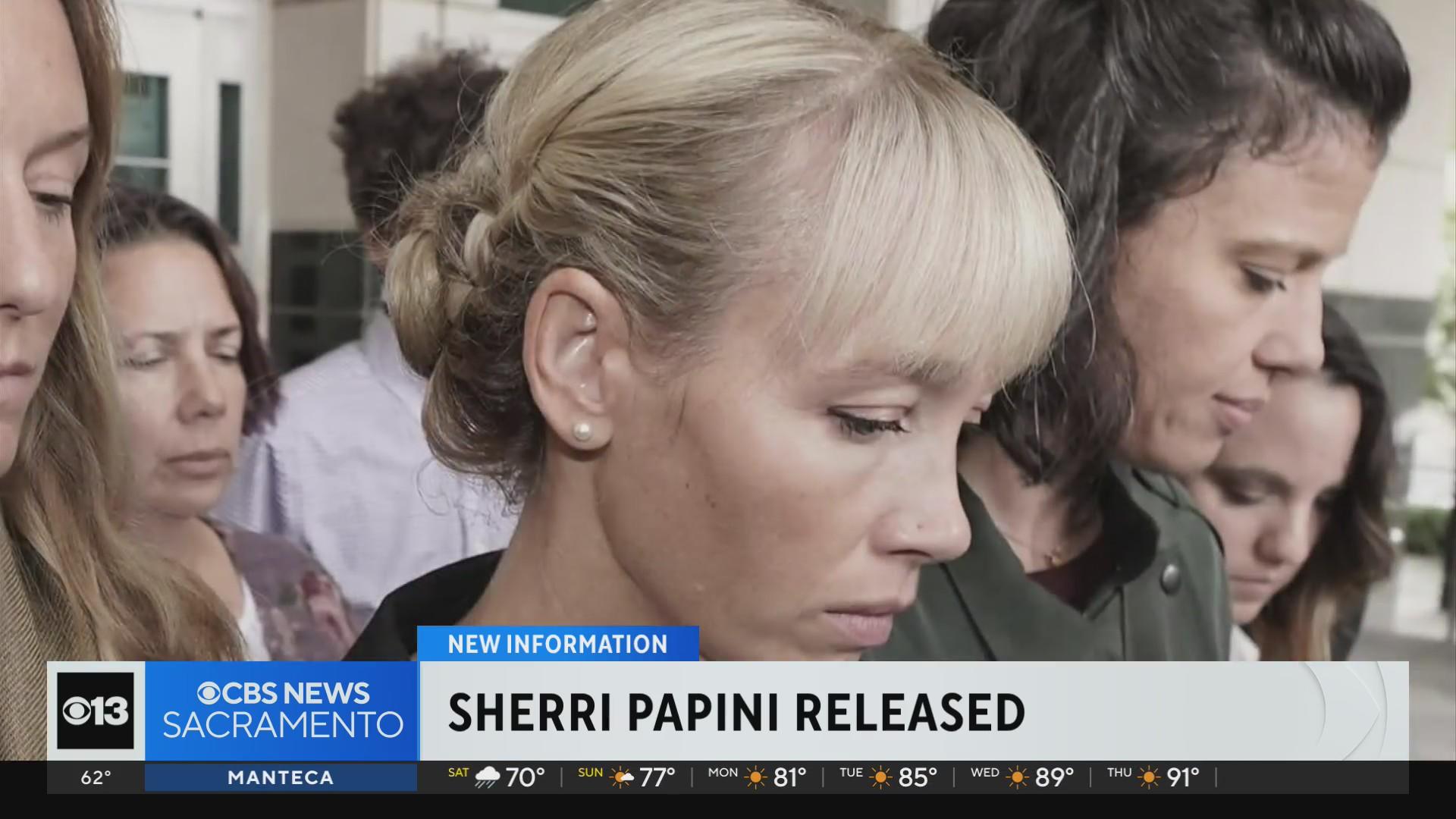
The "2016 kidnapping" primarily refers to the case of Sherri Papini, a California woman who vanished while jogging on November 2, 2016, and reappeared three weeks later. While she initially claimed she was abducted at gunpoint by two Hispanic women, a multi-year federal investigation concluded in 2022 that the kidnapping was a hoax she orchestrated with an ex-boyfriend.
The Sherri Papini case remains one of the most high-profile examples of a "staged" kidnapping in American history. What began as a terrifying community-wide search in Redding, California, evolved into a complex federal criminal case involving mail fraud, false statements to law enforcement, and the misuse of victim compensation funds. Looking back from 2026, the case is frequently cited by legal scholars and forensic experts as a landmark instance where investigative genetic genealogy (IGG) was utilized to disprove a victim's narrative rather than identify an unknown assailant.
Chronology of the 2016 Disappearance and Recovery
On the afternoon of November 2, 2016, Sherri Papini, then 34, was reported missing by her husband, Keith Papini, after she failed to pick up their children from daycare. Her cell phone and earbuds were discovered on the side of Sunrise Drive in Redding, with strands of hair tangled in the cord, suggesting a struggle. For the next 22 days, the "Super Mom" kidnapping captivated national headlines, prompting a massive law enforcement response and a "Yellow Ribbon" campaign throughout Northern California.
The search ended on Thanksgiving morning, November 24, 2016. Papini was found wandering along Interstate 5 in Yolo County, nearly 150 miles from where she had disappeared. She was bound with chains and a zip tie around one wrist, appearing emaciated and bruised. Most notably, her long blonde hair had been cut short, and a "brand" had been seared into her right shoulder.
According to her initial statements to the FBI and the Shasta County Sheriff’s Office, two Hispanic women had abducted her at gunpoint, kept her hooded and chained in a basement, and eventually released her. Despite the detailed descriptions provided by Papini, no suspects were ever identified through traditional witness testimony or surveillance footage, leading investigators to look deeper into the physical evidence.
Investigating the Narrative: Forensic Discrepancies and DNA Evidence
While the public largely supported Papini, investigators noticed inconsistencies early on. Forensic examinations of the scene where she was found revealed a mix of DNA on her clothing that did not belong to her or her husband. Specifically, DNA found on her underwear belonged to a male, and DNA found on her sweatshirt belonged to a different female.
The turning point occurred in 2020, four years after the incident. Using investigative genetic genealogy—the same technology used to catch the Golden State Killer—federal investigators matched the male DNA from Papini's clothing to a relative of an ex-boyfriend. This discovery led the FBI to the ex-boyfriend’s residence in Southern California.
Under questioning, the ex-boyfriend confessed that Papini had contacted him via prepaid "burner" phones and asked him to "rescue" her from an allegedly abusive situation. He admitted to picking her up in Redding, transporting her to his home in Costa Mesa, and assisting her in self-inflicting the injuries she used to bolster her story. He further revealed that he had used a wood-burning tool to apply the brand at her request. This testimony provided the foundation for the federal charges brought against Papini in 2022.
Legal Consequences and Restitution Framework
In April 2022, Sherri Papini signed a plea agreement, admitting that she had orchestrated the hoax. The legal ramifications were significant, involving both custodial time and massive financial restitution. She was charged with one count of mail fraud (related to the reimbursement requests she sent to the California Victim Compensation Board) and one count of making false statements to a federal officer.
In September 2022, a federal judge sentenced Papini to 18 months in prison, followed by 36 months of supervised release. The sentencing was notably harsher than the eight to 14 months recommended by the defense, as the judge emphasized the "sheer number of people who were impacted" by the hoax.
Financial Restitution Requirements
The financial toll of the 2016 kidnapping hoax was extensive. As of 2026, restitution remains a primary component of the case's ongoing legal footprint. The court ordered Papini to pay a total of $309,902.23 to cover the costs of the investigation and the benefits she fraudulently received.
| Entity Reimbursed | Amount Ordered | Purpose of Funds |
|---|---|---|
| FBI and Shasta County Sheriff | $148,866.23 | Costs of the six-year investigation and search |
| Social Security Administration | $127,567.00 | Repayment of disability benefits received for "PTSD" |
| CA Victim Compensation Board | $30,675.64 | Funds used for therapy and medical bills |
| United States Marshals Service | $2,793.36 | Administrative and processing costs |
Comparison of Major 2016 Kidnapping Incidents
While the Papini case dominated U.S. headlines, 2016 saw several other significant kidnapping incidents that varied in nature, from high-profile robberies to international human rights crises.
| Incident | Location | Subject | Resolution |
|---|---|---|---|
| Sherri Papini | California, USA | Hoax/Staged Kidnapping | Convicted in 2022; 18 months prison |
| Kim Kardashian | Paris, France | Armed Robbery/Abduction | Perpetrators arrested and tried in 2021 |
| Chibok Schoolgirls | Nigeria | Mass Kidnapping (Update) | 21 girls released in Oct 2016 via negotiations |
| Caitlan Coleman | Afghanistan/Pakistan | Long-term Captivity | Rescued in 2017 with her family |
The Kim Kardashian incident in Paris occurred just one month before the Papini disappearance. Kardashian was held at gunpoint in a luxury hotel, bound, and placed in a bathtub while thieves stole millions in jewelry. Unlike the Papini case, the Kardashian incident was a genuine criminal assault by an organized group known as the "Grandpa Robbers."
Impact on Public Perception and Law Enforcement Resources
The fallout from the 2016 kidnapping extends beyond the legal system. It sparked a national conversation regarding "Missing White Woman Syndrome," a term used by sociologists to describe the disproportionate media coverage given to white, upper-middle-class women compared to missing persons of color. The massive resources poured into the Papini search—including air support, hundreds of man-hours, and national media cycles—were criticized in light of the eventual discovery that the event was fabricated.
Furthermore, the hoax had a chilling effect on the community of Redding. For six years, residents lived with the fear that two violent kidnappers were at large. Law enforcement officials noted that the hoax diverted critical resources away from actual victims of crime. The Shasta County Sheriff’s Office stated that the investigation required thousands of hours that could have been spent on cold cases and active violent crimes within the jurisdiction.
From a technical standpoint, the case serves as a warning for those attempting to manipulate the legal system. The integration of DNA databases with public genealogy records has made it increasingly difficult to maintain a fraudulent narrative. As seen in the 2022 resolution, forensic evidence often speaks louder than a fabricated witness statement.
FAQs About the 2016 Kidnapping
How was Sherri Papini eventually caught?
She was caught through DNA evidence found on her clothing. In 2020, investigators used investigative genetic genealogy to match a DNA profile from her clothes to a relative of her ex-boyfriend. When interviewed, the ex-boyfriend admitted to helping her hide and self-inflict injuries, which contradicted her story of being abducted by two women.
What happened to the ex-boyfriend who helped her?
The ex-boyfriend was not charged with a crime. Prosecutors determined that while he assisted her in the hoax, he did not participate in the fraudulent filing for victim compensation or the false statements made to the FBI years later. His cooperation was essential in securing the charges against Papini.
Did Sherri Papini have to pay back the GoFundMe money?
The GoFundMe account raised over $49,000 for the Papini family. While the federal restitution order focused on government agencies (Social Security and Victim Compensation), the misuse of public donations was a major point of public outrage. Much of that money had already been spent by the time the hoax was revealed in 2022.
What were the specific injuries Papini had when she was found?
Papini had a brand on her right shoulder, was significantly underweight, and had various bruises and rashes. She also had her hair cut very short. In her 2022 confession, it was revealed that she purposefully starved herself and asked her accomplice to help her create the bruises and the brand to make her story more believable.
Is Sherri Papini still in prison in 2026?
Based on her 2022 sentencing of 18 months, Papini has likely completed her custodial sentence and is currently serving her term of supervised release (probation). During this time, she is required to make regular payments toward her $309,000 restitution debt and comply with various court-ordered conditions.
Navigating the Legacy of the Case
The legacy of the 2016 kidnapping serves as a critical study in investigative persistence. For readers following similar cases or working in victim advocacy, the Papini case highlights the necessity of forensic verification in any high-profile disappearance. While the immediate priority of law enforcement is always the safe recovery of a missing person, the Papini investigation demonstrates that the "recovery" is only the beginning of the evidentiary process.
For those interested in the legalities of false reporting, it is important to note that filing a false police report regarding a felony is a serious crime that can lead to federal charges if mail or wire fraud is involved. The 2016 incident serves as a primary example of how staged events can lead to lifelong legal and financial consequences, including the permanent loss of public trust.