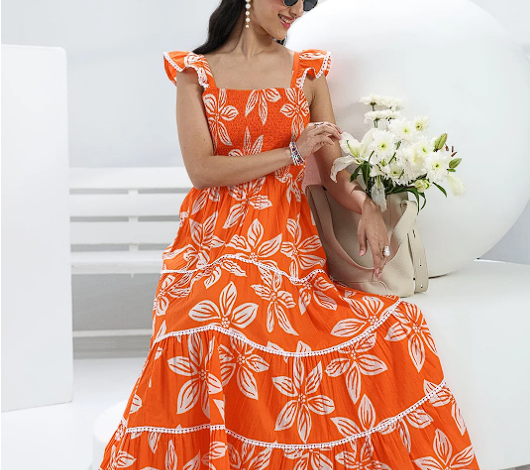
The 2016 dress trends were defined by a seamless blend of 1990s nostalgia and modern minimalism, featuring slip dresses layered over t-shirts, dramatic off-the-shoulder necklines, and the rise of "athleisure" styling. These versatile silhouettes catered to every occasion, emphasizing comfort through relaxed fits and tactile fabrics like velvet and silk.
The Core Aesthetic of 2016: Minimalism Meets 90s Revival
Looking back from 2026, the year 2016 remains a pivotal moment in fashion history where the industry pivoted sharply toward "effortless" styling. This era marked the height of the 1990s revival, a movement that brought grunge-inspired aesthetics into the mainstream luxury market. Unlike the structured, neon-heavy years prior, 2016 focused on a softer, more muted palette—specifically influenced by Pantone’s dual Colors of the Year: Rose Quartz and Serenity.
The primary objective for fashion enthusiasts in 2016 was to achieve a look that felt curated yet unplanned. This was the year of "Normcore" evolving into something more feminine and polished. Dresses were no longer just standalone pieces; they became components of complex, layered ensembles. The cultural shift toward social media-ready outfits led to the popularity of "photogenic" details, such as exaggerated ruffles and strategic cut-outs, which looked striking in the square-crop format of early Instagram.
Key Dress Silhouettes That Defined the Year
To understand 2016 fashion, one must examine the specific cuts and shapes that dominated both high-fashion runways and fast-fashion retailers. These silhouettes were designed to be democratic, fitting a wide range of body types while offering ease of movement.
The Slip Dress: From Lingerie to Streetwear
The slip dress was arguably the most influential garment of 2016. Moving away from its origins as an undergarment, the 2016 version featured heavy silk, satin, or even crushed velvet. The trend was defined by its versatility; while it could be worn solo for formal evening events, the "it-girl" styling of the year involved layering a slim-fit white crewneck t-shirt or a thin turtleneck underneath. This layering technique solved the practical issue of making a provocative garment appropriate for daytime wear and office environments.
The Cold Shoulder and Off-the-Shoulder Revolution
Few trends were as pervasive in 2016 as the "cold shoulder" and the Bardot-style off-the-shoulder neckline. These designs focused on baring the shoulders while often providing coverage for the upper arms. In 2016, this trend appeared most frequently in midi-length sun dresses and shift dresses. The appeal lay in the balance of modesty and allure; it allowed for a hint of skin without the commitment of a strapless or backless design. These dresses often featured elasticized necklines and ruffled trim, adding a bohemian flare that paired well with the year's accessory of choice: the choker necklace.
Bell Sleeves and 70s Bohemian Infusions
While the 90s revival was strong, a secondary influence from the 1970s brought about the resurgence of dramatic bell sleeves. These sleeves, which flared out from the elbow or wrist, added a sense of drama to otherwise simple A-line dresses. Fashion houses like Chloé helped popularize this "Boho-Chic" aesthetic, which utilized light, airy fabrics like chiffon and lace. In 2016, these dresses were frequently seen at music festivals and summer garden parties, typically styled with ankle boots or gladiatorial sandals.
Seasonal Transitions and Fabric Choices
The materiality of 2016 dresses was as important as their cut. Designers experimented with textures that provided visual interest without the need for loud, busy prints.
Spring and Summer: Lightweight Pleats and Linens
During the warmer months of 2016, sun dresses moved away from traditional floral prints in favor of monochromatic micro-pleats. Inspired by the designs of Issey Miyake and popularized by brands like Zara and Mango, metallic pleated midi dresses became a staple for summer weddings and evening dinners. These garments offered a unique architectural movement, catching the light and swaying with every step. Linen also saw a resurgence in 2016, particularly in button-down shirt dresses that leaned into the "safari" or "utility" trend, providing breathability during peak summer heat.
Fall and Winter: The Rise of Crushed Velvet
As the year transitioned into the cooler months, velvet became the undisputed champion of evening wear. The 2016 iteration of velvet was often "crushed" or treated to have a high-shine finish. Jewel tones—such as emerald green, navy blue, and deep burgundy—dominated the color palette. Velvet wrap dresses and long-sleeved mini dresses provided both warmth and a luxurious texture. This was also the period when the "dress over pants" trend began to emerge in niche fashion circles, where a mid-thigh velvet dress would be styled over tailored trousers for a modern, edgy silhouette.
Occasion-Specific Styling for 2016 Trends
Navigating the various dress trends required an understanding of how to adapt these "runway" looks for real-world scenarios. The 2016 aesthetic was highly adaptable, allowing a single garment to transition across different environments with minor adjustments to footwear and outerwear.
- Work and Professional Environments: The preferred choice was the tailored sheath dress or the "pussy-bow" shirt dress. These were often paired with block-heeled loafers or pointed-toe flats. The key was to keep the hemline at or below the knee, maintaining a professional profile while utilizing the year's trendy pastel colors.
- Casual Daytime and Street Style: The t-shirt-under-slip-dress combo was the gold standard for casual outings. To finish the look, fashion-forward individuals often added a denim jacket or a lightweight bomber jacket. Footwear was almost exclusively clean white sneakers (like Adidas Stan Smiths), which grounded the femininity of the dress with an athletic edge.
- Formal Evening and Weddings: High-neck lace dresses or sleek, floor-length gowns with thigh-high slits were the go-to choices. Metallic finishes—particularly rose gold and silver—were highly sought after for bridesmaids and gala attendees.
Summary of 2016 Dress Trends and Materials
The following table summarizes the most prominent dress styles of 2016, their typical fabrications, and the best occasions for each.
| Dress Style | Dominant Material | Key Feature | Best Occasion |
|---|---|---|---|
| Slip Dress | Silk, Satin, Velvet | Spaghetti straps, layering | Date night, street style |
| Off-the-Shoulder | Cotton, Linen, Poplin | Exposed collarbone, ruffles | Summer vacations, brunch |
| Pleated Midi | Metallic Polyester | Micro-pleats, high shine | Weddings, evening events |
| Shirt Dress | Denim, Poplin, Suede | Buttons, waist belts | Office, professional meetings |
| Boho Maxi | Chiffon, Lace | Bell sleeves, floor length | Festivals, outdoor parties |
Accessorizing the 2016 Look
No 2016 outfit was complete without specific accessories that defined the era's visual identity. The most iconic was the choker necklace, which ranged from simple black ribbons to elaborate lace and gemstone-encrusted versions. This accessory perfectly complemented the open necklines of off-the-shoulder and slip dresses.
In terms of footwear, 2016 was the year that comfort finally became fashionable. The "ugly-chic" movement saw the rise of fur-lined mules and heavy-duty flatforms. However, for those seeking a more traditional look, the block heel replaced the stiletto. Block heels provided the necessary height for midi and maxi dresses while remaining practical for long periods of wear. Finally, the "micro-bag"—a handbag often too small to fit a contemporary smartphone—became a statement piece for evening dresses, emphasizing form over function.
Why 2016 Trends Still Matter in 2026
A decade later, the influence of 2016 is clearly visible in the "vintage" and "archival" fashion markets. The emphasis on high-quality basics and the rejection of over-complicated silhouettes laid the groundwork for the sustainable fashion movements of the 2020s. Many of the pieces that were considered trendy in 2016—such as the high-quality silk slip dress—have transitioned into "wardrobe essentials" rather than dated fads.
The year 2016 taught consumers the value of the "modular" wardrobe. By learning how to layer dresses with t-shirts or style sneakers with formal wear, the 2016 fashionista paved the way for the fluid, occasion-blind dressing that characterizes the modern 2026 style landscape.
Is it still fashionable to wear sneakers with dresses?
Yes, the combination of sneakers and dresses remains a staple in 2026, though the silhouettes have evolved. While 2016 favored slim, white leather sneakers, modern tastes often lean toward more technical "gorpcore" runners or minimalist sustainable knits. The core principle of balancing femininity with athletic functionality continues to be a valid styling choice for casual and "smart-casual" environments.
How did the "Cold Shoulder" differ from the "Off-the-Shoulder" trend?
The "off-the-shoulder" style features a neckline that sits entirely below the shoulders, often held up by elastic or ruffles, leaving the entire upper chest and back exposed. The "cold shoulder," however, is essentially a standard dress (often with a high neck or straps) that has strategic cut-outs specifically over the shoulder points. The cold shoulder offered more support and allowed for the wearing of traditional bras, making it a more practical choice for many.
What were the most popular colors for dresses in 2016?
Aside from the Pantone colors of Rose Quartz (a pale pink) and Serenity (a soft blue), the year was dominated by "earthy" tones. Burgundy (often called "Marsala" from the previous year’s influence), olive green, and mustard yellow were incredibly popular, especially in the fall. Towards the end of the year, metallic shades like copper and burnished gold became the standard for party wear.
Were maxi dresses or midi dresses more popular in 2016?
The midi dress—hitting between the knee and the ankle—was the definitive length of 2016. While maxi dresses remained popular for beachwear and festivals, the midi length became the preferred choice for fashion editors and street-style stars. The midi length allowed for a better showcase of the year’s statement footwear, such as ankle boots or lace-up "ballet" flats.
What accessories should be avoided when recreating a 2016 look today?
To avoid looking like you are wearing a costume, it is best to modernize the 2016 aesthetic. While the choker was iconic, wearing a thick fabric choker can feel dated in 2026. Instead, consider layering thin gold chains or a sculptural metal collar to reference the 2016 silhouette without directly copying it. Similarly, swapping the heavy "flatform" for a more streamlined platform sandal can make the 2016 dress style feel current.
Refining Your Wardrobe with 2016 Inspirations
If you are looking to incorporate these historical trends into your current 2026 wardrobe, start with the silk slip dress. This piece offers the highest "return on investment" due to its timeless nature. Seek out versions in high-quality mulberry silk or sustainable acetate. To keep the look modern, avoid the 2016-era "t-shirt underneath" styling unless you are going for a specifically retro aesthetic; instead, pair the dress with an oversized, structured blazer or a chunky knit cardigan. This approach maintains the "effortless" spirit of 2016 while aligning with the more tailored, architectural preferences of today’s fashion climate.