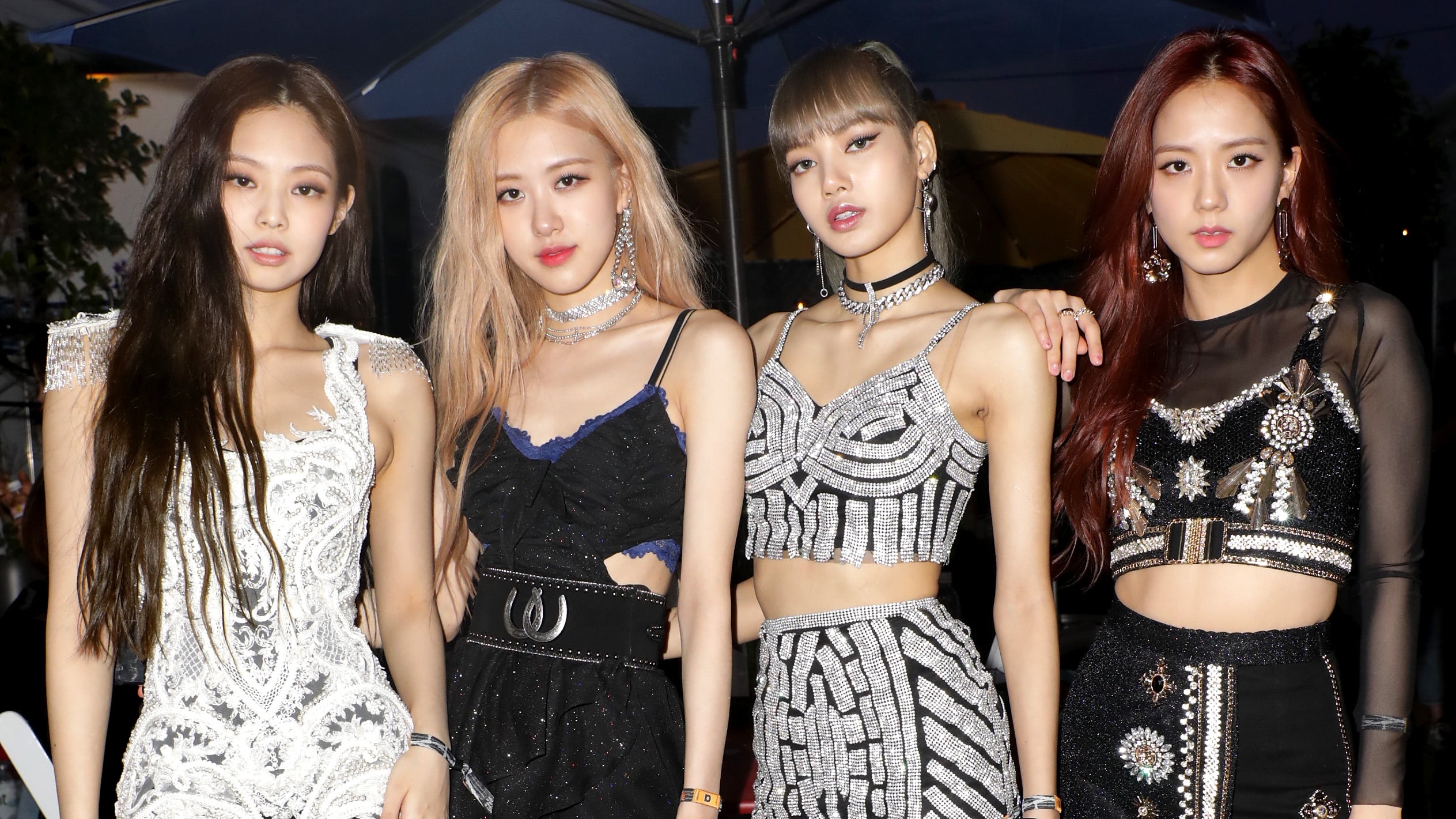
The year 2016 stands as a monumental pivot point in global culture, technology, and entertainment, marked by several "2016 debuts" that fundamentally reshaped their respective industries. From the explosive arrival of Blackpink in the music world to the unveiling of the Tesla Model 3 and the launch of the short-form video precursor to TikTok, the debuts of 2016 established the dominant trends and market leaders that continue to define the landscape today in 2026.
The Global Cultural Shift: K-Pop’s Third Generation Peak
In the realm of music and international entertainment, the 2016 debut of Blackpink remains the year's most significant cultural export. On August 8, 2016, YG Entertainment introduced the four-member group with their debut single album Square One, featuring the tracks "Whistle" and "Boombayah." This debut was not merely the launch of a new musical act; it was the catalyst for the "Girl Crush" concept’s global dominance.
Prior to 2016, K-pop had made significant inroads into the West, but Blackpink’s debut maximized the potential of digital platforms like YouTube and Spotify. "Boombayah" became the fastest debut music video to hit 50 million views at the time, signaling a shift in how global audiences consumed music. The 2016 debut of Blackpink also coincided with the launch of NCT (Neo Culture Technology) by SM Entertainment. NCT U debuted in April 2016, introducing a modular, limitless group concept that challenged traditional notions of band structures.
These debuts occurred during a period where digital streaming was overtaking physical sales in major markets. The precision of 2016’s musical launches allowed these groups to bypass traditional gatekeepers, using social media engagement to build "fandom economies" that have become the standard for the entertainment industry a decade later.
Transforming Tech: The Birth of TikTok and Pokémon GO
In September 2016, ByteDance launched an app called Douyin in China. While the global version, TikTok, would not achieve its full rebranding and international explosion until slightly later, the 2016 debut of the core technology—algorithmic short-form video—changed the internet forever. This debut shifted the social media paradigm from the "social graph" (seeing what your friends post) to the "content graph" (seeing what an AI thinks you will like).
The impact of this 2016 technological debut is visible today in 2026, where virtually every major platform has integrated short-form vertical video. The 2016 era was the laboratory where the attention economy was perfected.
Simultaneously, July 2016 saw the debut of Pokémon GO. Developed by Niantic in collaboration with Nintendo and The Pokémon Company, it was the first massive-scale implementation of Augmented Reality (AR) in the consumer market. Its debut was a global phenomenon, encouraging millions of people to interact with their physical environment through a digital lens. While the initial fervor stabilized, the 2016 debut of Pokémon GO proved that AR could be a viable, mass-market technology, paving the way for the sophisticated AR glasses and spatial computing devices common in 2026.
Automotive Revolution: The Unveiling of the Tesla Model 3
March 31, 2016, marked a "debut" that would eventually dismantle the century-long dominance of the internal combustion engine. On that night, Elon Musk unveiled the Tesla Model 3. While the car did not enter mass production until late 2017, the 2016 debut of the prototype and the opening of the reservation system were unprecedented.
Within 24 hours of its 2016 debut, the Model 3 received over 232,000 reservations, despite customers having never driven or even sat in the car. This event proved that there was a massive, untapped demand for affordable, long-range electric vehicles (EVs). It forced legacy automakers like Volkswagen, Ford, and General Motors to accelerate their own EV development timelines.
The 2016 debut of the Model 3 was the "iPhone moment" for the automotive industry. It transitioned the car from a mechanical product to a software-driven device. The features debuted or teased during that 2016 window—such as over-the-air (OTA) updates and advanced Autopilot hardware—are now standard expectations in the 2026 automotive market.
Streaming Dominance: Stranger Things and the Binge-Watch Era
The television landscape underwent a permanent change with the July 15, 2016, debut of Stranger Things on Netflix. While Netflix had already produced hits like House of Cards, the debut of Stranger Things represented a shift toward high-budget, cinematic genre storytelling that relied heavily on 1980s nostalgia and data-driven content creation.
The success of this 2016 debut solidified the "binge-watching" model. By releasing all eight episodes at once, Netflix changed how narratives were structured; shows no longer needed weekly cliffhangers but were written as long-form movies. This debut also launched the careers of a new generation of actors and demonstrated the power of streaming platforms to create global "water cooler" moments without the need for traditional broadcast scheduling. In 2026, we see the remnants of this era in the hyper-saturated streaming market, where "Stranger Things-style" event programming remains the gold standard for subscriber retention.
Comparative Impact of Major 2016 Debuts
The following table summarizes the most influential debuts of 2016 and their long-term industry impact as observed from the perspective of 2026.
| Entity/Product | Debut Date | Industry | Primary Innovation/Impact | Current Status (2026) |
|---|---|---|---|---|
| Blackpink | Aug 8, 2016 | Music/Pop Culture | Globalized the "Girl Crush" aesthetic and fandom model. | Established global icons; individual and group legacies remain dominant. |
| Douyin (TikTok) | Sept 2016 | Social Media | Algorithmic-driven short-form video feed. | The standard format for all social media engagement. |
| Tesla Model 3 | Mar 31, 2016 | Automotive | Proved mass-market viability of Electric Vehicles. | Best-selling EV platform; influenced all legacy car manufacturers. |
| Pokémon GO | July 6, 2016 | Gaming/Tech | First mass-scale consumer Augmented Reality (AR) hit. | Continues to operate with a dedicated base; pioneered AR infrastructure. |
| Stranger Things | July 15, 2016 | Entertainment | Redefined streaming "Event TV" and nostalgia-core. | Final season legacy; benchmark for streaming production values. |
| NCT | April 2016 | Music | Introduced the "infinite expansion" group membership model. | Multi-unit powerhouse with global localized branches. |
Why the 2016 Debut Year Matters in 2026
The reason we look back at the 2016 debut class with such scrutiny in 2026 is that it represents the "end of the beginning" for the digital age. Before 2016, many of these technologies and cultural movements were experimental or niche. By the end of 2016, the blueprints for the next decade had been drawn.
- Maturity of the Smartphone Ecosystem: By 2016, smartphone penetration was high enough that apps like Pokémon GO and Douyin could go viral instantly. The hardware was finally capable of supporting the software's ambitions.
- The Shift in Capital: Investors in 2016 began pouring massive amounts of capital into "disruptor" companies, moving away from traditional industrial and retail giants. This capital influx allowed Tesla and Netflix to operate at losses while scaling at unprecedented rates.
- Global Connectivity: The 2016 debuts were the first to be truly global from day one. A K-pop group could debut in Seoul and be trending in New York within hours. A car unveiled in California could garner pre-orders from Norway and Australia overnight.
Frequently Asked Questions
Which 2016 K-pop debut was the most successful?
While 2016 saw several notable debuts including I.O.I, NCT, and Astro, Blackpink is widely considered the most successful in terms of global commercial impact and longevity. Their debut broke multiple records on digital platforms and established a brand that transcends music, moving into high fashion and global philanthropy.
Was the Tesla Model 3 actually released in 2016?
No, the Model 3 had its public debut (unveiling) on March 31, 2016. Production and initial deliveries did not begin until July 2017. However, the 2016 debut is significant because it was the moment the automotive market shifted toward mass-market electrification.
How did the 2016 debut of TikTok (Douyin) change marketing?
The debut introduced the "For You Page" (FYP) algorithm, which prioritized content quality and engagement over the follower count of the creator. This forced marketers to move away from traditional celebrity endorsements toward "influencer marketing" and viral, native-style video content.
Why is Stranger Things considered a "debut" landmark for Netflix?
While Netflix had original content before 2016, Stranger Things was the first original IP that became a massive cultural phenomenon without being based on existing books (like House of Cards) or comics (like Daredevil). It proved Netflix could create its own franchises from scratch.
Are the products that debuted in 2016 still relevant in 2026?
Yes, most of the major 2016 debuts have reached "legacy" status. In 2026, Blackpink members are established solo moguls, the Tesla Model 3 is a staple on roads worldwide, and TikTok’s short-form format is the primary way the world consumes information.
Evaluating the Long-Term Impact of 2016
When analyzing a "2016 debut," it is essential to distinguish between a temporary trend and a structural shift. The debuts mentioned above were structural. They didn't just provide a new product; they changed how we move, how we listen, and how we interact with the world.
For creators, entrepreneurs, and investors in 2026, the lesson of 2016 is the importance of "Platform Convergence." The most successful debuts of that year succeeded because they sat at the intersection of high-speed internet, mobile hardware, and a globalized audience. To replicate the success of a 2016-style debut today, one must look for the current intersections of artificial intelligence, spatial computing, and sustainable energy—the frontiers that will define the debuts of the next decade.