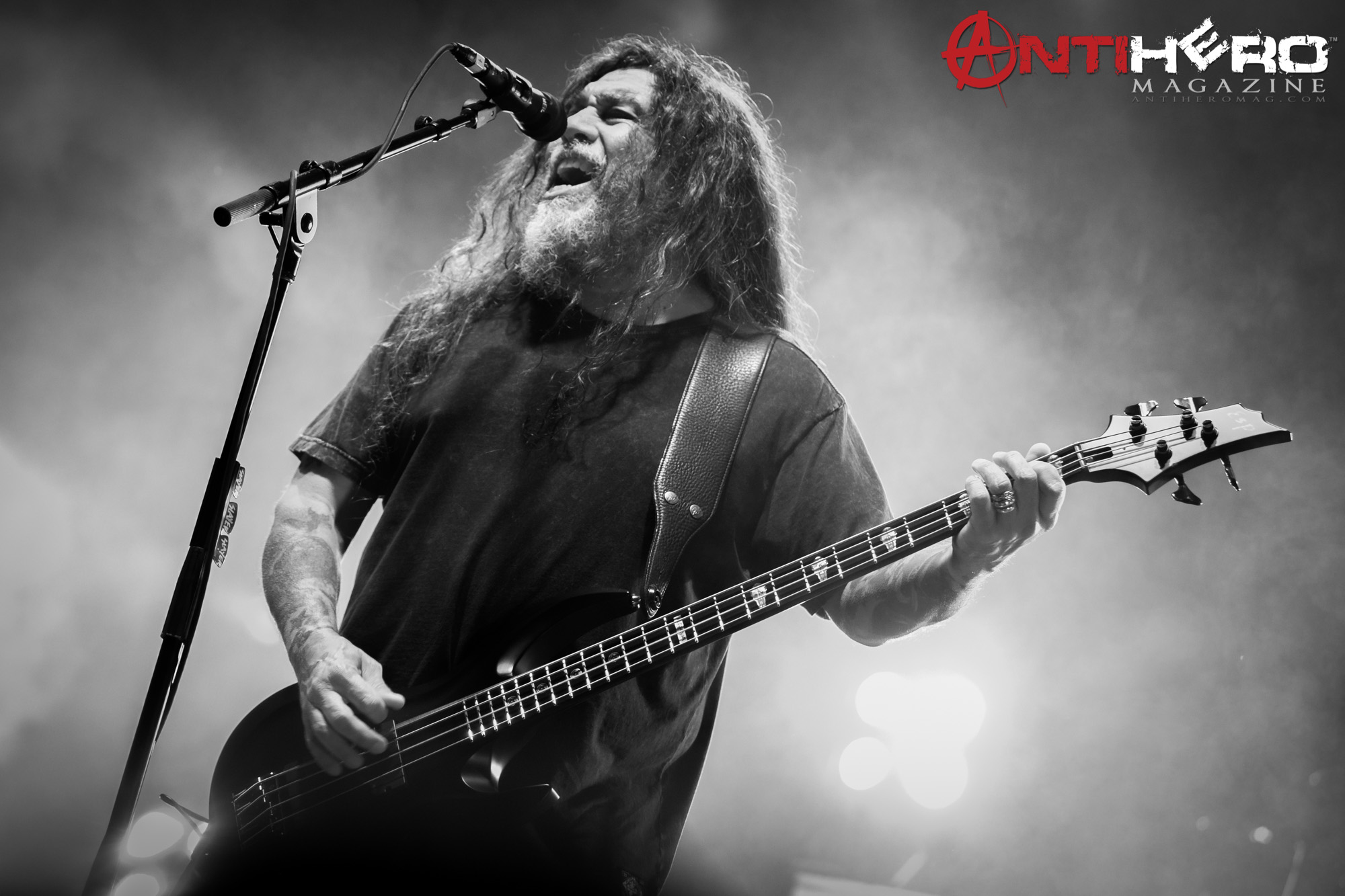
Looking back from 2026, the concerts of 2016 represent a pivotal moment in live music history, marked by massive stadium spectacles, high-profile reunions, and a shift toward immersive production. This year saw record-breaking grosses from artists like Beyoncé, Adele, and the reunited Guns N' Roses, fundamentally altering how tours are scaled and marketed in the modern era.
The live music landscape of 2016 was defined by a transition from traditional stagecraft to high-concept visual storytelling. As we evaluate these events ten years later, it is clear that the technical innovations and cultural statements made on those stages set the blueprint for the massive global treks of the 2020s. Whether it was the political resonance of the Formation World Tour or the sheer nostalgia of "Not in This Lifetime," 2016 remains a benchmark for the industry.
The Cultural Impact of the Formation World Tour
Beyoncé’s Formation World Tour was arguably the most significant concert event of 2016. Following her surprise performance at Super Bowl 50, the tour launched in support of her visual album, Lemonade. This tour was not merely a series of musical performances; it was a cultural manifesto that integrated social commentary with unprecedented production values.
The centerpiece of the tour was the "Monolith," a 60-foot tall, revolving LED box that projected high-definition imagery and live video. This technical marvel allowed for 360-degree visibility in stadiums, a feat that necessitated a complex logistics chain to transport the structure across North America and Europe. From a technical standpoint, the Monolith required specialized engineering to ensure stability against wind loads in open-air stadiums, representing a significant leap forward in touring infrastructure.
Musically, the tour emphasized Beyoncé's vocal prowess and choreographic precision. By incorporating a pool of water on stage for the finale, "Freedom," she bridged the gap between performance art and pop spectacle. According to Billboard's year-end reports, the tour grossed over $256 million, proving that highly conceptual, politically charged stadium shows were commercially viable on a global scale.
The Reunion of the Decade: Guns N’ Roses
In 2016, the music world witnessed what many thought was impossible: the "Not in This Lifetime... Tour." Featuring the return of original members Slash and Duff McKagan alongside Axl Rose, the tour capitalized on decades of pent-up demand. This was not just a nostalgia trip; it was a masterclass in managing high-stakes rock logistics and brand rehabilitation.
The tour's success was rooted in its broad demographic appeal, drawing both older fans from the Appetite for Destruction era and younger listeners discovered through digital streaming. The production relied on a classic "Wall of Sound" approach combined with modern digital displays, maintaining the grit of 80s hard rock while meeting 21st-century audience expectations for visual clarity.
Financially, the 2016 leg of the tour set the stage for it to become one of the highest-grossing tours of all time. It demonstrated that "legacy acts" could compete with—and often outearn—contemporary pop stars if the core lineup remained intact and the performance quality was high. The tour also served as a case study in artist health and professional discipline, as the band maintained a rigorous schedule with few of the cancellations that had plagued their earlier years.
Adele Live 2016: The Triumph of Intimacy in Arenas
While Beyoncé and Guns N’ Roses occupied stadiums, Adele dominated the arena circuit with "Adele Live 2016." In an era increasingly reliant on pyrotechnics and backup dancers, Adele’s tour was a radical departure, focusing almost entirely on vocal performance and storyteller-style interaction with the audience.
The production design was intentionally minimalist to reflect the themes of her album, 25. A secondary stage in the middle of the floor allowed her to walk through the crowd, creating a sense of intimacy in rooms holding 20,000 people. This "human-centric" approach to touring proved that even in a high-tech age, the primary driver for ticket sales remains the emotional connection between the artist and the fan.
Technical challenges for Adele’s tour focused heavily on acoustics and vocal preservation. To support her signature power-ballad style over a 121-date tour, the audio engineering team used state-of-the-art noise cancellation and monitoring systems to ensure studio-quality sound in cavernous sports arenas. Her success in 2016 reinforced the value of "appointment viewing" in music—events where the performance is so singular that it cannot be replicated by digital media.
The Rise of the Mega-Festival: Desert Trip
October 2016 saw the debut of Desert Trip, colloquially known as "Oldchella." Held at the Empire Polo Club in Indio, California, the festival featured a lineup of legendary proportions: The Rolling Stones, Bob Dylan, Paul McCartney, Neil Young, Roger Waters, and The Who.
This event was a logistical landmark for the festival industry. It targeted an older, more affluent demographic than typical festivals like Coachella, leading to a premium experience that included grandstand seating, high-end culinary options, and enhanced accessibility features. Desert Trip grossed approximately $160 million over two weekends, making it the most lucrative music festival in history at that time.
The significance of Desert Trip lay in its proof of concept: that classic rock legends could be packaged into a "once-in-a-lifetime" event with high ticket prices. It paved the way for the specialized, genre-specific boutique festivals that became common in the following decade. The production for Roger Waters, in particular, featured a massive surround-sound system that turned the desert floor into a psychedelic audio environment, pushing the boundaries of outdoor sound engineering.
Comparing the Top Grossing Tours of 2016
The following table summarizes the performance and reach of the most significant tours of 2016, based on data from Pollstar and Billboard Pro.
| Artist / Tour Name | Primary Venue Type | Notable Technical Feature | Estimated 2016 Gross |
|---|---|---|---|
| Bruce Springsteen / The River Tour | Stadiums / Arenas | 3+ hour marathon sets | $268 Million |
| Beyoncé / Formation World Tour | Stadiums | 60ft Revolving "Monolith" | $256 Million |
| Coldplay / A Head Full of Dreams | Stadiums | Xyloband LED wristbands | $241 Million |
| Guns N' Roses / Not in This Lifetime | Stadiums | Classic lineup reunion | $188 Million |
| Adele / Adele Live 2016 | Arenas | Intimate "B-Stage" setup | $167 Million |
| Justin Bieber / Purpose World Tour | Arenas | Suspended "Glass" stage | $163 Million |
Technical Innovations and Production Trends
The concerts of 2016 were characterized by several technological shifts that have since become industry standards. One of the most visible was the use of wearable LED technology. Coldplay’s "A Head Full of Dreams Tour" utilized Xylobands—infrared-controlled wristbands that turned the entire stadium audience into a synchronized light show. This moved the "spectacle" off the stage and into the crowd, fostering a participatory experience.
Furthermore, 2016 saw the early adoption of 4K live-streaming and Virtual Reality (VR) components. Some tours experimented with "VIP VR" experiences, allowing fans who couldn't attend in person to view portions of the show through headsets. While the technology was in its infancy, these experiments laid the groundwork for the hybrid concert models that proliferated after 2020.
Security and access control also saw a shift in 2016. In response to increasing global security concerns, tours began implementing more rigorous screening processes and moved toward digital ticketing. This was the beginning of the end for physical paper tickets, as promoters looked for ways to reduce fraud and gather better data on attendee demographics.
Challenges and Disruptions in the 2016 Circuit
Despite the commercial success of the industry, 2016 was not without its controversies and setbacks. Kanye West’s "Saint Pablo Tour" became a major talking point due to its innovative but polarizing "floating stage." The stage was suspended by cables and moved above the audience, removing the traditional barrier between the artist and the pit. However, the tour was cut short in November 2016 due to the artist's health issues, highlighting the mental and physical toll that high-concept global touring can take on performers.
Additionally, the year was marked by the loss of icons like David Bowie and Prince. While neither was touring at the time of their passing, their influence was felt across the 2016 concert circuit. Tribute segments became a staple of shows by everyone from Bruce Springsteen to Madonna, turning the year into a collective wake for the pioneers of live performance. This sense of transition—of one generation passing the torch to another—gave 2016 concerts a unique emotional weight.
Frequently Asked Questions
What was the highest-grossing concert tour of 2016?
Bruce Springsteen and the E Street Band’s "The River Tour 2016" was the highest-grossing tour of the year, bringing in approximately $268 million. The tour was a celebration of the 1980 album The River and was praised for its grueling length and high energy, often exceeding three or four hours per night.
Why was Beyoncé's Formation tour so influential?
The Formation World Tour is considered a landmark because it successfully combined high-fashion aesthetics, political activism (addressing themes of Black identity and feminism), and cutting-edge stadium technology. It proved that a pop concert could function as a serious piece of social commentary while still achieving massive commercial success.
What made the Desert Trip festival unique?
Desert Trip was unique because it exclusively featured Rock and Roll Hall of Fame inductees who were central to the 1960s and 70s music scene. It targeted an older audience with premium amenities, effectively creating a "luxury festival" market that previously didn't exist at that scale.
Did any major tours use VR or 360-degree video in 2016?
Yes, several artists experimented with these technologies. For example, Coachella 2016 offered a VR app for fans to view performances and "walk" the grounds virtually. This trend continued with various artists offering 360-degree "behind the scenes" content to supplement their live dates.
How did concert security change in 2016?
Following tragic events at public venues in late 2015 and early 2016, concert promoters significantly increased security protocols. This included the more frequent use of metal detectors, "clear bag" policies at many stadiums, and a move toward encrypted digital ticketing to prevent unauthorized access.
Accessing Historical Concert Data and Recordings
For those looking to relive the concert experiences of 2016, there are several verified avenues for accessing high-quality recordings and data. Many of the year's top tours were professionally filmed and released as concert films or documentaries. Beyoncé’s Lemonade and its associated tour visuals are available on major streaming platforms, while Adele’s performances were widely broadcast through television specials.
Researchers and fans can utilize the following resources for verified historical information:
- Pollstar: The industry standard for box office data and touring logistics.
- Setlist.fm: A community-driven database that provides accurate setlists and venue information for almost every major show in 2016.
- Official Artist Archives: Many artists, such as Bruce Springsteen and Neil Young, maintain digital archives where high-fidelity "soundboard" recordings of 2016 shows can be purchased or streamed.
When searching for footage, prioritize official releases over fan-recorded "bootlegs" to ensure the best audio-visual experience and to respect copyright regulations.