The 2016 Broadway season remains a pivotal milestone in theatrical history, defined primarily by the cultural explosion of Hamilton, record-breaking box office growth, and a significant shift toward diverse storytelling. It was the year the "Hamilton effect" transformed ticket distribution and social media engagement, setting the stage for the industry's evolution over the next decade.
The Hamilton Phenomenon: Redefining the Modern Musical
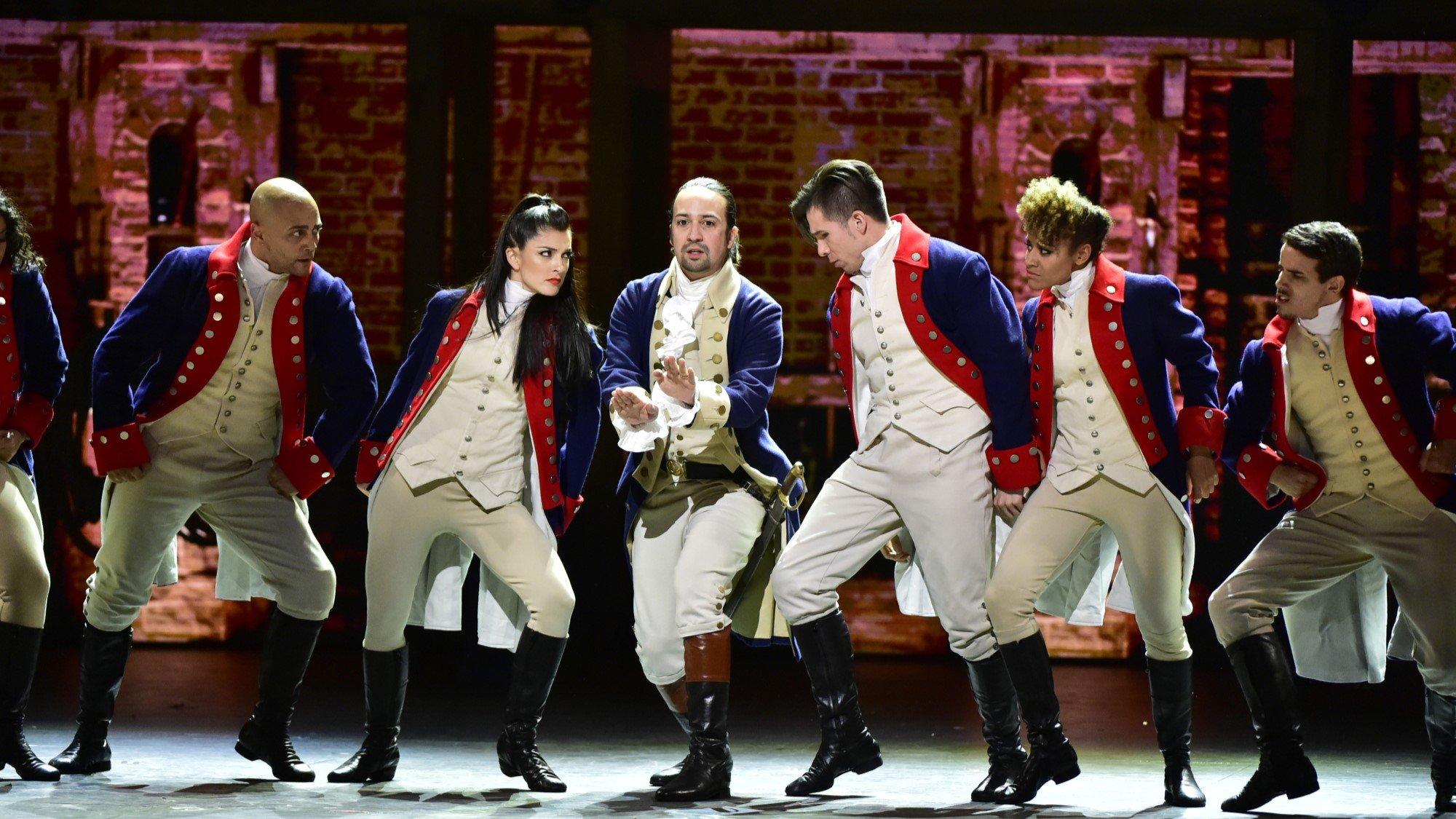
In 2016, Broadway was not merely a New York City tourist attraction; it was at the center of the global cultural conversation. While Lin-Manuel Miranda’s Hamilton technically opened at the Richard Rodgers Theatre in the summer of 2015, 2016 was the year it reached its zenith. The production became a legitimate phenomenon, blending hip-hop, R&B, and traditional show tunes to narrate the life of Alexander Hamilton.
The impact of Hamilton in 2016 was twofold: it proved that diverse casting was not only socially responsible but also immensely profitable, and it introduced the concept of "premium pricing" on a massive scale. By June 2016, the show had set a record for the most Tony Award nominations in history (16), ultimately winning 11, including Best Musical. Its influence extended beyond the stage into education, politics, and the music charts, with the Hamilton Mixtape debuting at number one on the Billboard 200.
Furthermore, 2016 marked the departure of many original cast members, including Lin-Manuel Miranda, Leslie Odom Jr., and Phillipa Soo. This transition period tested the longevity of "star-less" mega-hits, a test Hamilton passed with flying colors, proving that the material itself was the primary draw. Ten years later, in 2026, we see the remnants of this era in how contemporary musicals are marketed—focusing on "viral" moments and diverse representative storytelling that was pioneered during this specific window.
Landmark Productions and New Openings of 2016
Beyond the shadow of the Richard Rodgers Theatre, 2016 saw an extraordinary influx of original work that pushed the boundaries of the medium. Several productions that opened during this calendar year would go on to become staples of the American theatrical canon.
Waitress: Breaking the Glass Ceiling
Opening in April 2016 at the Brooks Atkinson Theatre, Waitress made history as the first Broadway musical with an all-female lead creative team, including composer Sara Bareilles, director Diane Paulus, book writer Jessie Nelson, and choreographer Lorin Latarro. The show’s success demonstrated the commercial viability of "pop-composer" transitions to Broadway and paved the way for more female-led creative teams in the ensuing decade.
Dear Evan Hansen: The Voice of a Generation
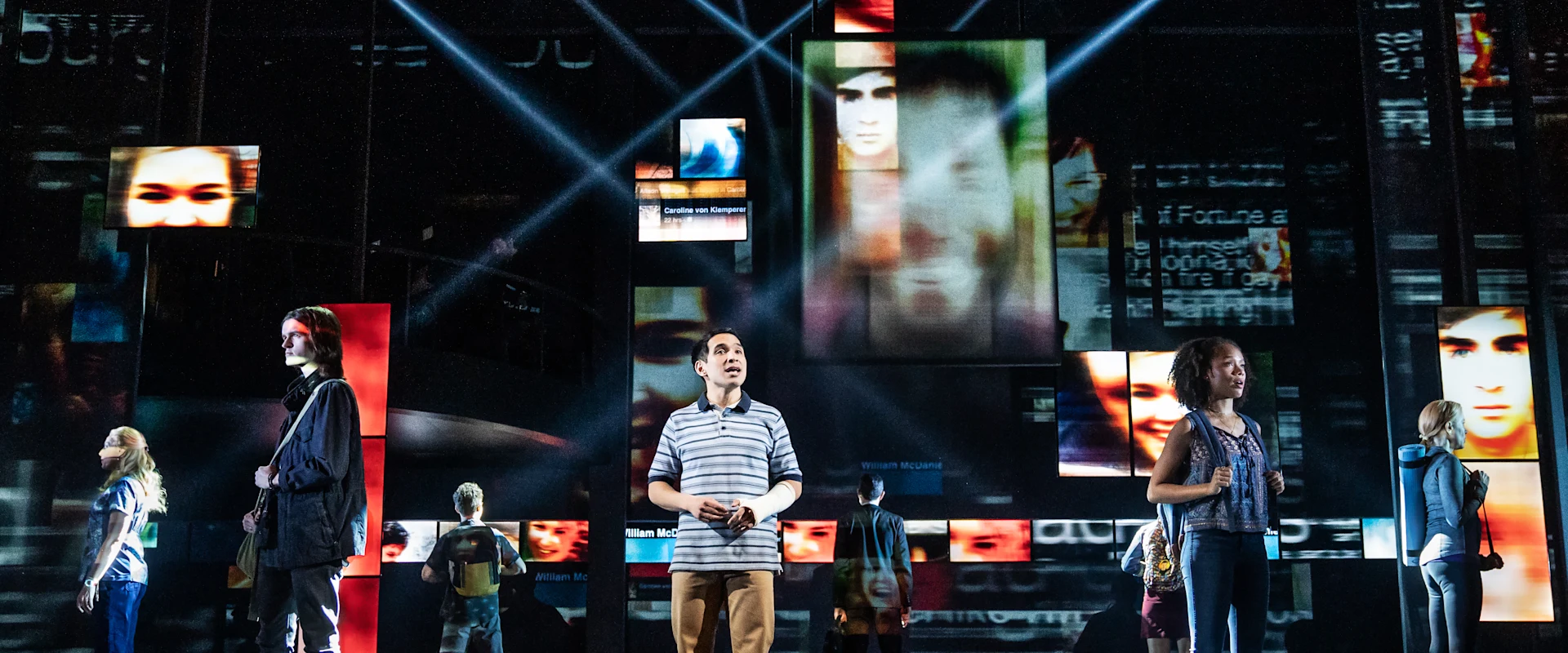
While it officially began its Broadway run in late 2016 (opening in December at the Music Box Theatre), Dear Evan Hansen became the defining emotional touchstone of the year. Tackling themes of social anxiety, isolation, and the impact of social media, the musical—featuring a score by Pasek & Paul—resonated deeply with younger audiences. It was the precursor to a decade of "teen-centric" musicals that utilized digital marketing and social media to build massive, dedicated fanbases before they even reached New York.
Natasha, Pierre & The Great Comet of 1812
An immersive electropop opera based on a segment of Leo Tolstoy's War and Peace, this production transformed the Imperial Theatre into a Russian supper club. It represented the "experimental" side of the 2016 season, proving that Broadway audiences were hungry for non-traditional staging and genre-bending scores. Its use of actor-musicians became a trend that many regional and Broadway productions would replicate in the years following.
The 70th Annual Tony Awards: A Night of Resilience
The 70th Tony Awards, held on June 12, 2016, at the Beacon Theatre, served as a poignant snapshot of the Broadway community's spirit. Hosted by James Corden, the ceremony took place just hours after the tragic Pulse nightclub shooting in Orlando. The evening was dedicated to the victims, and the cast of Hamilton notably performed "Yorktown" without their prop muskets as a mark of respect and a call for peace.
The awards sweep by Hamilton was expected, but the night also honored significant achievements in diversity. For the first time in history, all four musical acting categories were won by Black performers: Leslie Odom Jr., Cynthia Erivo, Daveed Diggs, and Renée Elise Goldsberry. This underscored a year where Broadway finally began to look more like the city it calls home.
Key Winners of the 2016 Tony Awards
- Best Musical: Hamilton
- Best Play: The Humans
- Best Revival of a Musical: The Color Purple
- Best Revival of a Play: A View from the Bridge
The success of The Humans by Stephen Karam highlighted a strong year for plays. It provided a stark, realistic look at the American middle class, winning four Tonys and proving that intimate, character-driven dramas could still find commercial success in a year dominated by blockbuster musicals.
Revivals and Reimagined Classics
The 2016 season was not solely about new works; it also saw several groundbreaking revivals that challenged traditional interpretations of classic texts.
The Color Purple, which opened in late 2015 and dominated the 2016 awards cycle, was a "stripped-down" revival that focused on the raw power of the performances. Cynthia Erivo’s portrayal of Celie is still discussed in 2026 as one of the greatest Broadway debuts in history. The production won the Tony for Best Revival of a Musical, proving that sometimes less is more in theatrical production.
Another notable revival was Falsettos, which returned to Broadway in the fall of 2016. Featuring an all-star cast including Christian Borle, Andrew Rannells, and Stephanie J. Block, this production of William Finn and James Lapine's musical about a modern family was captured for Live from Lincoln Center, ensuring its legacy for future generations.
In the world of drama, Ivo van Hove’s productions of A View from the Bridge and The Crucible redefined Arthur Miller’s classics for a modern audience. Van Hove’s minimalist, avant-garde approach—often featuring bare stages and shocking visual metaphors—became a hallmark of the mid-2010s "Director’s Theatre" movement.
Comparison of Major 2016 Broadway Productions
The following table compares the most impactful productions that were running or opened during the 2016 calendar year.
| Production | Genre | Primary Theme | Tony Wins (2016) | Cultural Legacy |
|---|---|---|---|---|
| Hamilton | Musical | American History / Hip-Hop | 11 | Global phenomenon; redefined diversity. |
| Waitress | Musical | Empowerment / Resilience | 0 (Nominated for 4) | Landmark all-female creative team. |
| The Humans | Play | Family Dynamics / Anxiety | 4 | Masterclass in modern American realism. |
| The Color Purple | Musical (Revival) | Redemption / Identity | 2 | Launched Cynthia Erivo to stardom. |
| Eclipsed | Play | Women in War | 1 | First all-Black, all-female cast/creative team. |
| Dear Evan Hansen | Musical | Mental Health / Connection | 6 (in 2017) | Defined the "social media" era of theatre. |
| Shuffle Along | Musical | Black Theatre History | 0 (Nominated for 10) | Highlighted forgotten history of 1921. |
Economic Impact and Industry Trends
From a technical SEO and business perspective, 2016 was a watershed year for the Broadway League. The 2015-2016 season saw grosses reach $1.37 billion, a record at the time. Total attendance reached 13.3 million, proving that the industry was growing despite rising ticket prices.
The year 2016 also saw the full implementation of dynamic pricing. With Hamilton tickets reaching thousands of dollars on the secondary market, the Broadway League and producers began adjusting "premium" ticket prices more aggressively to recapture revenue from scalpers. This shift changed the accessibility of Broadway, leading to the rise of digital lotteries (such as the "Ham4Ham" lottery) to ensure that some affordable seats remained available to the general public.
Furthermore, the "Eclipsed" production made history by being the first Broadway play with an all-female, all-Black cast and creative team, including playwright Danai Gurira and star Lupita Nyong'o. This was a critical moment in the industry’s push for intersectional representation, a movement that has only strengthened as we look back from 2026.
Frequently Asked Questions
Which show won Best Musical at the 2016 Tony Awards?
Hamilton won the Tony Award for Best Musical in 2016. It was a dominant force throughout the season, winning 11 awards in total out of a record-breaking 16 nominations. Its victory was seen as a foregone conclusion given its unprecedented critical and commercial success.
What were the most popular Broadway shows in 2016?
While Hamilton was the clear leader, other massive hits included The Lion King, Wicked, and Aladdin. New hits from 2016 that drew large crowds included Waitress, School of Rock, and Dear Evan Hansen. Revivals like The Color Purple and Fiddler on the Roof were also significant box office contributors.
How did the 2016 Broadway season impact diversity in theatre?
The 2016 season is often cited as a turning point for diversity. With the success of Hamilton, The Color Purple, Eclipsed, and Shuffle Along, the season demonstrated that stories centered on people of color were both critically acclaimed and financially successful. This led to a decade of increased casting and hiring initiatives for underrepresented groups in the industry.
Who hosted the 2016 Tony Awards?
James Corden, then-host of The Late Late Show, hosted the 70th Annual Tony Awards. He was praised for his energetic opening number and his sensitive handling of the ceremony following the national tragedy in Orlando earlier that day.
What was the "Hamilton effect" on ticket prices in 2016?
The "Hamilton effect" refers to the massive surge in ticket prices caused by unprecedented demand. It forced Broadway producers to adopt more sophisticated dynamic pricing models. While it made the most popular shows more expensive, it also spurred the development of more robust digital lottery systems to maintain a level of public access.
Strategic Recommendations for Theatre Historians and Students
For those researching the 2016 Broadway season in 2026, it is essential to look beyond the awards and box office numbers. The true value of this era lies in its cultural shift. To fully understand the landscape of that year, researchers should focus on the following:
- Analyze the Digital Shift: Study how shows like Hamilton and Dear Evan Hansen used social media (Twitter, Instagram, and the emerging TikTok precursors) to build communities.
- Evaluate Creative Demographics: Look at the "Firsts" of 2016—such as the all-female team of Waitress—and track how many of those individuals continued to lead major productions over the next ten years.
- Review Archival Captures: Many 2016 productions were filmed for archival or broadcast purposes (e.g., She Loves Me, Falsettos). These recordings provide the best technical evidence of the staging and performance styles that defined the year.
The 2016 Broadway season was not just a year of big hits; it was a year of systemic change. By prioritizing diverse voices and embracing modern technology, the industry ensured its relevance for the next decade and beyond.